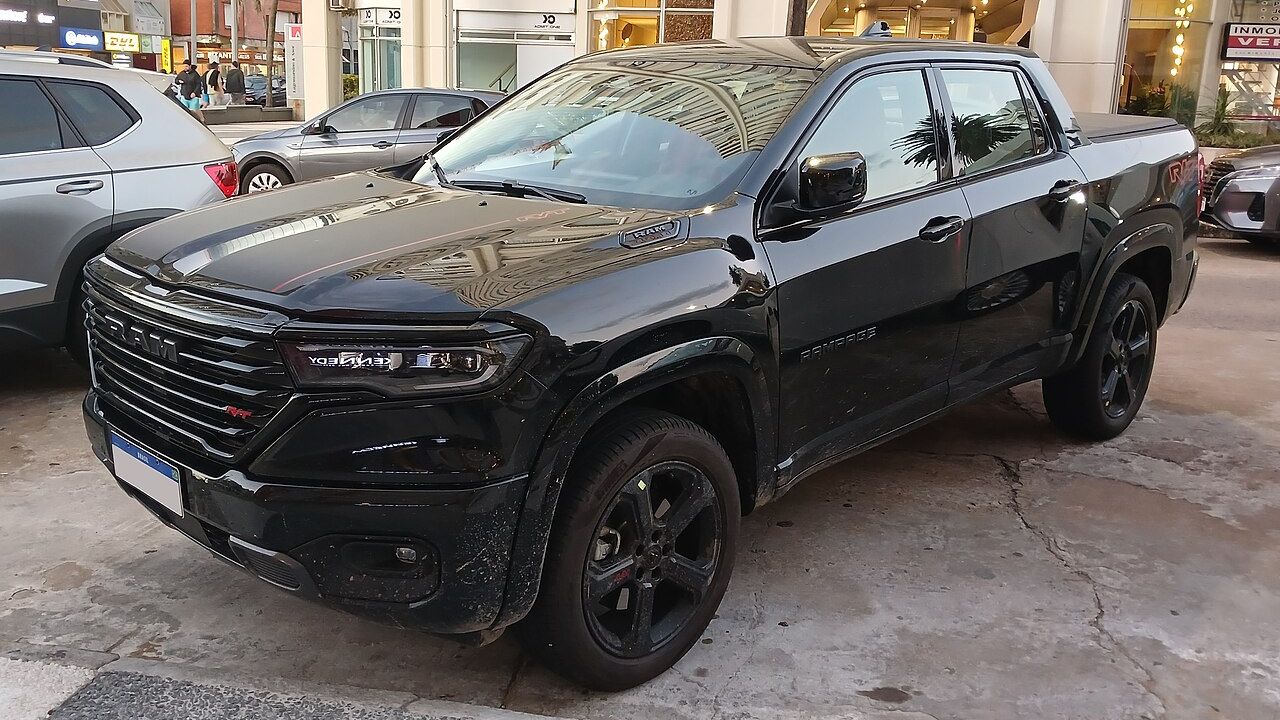

RAM, the American truck brand known for its full-size pickups, has been hinting at an exciting new addition to its lineup. The RAM Rampage, a compact unibody pickup that has gained popularity in international markets, is one that many U.S. enthusiasts have waited a long time to see on American roads.
Fans of smaller, versatile trucks have made their interest clear, but despite the enthusiasm, RAM’s leadership is signaling caution.
A statement credited to CEO Tim Kuniskis states that RAM is amenable to bringing the Rampage to the United States except it isn’t a simple of responding to demand.
While the company recognizes the growing interest in compact pickups, there are strategic and market realities that make a U.S. launch a complicated prospect.
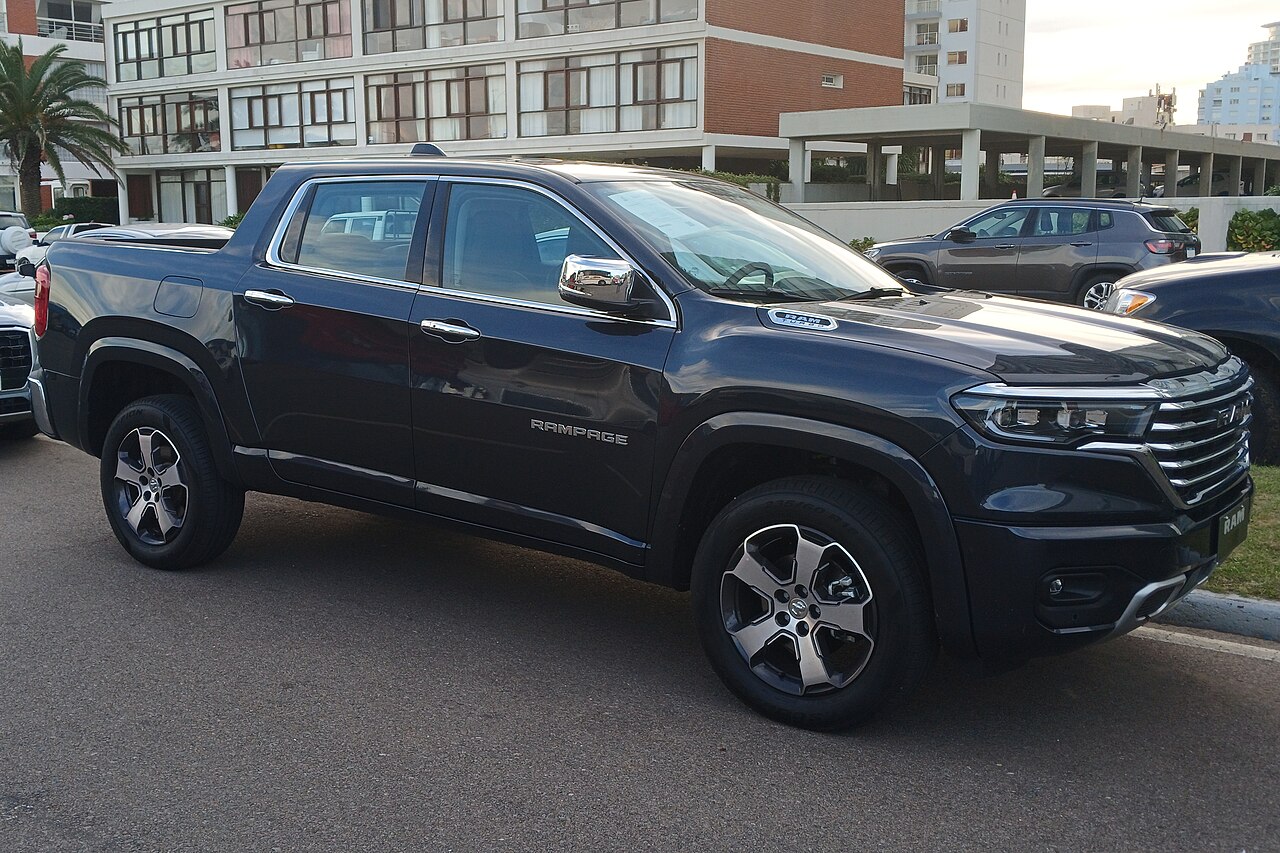
Kuniskis explained that interest alone does not guarantee a vehicle will fit into RAM’s current product lineup, particularly given the competitive landscape of the U.S. compact pickup segment.
Competition, Perception, and Strategy
So, what’s the holdup? The challenges are multifaceted. In recent years, several manufacturers have attempted to carve out a niche in the small truck market. Ford has made waves with the Maverick, a compact pickup that has been well received by fleet and private owners.
Hyundai and other automakers are also making inroads, creating a landscape that is already crowded and highly competitive. RAM would need to identify a clear positioning for the Rampage to avoid overlapping with other models in its own portfolio or competing too directly with rivals.
Beyond competition, there are production and pricing considerations. The Rampage is built on a unibody platform, which makes it lighter and more fuel efficient than traditional body-on-frame trucks.
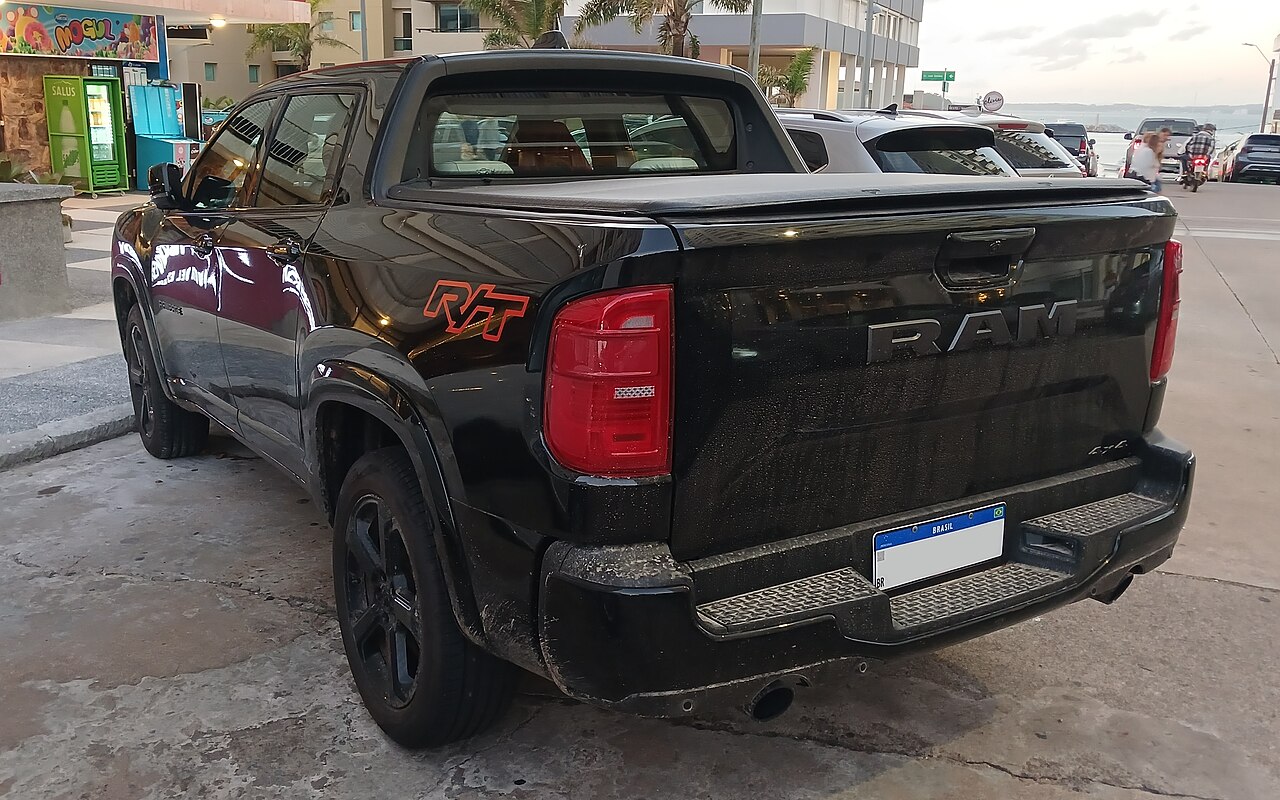
While this design appeals to urban buyers and those seeking practicality, it may not align with the expectations of traditional RAM customers who prioritize towing and payload capabilities. Balancing the truck’s strengths against market expectations will be a critical part of any decision to bring it stateside.
For now, Ram appears focused on another segment: the midsize truck market. The company has hinted at plans to revive the Dakota nameplate, signaling a commitment to delivering trucks that fit between the compact and full-size categories.
By first testing the waters with a midsize pickup, Ram can gauge consumer demand and better understand where a compact offering like the Rampage could fit in the American market.
Not a “No,” But a “Not Yet”
Despite the challenges, the Rampage is not off the table entirely. Kuniskis reportedly emphasized that RAM’s lineup evolves based on both market conditions and customer feedback. If trends shift or demand continues to grow for smaller trucks, the company could reconsider the Rampage for U.S. buyers.
The decision will hinge on whether RAM can create a product that maintains the brand’s identity while appealing to a new segment of drivers.
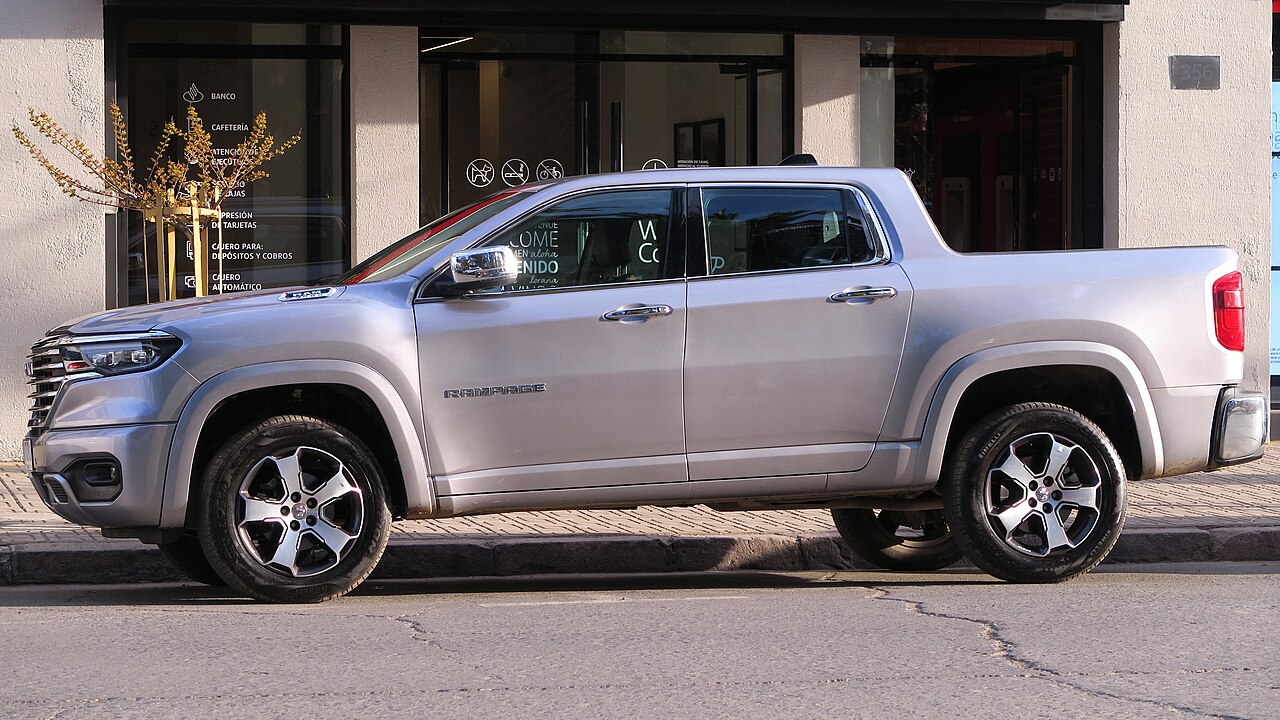
Moreover, the Rampage’s story highlights the tension between consumer enthusiasm and corporate strategy.
Enthusiasts often drive the conversation with social media campaigns and online petitions, but automakers are the ones who must weigh production costs, market saturation, and long-term brand positioning before making final decisions.
For RAM, the task is to determine whether the Rampage is a niche novelty or a sustainable addition to the American truck landscape.
For now, U.S. fans will have to watch cap in hand as RAM evaluates the Rampage’s potential. The company’s careful approach reflects a larger strategy that prioritizes measured growth and alignment with market realities.
While the truck won’t arrive in showrooms tomorrow, the Rampage remains a symbol of RAM’s willingness to innovate and explore new segments.
Sources: Mopar Center