Electric cars are changing the game, but what happens to all those powerful high-voltage batteries once they’ve run their course? Porsche has an idea. Actually, they’ve got a whole plan, and it could reshape the way we think about recycling, sustainability, and long-term EV ownership.
With a new pilot project, Porsche is digging into the gritty (and fascinating) world of battery recycling, and it’s one that could lead to a future where raw materials don’t have to be newly mined every time we build a new battery. Instead, they could be pulled from yesterday’s batteries and reused again and again.
Turning Old Batteries into a Resource, Not Waste
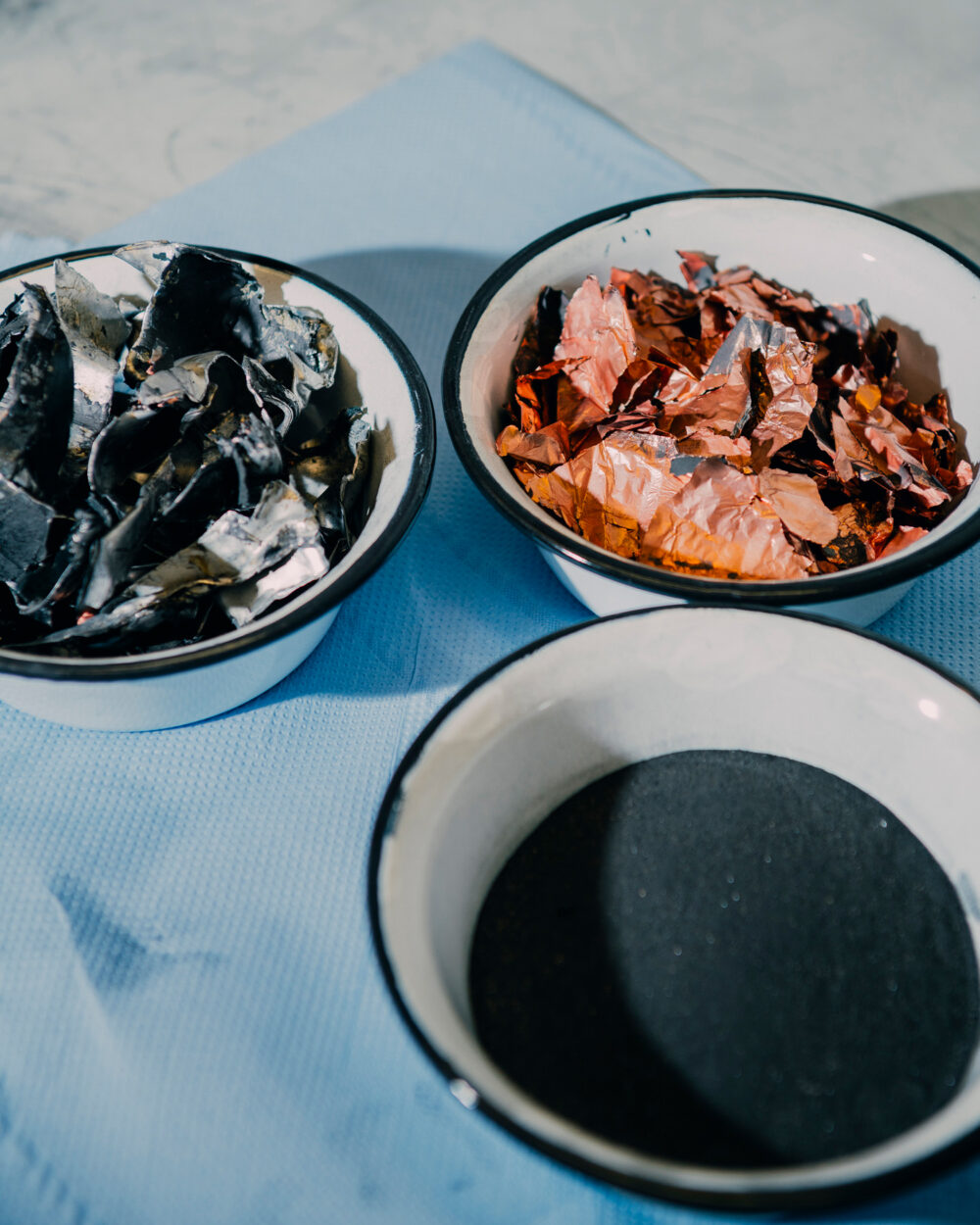
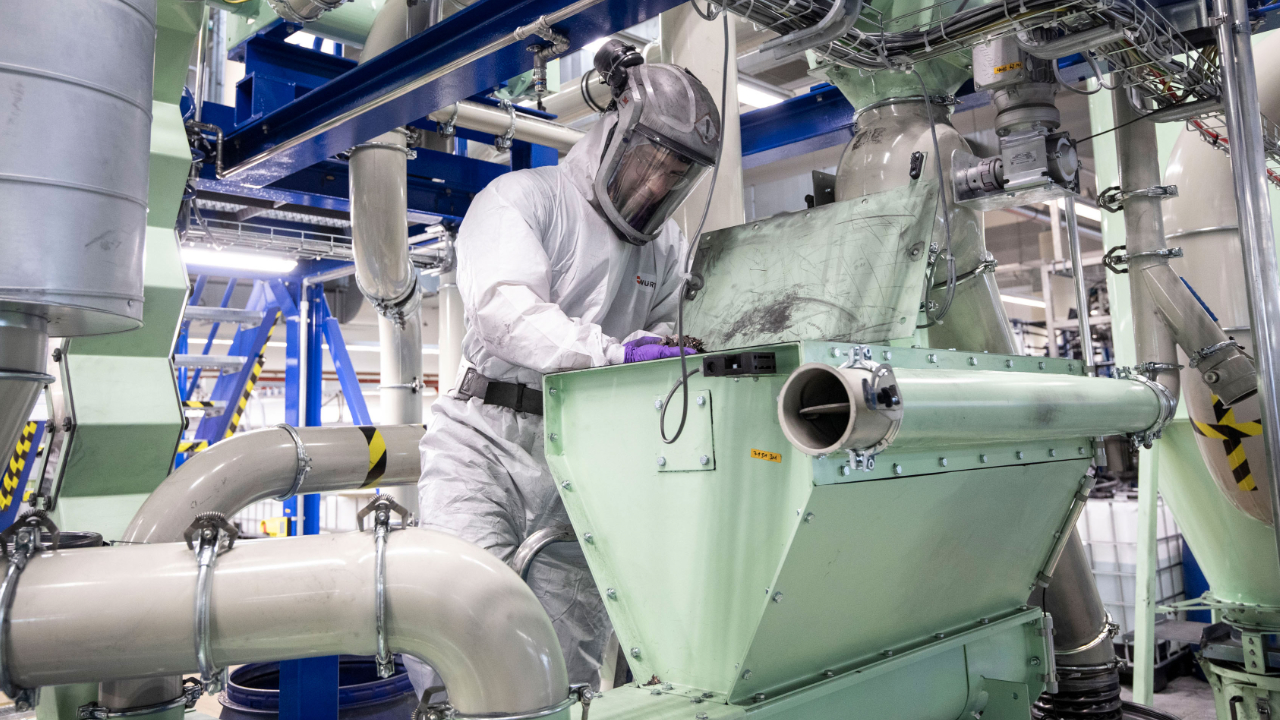
Here’s how it works: Porsche takes retired high-voltage batteries, like those from development vehicles, and carefully breaks them down. What’s left is a dark, powdery mix called “black mass,” and it’s full of valuable stuff like nickel, cobalt, lithium, and manganese. So far, they’ve produced around 65 tons of it. That’s the raw material equivalent of dozens of battery packs, just waiting to be reborn.
The black mass is then refined, separating the useful elements with enough precision and purity to meet Porsche’s strict standards. After all, these aren’t just any batteries — they could be powering high-performance machines like the Taycan.
The End Goal? A Closed Loop
Eventually, Porsche wants to create a closed-loop system. That means old batteries come in, new ones go out — made partly with those same recovered materials. It’s like composting, but for EVs. And once those new batteries are ready, Porsche plans to test them in actual vehicles to make sure they perform just as well (or better) than ones made from freshly mined materials.
This approach could help cut down on environmental impact, reduce reliance on volatile global supply chains, and get more mileage (literally and figuratively) out of the raw materials we already have.
Built for Today, Ready for Tomorrow
There’s also a regulatory reason for all this. The EU will soon require a minimum percentage of recycled content in new batteries, starting in 2031. But Porsche isn’t waiting around — they’re getting ahead of the curve and proving that sustainability and speed don’t have to be at odds.
What’s more, this pilot fits into a broader push at Porsche to rethink the full life of a vehicle. From waste-reducing materials to remanufacturing parts, Porsche’s sustainability efforts are starting to show up across the board — not just in how cars are made, but in how they’re supported long after they leave the factory floor.
Why It Matters for Drivers and Dreamers
For anyone driving an EV (or thinking about it), Porsche’s project offers a glimpse of what a more responsible electric future could look like. It’s not just about performance anymore — it’s about using fewer resources, extending the life of the materials we have, and designing systems that make sense for the long haul.
And if Porsche can build a world-class EV with recycled battery materials, it’s only a matter of time before that kind of smart, circular thinking becomes the norm — whether you’re in a Taycan or something far more humble.