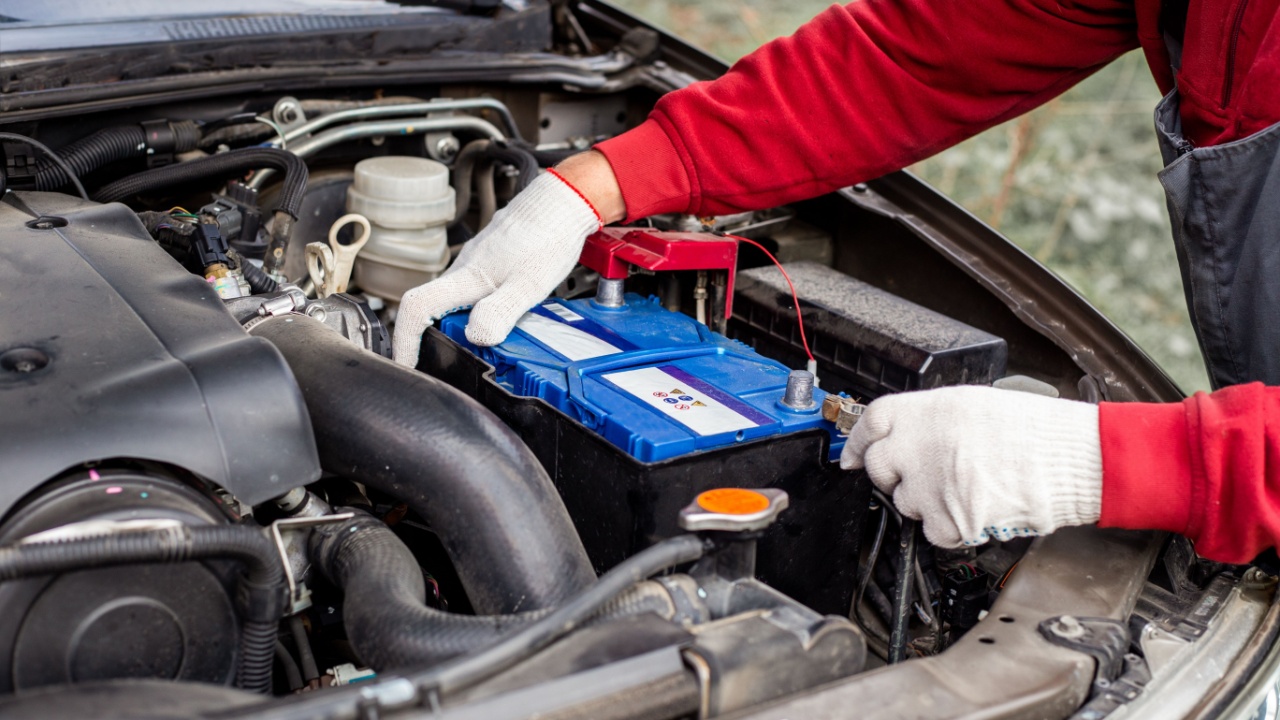
Your car’s battery is its lifeline, keeping everything from the ignition to essential electronics running smoothly. But like any critical component, it needs care and attention to avoid unexpected failures. A neglected battery can leave you stranded at the worst possible moment, leading to costly repairs and frustrating delays. Fortunately, many battery-related issues are preventable with simple maintenance and awareness.
A YouTube video by Budget Mechanic highlights several frequent mistakes car owners make that can shorten a battery’s lifespan or cause unnecessary breakdowns. Understanding these common errors — and how to avoid them — can help keep your car running reliably. Here are a few things that he suggests.
Battery Safety
Many people worry about getting shocked by their car battery, but a standard 12-volt direct current (DC) battery won’t pass current through your body in a way that reaches the heart. However, this doesn’t mean car batteries are completely safe—battery acid, sparks, and improper handling can still be dangerous. Always take precautions when working on your battery.
Misdiagnosing a Bad Battery
Just because a battery dies doesn’t mean it’s faulty. Issues with the alternator, bad starters, or corroded connectors and wiring can mimic a failing battery. If you replace the battery without diagnosing the root problem, you may find yourself stuck again. Use a battery tester or visit an auto parts store for a free battery check. Also, check if the battery’s water levels are too low, as this can affect performance.
Disconnecting the Wrong Terminal First
Many people make the mistake of disconnecting the positive terminal first when removing a car battery. If the wrench contacts metal, this can lead to short circuits and sparks. Always disconnect the negative terminal first and reconnect it last when installing a new battery to prevent accidental electrical discharge.
Handling Battery Fluid Safely
Car battery fluid is a mixture of water, sulfuric acid, and other chemicals. Older batteries may leak acid, or their seals may break over time. If you notice leakage, wear gloves and goggles to protect yourself from burns and irritation when handling the battery.
Reversing Cable Direction
One of the worst mistakes you can make is reversing the battery cables when installing a new battery. This can cause significant electrical damage to your car. Always double-check the battery’s terminals and ensure the cables match the correct polarity before connecting.
Cleaning Corroded Terminals
It doesn’t take much corrosion on the terminals to limit or even stop the flow of electricity. Regularly cleaning the terminals with sandpaper or a wire brush helps maintain a solid electrical connection. Once you see a clean copper color, you know the terminal is properly cleaned.
Bonus Tip: Proper Terminal Post Connection
Battery terminal posts are tapered, meaning they get narrower toward the top. When installing battery cables, make sure the clamps go all the way down to the base of the post before tightening. This ensures a secure connection and helps prevent electrical issues.
Keep Your Battery in Top Shape
By being mindful of these common mistakes and addressing them proactively, you can extend your car battery’s lifespan and ensure reliable vehicle operation. Regular maintenance, proper installation, and using the correct techniques can prevent unexpected issues and keep your vehicle running smoothly.