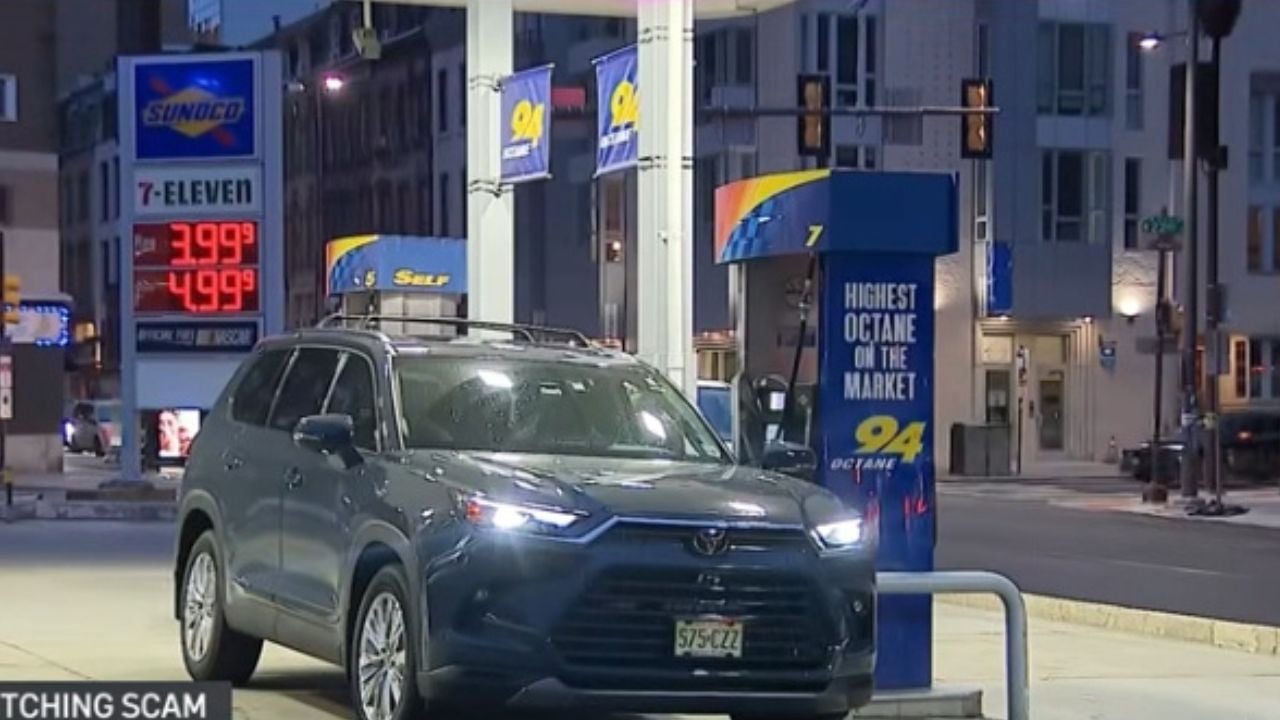

It sounds like a simple act of courtesy. You pull into a gas station, step out of your car, and someone offers to help. In a world that often feels rushed and impersonal, that small gesture can feel almost refreshing.
But at one Sunoco station, that moment of perceived kindness has quietly evolved into something far more calculated and costly.
What investigators and victims are now calling “pump switching” is not a high-tech cybercrime or an elaborate hacking scheme. It is something far more unsettling because of how ordinary it looks. The scam relies on timing, distraction, and trust.
Victim One: Mignon Adams

For Mignon Adams, the day began like any other day a driver stops for fuel. She pulled into the station expecting a routine fill-up, nothing more than a quick pause in her day. That changed the moment a young man approached her car and offered to pump her gas.
She declined politely and proceeded to fill the tank herself. At that point, the interaction should have ended. Instead, it lingered.
The man stayed nearby and, after she finished, offered one last bit of help. He would return the nozzle to the pump. It seemed harmless. Adams accepted.
That small decision is where the scam took hold.
What she thought to be a completed transaction was, in reality, still open. The pump had not been properly reset. The nozzle, though seemingly returned, had not ended the session tied to Adams’ credit card. In that brief window of confusion, the scammer retained access to her active payment.
By the time Adams drove away, believing she had spent around 28 dollars, the transaction was far from over. Her card remained live at the pump, allowing the scammer to continue fueling, either their own vehicle or others willing to pay cash for discounted gas. The final charge that appeared on her statement was $150.
The math alone told the story. There was no realistic way her vehicle could hold that much fuel. The rest had been siphoned, not from her tank, but from her trust.
She is not alone.
Victim Two: Amy Trachtenberg
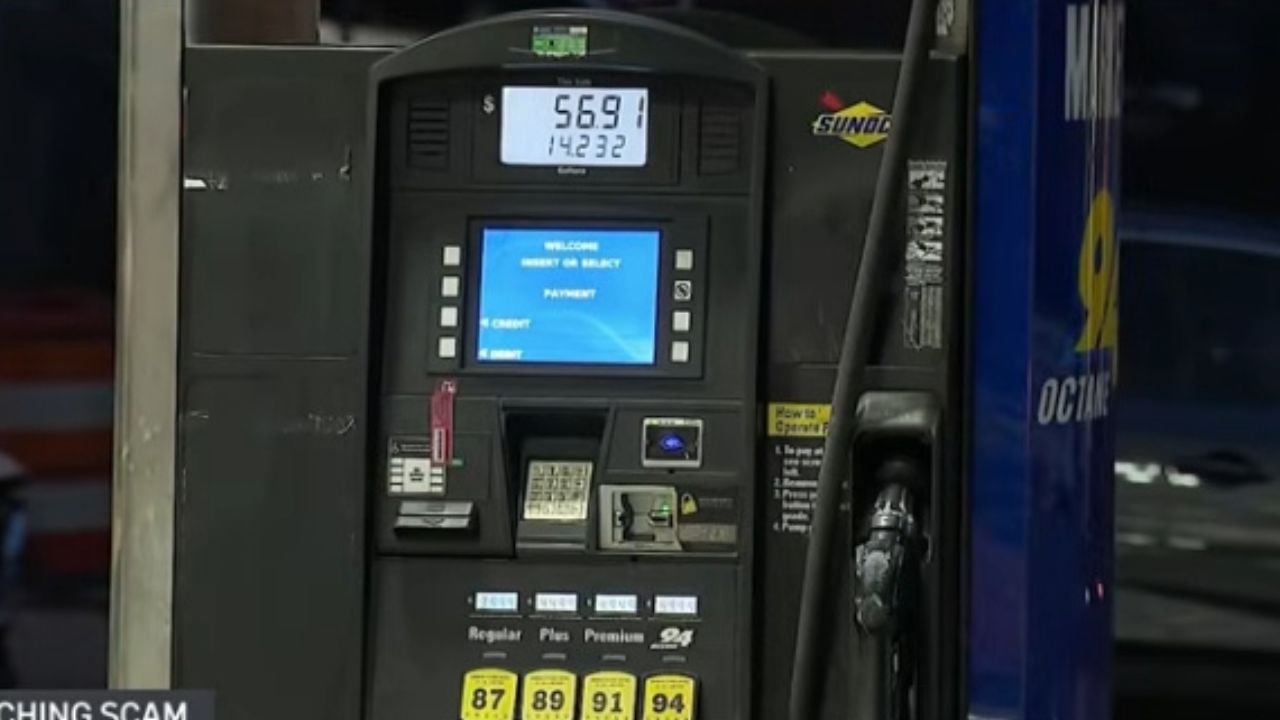
Another customer, Amy Trachtenberg, reported a similar experience at the same location. Her unexpected charge came in at 75 dollars. Different amount, same pattern. A stranger offering help, a moment of confusion at the pump, and a transaction that quietly remained open after the legitimate customer had left.
This scheme has proven particularly effective because of its simplicity. There is no need for stolen cards, no skimming devices, no digital breach. The scam exploits a gap in human attention and a common assumption that once the nozzle is back, the transaction is complete.
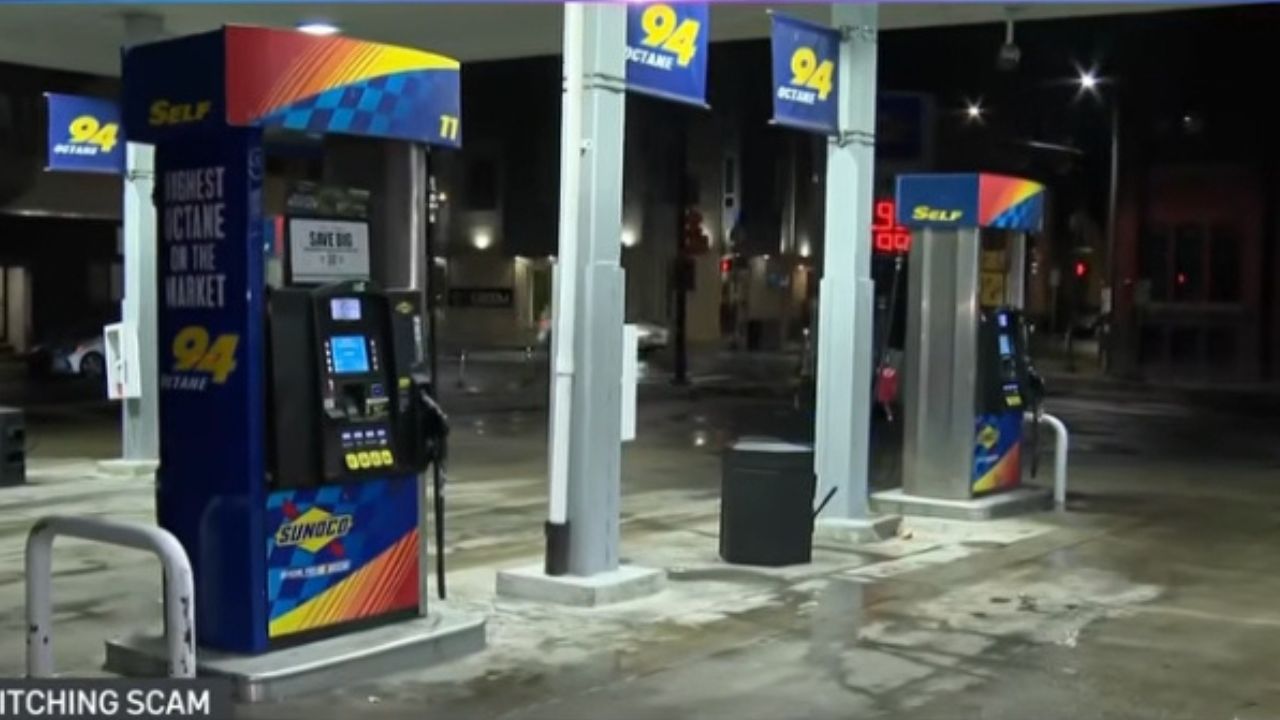
Gas station management has acknowledged the issue, noting that warning signs have been posted as incidents continued over the past year. Still, signage alone struggles to compete with real-time human interaction. A friendly face offering assistance can override caution in seconds.
Police have begun looking into the pattern, but enforcement presents its own challenges. The act itself can be difficult to catch in the moment. By the time the fraudulent charges are noticed, the individuals responsible are long gone, blending back into the everyday flow of traffic and customers.
When It Stops Been Funny
There’s something else, arguably something deeper to worry about beyond the financial loss. As Adams pointed out, not everyone can absorb an unexpected charge like that. For some, it could mean the difference between paying for fuel and affording basic necessities that week.
That is what elevates this from a clever trick to something more troubling. It targets routine behavior and turns a mundane task into a point of vulnerability.
The lesson here is not just about watching your bank statement. It is about rethinking small interactions that feel harmless. Police have warned about panhandlers at the grocery store parking lot who are actually scammers.
In one case, a young woman who’d been begging at the store sparked an officer’s suspicion after she left the store in an expensive sports car. We’ve reported about gas pump tricks used to steal gas directly from the gas station. At the pump, the safest assumption may be the simplest one. If you did not personally end the transaction, it may not be over.