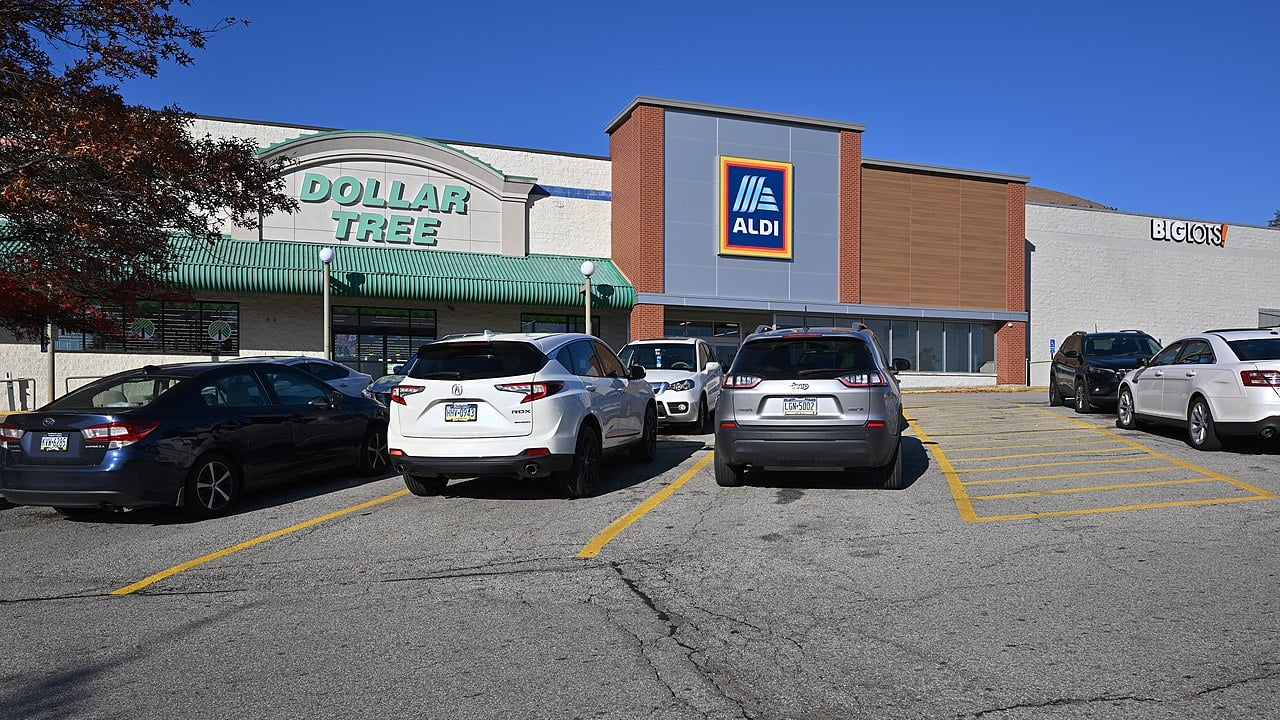

Parking lots are designed for quick stops. Drivers pull in, grab groceries, load their trunks and head back on the road. But police are warning that the same spaces where motorists park their vehicles have quietly become a hunting ground for a new and aggressive scam.
Authorities in Charleston say criminals are targeting shoppers in grocery store parking lots with a deceptive scheme that can drain thousands of dollars from a victim’s bank account in seconds. The scam relies on pressure, sympathy and a portable payment device that turns what appears to be a small donation into a major financial loss.
A Sob Story with a Hidden Trap
According to investigators, the suspects usually work in small groups and wait for drivers to return to their vehicles after shopping.
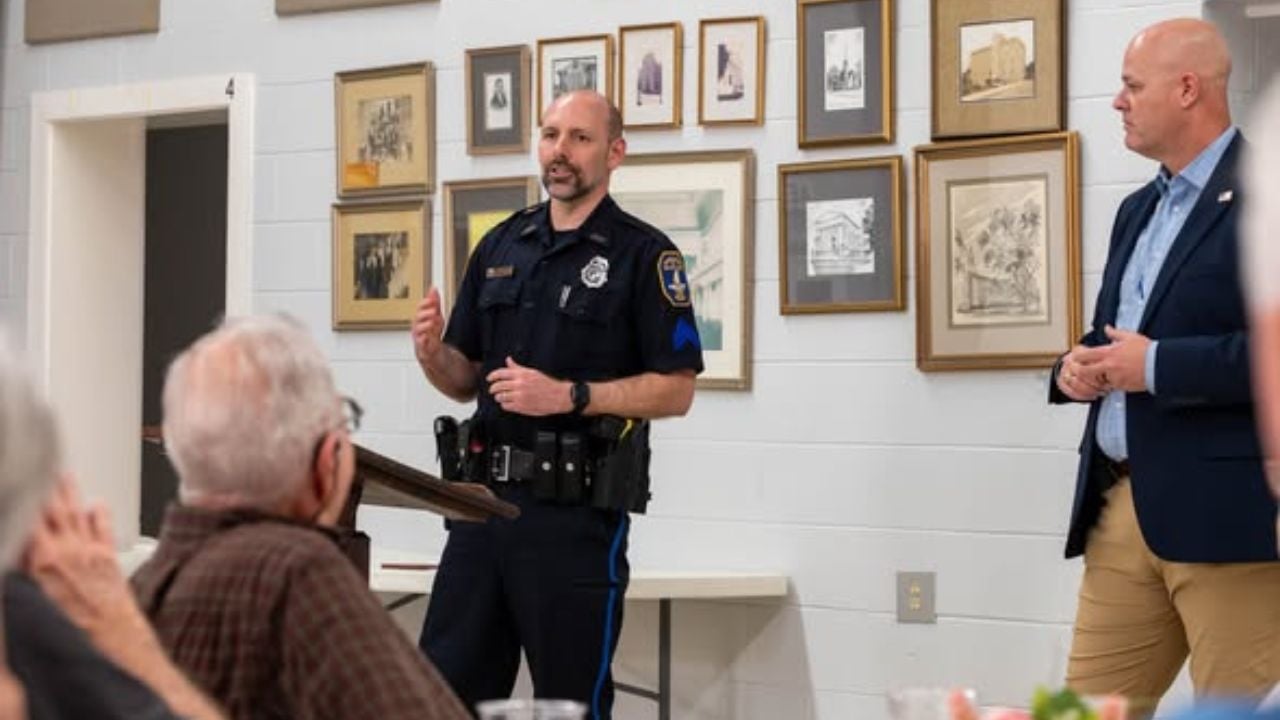
As motorists load groceries into their trunks or prepare to leave the parking lot, the group approaches and begins a conversation that often starts with a heartbreaking story.
Victims report being told that the scammers are collecting donations for a funeral, a medical emergency, or another urgent cause. The story is designed to create emotional pressure. Shoppers are made to feel they are helping someone in distress and that even a small amount of money could make a difference.
But the scam quickly takes a different turn.
The Tap That Drains Your Account
When a person offers cash, the suspects decline and claim they can only accept digital payments. They then present a handheld card reader and ask the victim to tap their debit or credit card for what appears to be a quick donation. In reality, the amount being processed may be far higher than expected.
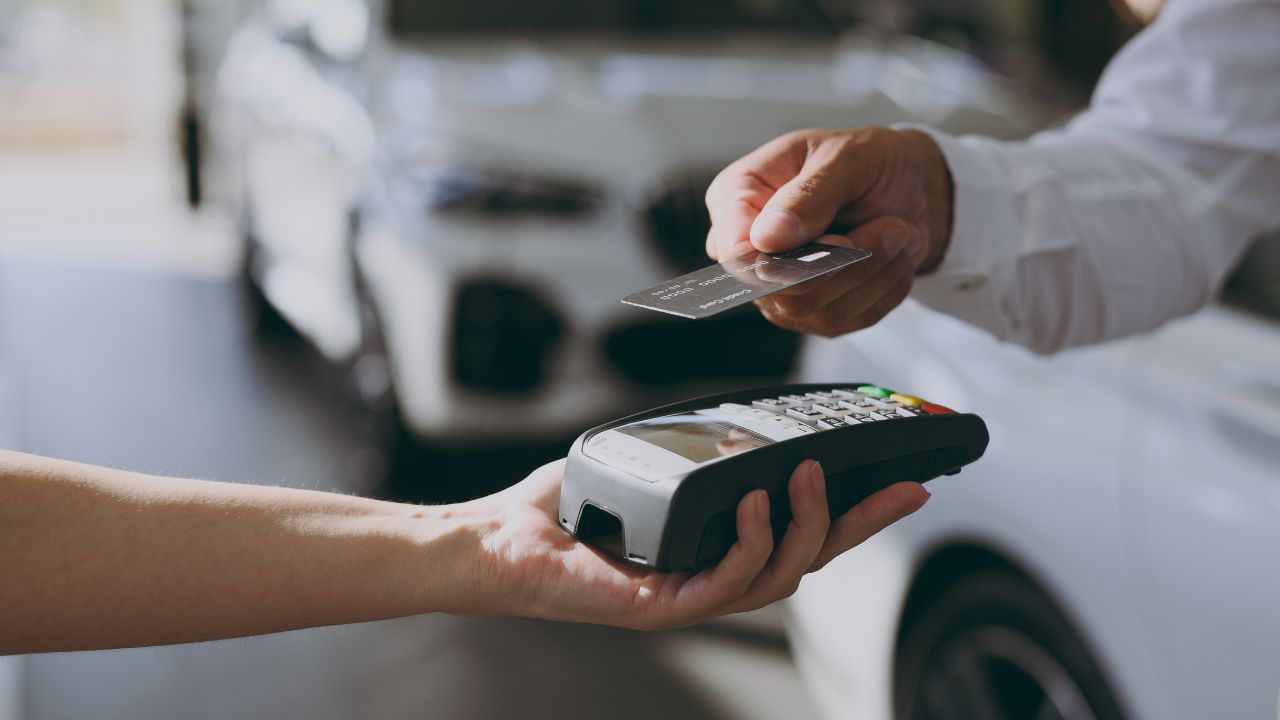
Police say some victims have reported losing thousands of dollars in a single transaction. In certain cases, losses have approached ten thousand dollars before the victim realizes what happened.
Investigators believe the scammers rely heavily on speed and confusion. Parking lots are busy environments where drivers are distracted by traffic, shopping carts and children. Criminals take advantage of those distractions to pressure victims into making a fast decision without carefully reviewing the payment.
The choice of location is also strategic. Grocery store parking areas are filled with vehicles coming and going throughout the day, which allows scammers to blend into the crowd. They can quickly move on to another shopper or leave the lot if anyone becomes suspicious.
Police say certain drivers appear to be targeted more often than others. Young mothers with children in shopping carts are frequently approached because scammers believe emotional appeals may be more effective in those situations. Victims sometimes feel pressured to comply simply to end the encounter and leave the area safely.
A New Dimension of Parking Lot Safety
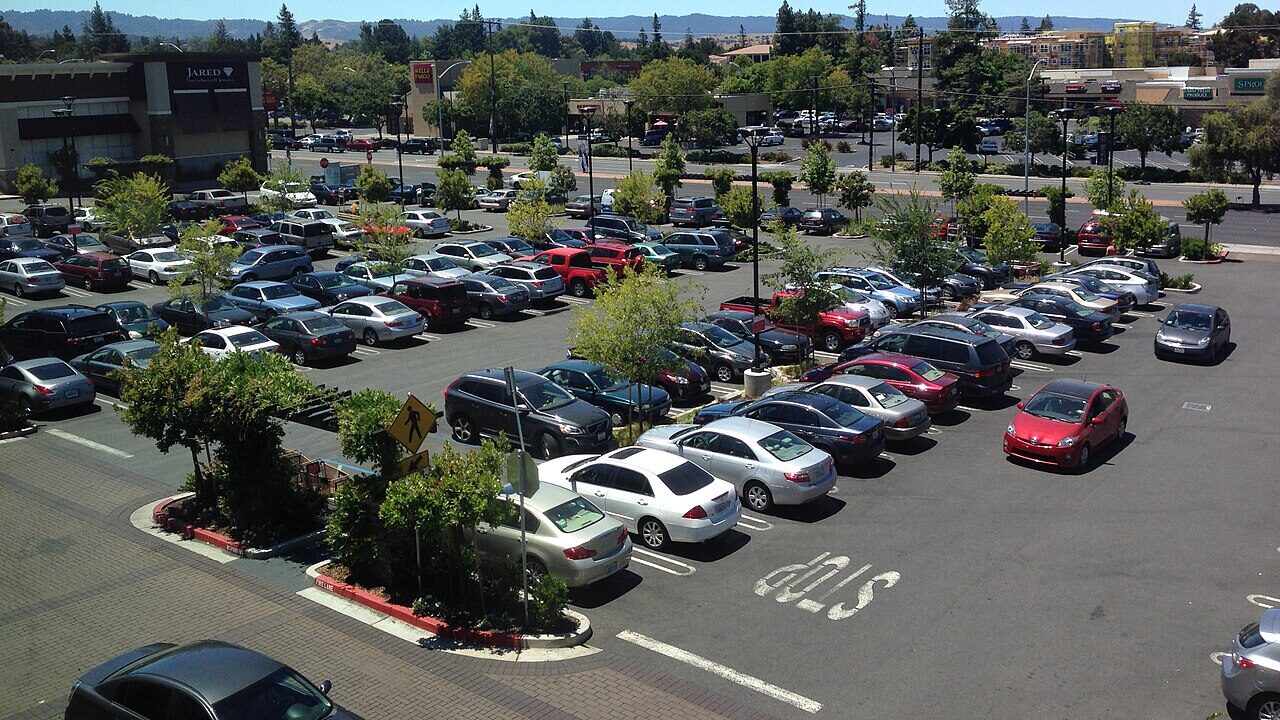
This story piqued our interest for several reasons, including the fact that the scam spotlights an often-overlooked aspect of automotive safety. Most people focus on avoiding theft or vehicle break ins while parked, but personal financial scams are increasingly becoming part of the risk landscape around busy parking areas.
Law enforcement officials recommend that motorists treat any unsolicited request for money in a parking lot with caution. Legitimate charities rarely collect donations in this manner, especially through handheld card readers operated by strangers.
Drivers are encouraged to keep interactions brief, decline requests politely and leave the area if they feel pressured or uncomfortable. If suspicious activity is observed, police recommend reporting it so officers can investigate and warn other shoppers.
Stay Aware, Stay Safe
In today’s digital payment era, criminals are finding new ways to exploit convenience technology. A simple tap of a card that takes less than a second can authorize a large transaction, making it easier than ever for scammers to strike quickly.
Motorists heading to the grocery store should keep in mind that the parking lot is not just where your trip begins and ends. It is also a place where awareness and caution can protect both your car and your wallet.
Note: This article contains embedded video. Embedded media may not display on all platforms. The video is available on our website here.
If you’re smart enough to drive to the grocery store, shop, locate your car and leave, then it should take a fraction of that brainpower to see through this ludicrous scam. Street and parking lot people don’t have bank accounts with external transfer features and card readers in their pockets. I’d have to keep from laughing!
You mentioned young people are targeted, but, elderly people are yet to understand their phones let alone their tap and go. I’m 56 and the criminals know that people my age and up think new technology is either too hard to learn and use, or don’t have the judgment to understand all the ways they can be victims! I urge anyone that knows someone, maybe friends or family that have trouble in this area to please take the time to talk to them! A little information goes a long way and saves a lot of heartbreak for sure!
Very well-written and well thought out. Thank you for looking out for some of us “old timers” as I could easily see myself falling for things like that!
The article was also informative and did a really good job of explaining how the scammers are getting away with this. Thank you!
Hi Sue, thank you so much for your encouraging words! I’m really glad the article was helpful and that it shed some light on how these scams work. It means a lot to know it resonated with you. Best and please stay with us.
I suggest that anyone asked to put their debit card into their card scanner, should politely decline. Then drive out of sight and call the police to report it. That way it will shut them down and prevent other people from becoming victims.