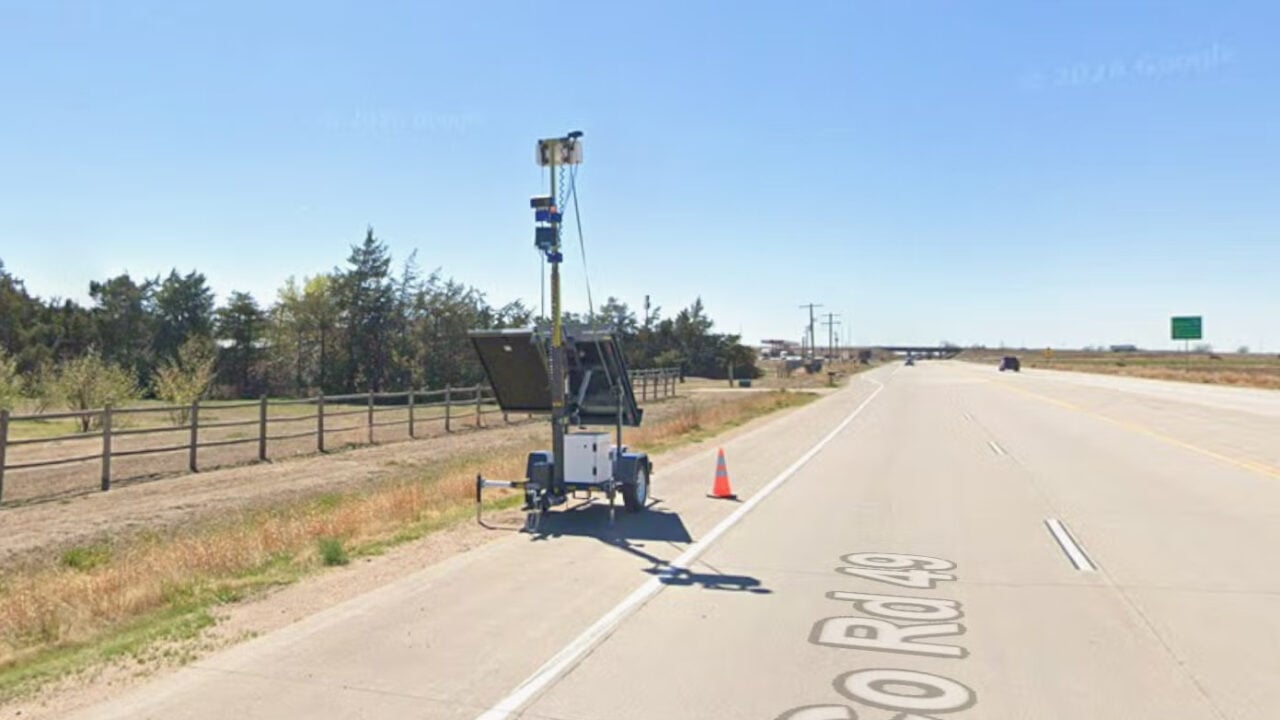
A small Colorado town has abruptly canceled more than $1.2 million worth of automated speeding tickets after intense public backlash over a controversial temporary speed camera setup that generated tens of thousands of citations in just a few weeks.
Officials in Hudson, Colorado, voted to void every ticket issued by a speed camera positioned along northbound Weld County Road 49. The town also plans to refund drivers who had already paid their fines after concerns emerged surrounding the camera’s placement and enforcement practices.
The decision followed weeks of complaints from drivers and local media scrutiny that questioned whether the enforcement zone had been set up fairly. According to town data, the single camera issued a staggering 31,353 tickets totaling roughly $1.25 million in fines during its short deployment.
For a town with a population of just over 1,600 residents, the numbers immediately raised eyebrows. At its peak, the camera averaged more than 760 citations per day.
One Temporary Camera Generated Massive Revenue
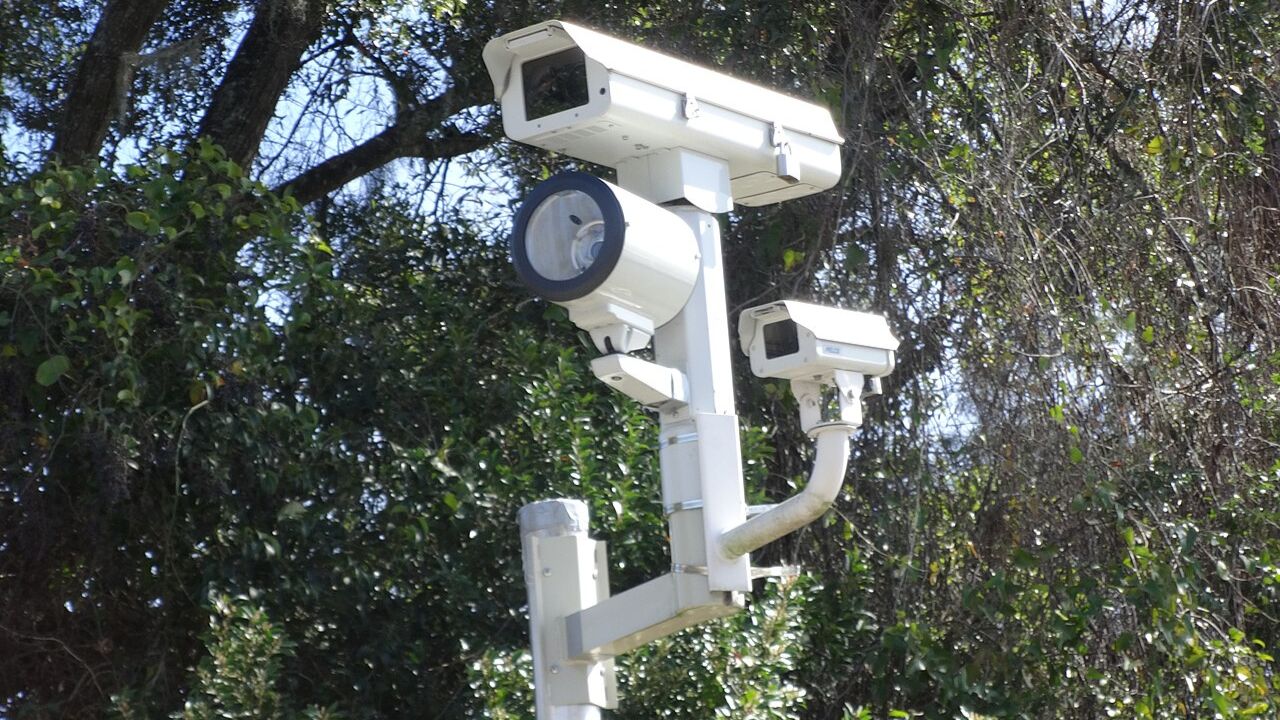
The speed camera reportedly operated for roughly six weeks before officials shut the program down. According to figures released by the town, drivers had already paid more than $666,000 before Hudson’s town council voted to void the tickets entirely. The town now plans to develop a formal refund process for affected motorists.
The situation quickly became controversial because of where the camera had been installed. Reports indicate the enforcement camera sat approximately 400 feet before a posted 55 mph speed limit sign while still actively enforcing a 40 mph zone. Complicating matters further, the nearest visible 40 mph sign was reportedly located roughly a third of a mile away near a gas station.
That setup triggered accusations that the town had effectively created a speed trap rather than a legitimate traffic-calming effort.
Town Officials Admit Problems With the Setup
After a lengthy executive session with the town attorney, Hudson Mayor Joe Hammock acknowledged that the rollout had significant issues. “After discussion, the camera placement was inadequate,” Hammock reportedly said following the meeting.
Town officials still maintain that speeding remains a serious concern along Weld County Road 49 and insist some form of automated enforcement may return in the future. However, they now plan to include a 30-day warning period before issuing citations if cameras are redeployed again.
That warning period became another major point of criticism during the controversy. Colorado law generally requires new speed camera systems to begin with a warning-only phase, though Hudson argued a previous warning period for another nearby camera installation satisfied the requirement. Critics strongly disagreed.
The Controversy Fuels Pushback Against Automated Enforcement
Hudson is not the first Colorado town recently forced to reverse controversial traffic-camera penalties. Earlier this year, the nearby town of Kersey also voided citations and refunded drivers after reports revealed some automated tickets exceeded legal fine limits established by local ordinances.
Those incidents have intensified scrutiny surrounding automated traffic enforcement throughout Colorado. State lawmakers have already responded by pushing for stricter regulations governing how municipalities deploy speed cameras, including stronger warning requirements and additional safeguards intended to prevent abusive enforcement practices. The proposed legislation is reportedly still awaiting the governor’s signature.
Critics Say the Camera Felt Like a Revenue Generator
The sheer volume of tickets generated by the Hudson camera became central to public outrage. More than 31,000 citations from a single temporary setup operating for only weeks created the impression that the camera was functioning more as a revenue source than a targeted safety measure.
Critics also questioned whether many drivers realistically had enough time to recognize the changing speed zone before reaching the enforcement area.
Traffic safety experts frequently argue that roadway design and infrastructure play a larger role in vehicle speeds than enforcement alone. Wide roads, visibility, lane design, and traffic flow often influence driver behavior more naturally than abrupt speed limit changes paired with automated cameras.
Hudson officials still insist speed mitigation is necessary in the area, though the town now faces the difficult task of rebuilding public trust before attempting any future enforcement program.
Drivers Will Now Receive Refunds
The town council has instructed staff to develop a refund plan for drivers who have already paid citations tied to the camera. Officials are expected to present details during an upcoming town meeting. For affected drivers, the reversal represents an unusually rare outcome.
Automated enforcement disputes rarely end with entire ticket programs being canceled outright, especially after hundreds of thousands of dollars have already been collected.
In Hudson’s case, however, the combination of public backlash, questionable camera placement, and mounting legal scrutiny proved too difficult for local officials to ignore.