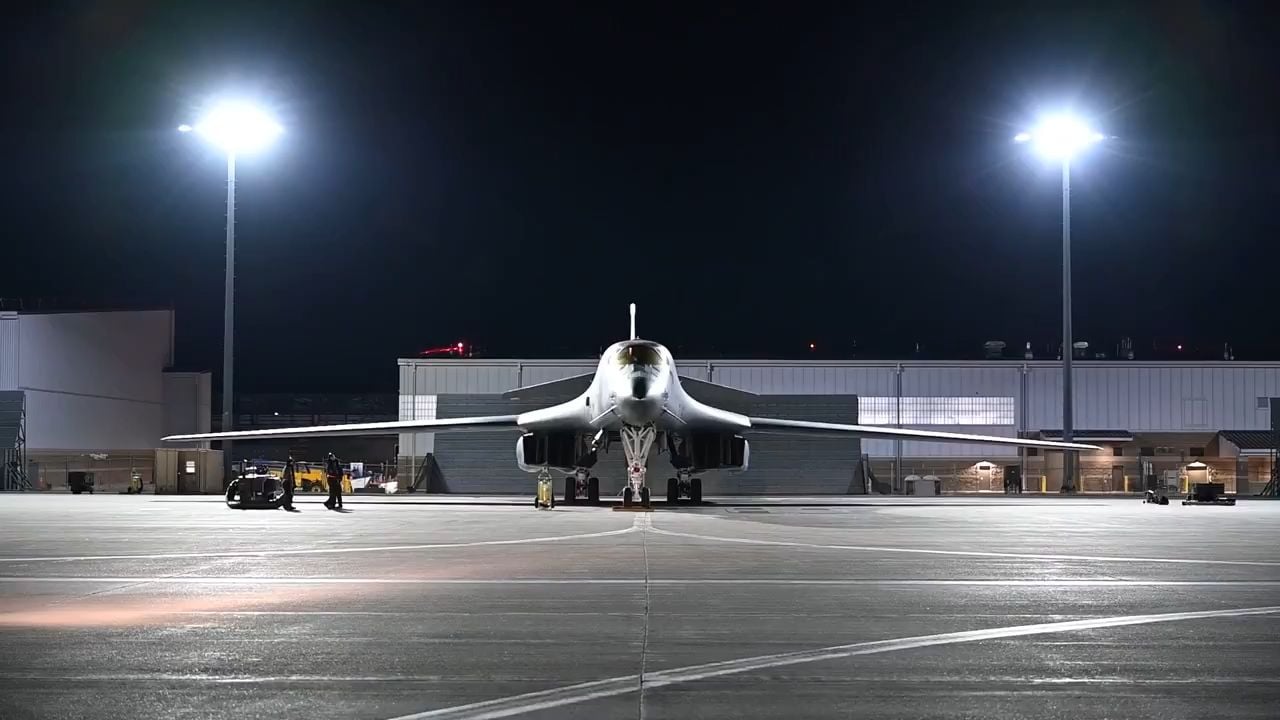

In a major escalation of its air campaign against Iran, the United States just deployed the supersonic B-1 Lancer in a high-profile strike that analysts say signals a decisive shift in air superiority.
According to a report published on MSN, U.S. Central Command confirmed that B-1 bombers struck deep inside Iranian territory, targeting ballistic missile facilities and command infrastructure.
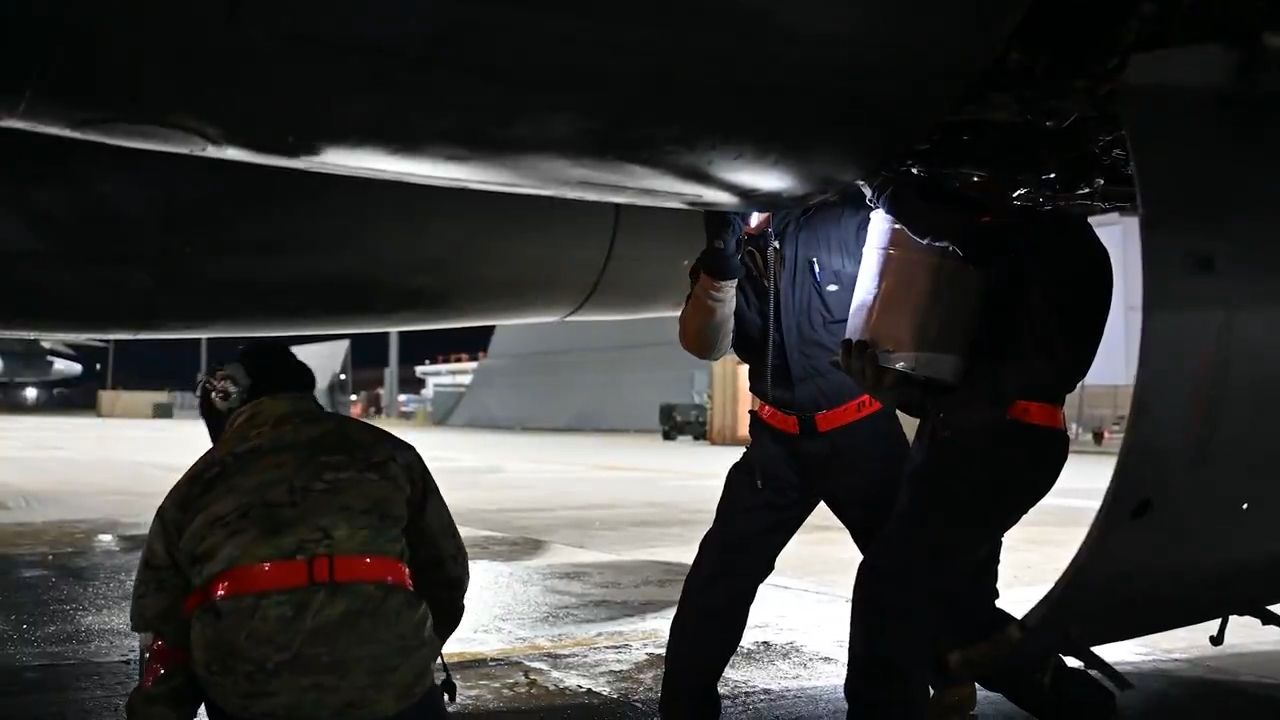
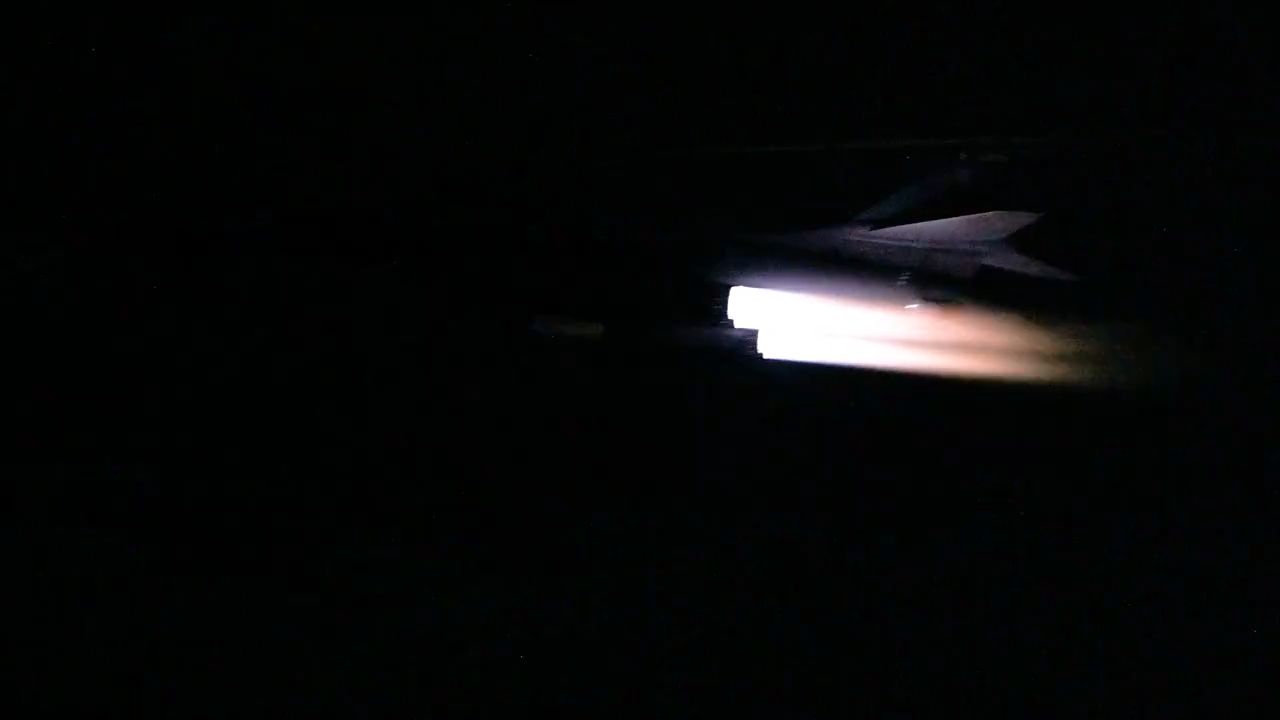
The announcement was accompanied by a 45-second video released on X by United States Central Command, showing the bombers lifting off under the cover of darkness. The message read bluntly:
“Last night, B-1 bombers struck deep into Iranian territory, neutralizing its ballistic missile capabilities. As the President stated, ‘we’re going to destroy their missiles and raze their missile industry to the ground.'”
Flight Data Reveals Long-Range Operation
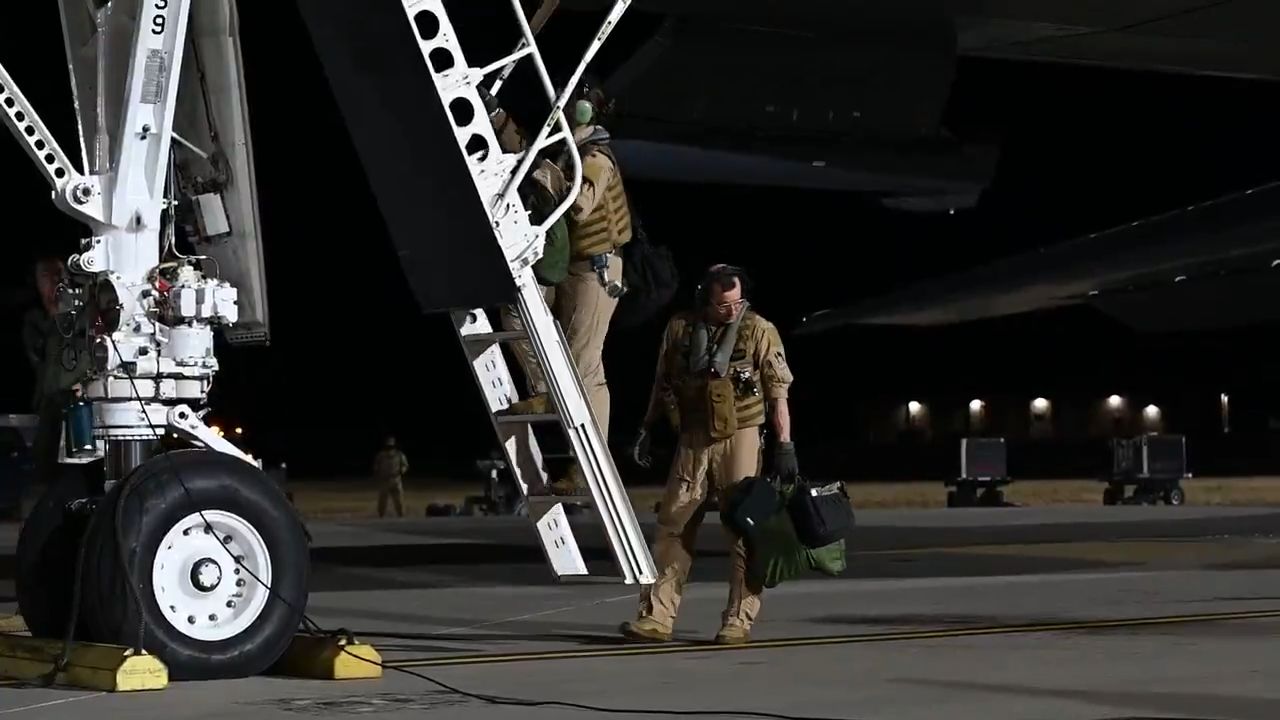
Israeli outlet The Times of Israel tracked flight data and reported that three B-1s departed Ellsworth Air Force Base in South Dakota before executing a nighttime strike inside Iran.
The targets reportedly included ground-based ballistic missile bases and command-and-control facilities. The specific munitions used have not been disclosed.
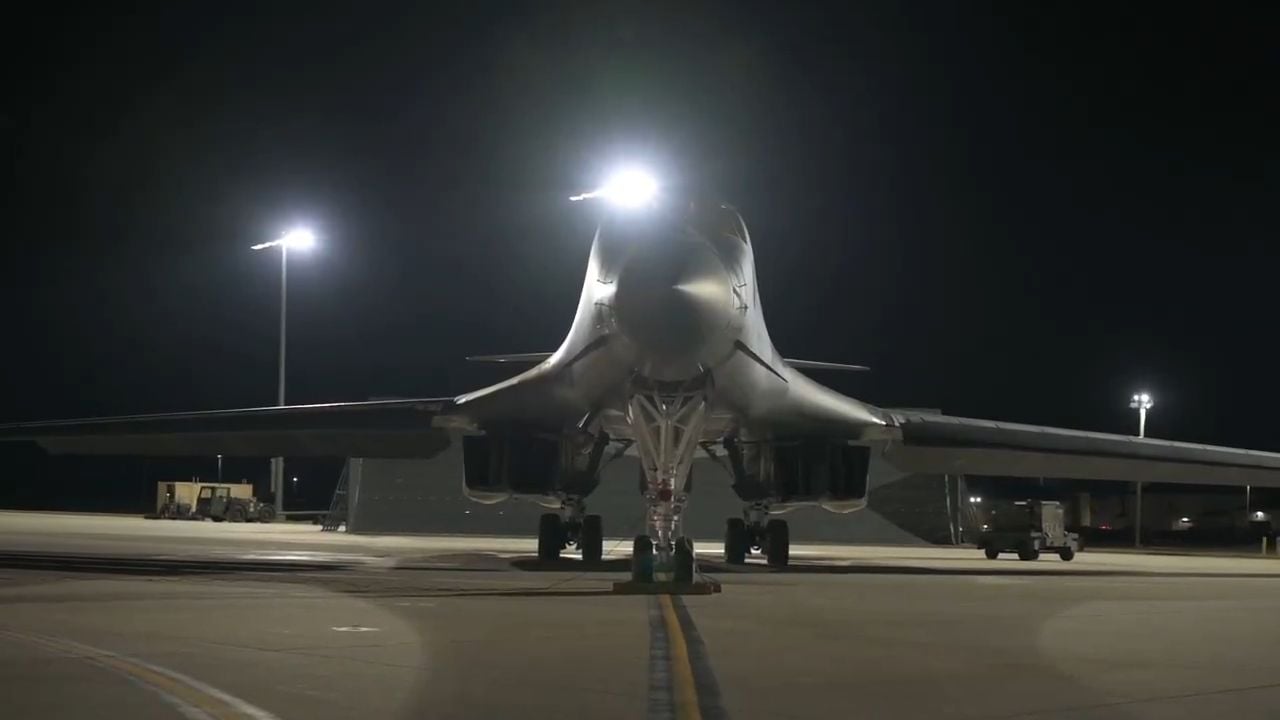
The operation forms part of a broader campaign dubbed “Epic Fury.” In its opening phase, the U.S. deployed the stealthy B-2 Spirit from Whiteman Air Force Base in Missouri.
The B-2s conducted long-range sorties supported by aerial refueling and dropped 907-kilogram precision bombs against hardened underground sites and air defense networks. Their role was punching holes in Iran’s integrated air defenses and pave the way for follow-on aircraft.
That follow-on now appears to be the B-1 Lancer.
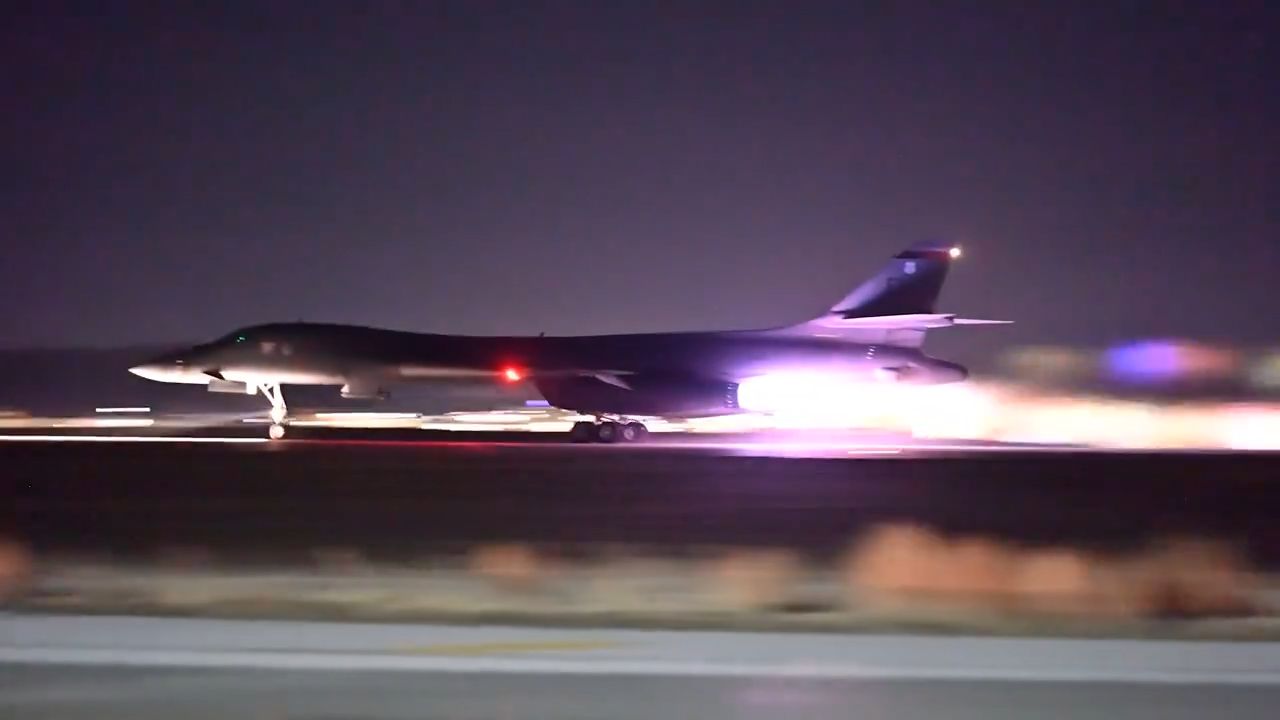
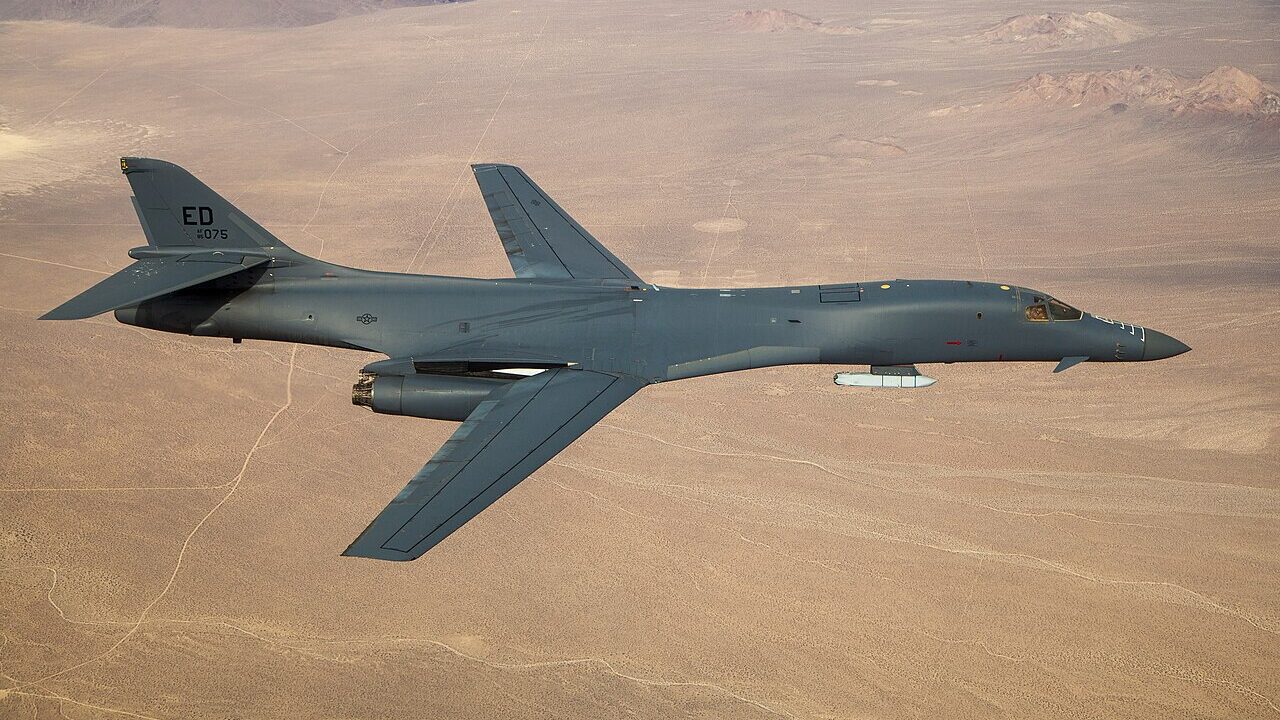
Unlike the B-2, the B-1 is not a stealth bomber in the pure sense. It does not rely on radar invisibility to approach targets. Instead, it combines speed, payload, and low-altitude penetration tactics. With a top speed of Mach 1.25 and a low-level cruising speed near Mach 0.92, the aircraft can rapidly traverse continents and reposition with remarkable agility.
It is powered by four afterburning turbofan engines and features variable-sweep wings that optimize performance for both high-speed dashes and stable low-altitude flight.
The “Bone”
Nicknamed “Bone,” derived from B-One, the aircraft is one of the most versatile conventional bombers in the U.S. arsenal. It can carry up to 34 tons of ordnance, including guided bombs and long-range cruise missiles.
This capacity allows it to deliver heavy payloads in a single sortie or launch precision strikes from hundreds of miles away.
The B-1B variant in service today incorporates low-observable design elements that reduce its radar cross-section compared with earlier models, though it lacks the B2’s all-aspect stealth shaping.
Its doctrine emphasizes terrain-following radar, enabling it to fly at ultra-low altitudes that mask its approach behind natural terrain features. Even if detected, its speed and maneuverability allow rapid exit from contested airspace.
Military outlet 1945 noted that during the first day of “Epic Fury,” stealth platforms such as the B-2 and F-35 fighters were necessary to dismantle Iran’s air defenses.
The subsequent appearance of B-1 bombers over target areas suggests that the suppression campaign succeeded. In other words, the skies had been sufficiently cleared to allow a non-stealth strategic bomber to play.
The B-1’s History and Strategic Message
The B-1’s combat résumé reinforces its role as a precision strike workhorse.
It first saw combat in 1998 during Operation Desert Fox, authorized by then-President Bill Clinton, targeting Iraqi facilities linked to weapons of mass destruction.
In 2001, it participated in Operation Enduring Freedom, striking Taliban and al-Qaeda positions in Afghanistan. More recently, it has been deployed in missions aimed at neutralizing air defenses in high-risk theaters.
Last night, U.S. B-1 bombers, struck deep inside Iran to degrade Iranian ballistic missile capabilities. As the President stated, “we’re going to destroy their missiles and raze their missile industry to the ground.” pic.twitter.com/tIkIo5ugWv
— U.S. Central Command (@CENTCOM) March 2, 2026
U.S. Central Command has framed the latest strikes in stark terms, pledging to dismantle Iran’s missile industry entirely. Foreign media reports indicate that within the first 48 hours, U.S. and Israeli forces may have struck between 1,000 and 2,000 military facilities across Iran in successive waves.
To recap: The message behind the B-1’s deployment is as significant as the bombs it carried. Stealth may open the door, but speed and payload exploit the breach. The Lancer’s arrival over Iran signals that the airspace above key missile sites may no longer be contested.
Sources: The CHOSUNILBO