Xiaomi has rapidly become one of the biggest success stories in China’s electric vehicle market, but the company’s latest financial results show that explosive growth is not yet translating into profits.
The technology giant reported strong vehicle sales during the first quarter of 2026, delivering more than 80,000 electric vehicles and generating nearly $3 billion in automotive revenue. Demand for its products remains strong, with both its sedan and SUV lineups attracting significant interest from Chinese buyers.
Despite those impressive numbers, Xiaomi’s automotive division continues to operate deep in the red. According to the company’s latest earnings report, its smart EV and AI innovation business posted an operating loss of 3.1 billion yuan, or roughly $457 million.
When divided across vehicle deliveries, that works out to a loss of approximately $5,600 for every vehicle Xiaomi sold during the quarter.
Sales Continue To Climb
Xiaomi delivered 80,856 vehicles during the first three months of 2026, representing a 6.6 percent increase compared to the same period last year. Automotive revenue reached 19 billion yuan, equivalent to roughly $2.8 billion.
The company’s average selling price was approximately 235,000 yuan, or about $34,600 per vehicle. That places Xiaomi’s products firmly in the mainstream EV market rather than the premium luxury segment.
Growth was supported by the launch of newer products, particularly the YU7 crossover lineup. Xiaomi noted that reduced deliveries of the first-generation SU7 sedan were offset by strong demand for its newer models.
The company also reported that the updated SU7, launched in March, accumulated more than 80,000 firm orders by early May.
Why Are Losses Growing?
The surprising part of Xiaomi’s report is not that the company remains unprofitable. Many automakers, particularly newer EV manufacturers, lose money while scaling production and expanding market share.
What stands out is that losses per vehicle have increased significantly compared to a year ago. During the first quarter of 2025, Xiaomi reportedly lost roughly $900 per vehicle sold. In the latest quarter, that figure jumped to approximately $5,600 per vehicle.
Several factors contributed to the deterioration. Xiaomi cited vehicle purchase tax subsidies, a lower mix of higher-margin models, and rising component costs as key reasons for the weaker financial performance.
The company’s automotive gross margin also declined from 23.2 percent in the first quarter of 2025 to 20.1 percent this year.
That remains a respectable margin compared to many startup automakers, but it was not enough to offset operating expenses and ongoing investments.
Expansion Remains A Priority
Xiaomi continues investing heavily in its automotive ambitions. By the end of March, the company had expanded its retail network to 490 sales stores across 143 cities throughout mainland China.
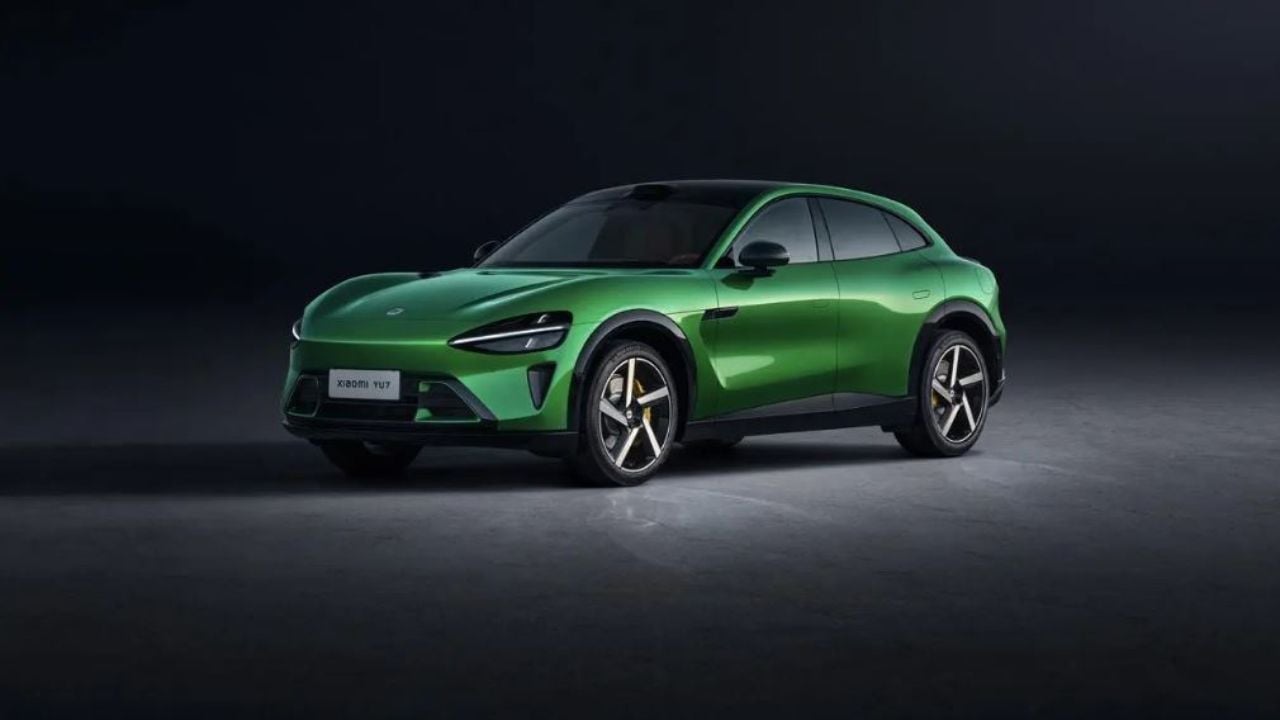
The YU7 SUV family has become a particularly important growth driver. Xiaomi says the model has accumulated 232,000 deliveries within just 10 months of launching.
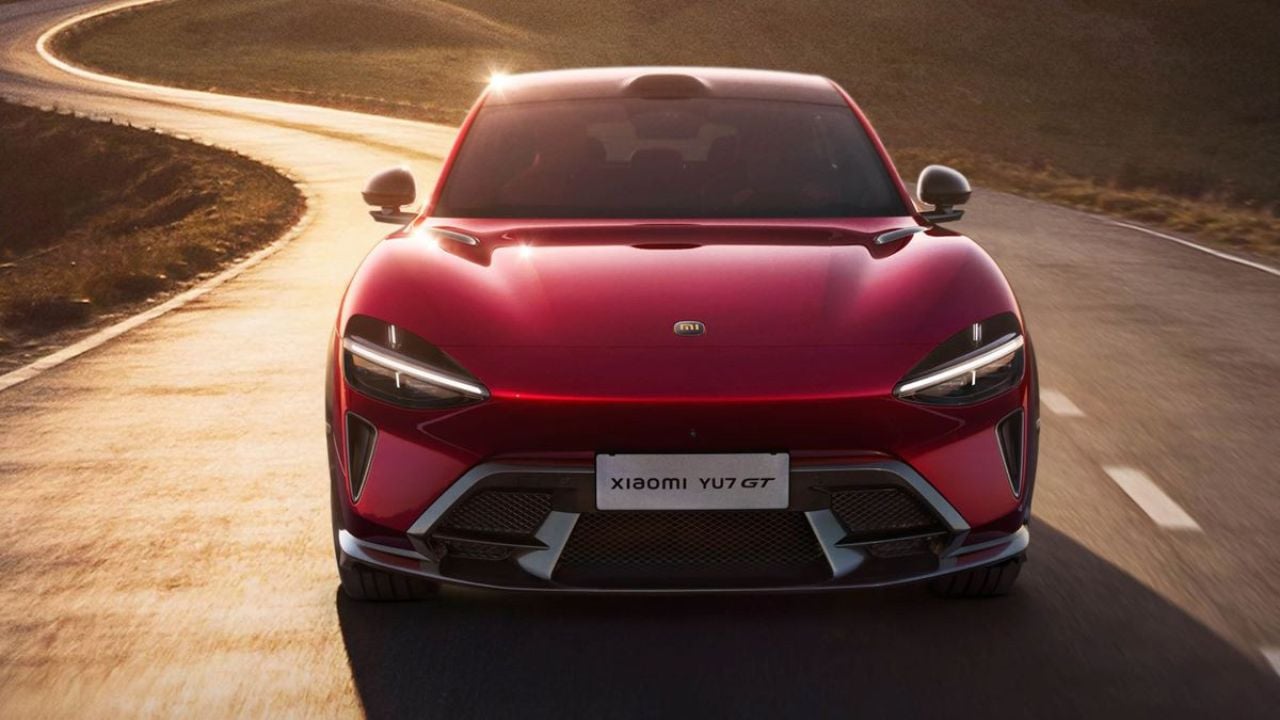
Higher-end versions are also helping broaden the company’s reach. The recently introduced YU7 GT starts at nearly 390,000 yuan, or roughly $57,300, while the standard YU7 begins at around $34,300. Those prices allow Xiaomi to compete across multiple segments of China’s fiercely competitive EV market.
Growth Today, Profits Tomorrow?
While losing thousands of dollars on every vehicle sold may sound alarming, Xiaomi is far from alone. Many EV manufacturers have accepted short-term losses in exchange for rapid growth, production scale, and market share.
The company’s sales momentum remains strong. In April alone, Xiaomi sold 36,702 vehicles, representing a 28.4 percent increase compared to the same month last year and a massive 71.2 percent jump from March.
The challenge now is turning that demand into sustainable profitability. Xiaomi has demonstrated that it can build vehicles people want to buy. The next phase of its automotive journey will depend on whether it can lower costs and improve margins without slowing its growth. For now, Xiaomi’s EV business remains a high-growth operation that is still paying a steep price for expansion.