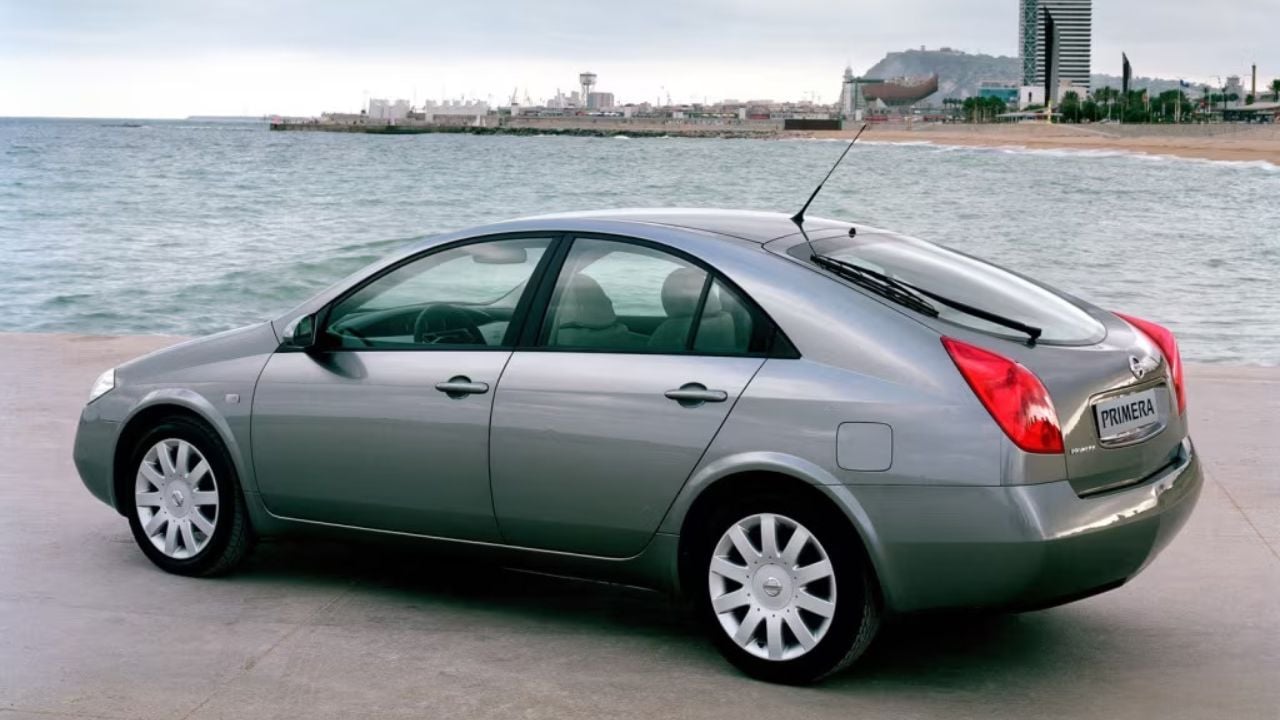
The Nissan Primera was once a reliable and rational choice in the D segment, a car that did not chase attention but won buyers over with consistency. More than a decade after disappearing from the market, the Primera name could return, but in a very different form and with a very different mission.
According to documents that appeared through the Philippine Department of Energy, the new model could be a fully electric sedan measuring about 194 inches long, with a wheelbase of roughly 114.8 inches. Those dimensions place it in a class closer to models such as the Mercedes E Class, which suggests Nissan may be aiming much higher than the Primera ever did in the past.
That alone would make the return interesting. The original Primera was known as a practical family car, not a premium-leaning electric sedan. A revival in this form would signal a major repositioning of the nameplate.
The Dongfeng Nissan Connection Raises Questions
The most interesting detail is not the size, but the origin of the vehicle. The technical specifications listed so far include an electric motor producing 212 hp and 225 lb ft of torque, along with a 60 kWh battery and a claimed range of up to about 311 miles.
Those figures are identical to the Dongfeng Nissan N7. That raises an obvious question: would the new Primera really be a new car, or simply a carefully rebadged version of an existing model?
Behind this strategy is Nissan’s long-running cooperation with Chinese partner Dongfeng Motor Corporation. That partnership has produced models developed mainly for the Chinese market. Now, it appears some of those vehicles may be looking for a path to a wider global audience, but under more familiar names.
A Sign Of The Industry’s New Reality
If these details are confirmed, the new Primera could become a symbol of industrial reality rather than a technological revolution. Development costs are rising, competition is becoming harsher, and automakers are increasingly looking for ways to share platforms, designs, and even full vehicle identities.
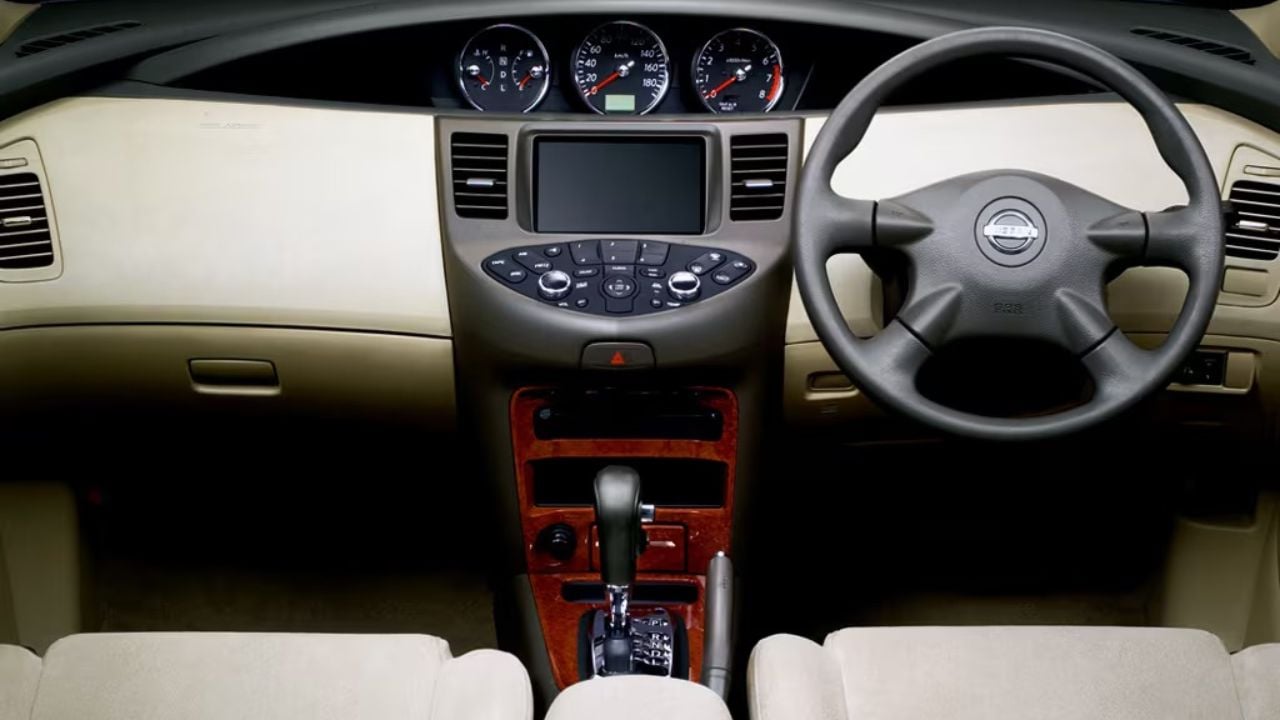
That does not automatically mean the car will lack quality. On the contrary, the expected equipment appears generous. Features could include ventilated, heated, and massaging seats, along with a large 15.6-inch central touchscreen.
Still, the basic point remains. This could be a car shaped more by economies of scale than by engineering bravery.
For Nissan, that may be practical. The company needs competitive electric models in more markets, and adapting an existing Chinese-developed sedan could be faster and cheaper than creating a completely new vehicle from the ground up.
The Original Primera Had Its Own Identity
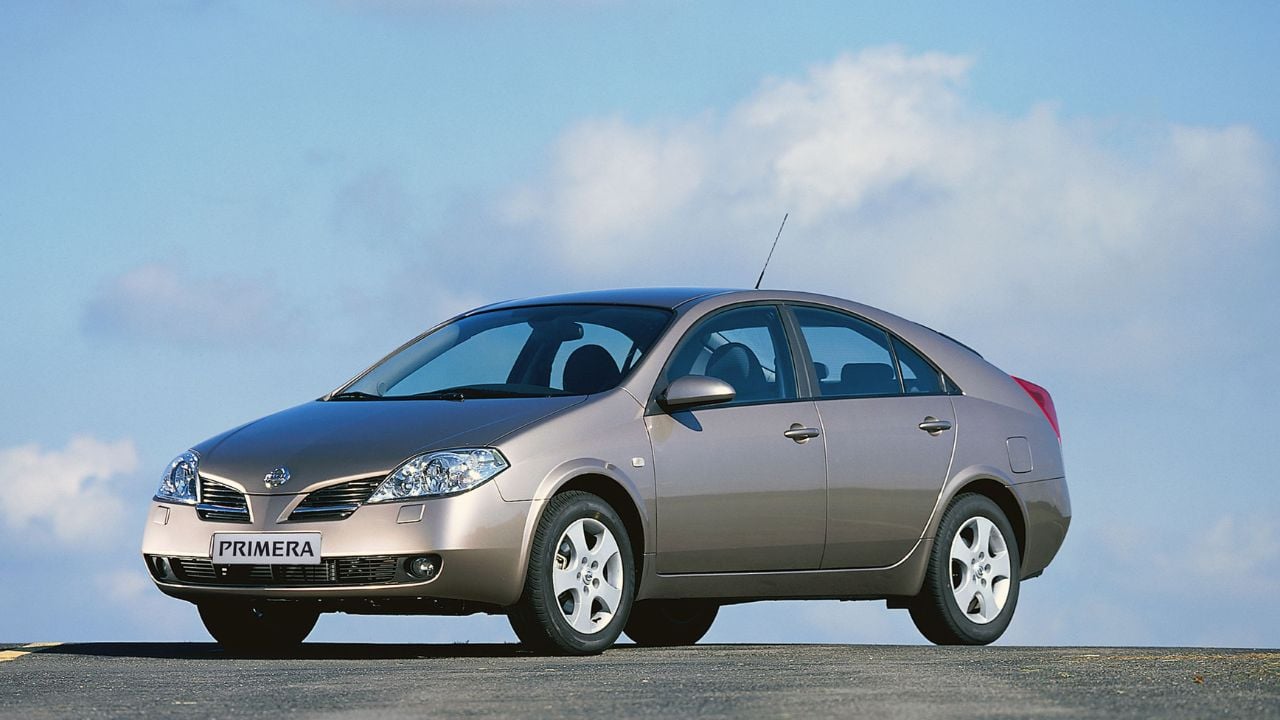
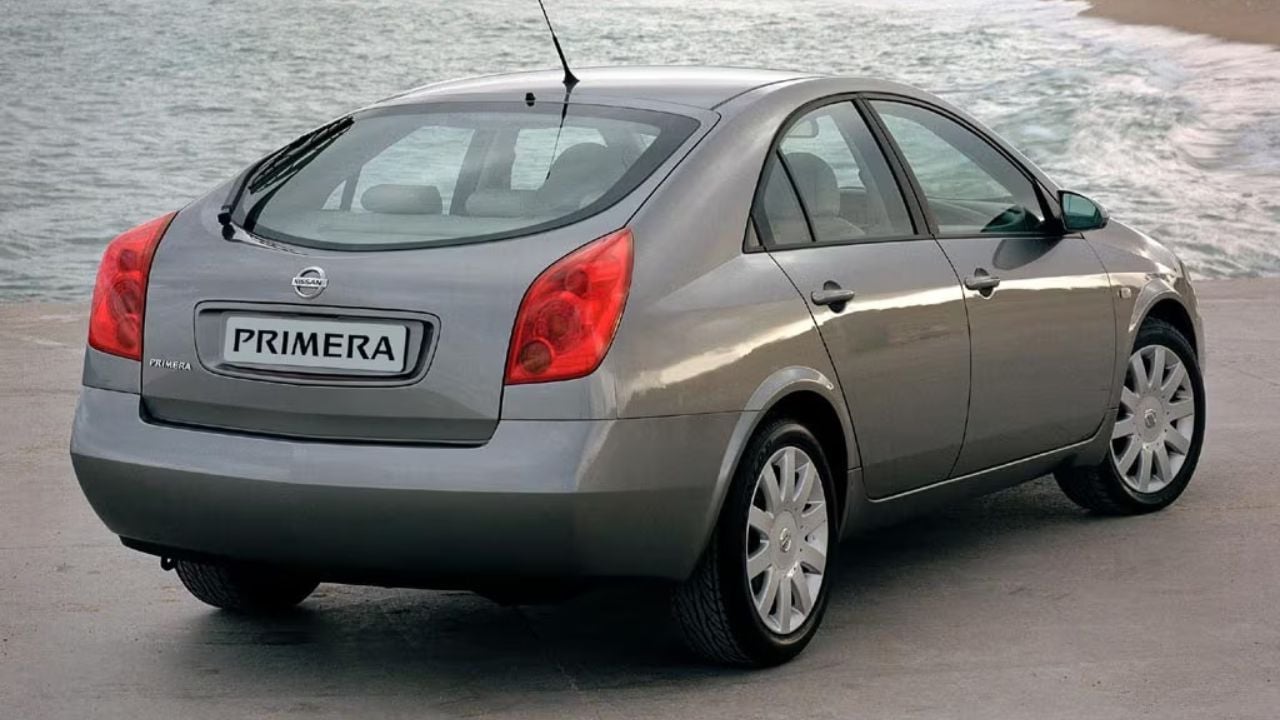
Historically, the Primera was much more than a name. Across three generations, it was offered with a wide range of gasoline and diesel engines, along with several body styles, including sedan, hatchback, and wagon versions.
It shared technical foundations with models such as the X Trail and Sentra, but it still had its own identity. It was a sensible, well-engineered family car that built its reputation through road manners, dependability, and everyday usability.
In the battery electric era, that identity is less clear. If the new Primera turns out to be a reinterpretation of the Chinese market N7, it will become another example of global standardization, where the badge carries emotion but the product carries compromise. That may be the biggest challenge for Nissan. Bringing back a familiar name is easy. Bringing it back with enough character to feel meaningful is much harder.
If the Primera returns, Nissan will need to prove that it is not simply reviving a badge for recognition. It will need to show that the car still has a reason to exist beyond nostalgia.
This article originally appeared on Autorepublika.com and has been republished with permission by Guessing Headlights. AI-assisted translation was used, followed by human editing and review.