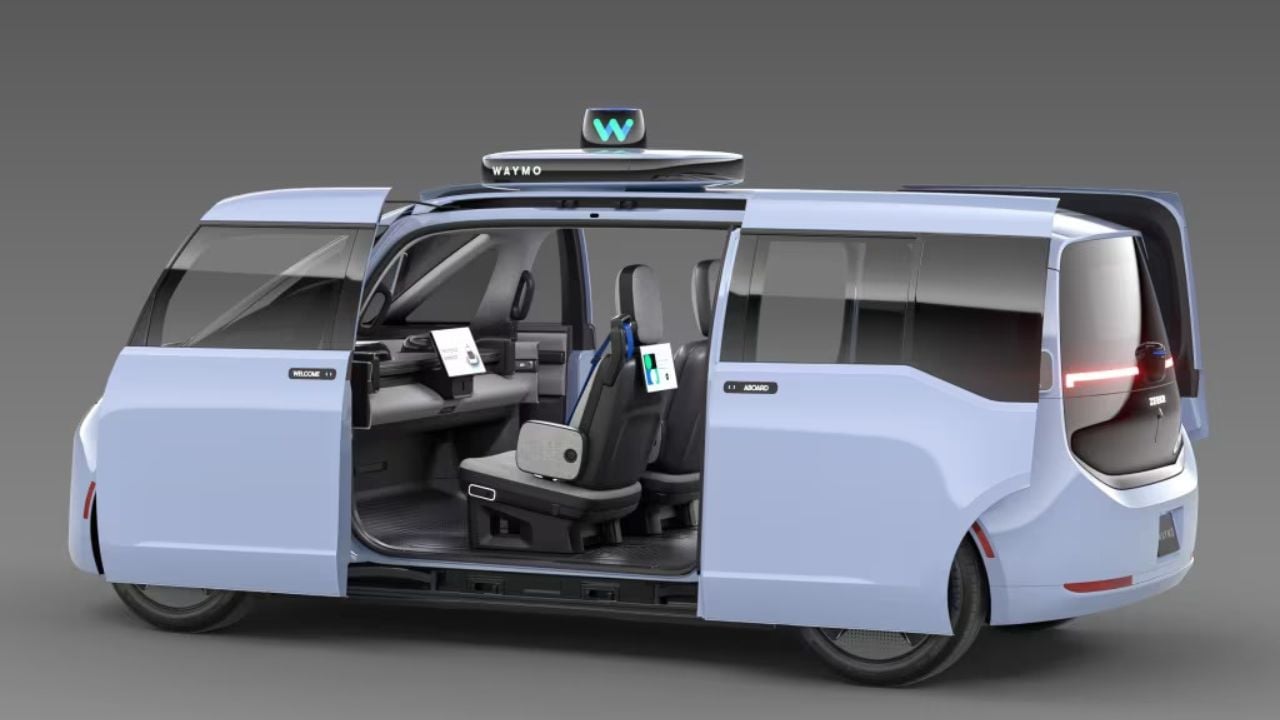
The development of autonomous vehicles has moved faster in recent years than lawmakers could respond to. That gap between technology and regulation was especially visible in California, where a legal vacuum allowed robotaxis to operate with very limited direct responsibility for traffic violations.
Police officers had been facing an almost absurd situation. If an autonomous vehicle committed a traffic violation, responsibility was assigned to the person behind the wheel.
The problem was obvious: in many cases, there was no person there. Without a driver, the legal system had almost no one to fine.
Manufacturers Now Carry Responsibility
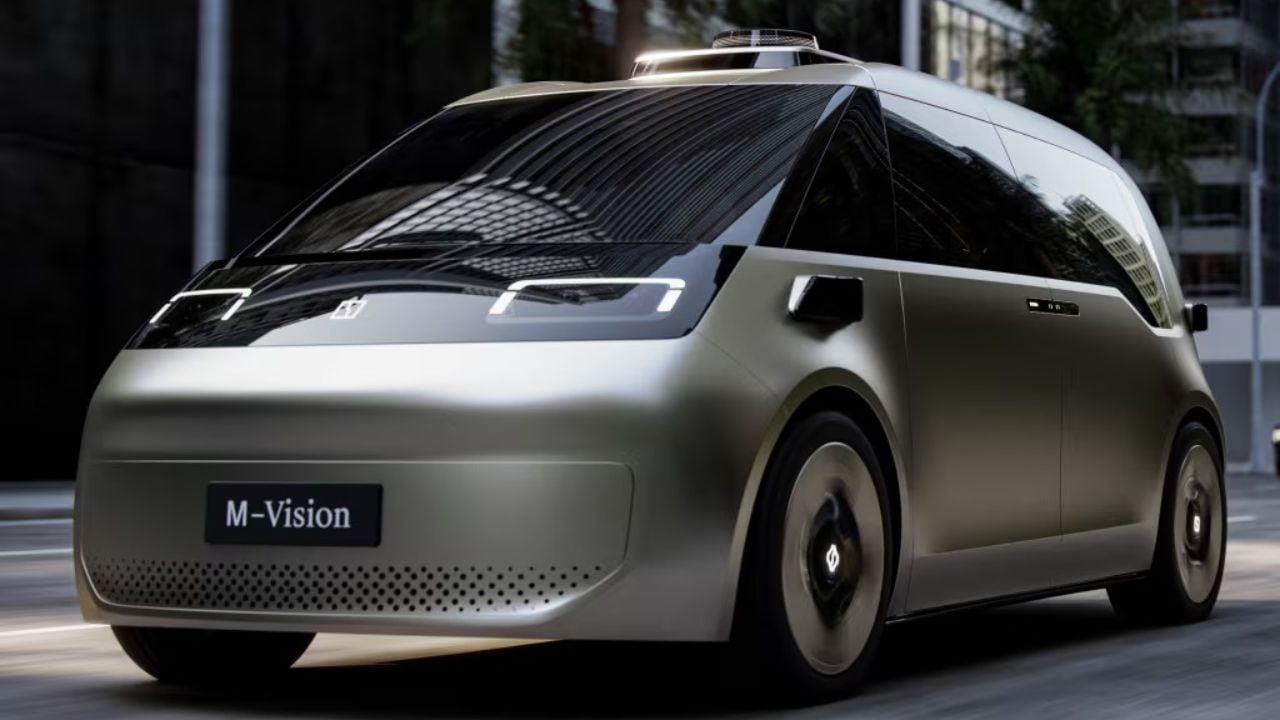
The new regulation, known as Assembly Bill No. 1777, introduces clearer rules and, more importantly, defines responsibility. Instead of looking for a driver, the law now treats the manufacturer as the responsible party. In other words, the company that develops and operates the autonomous vehicle becomes the legal equivalent of the driver.
That changes the entire dynamic of the industry. If a robotaxi violates traffic law, authorities can now issue an official notice of noncompliance directly to the manufacturer. Companies must report such cases within 72 hours, while crashes or more serious incidents must be reported within 24 hours.
Agencies such as the California Department of Motor Vehicles also receive greater authority. They can limit fleet size or even suspend permits for companies that repeatedly violate the rules.
Emergency Response Gets Special Attention
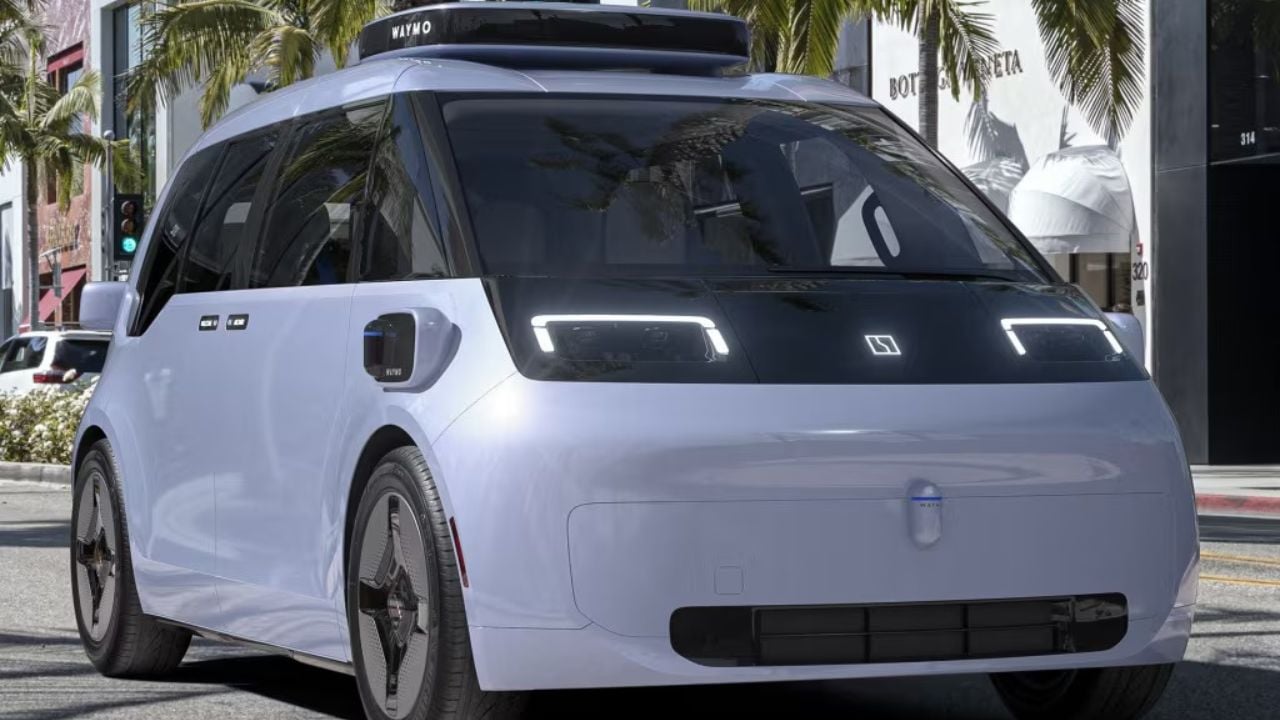
One of the main reasons for these changes comes from real incidents on the road. Autonomous vehicles have interfered with emergency services several times, blocking firefighters or ambulances.
The new law therefore requires robotaxis to respond to commands from first responders. Using geofencing, vehicles will also be able to avoid certain zones during emergencies, reducing the risk of interfering with rescue operations.
That requirement is especially important in dense urban areas, where a blocked intersection or delayed emergency vehicle can have serious consequences. Autonomous vehicles are no longer being treated only as experimental technology but as active participants in public traffic.
Autonomous Trucks Get A Path Forward
Perhaps the most significant change comes from another part of the industry. Heavy trucks equipped with autonomous technology are now being allowed onto California highways.
The previous ban on vehicles weighing more than about 10,000 pounds has been lifted, but only under strict conditions. Before they can operate in fully autonomous mode, these trucks must complete at least 500,000 miles of testing with a safety driver.
This opens the door to a major transformation in logistics. Autonomous freight transport promises greater efficiency and lower costs, but it also raises new questions about safety, oversight, and responsibility.
California Sets A New Balance
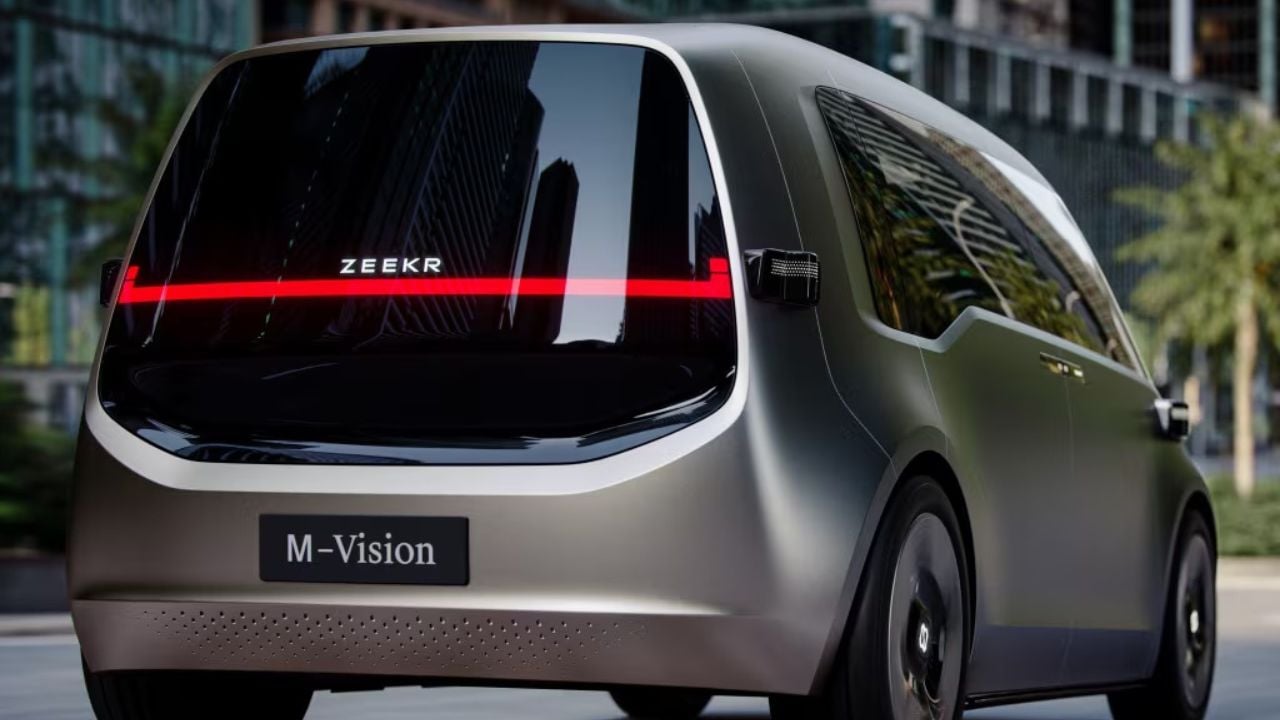
California has once again shown that it remains a laboratory for the future of mobility. This time, however, the approach is different.
Instead of letting innovation move ahead of regulation, the state is trying to create balance. Technology can still advance, but now it must do so with clearer rules.
In an era when cars are increasingly thinking for us, the law has had to learn how to think about them.
This article originally appeared on Autorepublika.com and has been republished with permission by Guessing Headlights. AI-assisted translation was used, followed by human editing and review.