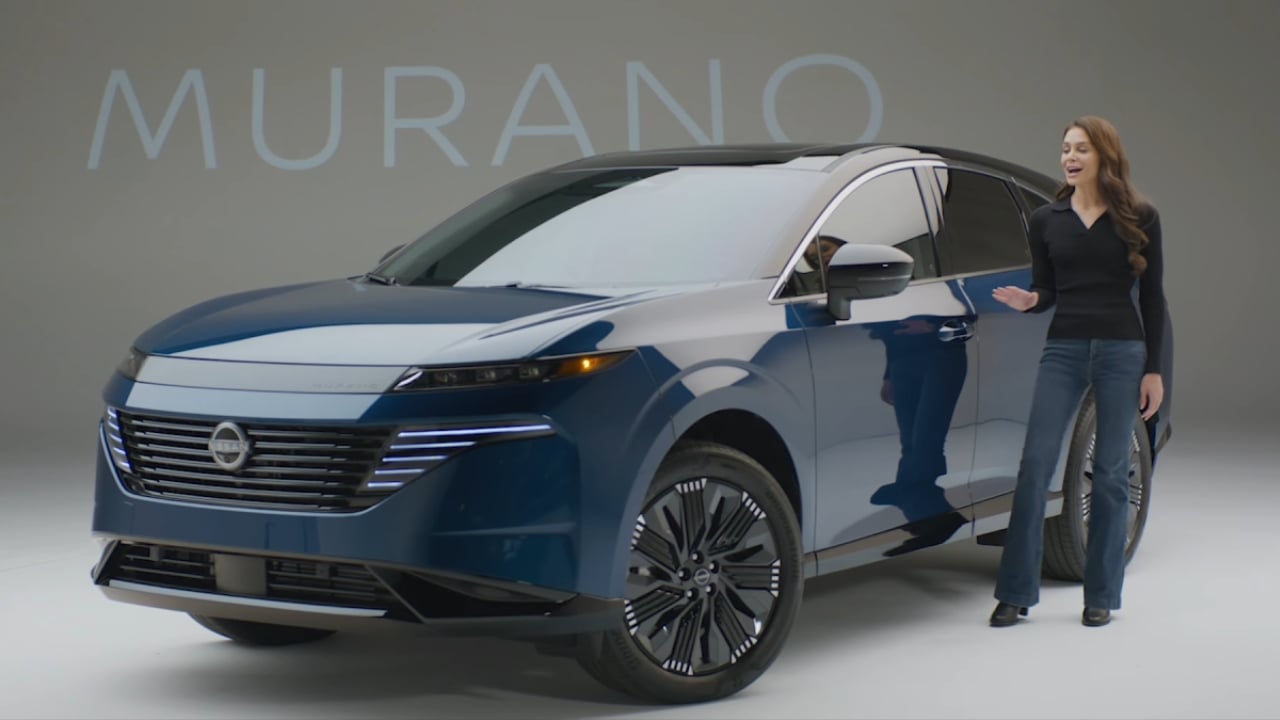
Japanese car brands are currently turning towards US-built products to help fill up lineups back home. This came about after President Trump signed a trade agreement in 2025 that allowed US-made vehicles to be imported into the country, so some Japanese manufacturers are using it to full effect, such as Toyota and Nissan.
The Tundra, Highlander, and Murano are two of the cars that can now be imported into Japan. All three cars will be built in America before they are exported overseas. However, if you take a look at the Nissan and Toyota websites, Japanese buyers are getting an interesting note.
In fact, both brands are warning, in a slight twist of irony, that the American-built trucks and SUVs may not match the quality of those built in Japan. Nissan has put out a couple of statements on the matter and stated that, as the vehicles are built for an overseas market, the quality is different from that in Japan.
It is ironic, given the current administration’s push towards producing more and more items in the United States, rather than importing them. Both companies have even warned that some features may not work in Japan, or aren’t even homologated.
What Toyota and Nissan’s Notices Read
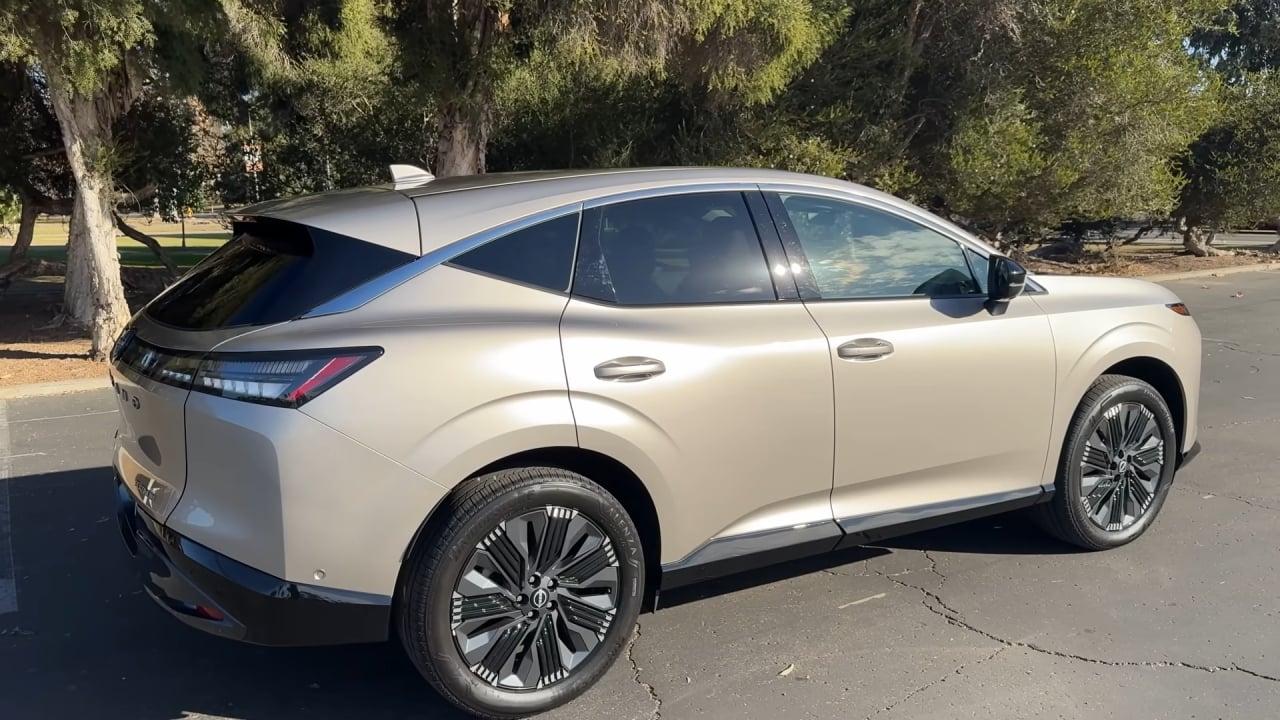
Nissan has a notice on the Japanese webpage for the Murano. It says, “This vehicle is manufactured to specifications intended for overseas markets and differs in quality standards applied to vehicles destined for the Japanese domestic market.” The note also adds that the SUV may have other problems, such as sealant residue traces and dust particles in the paint.
Panel gaps are also mentioned as being a potential problem. Nissan did, however, add that “These differences do not affect the vehicle’s functionality or performance, so you may use it with confidence.” So the message from Nissan is that, while there will be overall quality differences, these will not affect how the car drives and performs.
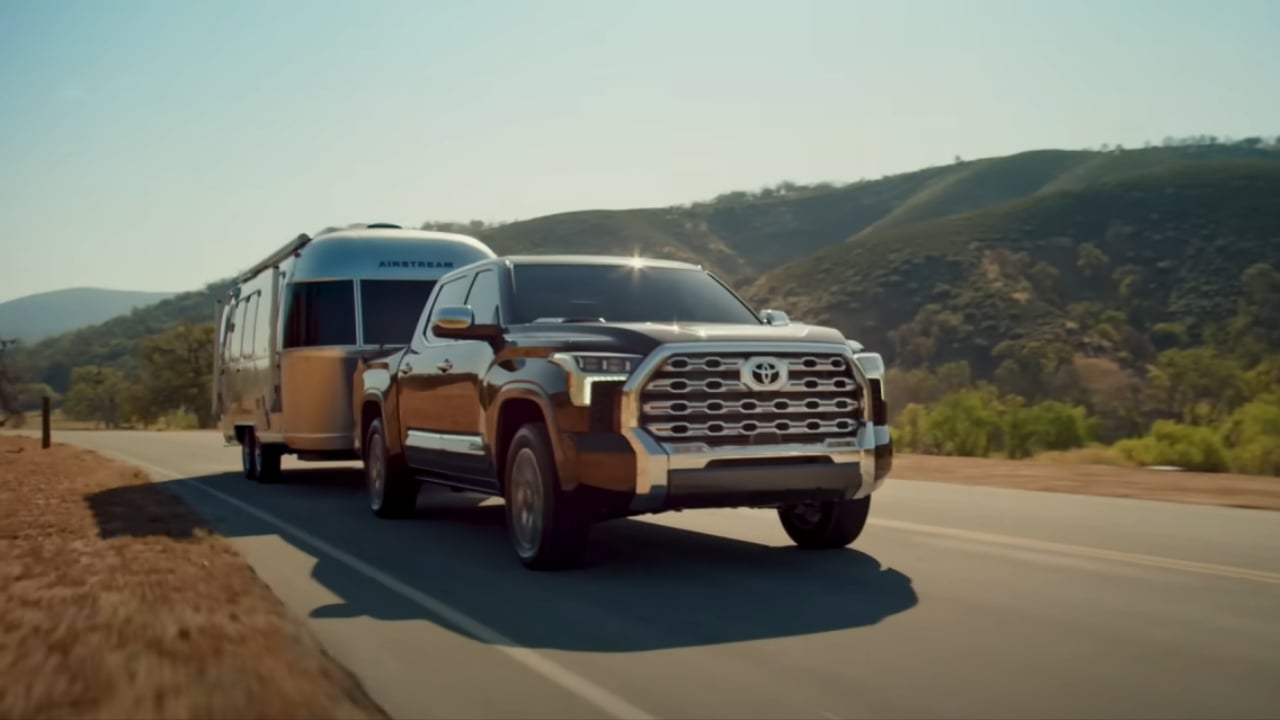
Toyota has also added its own warning to the Japanese webpage for the Tundra and Highlander vehicles. Referencing the paint, they say they are “designed for overseas markets,” and that customers could spot thinner paint, polishing marks, or even dents across the bodywork.
Are There Other Differences Between the Exported Models?
There are other things Japanese customers might notice on the imported vehicles. For example, the US-export Nissan Murano is left-hand drive, but Japan is a right-hand drive market. Perhaps more annoying for customers is that the instrument cluster and display audio come only in English, Spanish, and French. Japanese isn’t supported.
NissanConnect services are also not available in Japan, nor is AM/FM radio. The reverse buzzer also does not function, and the Murano can’t receive or display terrestrial digital TV signals. So there are big differences between the exported versions and the ones produced in Japan. How annoying those are for Japanese customers remains to be seen, although we imagine the worst of those will be the inability to select Japanese as a language. The cars, and those from Toyota, do come with emergency smoke flares, plus unique license plate brackets, which are required to comply with Japanese market standards.