
Fresh revelations reported by The Sun have brought renewed attention to one of China’s deadliest aviation disasters in recent years, suggesting that Chinese authorities may have known far more about the cause of the crash than they previously let on.
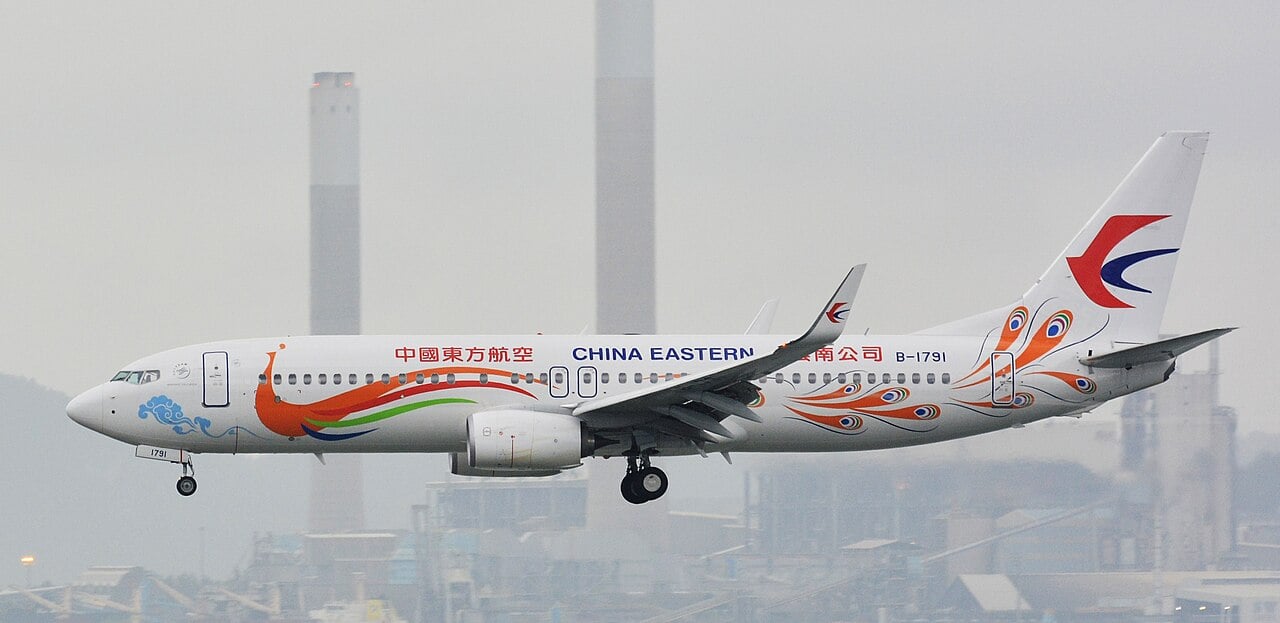
The incident involves China Eastern Airlines Flight 5735, a Boeing 737 that went down on March 21, 2022, killing all 132 people on board.
The aircraft was en route from Kunming to Guangzhou when it slammed into mountainous terrain in the Guangxi region at an estimated 350 miles per hour.
According to The Sun report, newly surfaced findings from U.S. investigators claim Chinese authorities had early indications that the crash was not accidental.
Inside the Final Moments of the Flight
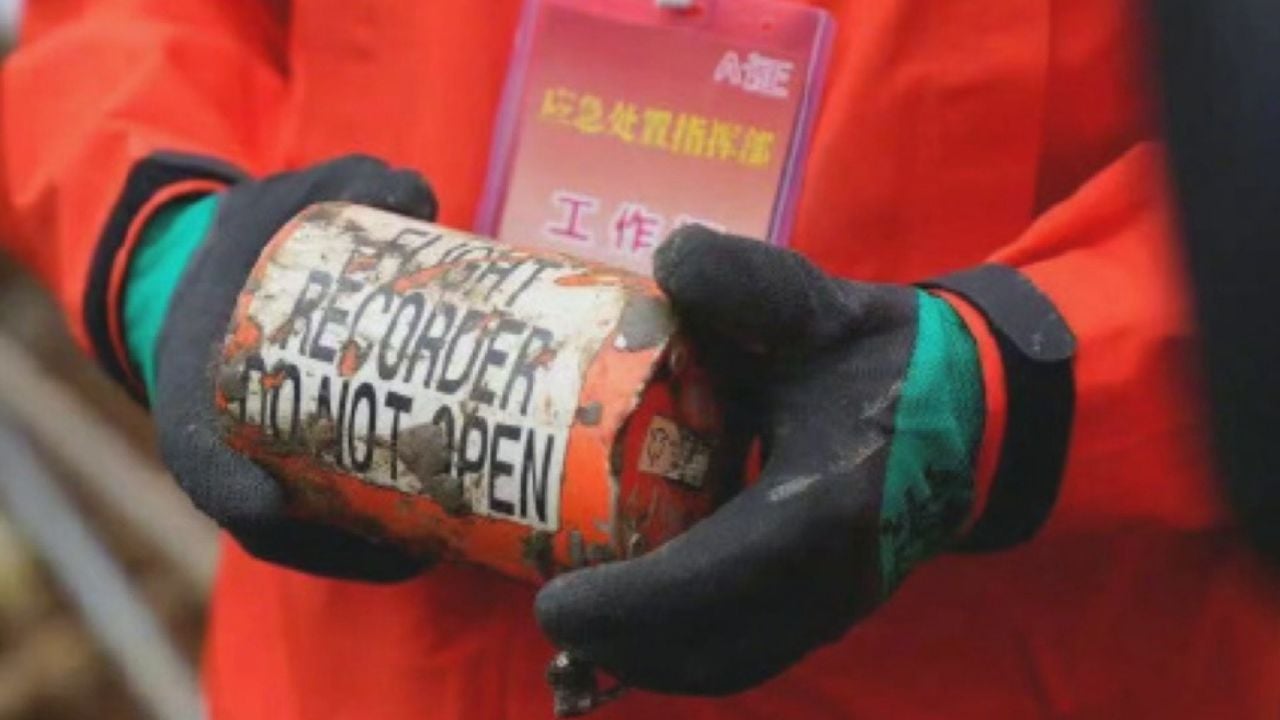
Data recovered from the aircraft’s black boxes and analyzed by the National Transportation Safety Board paints a disturbing picture of the plane’s final minutes.
The aircraft was cruising at approximately 29,000 feet when both engine fuel switches were moved from the run position to cut-off. This action effectively starved the engines of fuel, causing a rapid loss of thrust.
Investigators also uncovered evidence of a physical struggle in the cockpit.
Flight control data suggests that one pilot forced the aircraft into a steep nosedive while another attempted to regain control. The conflicting inputs created a violent and irreversible descent.
Cockpit voice recordings reportedly captured the exchange between the pilots during these final moments. While the contents of those recordings have not been publicly released, a transcript has been shared with Chinese authorities.
Notably, no distress call or emergency signal was transmitted before impact.
Allegations of Concealment and Global Scrutiny
One of the most controversial aspects of the case is the conclusion that Chinese officials withheld critical findings from the public.

Despite the scale of the tragedy, Beijing has yet to release a full official report detailing the cause of the crash. Authorities previously stated that releasing such information could threaten national security and social stability.
This stance has fueled frustration among victims’ families and intensified international scrutiny.
Earlier reporting by The Wall Street Journal had already hinted at deliberate human action, citing a U.S. investigator who stated that the aircraft “did what it was told to do by someone in the cockpit.”
That report was reportedly censored on Chinese social media platforms.
The emerging narrative now aligns with those earlier claims, raising questions about transparency and accountability in aviation safety investigations.
Focus on the Crew and Possible Motive
There were three pilots in the cockpit at the time of the crash: Captain Yang Hongda, First Officer Zhang Zhengping, and Second Officer Ni Gongtao.

Attention has increasingly focused on Zhang, a highly experienced aviator who had recently been demoted from captain status earlier in 2022.
While no official conclusion has been made public, speculation has centered on the possibility of deliberate action linked to personal or professional circumstances.
Investigators have not confirmed a motive, and Chinese authorities have not endorsed the theory of intentional sabotage.
Still, the data cited in the report points to deliberate manipulation of critical flight controls.
A Broader Pattern in Aviation Disasters
The possibility of intentional pilot action places this tragedy within a troubling pattern seen in modern aviation.
Industry data has shown that deliberate crashes have ranked among the leading causes of fatal air disasters in recent years, second only to certain mechanical or environmental factors over the past decade.
While such incidents remain rare, their impact is profound, prompting ongoing discussions about cockpit security, pilot mental health monitoring, and system safeguards.
For now, the full truth behind Flight 5735 remains contested. What is clear is that the latest findings, as reported by The Sun, have reignited global attention on a disaster that continues to raise difficult questions for aviation authorities worldwide.