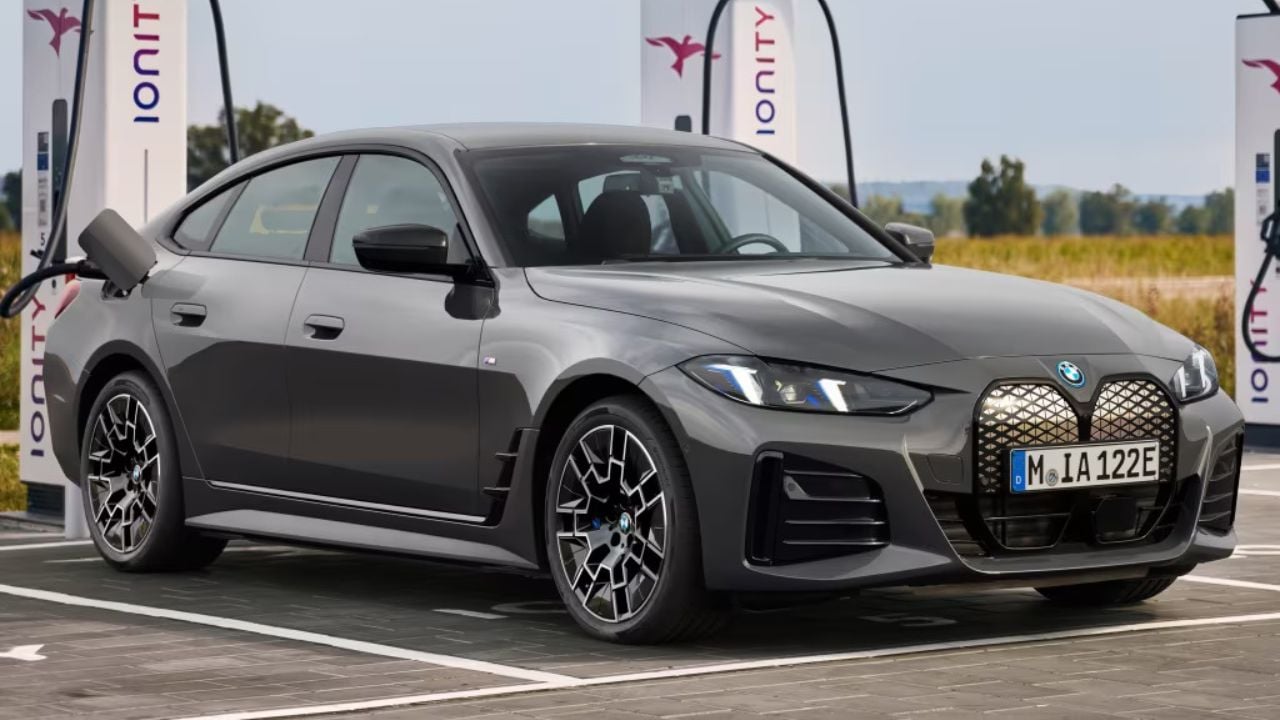
BMW has officially crossed the two-million mark for fully electric vehicle sales, a milestone that highlights how far the company has come since the launch of the unconventional i3 hatchback more than a decade ago. The landmark vehicle, an i5 M60 xDrive finished in Tansanit Blue, recently rolled off the production line at BMW’s Dingolfing plant in Germany before heading to its owner in Spain.
The achievement reinforces BMW’s position as one of the strongest-performing legacy luxury automakers in the transition to electric mobility. While several rivals have struggled to generate consistent EV momentum, BMW has steadily expanded its lineup with electric versions of core models including the i4, i5, i7, and iX.
Even so, the milestone arrived later than BMW once predicted. Back in 2021, the company projected it would deliver roughly two million fully electric vehicles globally by 2025, a target that ultimately slipped into 2026 as EV demand growth slowed across several major markets.
Despite the delay, BMW’s pace of expansion remains impressive. The company needed nearly 11 years to produce its first million EVs after the i3 entered production in 2013, yet it doubled that total in just over two years as electric offerings became mainstream across the BMW Group portfolio.
Dingolfing Has Become BMW’s EV Center
BMW’s Dingolfing facility has emerged as the company’s largest hub for electric vehicle production. Since beginning EV manufacturing with the iX in 2021, the German plant has rapidly expanded its role within BMW’s global production network.
Today, Dingolfing builds the i5 sedan and Touring, the flagship i7 luxury sedan, and the iX SUV. BMW says more than 320,000 fully electric vehicles have already been produced at the site, accounting for a significant share of the company’s global EV output.
The plant also demonstrates BMW’s broader manufacturing philosophy. Instead of relying exclusively on dedicated EV factories, the automaker uses flexible production lines capable of building combustion, hybrid, and electric vehicles side by side. BMW refers to this system as iFACTORY, and it allows the company to adjust production based on changing market demand.
That flexibility may prove increasingly important as global EV growth becomes less predictable than many automakers expected only a few years ago.
EV Momentum Has Slowed in Key Markets
Europe continues to be BMW’s strongest market for electric vehicles, helped by growing infrastructure investment and stricter emissions regulations. EV adoption across the region has remained relatively healthy, and BMW’s newest electric models have gained traction there.
Conditions have become more difficult elsewhere, particularly in the United States and China. BMW’s EV sales in the U.S. declined sharply during 2025, with demand impacted by the end of federal EV tax credits and broader market uncertainty surrounding tariffs and pricing.
The slowdown has affected much of the industry, not just BMW alone. Several automakers have reported weaker battery-electric growth as buyers increasingly shift toward hybrids and plug-in hybrids instead of fully electric models.
China has also become a tougher environment for premium foreign automakers as domestic EV brands continue gaining strength. Slower demand in the world’s largest EV market has created additional pressure on global manufacturers attempting to scale production rapidly.
Neue Klasse Models Could Drive the Next Phase
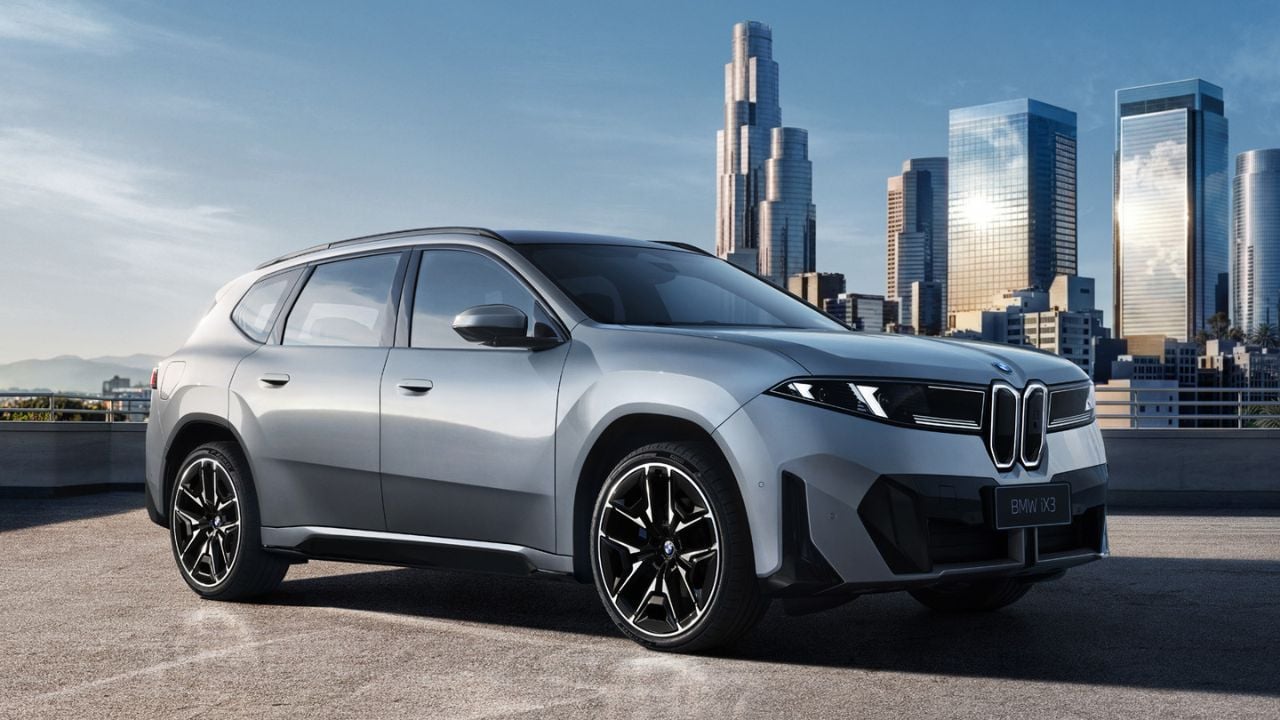
BMW believes its next generation of EVs will help reignite growth. The company has already launched the new iX3, the first production model based on its Neue Klasse platform, and early demand has reportedly been strong in several overseas markets.
The Neue Klasse lineup represents a major reset for BMW’s electric strategy, bringing new battery technology, updated software systems, and a fresh design language. The upcoming electric i3 sedan is expected to follow soon, along with additional models, including the iX5 and a larger iX7 SUV, later in the decade.
BMW is also preparing more affordable electric vehicles aimed at boosting overall sales volume. Future entry-level models such as the rumored i1 hatchback and i2 sedan are expected to serve as EV alternatives to the current 1 Series and 2 Series Gran Coupe.
Those vehicles could become critical as BMW pushes toward its long-term target of having EVs account for at least half of its annual global sales by 2030. Fully electric vehicles represented less than 20 percent of the BMW Group’s total deliveries last year, showing there is still significant room for growth.
BMW’s EV Strategy Appears to Be Paying Off
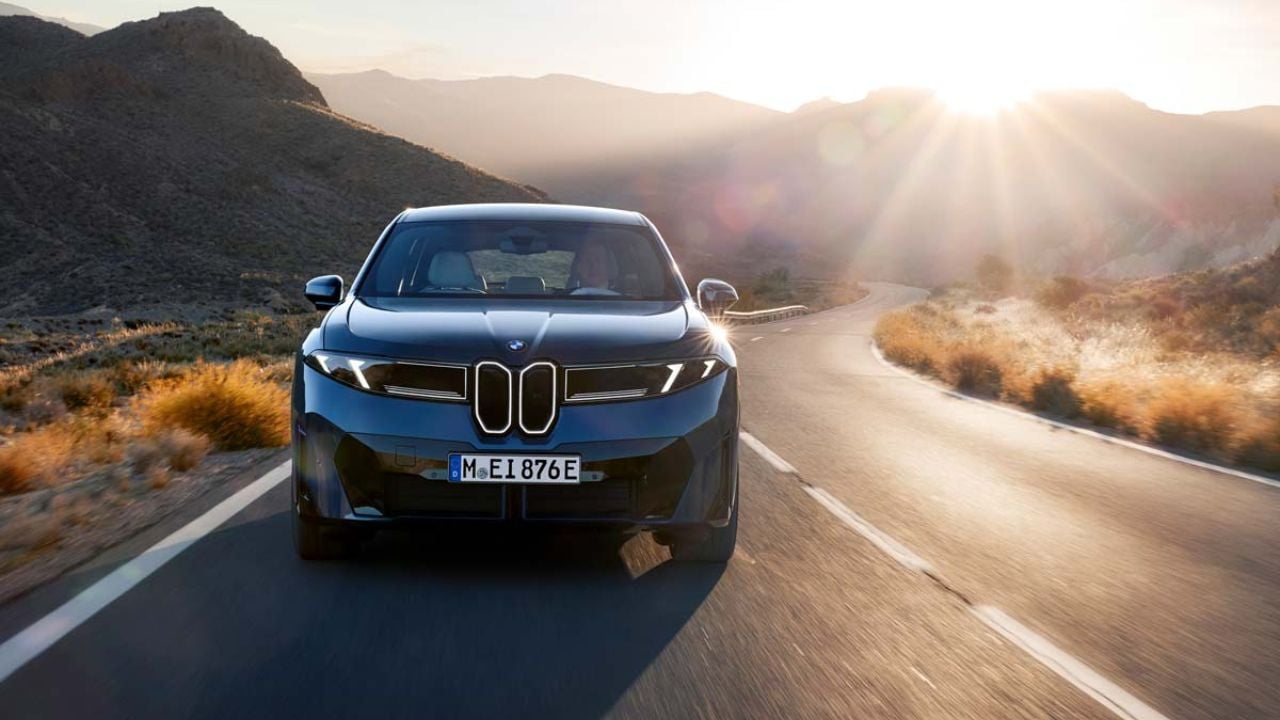
While some luxury brands have struggled to establish a clear EV identity, BMW has largely avoided dramatic changes in branding or design direction. Many of its electric models closely resemble their combustion-powered counterparts, helping ease the transition for traditional buyers.
That strategy appears to be resonating with customers who want familiar luxury vehicles with electric powertrains rather than radically different products. BMW’s consistent rollout of EVs across multiple segments has also allowed the company to maintain momentum even as market enthusiasm cools.
Reaching two million electric vehicles may not have happened on BMW’s original timeline, but the milestone still places the company among the leaders of the luxury EV transition. With a wave of Neue Klasse products on the horizon, BMW is betting its second two million EVs will arrive much faster than the first.