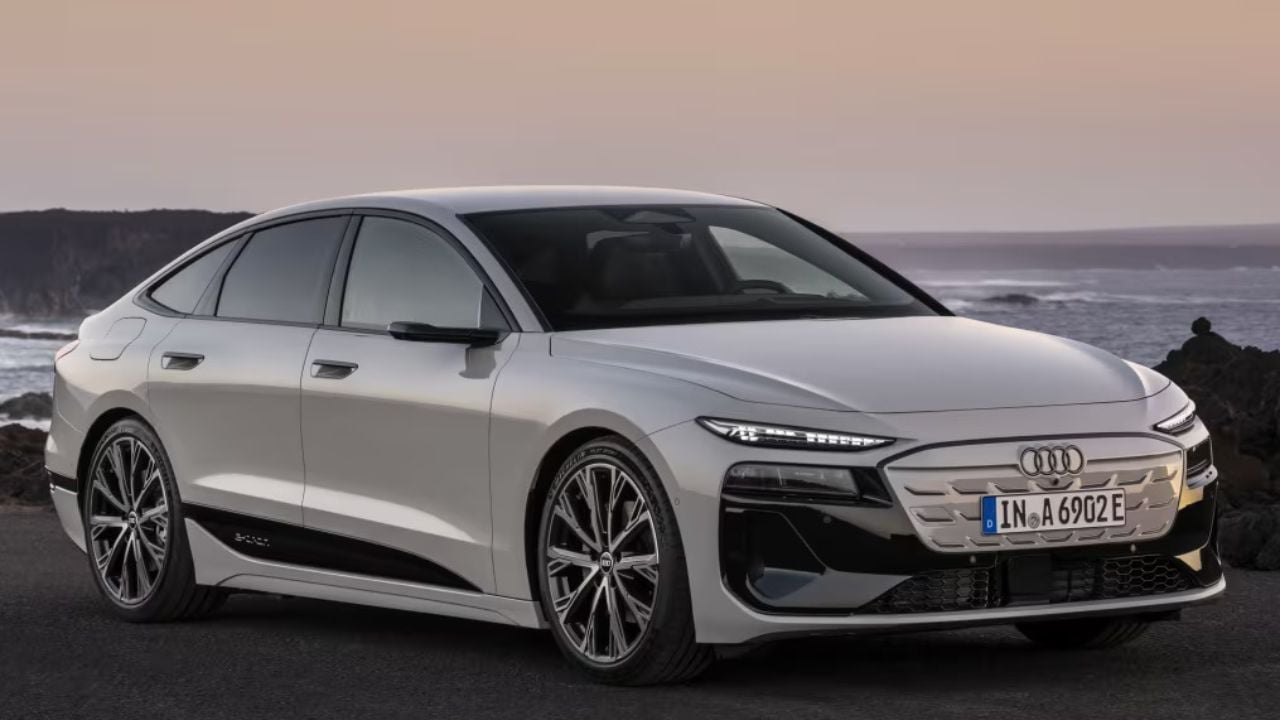
A new round of trade tension between the United States and Europe is again shaking the auto industry, just as the global market is already facing a long list of challenges.
U.S. President Donald Trump has announced plans to raise tariffs on imported European cars to 25%, a major jump from the previously agreed 15% level.
The move puts fresh pressure on the trade deal reached last year between the United States and the European Union, known as the Turnberry Agreement. That deal was meant to define basic trade conditions and give manufacturers on both sides of the Atlantic at least temporary relief.
At the time, the agreement was presented as a compromise that would prevent harsher measures. Now it appears to be struggling under political and economic pressure.
A Deal Under New Pressure
The Trump administration argues that the European side has not fulfilled its agreed obligations. European Commission officials, meanwhile, insist that the United States should respect the agreement that was signed.
European Commission President Ursula von der Leyen has already stressed that trade agreements make sense only when both sides honor them. That position now sits at the center of Europe’s response.
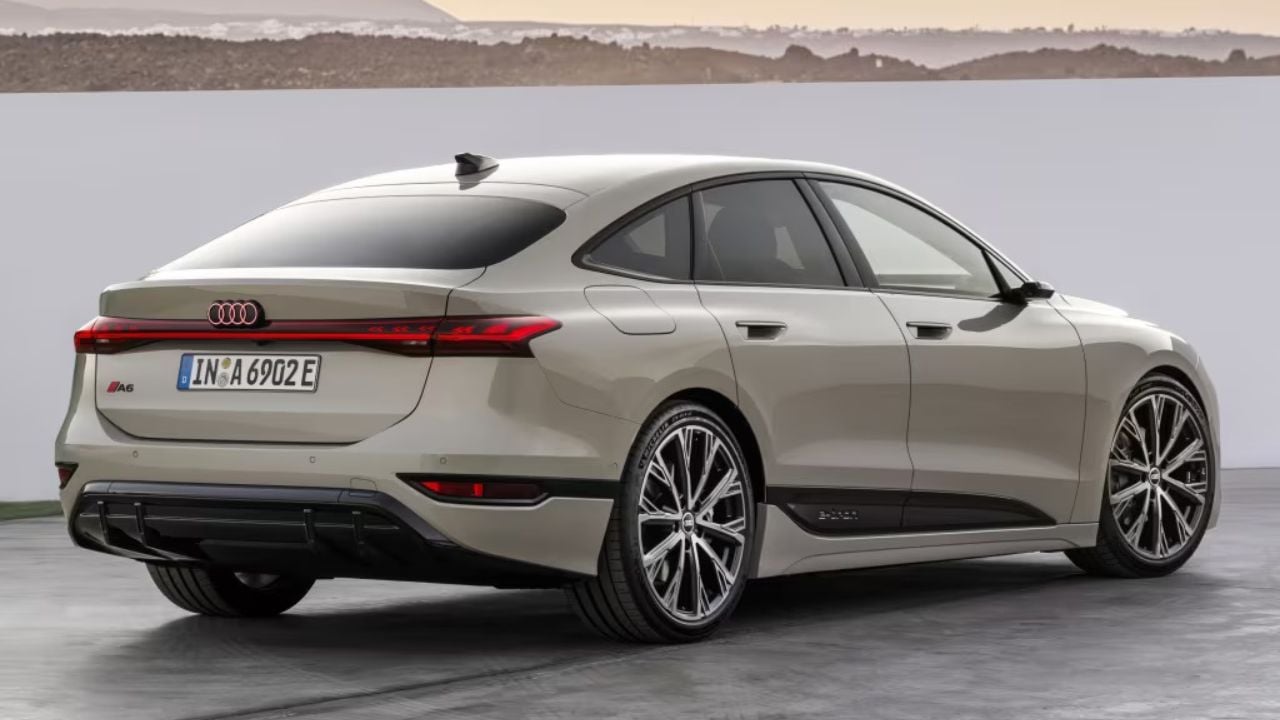
The consequences could be serious and immediate. European automakers, especially premium brands from Germany and the United Kingdom, would face additional financial pressure if the higher tariff rate takes effect.
European Cars Could Become More Expensive

Models such as the Volkswagen Golf GTI could become several thousand dollars more expensive for U.S. buyers. Luxury sedans such as the Mercedes Maybach S Class could see price increases measured in tens of thousands of dollars.
Tariffs are calculated on wholesale prices, but their effect almost always reaches the final buyer. That makes the position of European manufacturers even more complicated in the United States, one of their most important export markets.
Ironically, part of the pressure could also return to American soil. BMW, Volkswagen, Mercedes, and Volvo already build a significant number of vehicles in the United States. However, many of those vehicles rely on European parts and components, from brake systems to powertrain hardware.
Supply Chains Could Feel The Impact
If the new tariff pressure extends to components, production costs at U.S. plants could also rise. That would show how deeply connected the two markets have become.
According to European trade data, EU and U.S. trade in goods alone reached $990 billion in 2024. Including goods and services, the wider trade relationship was reported at about $2 trillion, showing how much is at stake beyond the car industry itself.
The legal picture is complicated as well. The U.S. Supreme Court has ruled that the International Emergency Economic Powers Act does not authorize the president to impose tariffs, creating uncertainty around the legal basis for some trade measures.
Automakers Have Few Easy Options

Behind the trade dispute sits a wider geopolitical picture, including instability in the Middle East and broader pressure on the global economy. In that environment, higher tariffs could have lasting consequences for manufacturers, consumers, and supply chains.
For now, the auto industry can only adapt. Manufacturers will look for ways to optimize costs, localize more production, or rethink parts of their business models.
Still, one point is clear. In a world where politics and economics increasingly shape the future of the car business, stability is becoming a luxury almost as rare as the most expensive models on the market.
This article originally appeared on Autorepublika.com and has been republished with permission by Guessing Headlights. AI-assisted translation was used, followed by human editing and review.