In the rich and varied world of classic cars, some models left a deep mark through their design, innovation, or sales success. Others had a much quieter fate, arriving at the wrong moment, with the wrong engine, or from a company already running out of time.
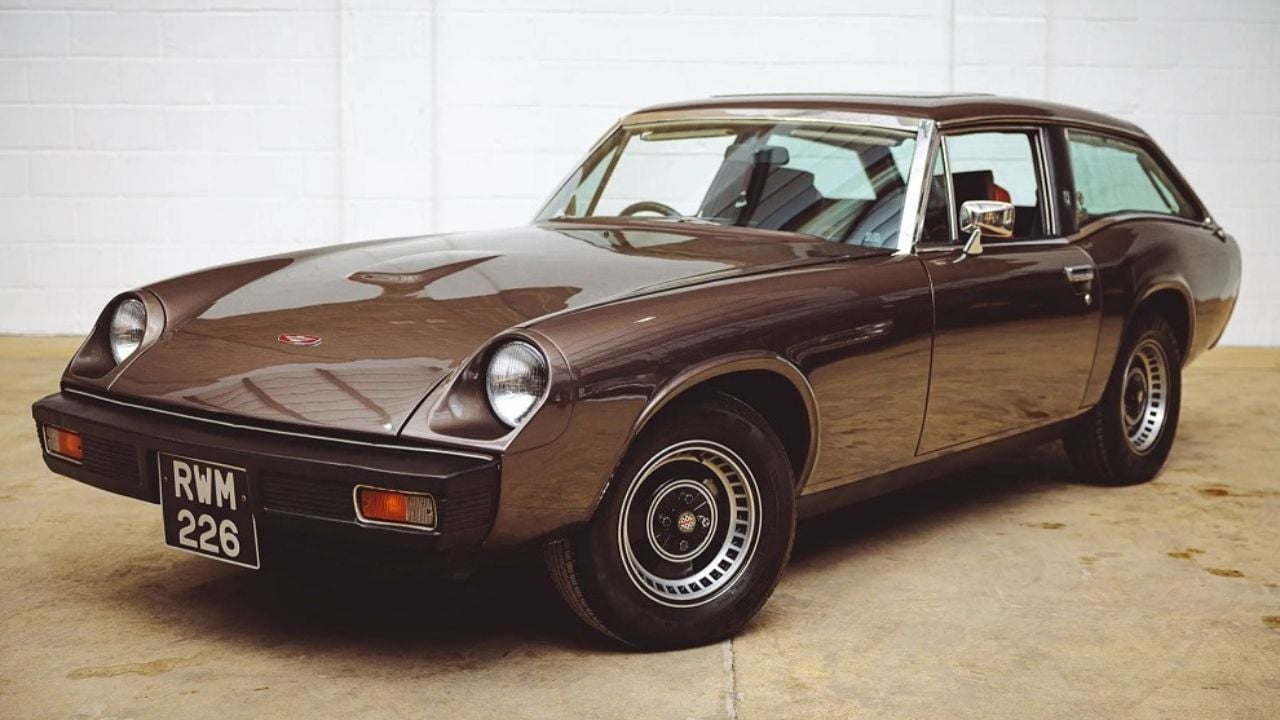
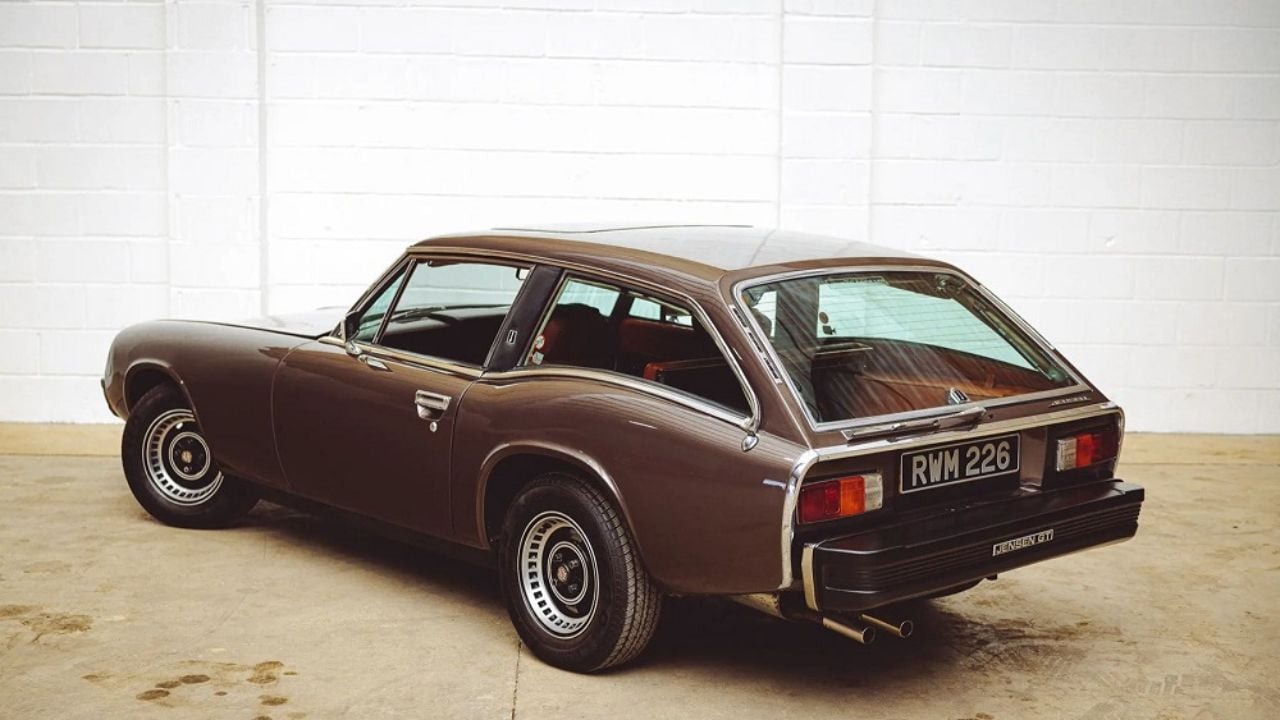
One of the clearest examples of that hidden history is the Jensen GT, an elegant two-door British shooting brake that appeared during the final years of a company already fighting for survival.
Today, this car is almost forgotten, even among devoted fans of classic British GT models. Its story still deserves attention because it captures ambition, engineering enthusiasm, missed chances, and the last serious effort of a once respected marque.
To understand the GT, we have to go back to the golden years of Jensen Motors Ltd., a company rooted in West Bromwich, England, and known for building distinctive grand touring cars with a very British sense of style.
Jensen Built Its Name On Elegant GT Cars
Founded in 1934, Jensen built its image around luxurious, hand-assembled GT models with British design and powerful American engines. During the 1950s and 1960s, the company earned a strong reputation with cars such as the 541, the C-V8, and later the legendary Interceptor, whose design still looks dramatic today.
The peak of Jensen’s technical reputation likely came with the FF, the first production car with all-wheel drive and anti-lock brakes. Those features arrived years before they became familiar across the wider auto industry, giving Jensen a level of engineering credibility far greater than its size suggested.
Behind those achievements, however, the business was under pressure. A small independent manufacturer had little room to compete with larger rivals, while dependence on outside suppliers and high production costs left very thin profit margins.
A Smaller Roadster Was Supposed To Save The Brand
By the late 1960s, Jensen management wanted to refresh the lineup with a smaller, lighter, and cheaper model that could attract a wider group of buyers, especially in the profitable American market. That effort led to Project X500, an experimental roadster powered by a modest four-cylinder engine from Vauxhall.
Testing results were disappointing. The car lacked character, and its performance felt too ordinary for a market that wanted power, prestige, and personality. At that point, Kjell Qvale entered the story. The Norwegian American businessman was one of the most important importers of British sports cars in the United States, and he believed this kind of car could succeed across the Atlantic if it received a stronger engine and proper production support.
Qvale invested capital in Jensen and became the company’s chairman, giving him a central role in the brand’s future. The result was the Jensen-Healey, a two-seat convertible introduced in 1972 with a new 122 cubic inch Lotus four-cylinder engine.
The Jensen-Healey Damaged The Brand’s Reputation
On paper, the Lotus engine looked advanced. In practice, it brought many problems, including oil leaks, weak reliability, poor component finish, and cooling issues. The car itself also suffered from quality problems. Paint could peel, the roof could leak, and the interior failed to inspire confidence.
Later production runs gradually improved, but the early damage was severe. The automotive press was harsh, and one of the most memorable comments was that the only thing you could count on with a Jensen-Healey was that it would break down. The brand’s reputation suffered, while financial losses kept rising.
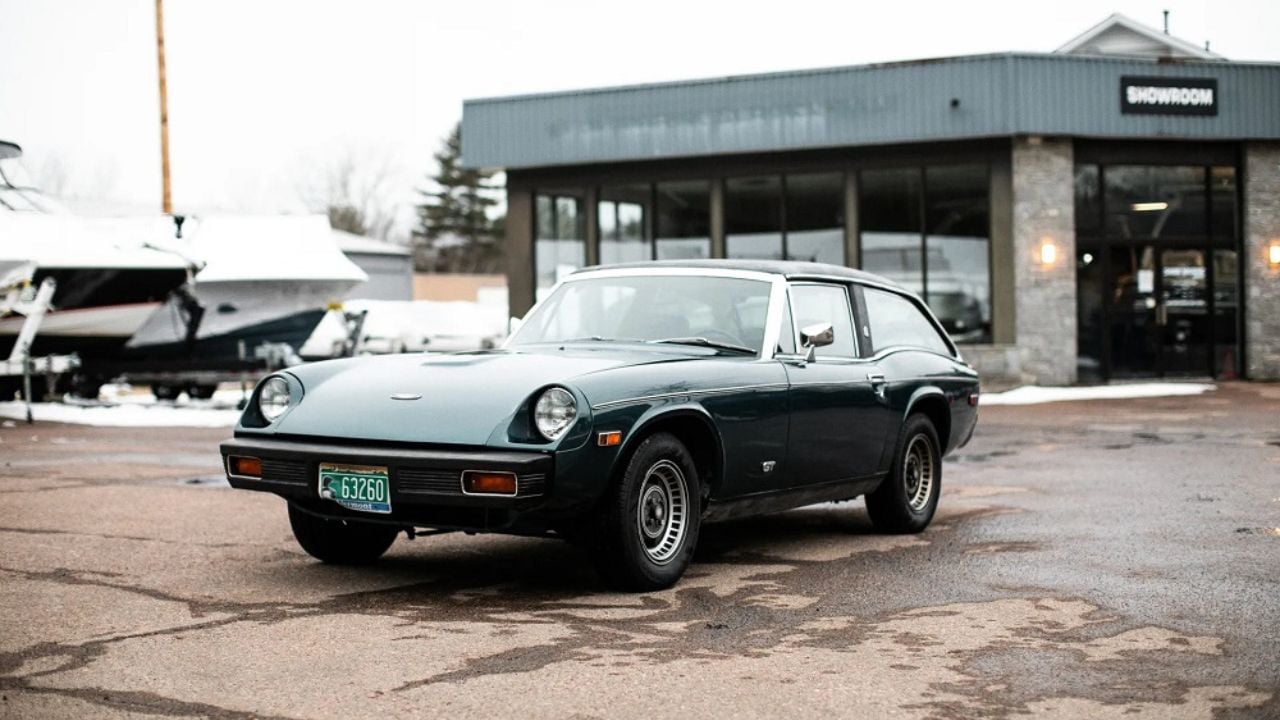
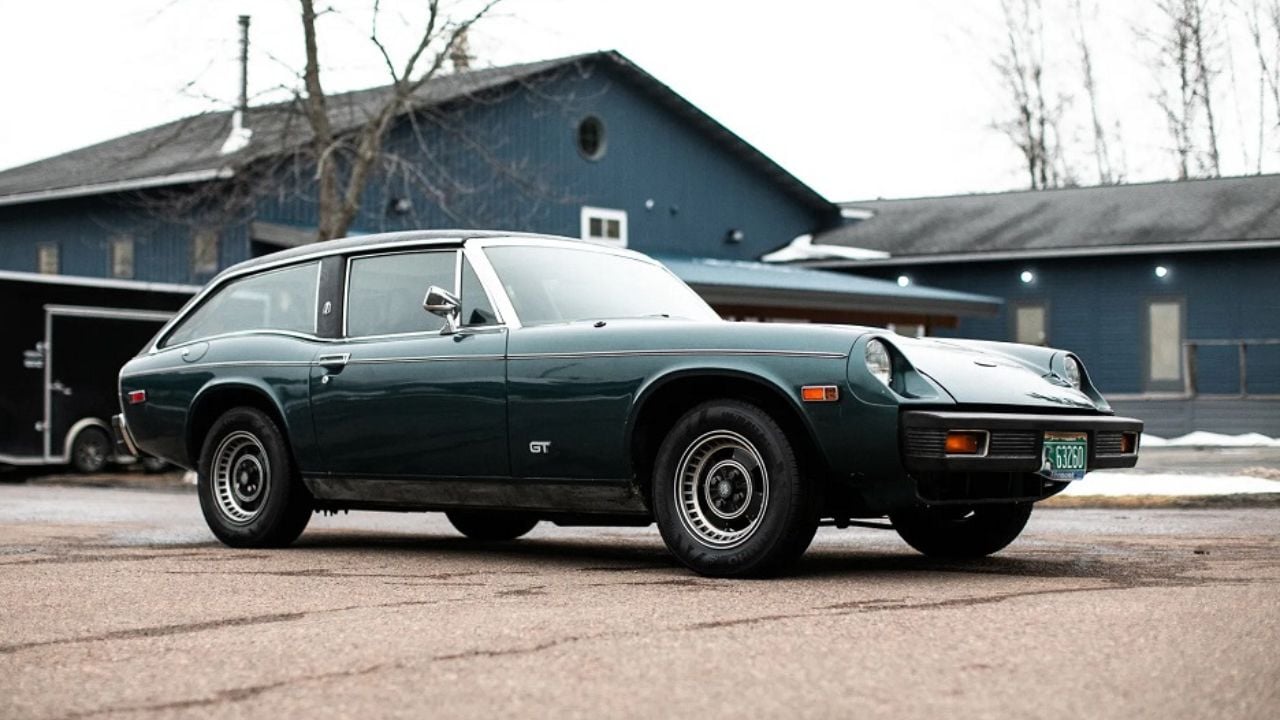
Trying to make the most of an existing platform, Jensen engineers developed a closed version of the Healey in 1975 and named it the GT. Instead of simply adding a roof, they tried to create a better, more complete car.
The GT Was A Better Car Than Its Timing Allowed
The chassis was strengthened, the suspension received changes that included a rear stabilizer bar, and the braking system was upgraded with a larger servo. The result was a car that felt much more serious on the road than the convertible.
Its shooting brake body brought useful practicality. There were small rear seats and a generous cargo area with a rear glass hatch, making the GT usable for couples and even families with small children. The interior was improved as well, with a wood dashboard, better seats, air conditioning, and a four-speaker audio system that gave the car the feel of a proper British grand tourer.
The engine remained the Lotus 122 cubic inch gasoline four-cylinder, now tuned to 144 hp. That gave the GT enough agility for enjoyable driving, although the engine’s reputation for poor reliability continued to follow the car.
A Rare Classic That Still Feels Undervalued
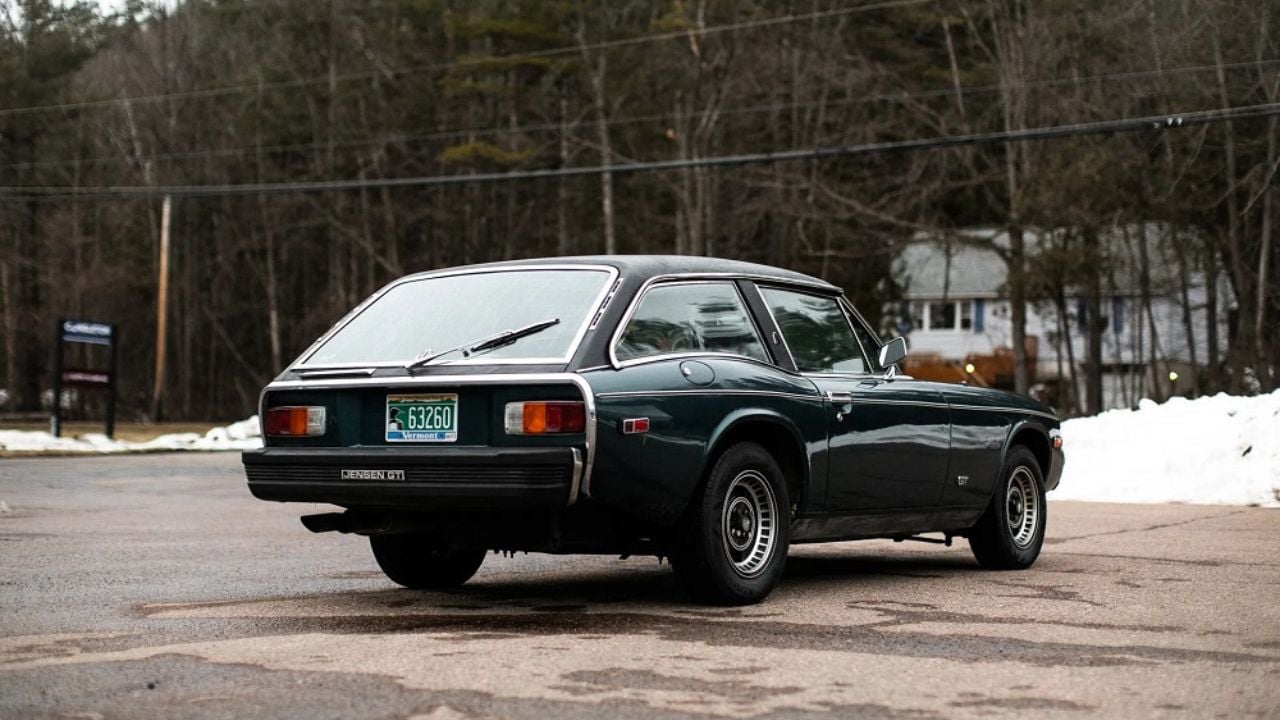
Unfortunately, the GT arrived too late. Jensen Motors entered bankruptcy in 1976, and GT production ended that same year. Only 511 examples were built, making it a true rarity in today’s classic car market.
Despite that limited production, values remain surprisingly accessible. Modified examples can be found for under $10,000, while original and well-preserved cars usually sell between $20,000 and $30,000.
Considering its rarity, design, heritage, and potential for careful improvement, the Jensen GT looks like an intriguing choice for collectors who want something unusual without entering the most expensive corners of the classic market.
A Final Pulse From A Distinctive British Marque
The Jensen GT deserves a better place in automotive history than a forgotten footnote. It represents the final heartbeat of a legendary British company, created at a time when passion and engineering enthusiasm often carried projects beyond what the balance sheet could support.
It arrived too late and came from a company already in deep trouble, but the car itself had real charm. The GT combined style, driving enjoyment, and practical exclusivity in a way few cars of its size and era could match.
For that reason, the Jensen GT remains one of the most interesting overlooked British classics. It may have missed its moment when new, but today it offers a rare kind of appeal: a car with a story, a shape, and a sense of character that mass-produced classics rarely provide.
This article originally appeared on Autorepublika.com and has been republished with permission by Guessing Headlights. AI-assisted translation was used, followed by human editing and review.