Yellowstone may be America’s most famous national park, but many park rangers quietly agree that fame does not always equal the best experience. Heavy crowds, traffic jams caused by wildlife sightings, and increasingly limited access have changed how visitors experience the park. Across the United States, there are national parks that offer just as much natural drama, wildlife, and geological wonder, often with fewer people and a deeper sense of immersion. Rangers who have worked across multiple parks frequently point to these alternatives as places where nature feels more powerful, accessible, and rewarding.
These parks deliver towering landscapes, diverse ecosystems, and unforgettable moments without the congestion Yellowstone now faces. Many provide better hiking access, clearer wildlife viewing, and more opportunities for solitude and reflection. From coastal cliffs and desert canyons to alpine peaks and ancient forests, these destinations showcase America’s natural diversity at its finest. According to those who protect and know these places best, these national parks don’t just compete with Yellowstone, they surpass it.
Glacier National Park, Montana
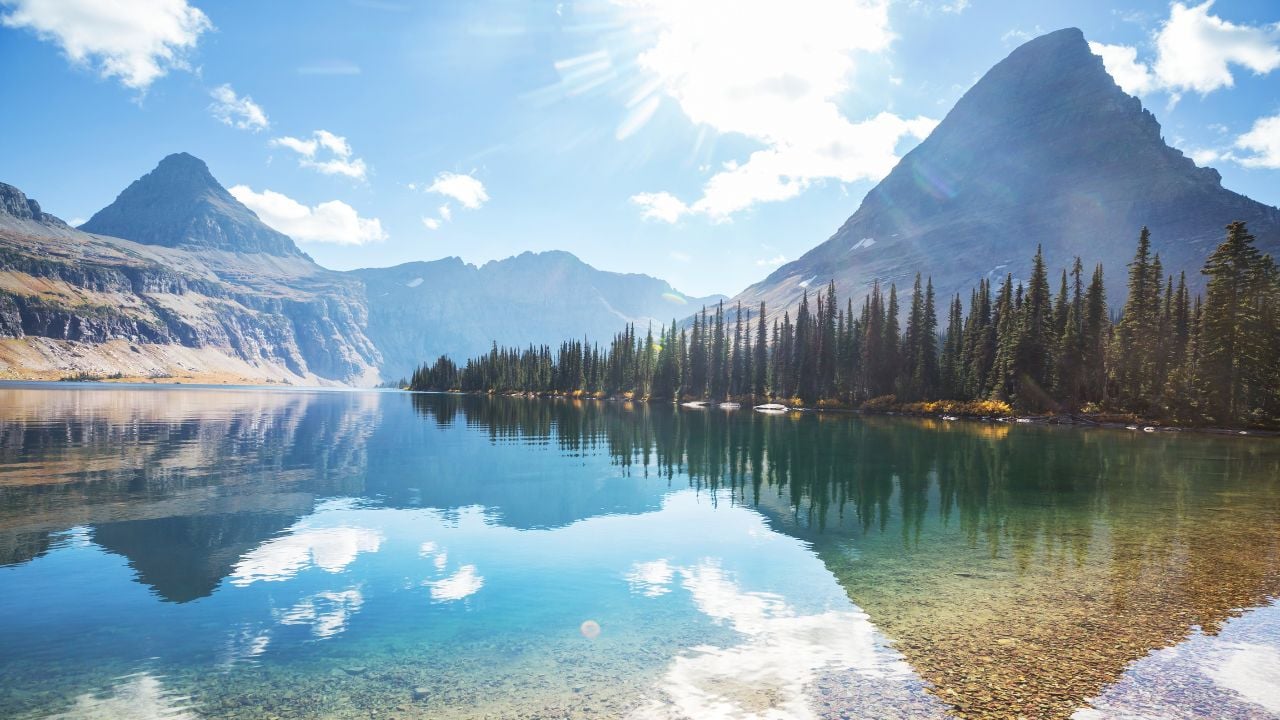
Glacier National Park is often described by rangers as Yellowstone without the crowds, offering raw wilderness that feels genuinely untouched. Towering peaks, alpine lakes, and massive glaciers dominate the landscape, creating scenery that feels dramatic in every direction. Wildlife sightings are frequent and varied, yet the park remains quieter and more serene than its famous neighbor. Rangers consistently praise Glacier for its balance of accessibility and deep wilderness.
What makes Glacier stand out is how immersive the experience feels from the moment visitors arrive. Trails wind through valleys carved by ice, while scenic roads offer breathtaking views without requiring strenuous hikes. The air feels cleaner, the silence deeper, and the connection to nature more immediate. Many rangers note that visitors leave Glacier feeling transformed rather than overwhelmed.
Beyond the scenery, Glacier offers a sense of scale and solitude that Yellowstone struggles to maintain. Fewer commercial developments keep the park’s focus firmly on nature rather than tourism. Seasonal changes dramatically alter the landscape, rewarding repeat visits. Rangers often say Glacier represents what national parks were originally meant to be.
North Cascades National Park, Washington
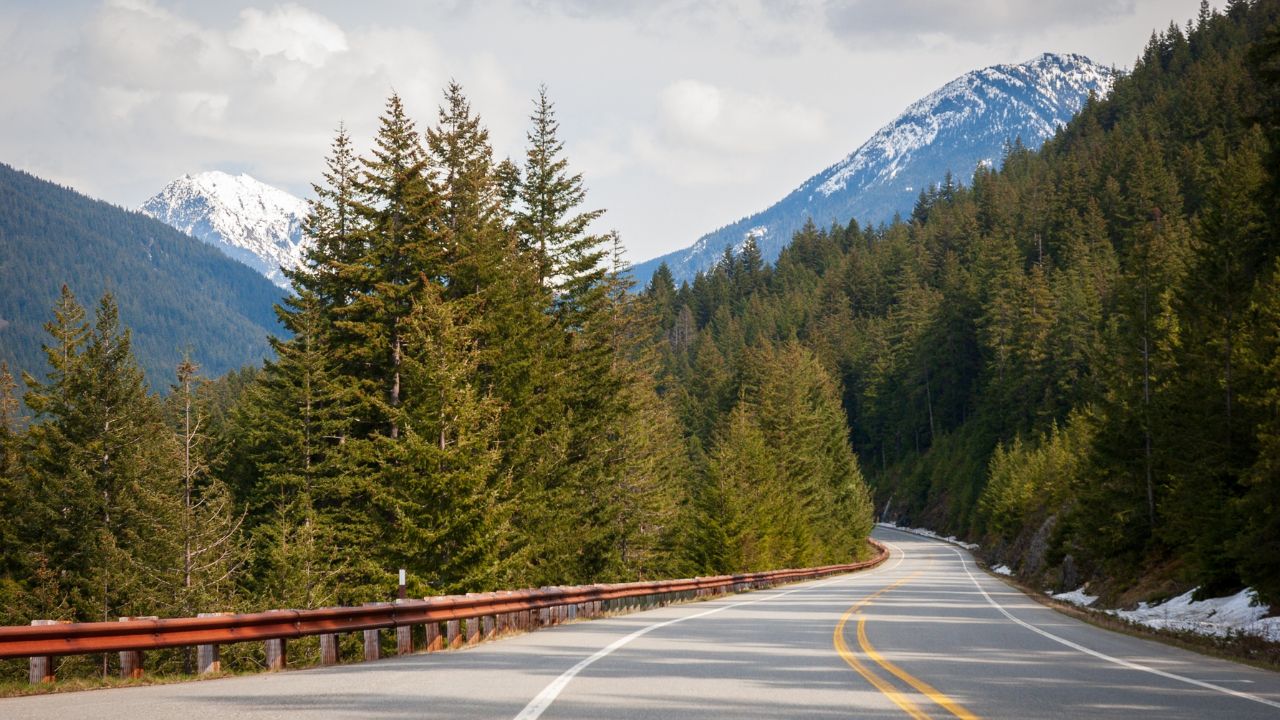
North Cascades National Park is frequently cited by rangers as one of the most underrated parks in the country. Jagged peaks, turquoise glacial lakes, and dense forests create a dramatic environment that rivals any park in the West. Despite its beauty, it remains one of the least visited national parks in the U.S. This lack of crowds allows nature to feel truly dominant.
Rangers highlight the park’s pristine condition as its greatest strength. Trails feel remote and wild, offering a genuine backcountry experience even close to the road. Wildlife is abundant, and the absence of heavy tourism allows animals to behave naturally. Visitors often describe the park as intimidating at first, then deeply rewarding.
Compared to Yellowstone, North Cascades feels more intimate and more intense. There are fewer amenities, but that simplicity enhances the experience. Rangers often recommend it to visitors seeking silence, solitude, and dramatic scenery. It is a park that rewards curiosity rather than convenience.
Olympic National Park, Washington
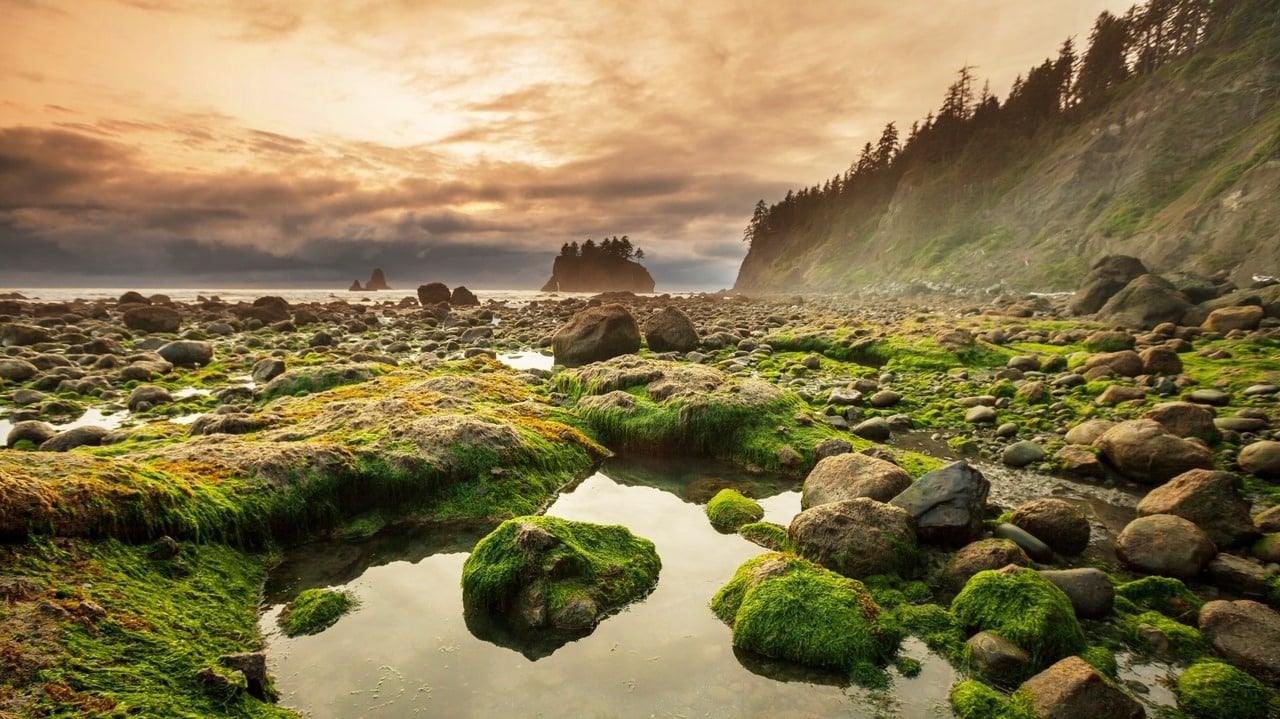
Olympic National Park offers a diversity of landscapes unmatched by almost any other national park. Within a single day, visitors can experience rugged coastline, temperate rainforest, and alpine mountain peaks. Rangers often say that Olympic feels like multiple parks combined into one vast ecosystem. This variety creates a richer, more dynamic experience than Yellowstone’s singular focus.
The rainforests are especially striking, with moss-covered trees and misty trails that feel prehistoric. Coastal areas offer dramatic cliffs, sea stacks, and tide pools filled with life. Inland, mountain trails provide sweeping views and cooler temperatures. Rangers note that visitors are often surprised by how different each section feels.
Olympic’s ability to remain wild while still accessible sets it apart. Despite its range of environments, the park never feels overly developed. Crowds are spread out across regions rather than concentrated in one area. Rangers often describe Olympic as endlessly rewarding, no matter how many times you return.
Great Basin National Park, Nevada
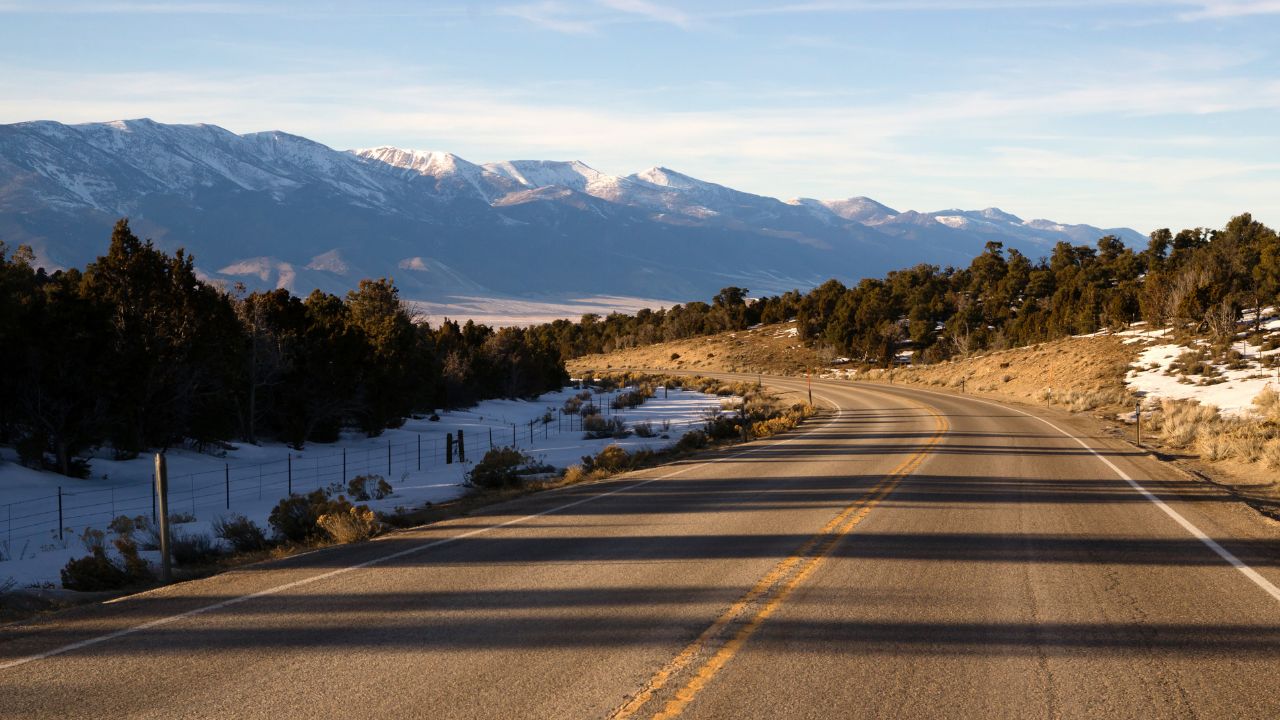
Great Basin National Park is one of the least visited parks in the country, a fact rangers see as its greatest asset. The park offers ancient bristlecone pines, high alpine terrain, and remarkably dark night skies. Unlike Yellowstone, visitors here experience true isolation and silence. The park feels personal and contemplative rather than busy.
Rangers emphasize the park’s unique vertical diversity, where desert valleys rise into snow-capped peaks. Lehman Caves provide a fascinating underground experience that contrasts sharply with the open landscape above. Stargazing is considered among the best in the United States. Visitors often leave amazed at how much the park offers.
What makes Great Basin special is its lack of spectacle-driven tourism. There are no geysers or famous landmarks, just deeply satisfying natural experiences. Rangers often recommend it to travelers who want to slow down. It rewards attention, patience, and curiosity.
Canyonlands National Park, Utah
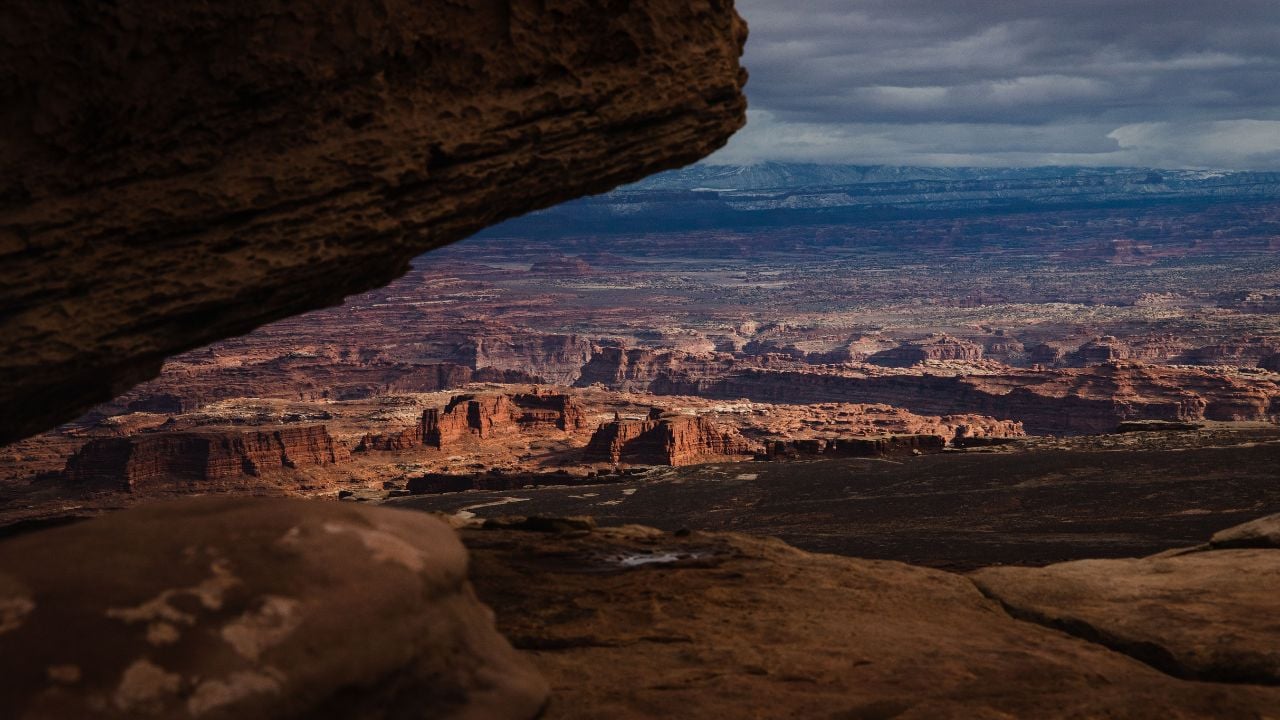
Canyonlands delivers vastness on a scale that even Yellowstone struggles to match. Deep canyons carved by the Colorado and Green Rivers stretch endlessly across the horizon. Rangers frequently describe it as one of the most visually overwhelming parks in the country. The sheer size creates a powerful sense of insignificance.
The park is divided into districts, each offering a distinct experience. Island in the Sky provides dramatic overlooks, while The Needles offers intricate rock formations and challenging trails. The Maze remains one of the most remote areas in the National Park System. Rangers value Canyonlands for its uncompromising wildness.
Compared to Yellowstone’s busy boardwalks, Canyonlands feels raw and demanding. There are fewer facilities and fewer crowds, increasing the sense of exploration. Visitors often describe feeling humbled rather than entertained. Rangers believe Canyonlands embodies the true spirit of American wilderness.
Lassen Volcanic National Park, California
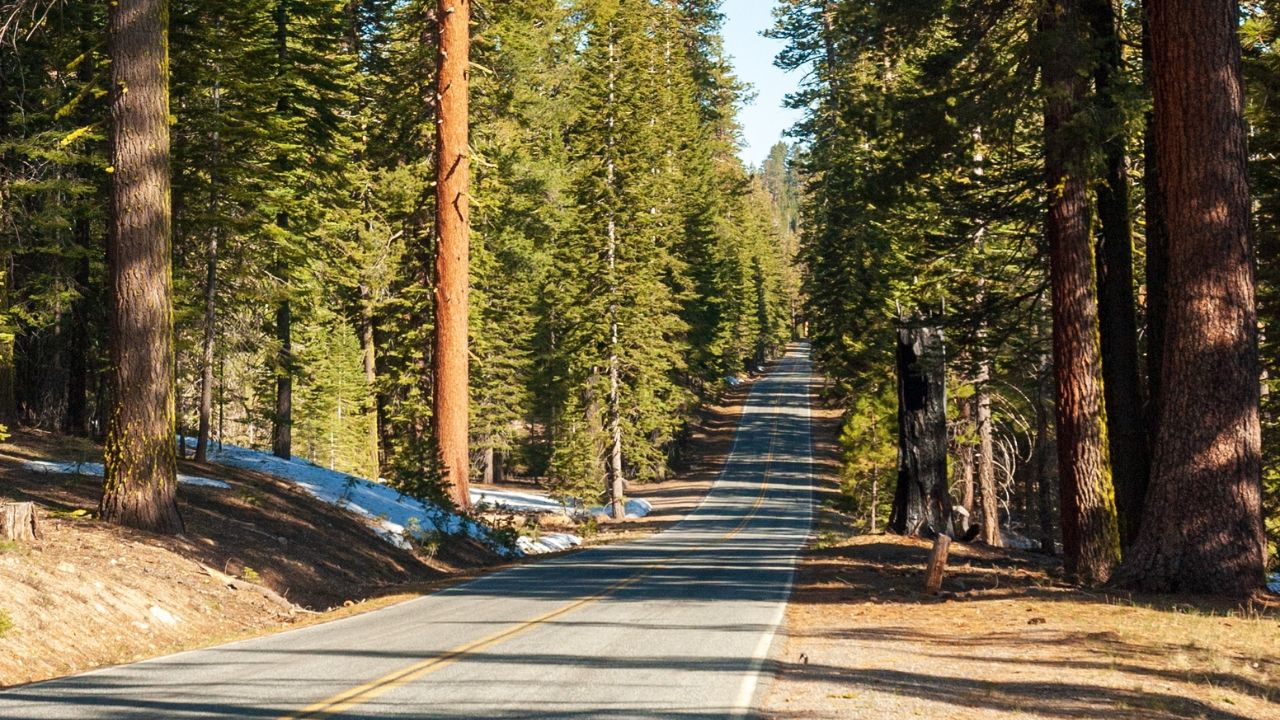
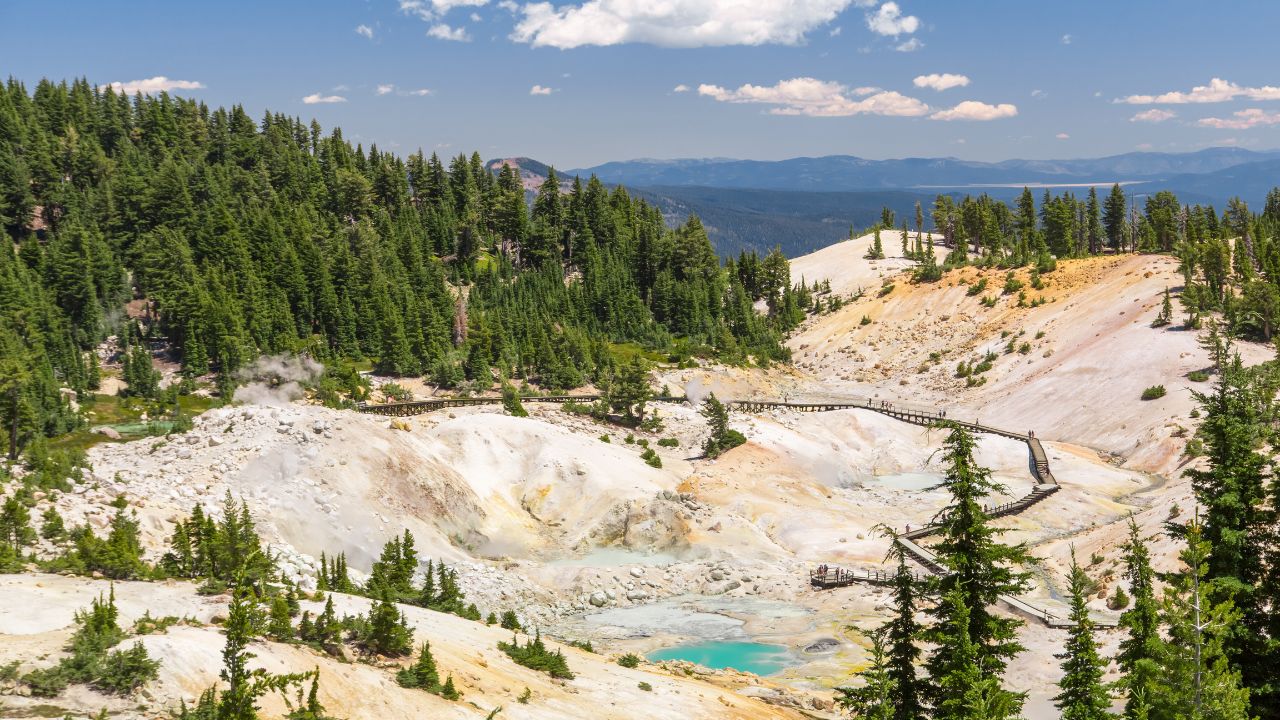
Lassen Volcanic National Park showcases geothermal activity similar to Yellowstone but without the overwhelming crowds. Bubbling mud pots, steaming fumaroles, and volcanic landscapes create constant reminders of the Earth’s power. Rangers often note that Lassen feels more accessible and personal. Visitors can experience geothermal features up close without congestion.
The park also offers lush meadows, clear lakes, and snow-covered peaks. This combination of volcanic and alpine environments creates striking contrasts. Rangers appreciate how compact yet diverse the park feels. It allows visitors to see a wide range of landscapes in a short time.
Unlike Yellowstone’s heavily trafficked areas, Lassen encourages exploration and discovery. Trails feel quieter and less rushed. Rangers often say the park rewards curiosity rather than checklists. It offers Yellowstone’s highlights with greater intimacy.
Isle Royale National Park, Michigan
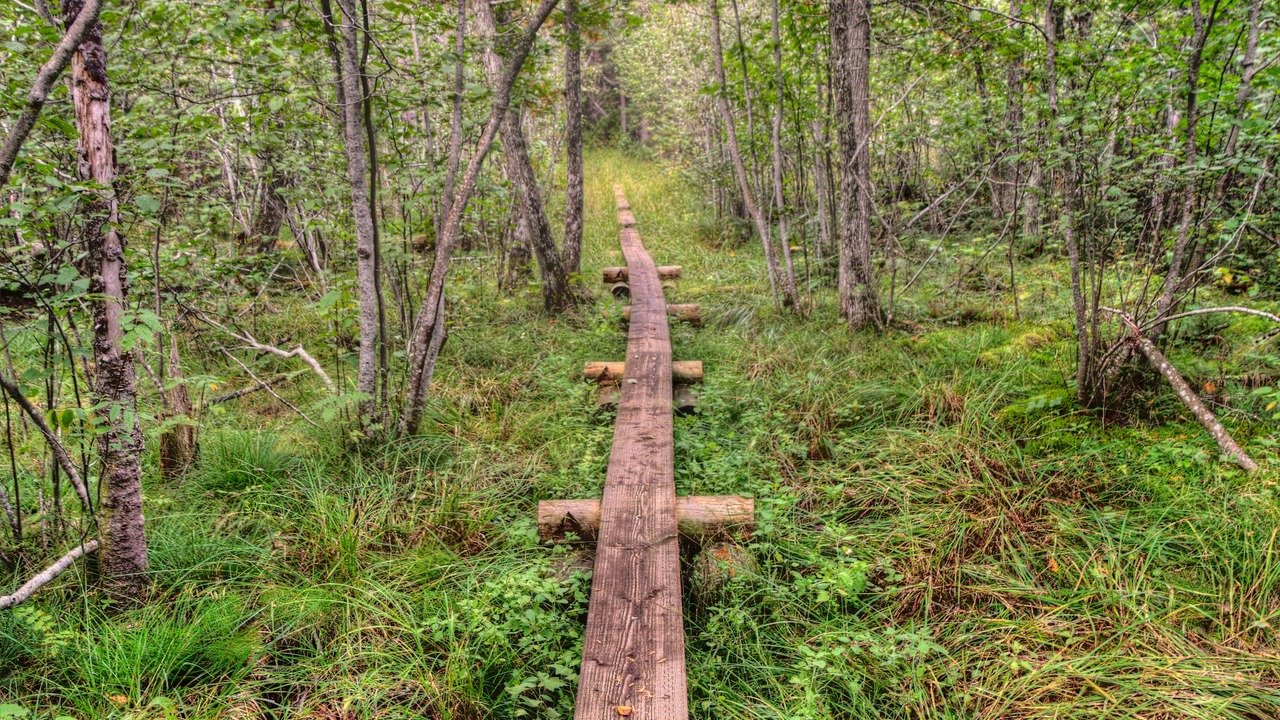
Isle Royale is one of the most isolated national parks in the United States, accessible only by boat or seaplane. Rangers describe it as a park for those truly seeking solitude and immersion. Surrounded by Lake Superior, the island feels entirely separate from modern life. The remoteness shapes every aspect of the experience.
Wildlife dynamics, especially the relationship between wolves and moose, make Isle Royale scientifically unique. Hiking trails stretch across rugged terrain with few interruptions. Rangers note that visitors must be self-reliant and prepared. This creates a deeper bond between people and place.
Compared to Yellowstone, Isle Royale feels personal and introspective. There are no crowds or roadside attractions. Every experience is earned rather than provided. Rangers often say the park changes how visitors think about nature.
Big Bend National Park, Texas
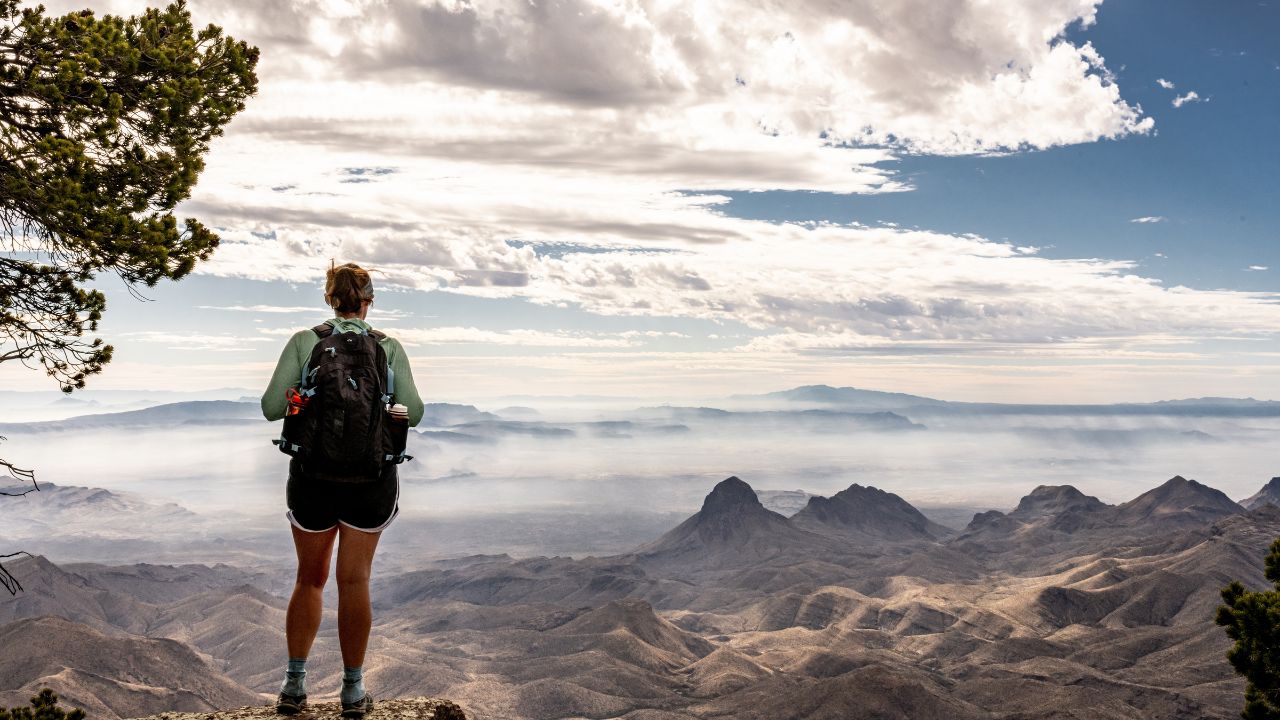
Big Bend is often praised by rangers for its sheer diversity and isolation. Desert landscapes, river canyons, and mountain ranges coexist in dramatic harmony. The park’s remote location keeps visitor numbers low. This allows nature to remain dominant and uninterrupted.
The Rio Grande forms a natural border, adding cultural and geographic depth. Visitors can hike, paddle, and stargaze within the same trip. Rangers emphasize the park’s night skies as among the darkest in the country. The silence is profound and restorative.
Compared to Yellowstone, Big Bend feels expansive and unstructured. There is room to wander without crowds or constraints. Rangers believe its remoteness is its greatest strength. It offers freedom rather than spectacle.
Kings Canyon National Park, California
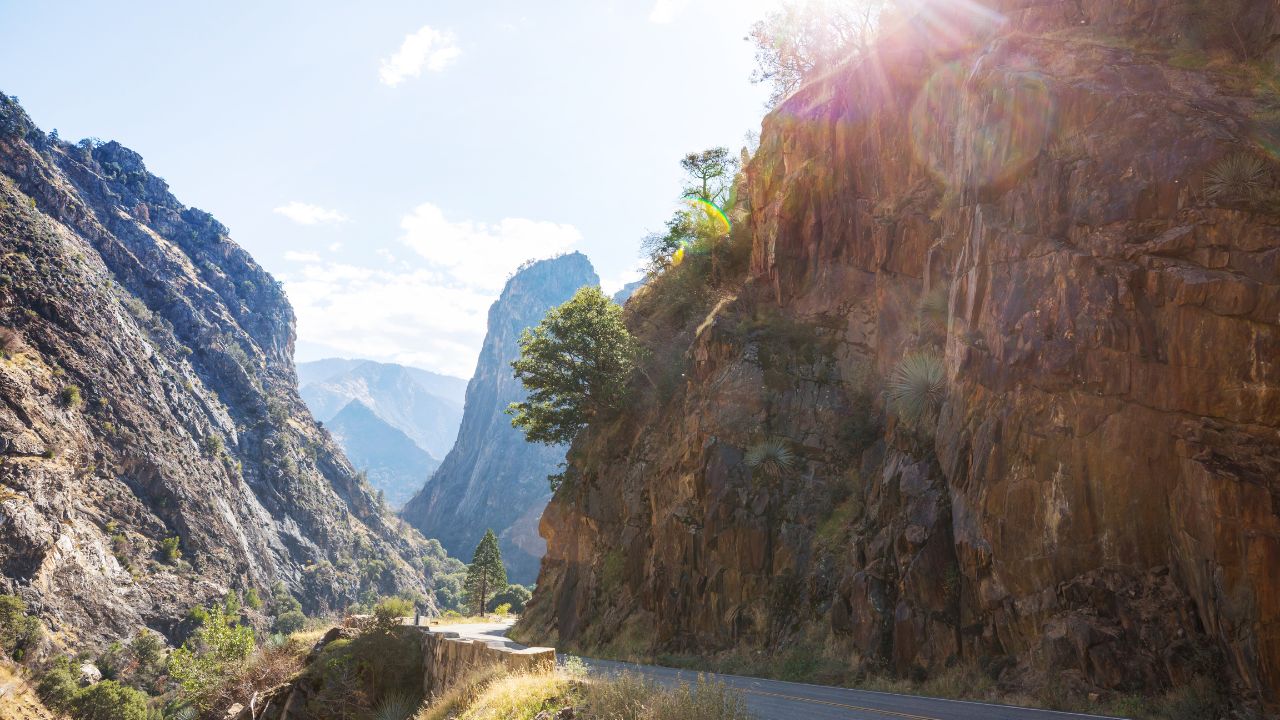
Kings Canyon delivers depth and grandeur that often surprises first-time visitors. Massive granite walls and deep valleys rival even Yosemite’s most famous views. Rangers note that the park receives far less attention than neighboring destinations. This keeps the experience peaceful and immersive.
The canyon itself is one of the deepest in North America. Trails descend into dramatic landscapes shaped by ancient glaciers. Rangers often praise the park’s sense of scale and quiet. It feels monumental yet approachable.
Unlike Yellowstone’s concentrated attractions, Kings Canyon unfolds slowly. Visitors are encouraged to explore rather than observe from afar. Rangers describe it as a park that reveals itself over time. The reward is lasting impact.
Guadalupe Mountains National Park, Texas
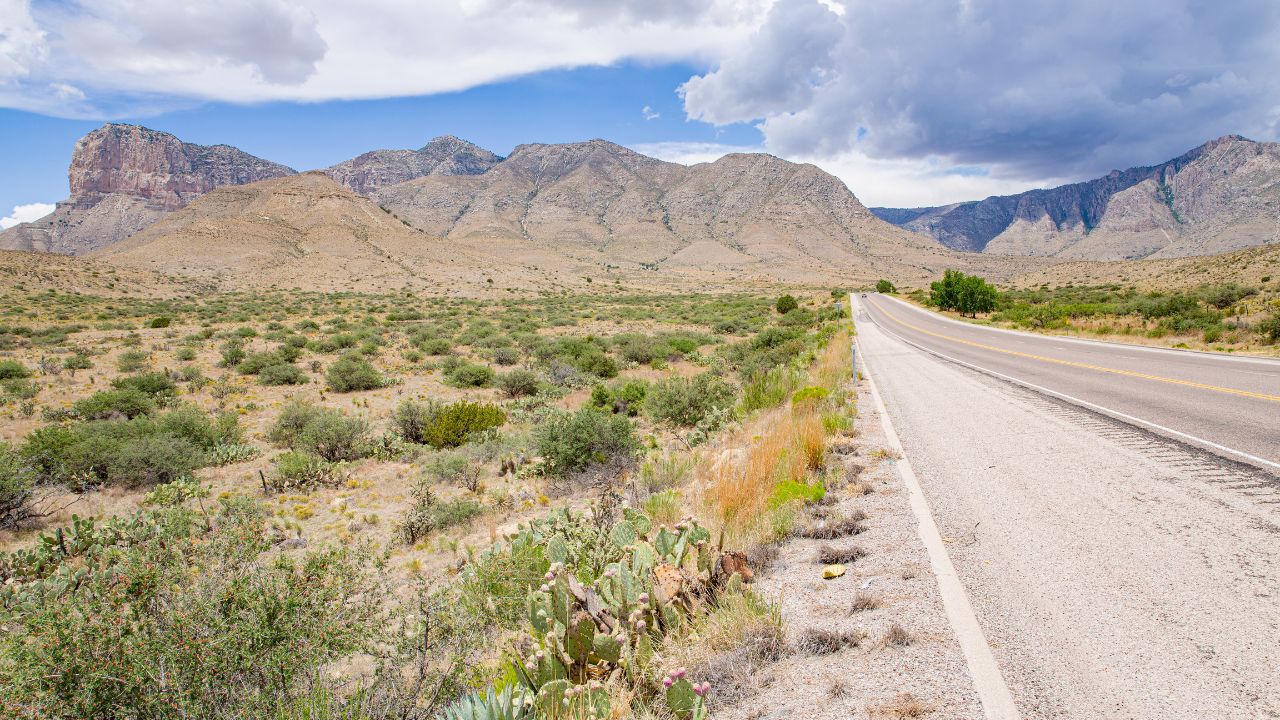
Guadalupe Mountains National Park offers rugged beauty and minimal crowds. Home to the highest peak in Texas, the park emphasizes elevation and effort. Rangers appreciate its straightforward wilderness experience. There are no distractions, only landscape.
Desert flora and fossilized reefs add geological interest. Trails are demanding but deeply rewarding. Rangers note that visitors often underestimate the park, then leave impressed. The simplicity enhances its impact.
Compared to Yellowstone’s variety, Guadalupe offers focus and clarity. It is about challenge, endurance, and perspective. Rangers often recommend it to visitors seeking authenticity. The park delivers honesty rather than spectacle.
Voyageurs National Park, Minnesota
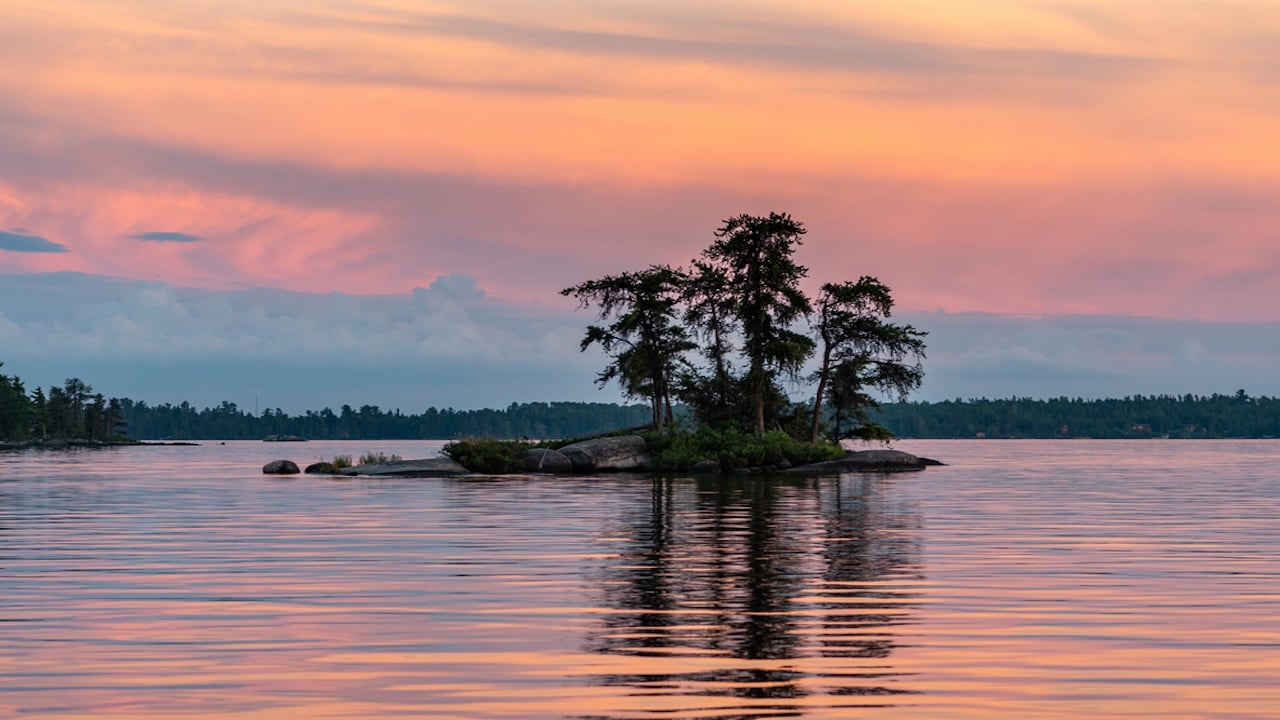
Voyageurs is defined by water, with interconnected lakes and waterways shaping every experience. Rangers describe it as a park best explored by canoe or boat. The landscape encourages slow movement and reflection. Silence and stillness dominate.
Wildlife sightings are frequent, especially along the shorelines. Rangers emphasize how water changes the way visitors interact with nature. There are no roads through the park. This isolation enhances immersion.
Compared to Yellowstone, Voyageurs feels fluid and meditative. It offers exploration without crowds. Rangers value its unique design and atmosphere. It is a park that teaches patience.
Wrangell–St. Elias National Park, Alaska
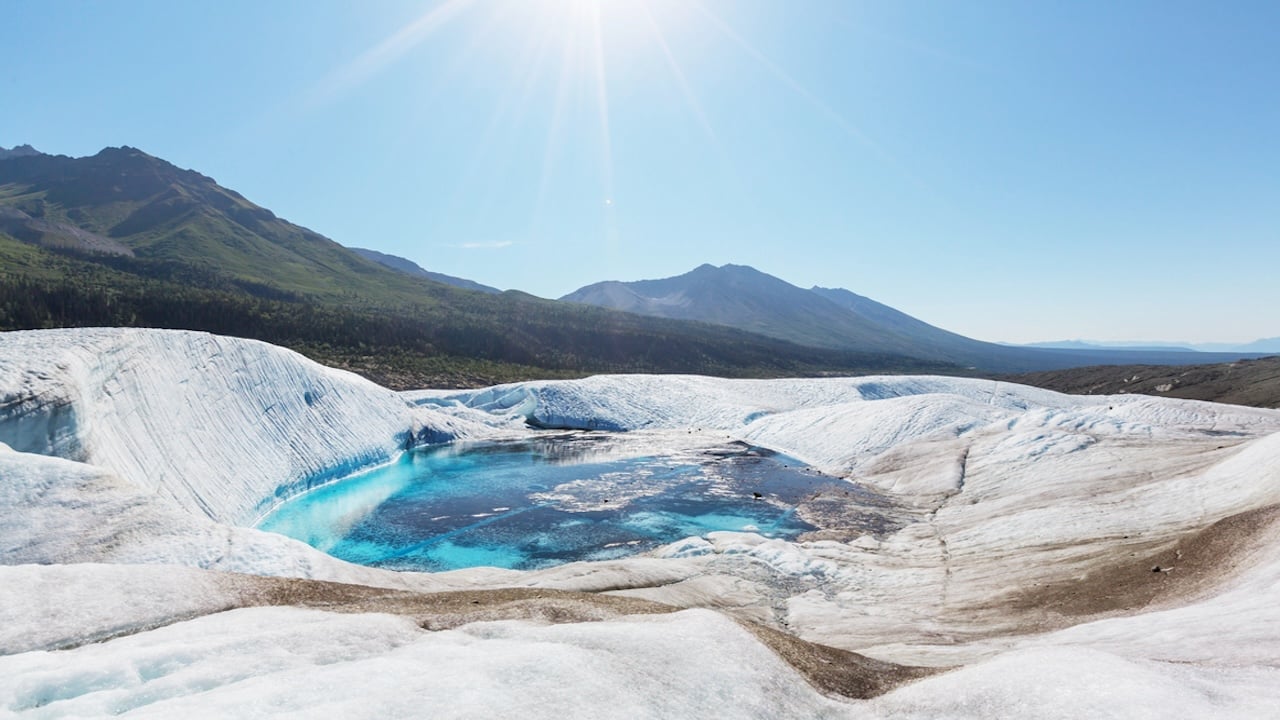
Wrangell–St. Elias is the largest national park in the United States, dwarfing Yellowstone in size and scope. Rangers describe it as wilderness on a nearly unimaginable scale. Massive glaciers, volcanic peaks, and untouched valleys dominate the landscape. Human presence feels insignificant.
The park offers unparalleled opportunities for exploration and solitude. Access is limited, keeping tourism minimal. Rangers emphasize the park’s raw and uncompromising nature. It demands respect and preparation.
Compared to Yellowstone, Wrangell–St. Elias feels untamed. There are no shortcuts or curated experiences. Rangers often say it represents the purest form of wilderness protection. It is awe in its most honest form.
Capitol Reef National Park, Utah
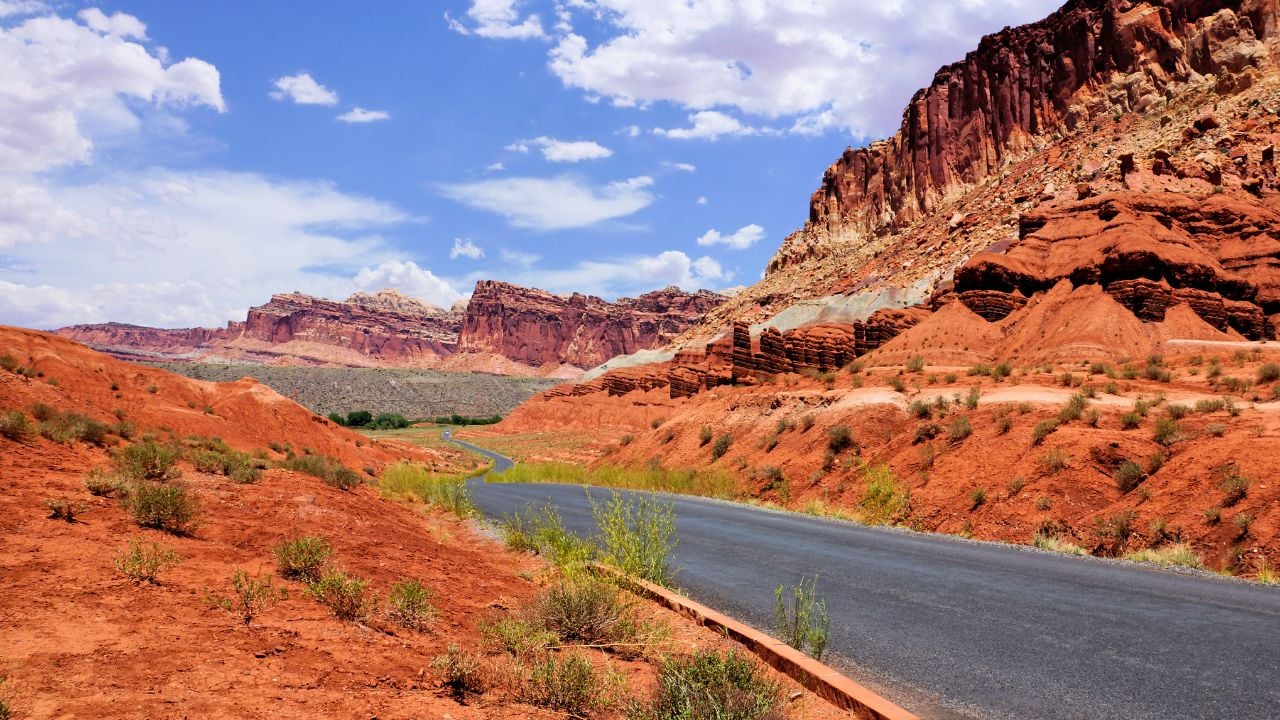
Capitol Reef is often overshadowed by Utah’s more famous parks, yet rangers consider it one of the most rewarding. Massive rock formations, orchards, and hidden canyons create a layered landscape. The park feels welcoming rather than overwhelming. Its beauty unfolds gradually.
Historic fruit orchards add a human connection rarely found in other parks. Rangers appreciate how history and geology coexist. Trails range from easy walks to challenging backcountry routes. Visitors can choose their own pace.
Compared to Yellowstone, Capitol Reef feels intimate and relaxed. Crowds are manageable, and discovery feels personal. Rangers often recommend it to travelers seeking balance. It offers depth without pressure.