
Travel hype has a way of inflating expectations beyond reality. After years of Instagram photos, documentaries, and bucket-list rankings, some famous sights feel larger in our imagination than they ever could in real life. When you finally arrive, the moment can be confusing, not because the place is bad, but because it doesn’t quite match the legend built around it.
Crowds, time limits, weather, and heavy commercialization often shrink these so-called wonders into brief photo stops rather than unforgettable experiences. These destinations are still interesting, historic, or beautiful, but many travelers walk away quietly thinking the same thing: “I waited all this time for that?”
Stonehenge, England

Stonehenge looks monumental in photos, but in person it feels surprisingly small and distant. Visitors aren’t allowed anywhere near the stones, instead circling them from behind ropes. The experience lasts minutes, not hours. The mystery fades quickly.
The surrounding landscape is flat and unremarkable, and the site itself feels isolated rather than immersive. Much of the visit is spent navigating parking, crowds, and guided explanations. The atmosphere feels managed rather than magical.
Most people leave impressed by its history, but underwhelmed by the reality. It feels more like a symbol than a destination. The question lingers quietly on the way out.
The Mona Lisa, France
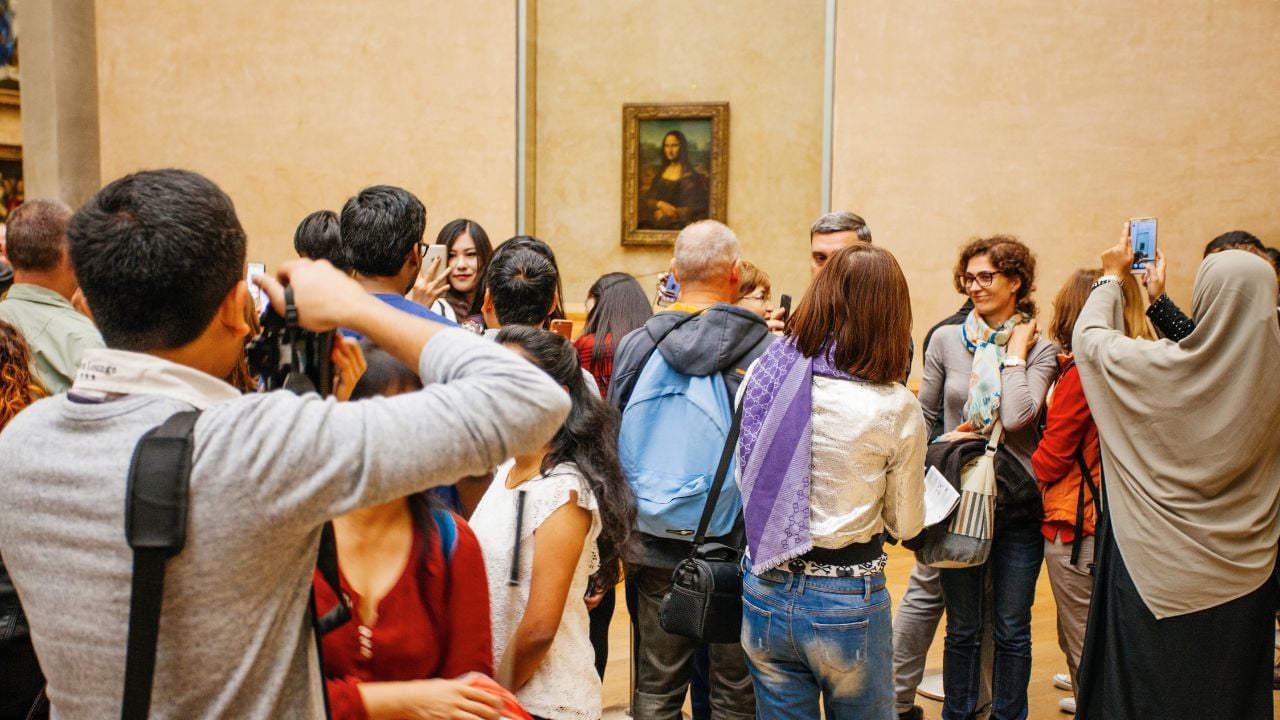
The Mona Lisa is famous long before it’s seen, and that’s part of the problem. In reality, the painting is small, protected behind glass, and viewed from far away. Crowds push constantly from behind. You barely have time to look.
The room feels chaotic rather than reverent. Phones block views, guards rush people along, and the moment feels rushed. The intimacy expected from art never arrives.
Many visitors are surprised by how brief and impersonal the experience is. You see it, you nod, and you move on. The buildup feels disproportionate to the payoff.
Plymouth Rock, USA
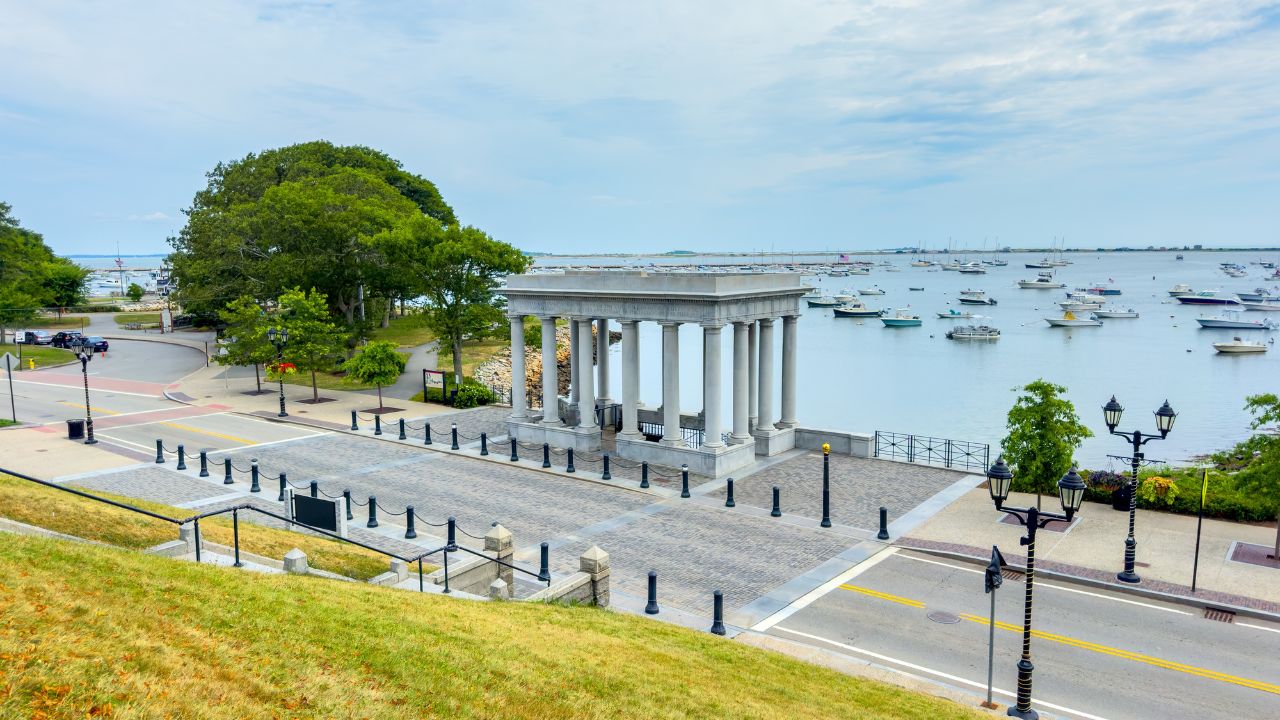
Plymouth Rock is one of the most anticlimactic landmarks in America. The rock itself is small, cracked, and enclosed behind a metal fence. There’s no dramatic setting or sense of occasion. It feels oddly apologetic.
Most of the historical importance exists in storytelling rather than the object itself. Visitors often stare for a few seconds, take a photo, and leave confused. The moment passes quickly.
For something tied to such a major national narrative, the physical reality feels underwhelming. It’s a reminder that symbolism doesn’t always translate visually.
The Little Mermaid Statue, Denmark
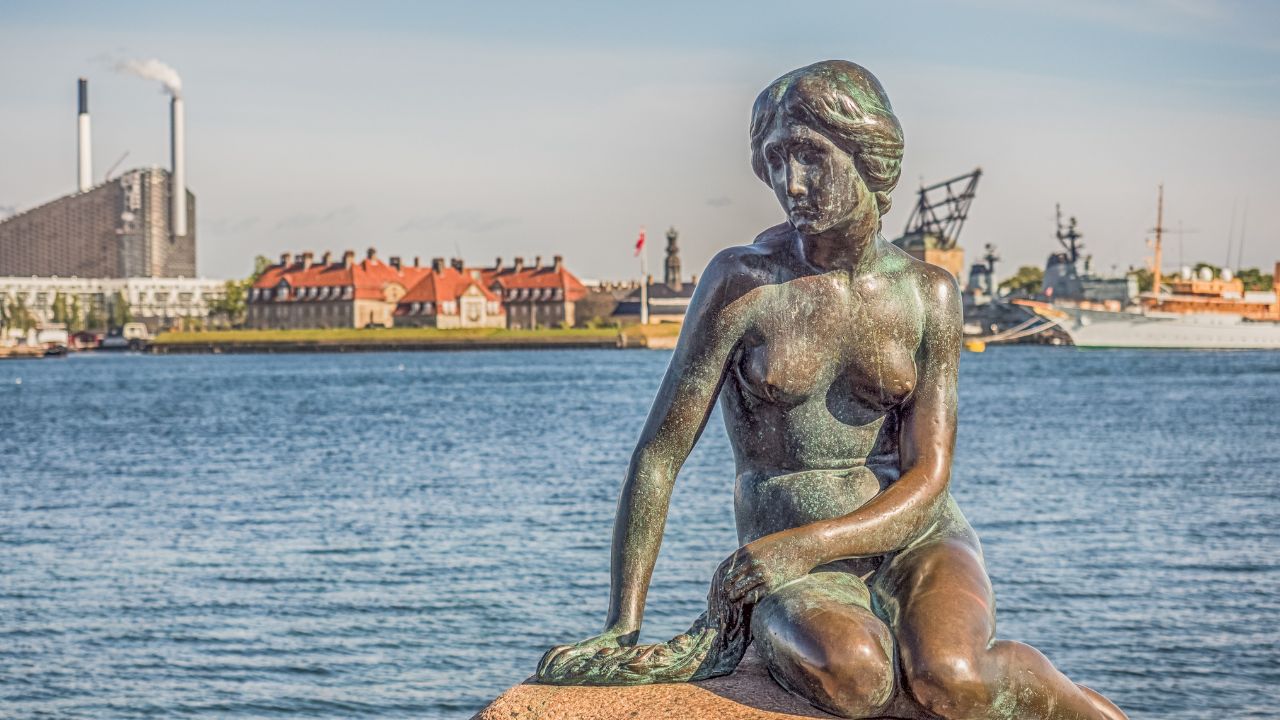
The Little Mermaid statue in Copenhagen is far smaller than expected. Sitting quietly on a rock, it’s easy to miss if you’re distracted. There’s no dramatic reveal or surrounding spectacle. It feels modest.
Tourists often crowd around it briefly, snapping photos and moving on. The setting lacks atmosphere, and the statue itself blends into the background. Expectations do most of the work.
Many visitors are left wondering why it became so famous in the first place. It’s charming, but hardly unforgettable. The moment ends almost as soon as it begins.
Manneken Pis, Belgium
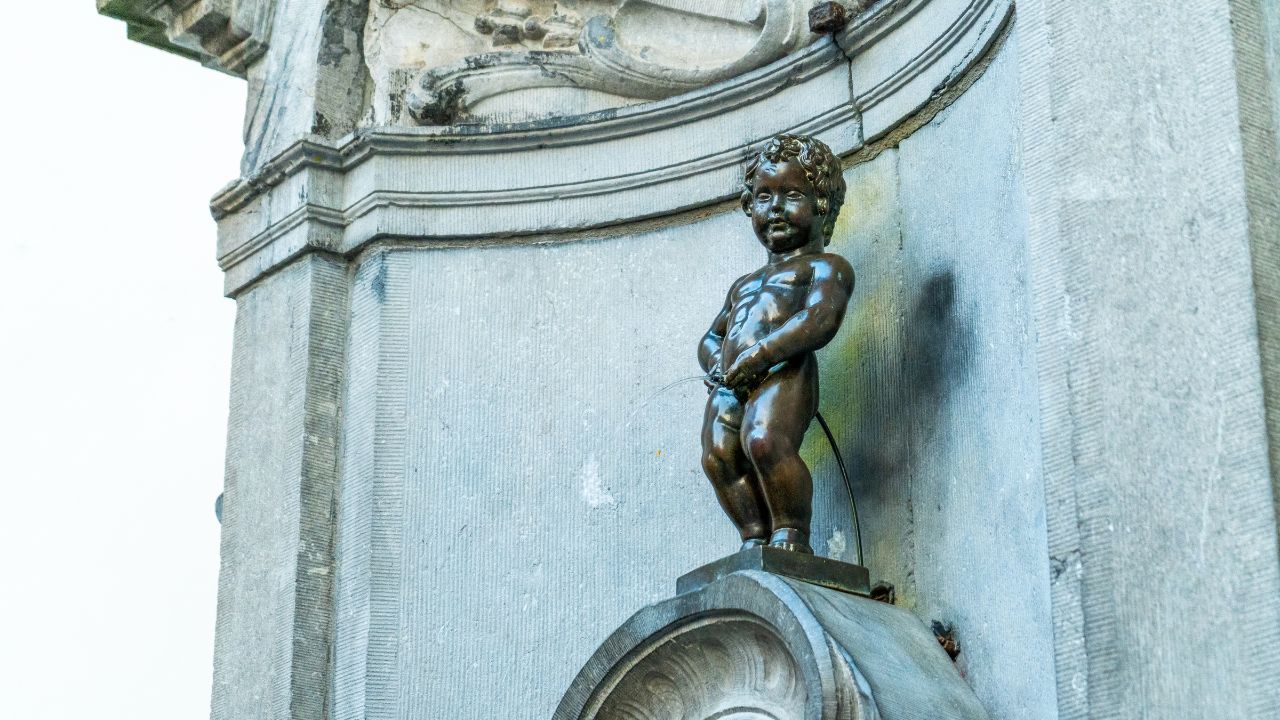
Manneken Pis is famous largely because of irony, but that doesn’t stop disappointment. The statue is tiny, tucked into a corner, and easy to overlook. Most first reactions are confusion. Then laughter.
There’s no buildup or context unless you seek it out. The surrounding area feels busy and commercial. The humor lands, but briefly.
Visitors often smile, shrug, and walk away. It’s a curiosity, not an experience. The fame far outweighs the reality.
The Hollywood Walk of Fame, USA
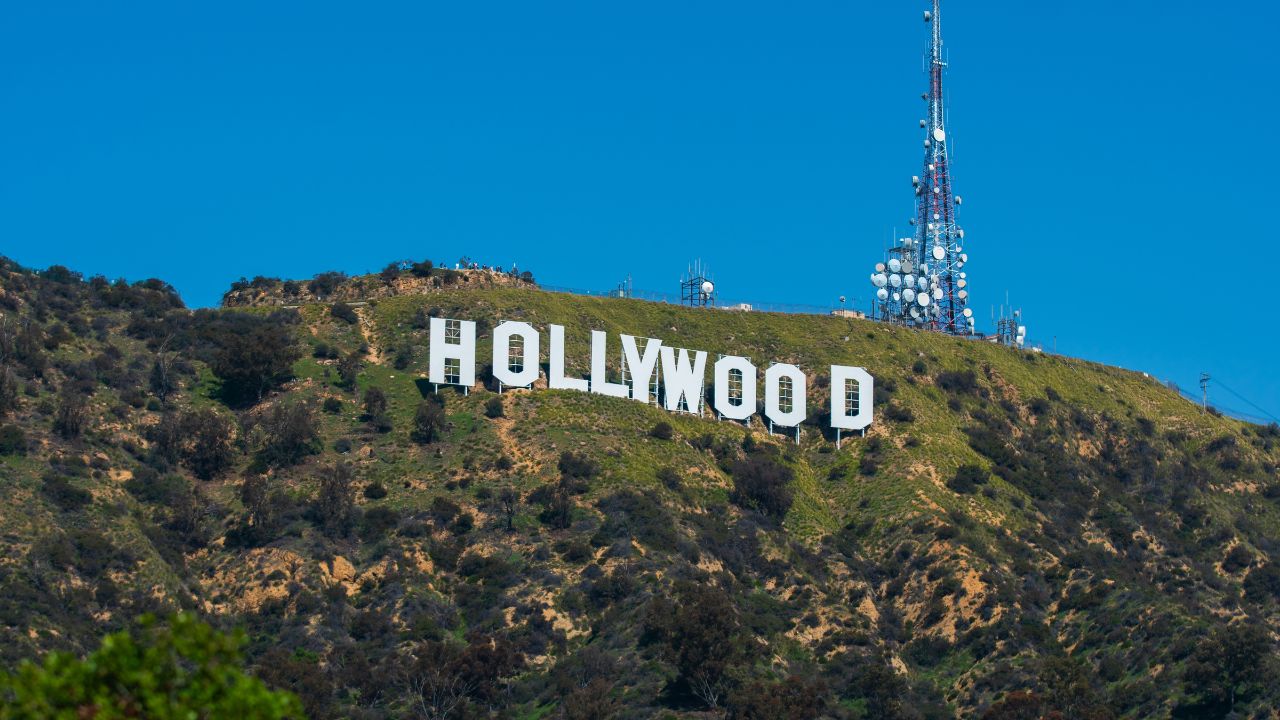
The Walk of Fame sounds glamorous, but feels worn and chaotic. Stars are embedded in crowded sidewalks surrounded by souvenir shops and traffic. The setting feels messy rather than celebratory. The magic feels absent.
Much of the experience involves dodging crowds and street performers. Many stars are cracked or dirty. The area feels more hectic than historic.
People often leave surprised by how ordinary it feels. Fame doesn’t translate into atmosphere. It’s more functional sidewalk than iconic destination.
The Leaning Tower of Pisa, Italy

The Leaning Tower is undeniably unique, but the experience is brief. You arrive, take the classic photo, and that’s mostly it. The surrounding area feels heavily tourist-oriented. The moment feels scripted.
Climbing the tower is interesting, but short. The novelty wears off quickly. Crowds dominate the space.
Most visitors enjoy it, but few feel transformed by it. It’s a checkmark stop rather than a lasting memory.
Times Square, USA
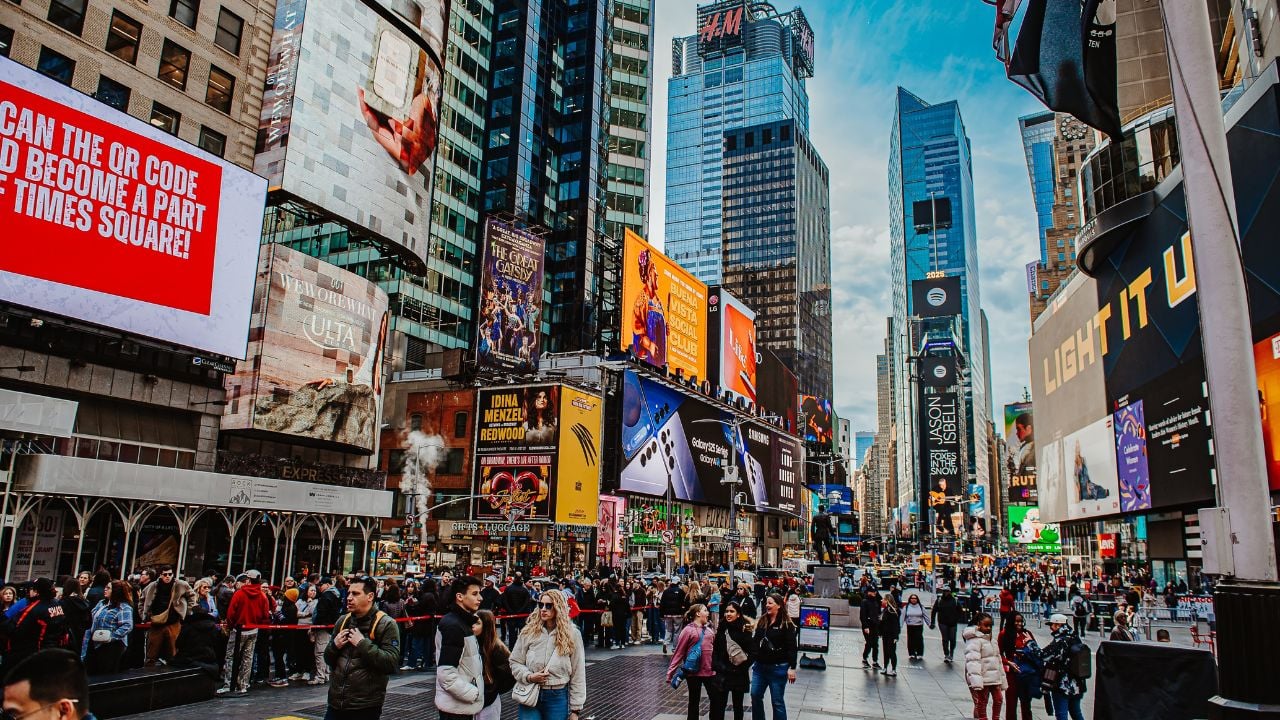
Times Square looks electric in media, but overwhelming in person. Bright screens, crowds, and noise hit all at once. There’s no single focal point. It’s sensory overload.
The experience feels commercial rather than cultural. Chain stores dominate, and movement feels rushed. Many visitors don’t linger long.
People often leave feeling drained rather than inspired. It’s impressive, but exhausting. The reality doesn’t match the romance.
The Blarney Stone, Ireland
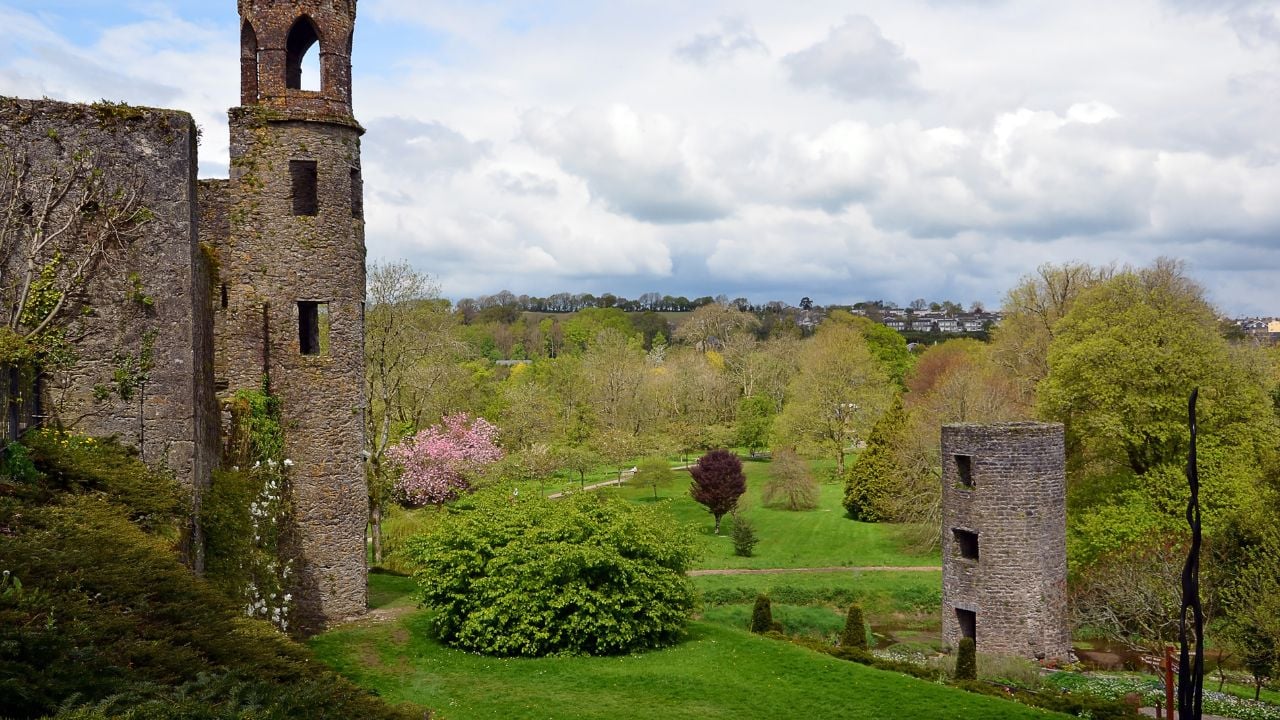
Kissing the Blarney Stone sounds whimsical, but the process is awkward. Long lines lead to a brief, uncomfortable moment. The act itself feels rushed and strange. The magic feels forced.
The castle is interesting, but the main attraction feels gimmicky. Hygiene concerns also dampen enthusiasm. The ritual feels outdated.
Many people laugh afterward, but few feel it was worth the wait. The legend outweighs the experience.
The Four Corners Monument, USA
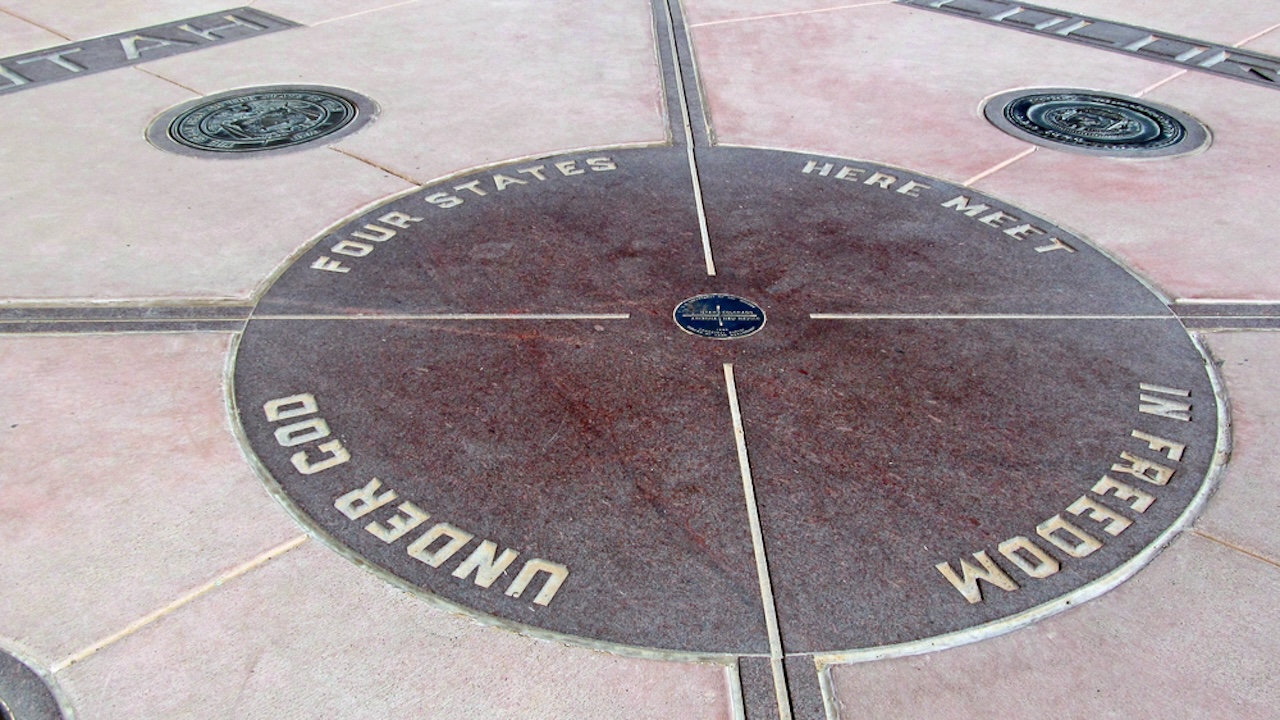
Standing in four states at once sounds thrilling until you’re actually there. The monument sits in a remote, empty landscape with little else around. The moment lasts seconds. Then it’s over.
There’s no dramatic scenery or sense of achievement. Visitors take photos and leave quickly. The novelty fades fast.
It’s clever in theory, but thin in reality. Geography doesn’t always equal excitement.
Loch Ness, Scotland
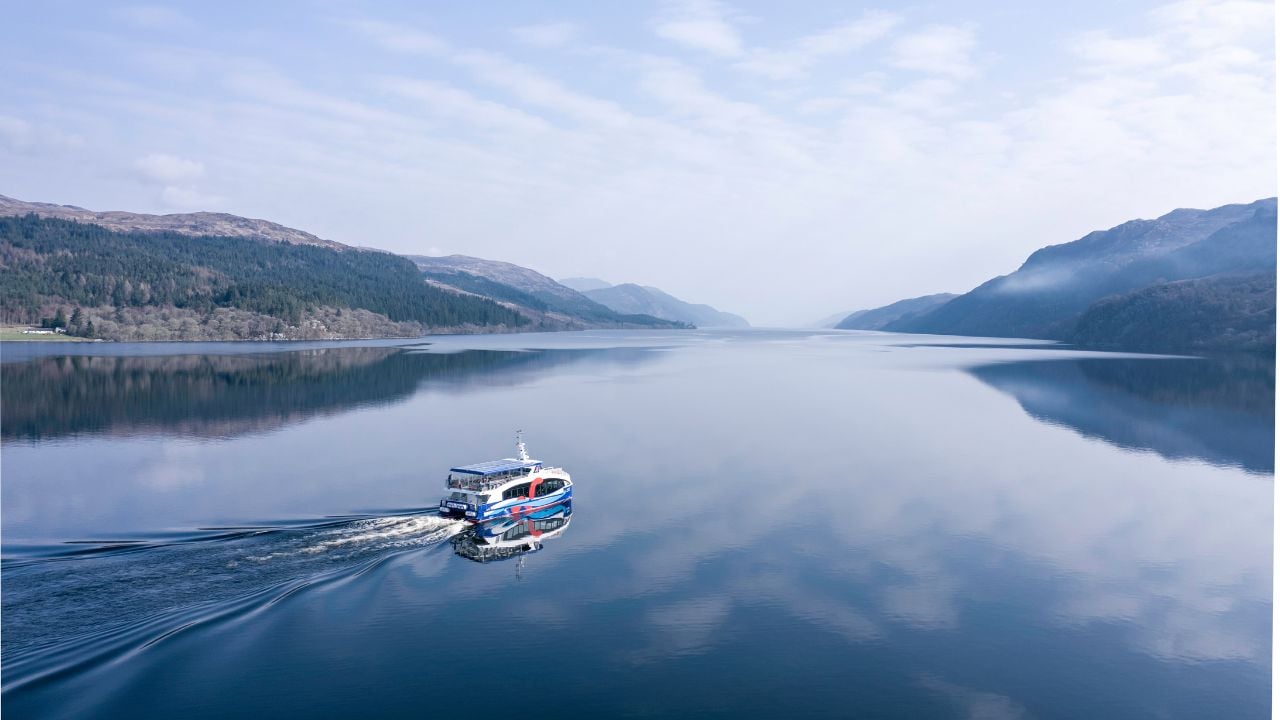
Loch Ness is beautiful, but surprisingly quiet and empty. The lake itself feels similar to many others in the region. The monster myth carries most of the intrigue. Reality feels subdued.
There’s little to do beyond looking and imagining. The area is calm, but not dramatic. Expectations often exceed atmosphere.
Visitors often enjoy the drive more than the destination. The legend does the heavy lifting.
The Great Wall (Popular Sections), China

The Great Wall is massive, but popular sections feel crowded and commercialized. Souvenir stands and guided routes break immersion. The sense of isolation is gone. The experience feels managed.
Walking the wall can feel repetitive rather than awe-inspiring. The scale is impressive, but diluted by crowds. Quiet moments are rare.
Many travelers appreciate the history but feel emotionally disconnected. The wonder feels distant. The question quietly forms: “Is this it?”