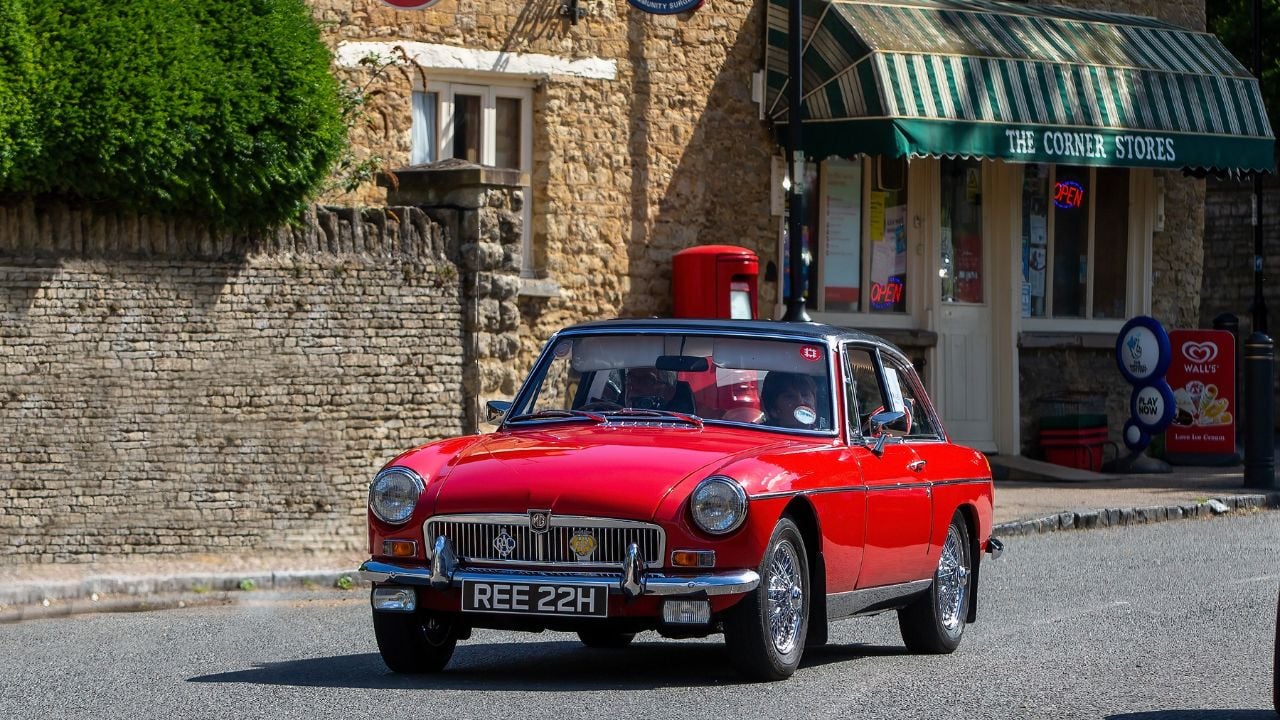
Cheap classic cars are harder to find than they used to be, especially when the goal is something old enough to feel mechanical, simple enough to maintain at home, and interesting enough to bring real personality to a weekend drive.
Carbureted classics still have a special place in that search. They need clean fuel, correct tuning, good ignition parts, and an owner willing to understand cold starts, idle quality, and the smell of old fuel. In return, they give drivers a direct mechanical connection that modern cars cannot fake.
The affordable path usually sits away from the obvious muscle-car spotlight. A small six-cylinder coupe, an air-cooled import, a British roadster, or an oddball compact can deliver more charm per dollar than a famous big-block car that now lives behind ropes.
These cars are simple, not modern. Buyers should expect old braking distances, old steering feel, limited crash protection, regular tinkering, and careful rust checks. The reward is old-school driving that still feels within reach when shoppers avoid perfect show cars and chase honest drivers instead.
Ford Falcon

The 1960s Ford Falcon is one of the cleanest ways into American classic ownership. It has simple proportions, compact size, rear-wheel drive, and a direct connection to the early Mustang story without forcing buyers into Mustang pricing.
The smart target is not a rare Sprint or a perfectly restored V8 car. Driver-grade six-cylinder Falcons and modest small-block cars fit this article much better. Hagerty’s 1964 Falcon guide notes the optional 260-cubic-inch V8 rated at 164 hp, while the available 200 Special Six gave six-cylinder buyers 116 hp and more usable power than the smallest early engines.
Classic.com puts the broader Falcon market around a $26,000 average, but that figure includes special body styles, V8 cars, customs, and stronger examples. The cheaper path is a complete, honest driver with a solid body, working trim, and no fantasy price attached to a rare badge.
The Falcon’s charm is not built around speed. It comes from light controls, clean styling, simple carbureted engines, and an engine bay that does not scare a careful owner. Rust, trim availability, old wiring, and previous repairs deserve close inspection, but a solid Falcon gives buyers classic Ford character without chasing the obvious Mustang crowd.
Chevrolet Corvair
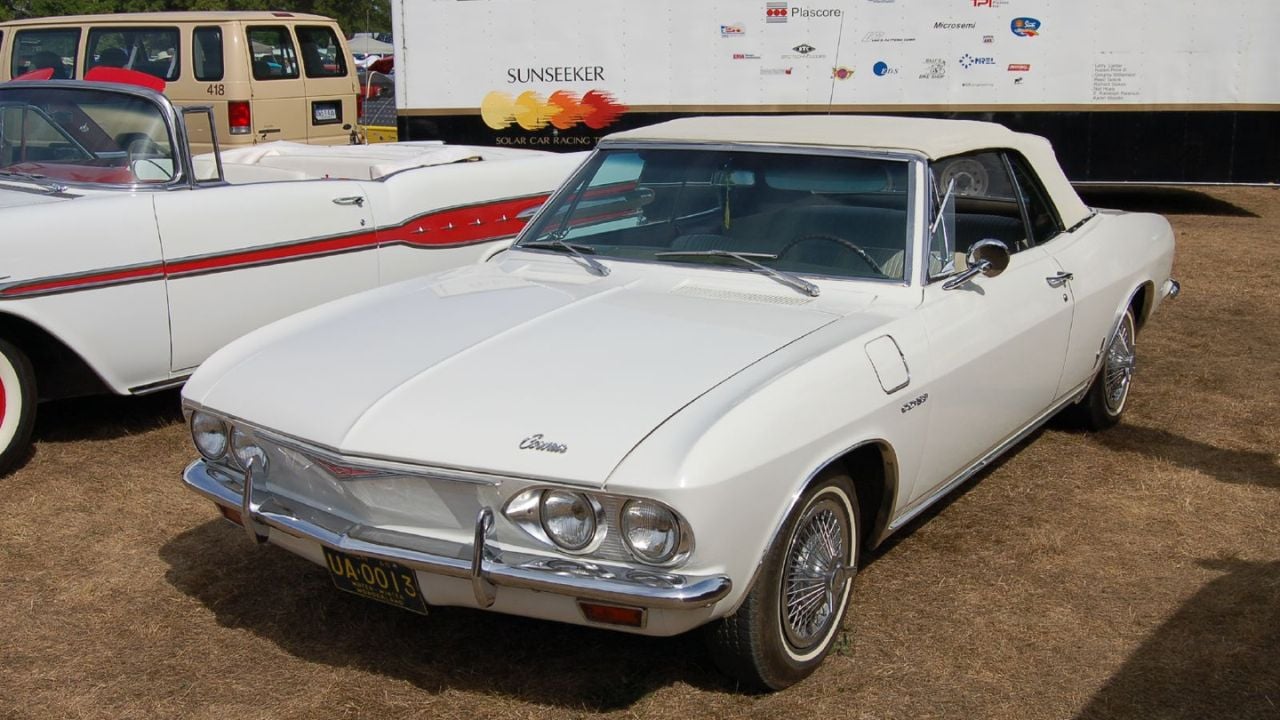
The Chevrolet Corvair is still one of the most interesting affordable American classics because it does not follow the usual Detroit script. Its rear-mounted, air-cooled flat-six gives it a completely different character from a front-engine compact, and the 1965 to 1969 body remains one of Chevrolet’s cleanest designs from the era.
Classic.com lists the broader Corvair market around the mid-teens on average, with project cars far below that and special examples much higher. The affordable path is usually a solid Monza coupe or convertible, not a rare Corsa, turbocharged model, or freshly restored showpiece.
A Corvair rewards buyers who care more about engineering personality than horsepower. The body sits low, the steering feels different from a conventional American compact, and the carbureted flat-six gives the car a sound and feel that stand apart from the usual small-block formula.
Condition still decides whether the car is charming or exhausting. Oil leaks, rust, missing trim, poor previous repairs, and neglected carburetors can turn a tempting price into a long project. A sorted Monza gives drivers something genuinely different while staying realistic next to better-known 1960s classics.
Plymouth Duster

The Plymouth Duster only fits the affordable-classic argument when buyers skip the high-dollar versions. A real Duster 340, a restored performance build, or a heavily optioned car can leave the budget zone quickly. The better target is a Slant Six or 318-powered driver with honest paint, a solid body, and no fake muscle-car identity.
The Duster arrived for 1970 as a compact two-door fastback based around the Valiant platform. Dodge Garage notes that standard Dusters could be ordered with the 198 or 225 Slant Six, while a 318 V8 with two-barrel carburetion gave buyers a stronger but still sensible option. The collectible 340 is the one that pulls the nameplate toward serious muscle-car money.
The Slant Six and 318 cars still have the right ingredients. They bring rear-wheel drive, light weight, simple mechanicals, easygoing carbureted engines, and enough Mopar flavor to feel special without the price pressure of the famous performance trims.
Buyers need to be suspicious of rust and identity games. Lower quarters, floors, tired vinyl roofs, hacked wiring, weak brakes, and cars wearing performance badges they did not earn all deserve attention. A clean driver-grade Duster still feels like a real classic without demanding blue-chip muscle-car money.
MG MGB

The MGB remains one of the most logical affordable sports cars for buyers who want a carbureted classic they can actually use. Hagerty’s buyer guide notes that early MGB roadsters used a 95-hp 1800-cc overhead-valve four-cylinder with two SU carburetors, while the broader MGB market still sits far below many better-known European classics.
The MGB has the right mix of charm and practicality. It is small, simple, rear-wheel drive, easy to understand, and backed by one of the strongest parts networks in the classic sports car world. It also has enough real-road usability to handle a relaxed weekend drive instead of feeling like a fragile museum piece.
Chrome-bumper cars usually bring stronger money, while later rubber-bumper models often offer a more affordable entry point. That does not make the cheaper car automatically better. Rust and structure matter far more than year bragging rights.
Sills, floors, rockers, lower body panels, brake condition, cooling health, and previous repairs should decide the purchase. A solid MGB can deliver top-down driving, manual-gearbox engagement, and carbureted sports-car feel without turning every service job into a financial event.
Volkswagen Beetle

A carbureted classic Volkswagen Beetle is one of the rare old cars that still feels both familiar and strange. The shape is famous, the engine is air-cooled, the mechanical layout is simple, and the parts network remains deep.
The affordable case depends on restraint. Classic.com lists the Type 1 Beetle market around a $19,000 average, while Classics on Autotrader shows current Beetle asking prices starting below $5,000. That spread says everything: rough projects, restored cars, customs, convertibles, and clean drivers all live under the same familiar shape.
Buyers who specifically want a carbureted Beetle should verify the fuel system, engine condition, and previous modifications instead of assuming every old Beetle is the same. Stock or lightly improved cars usually make better weekend classics than rough custom builds assembled from whatever parts were available.
The Beetle is slow, noisy, and basic, yet those traits are part of the charm. Buyers should inspect heater channels, floor pans, front axle components, old repairs, fuel lines, brakes, and engine end play. A good Beetle rewards simple expectations and still has enough community support to keep ownership approachable.
AMC Gremlin

The AMC Gremlin spent years as a punchline, which helped preserve its strange charm. Collectors have become more interested in unusual 1970s cars, but the Gremlin still sits outside the predictable muscle-car script.
The affordable route is a complete six-cylinder driver. Early Gremlins offered AMC inline-six power, including a 232-cubic-inch six that period materials rated as high as 145 hp in 1970, while later horsepower ratings shifted as the industry moved away from older gross-output numbers. Exact year-to-year horsepower matters less here than buying the right kind of car: simple, complete, and not pretending to be something rarer.
Classic.com lists the broader Gremlin market around a $20,000 average, with the lowest recorded sales far below that. That average includes stronger, cleaner, and more desirable versions, so the realistic budget case depends on avoiding restored Gremlin X cars, V8 swaps, and heavily modified builds.
A smart buyer should focus on body condition, interior completeness, glass, trim, and evidence of careful ownership. AMC-specific parts can require more patience than Ford, Chevrolet, MG, or Volkswagen parts, so buying the best complete car matters. A clean Gremlin gives drivers something memorable without copying the usual collector-car formula.
Why Carbureted Classics Still Keep Old-School Driving Affordable
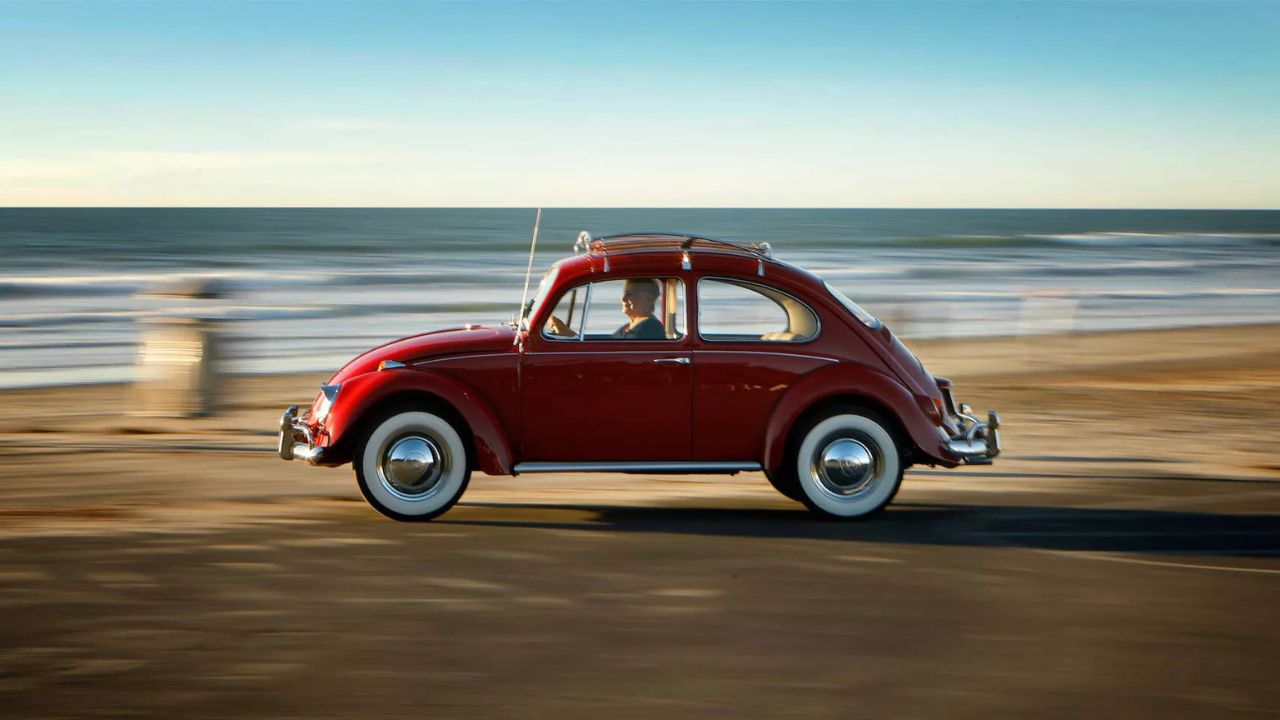
None of these cars needs huge horsepower to feel special. Their value comes from simple engines, light controls, analog sound, visible mechanical parts, and the small rituals that come with old-car ownership.
The smartest buy is rarely the cheapest listing. Solid body structure, clean paperwork, complete trim, sorted brakes, fresh tires, healthy cooling, good fuel lines, and properly tuned carburetors matter more than saving a few thousand dollars on a rough project.
That is where these cars still have a pull. The Falcon gives buyers classic American shape without Mustang money. The Corvair brings unusual engineering. The Duster delivers Mopar flavor if buyers avoid the 340-car trap. The MGB keeps British sports-car driving approachable. The Beetle has deep parts support and global familiarity. The Gremlin turns oddball character into the whole reason to look twice.
For drivers who want a classic they can understand, maintain, and enjoy without chasing the most obvious collector badges, these six cars still have a clear reason to exist. They keep old-school driving affordable by staying simple, mechanical, imperfect, and full of personality.