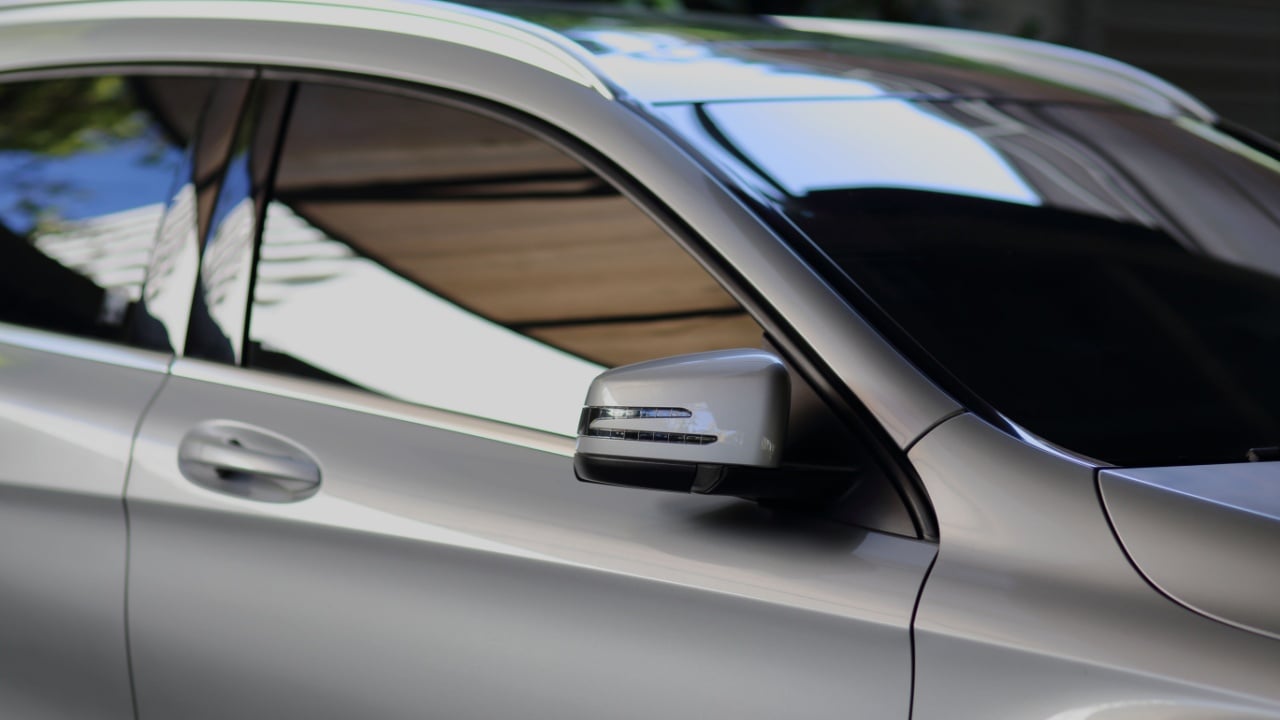
Imagine driving down the highway on a scorching summer day, the sun glaring through your windshield, making it nearly impossible to see. Or picture a winter morning when the low sun blinds you at just the wrong angle.
For years, drivers have relied on traditional window tints to combat these challenges, but those have always been a one-size-fits-all solution. Now, thanks to a new invention, smart tint control may finally offer a more flexible and practical answer.
How Does It Work?
A team of inventors working through InventHelp has developed an innovative way for drivers to adjust the tint of their windows in real time. Unlike fixed window tints, this smart system allows the driver to change the level of shading depending on conditions. Whether facing intense sunlight, wanting added privacy, or driving at night when full visibility is necessary, this technology offers an adaptable alternative. The goal is to enhance both comfort and safety while eliminating the compromises that come with traditional tinting methods.
Smart window tint technology isn’t entirely new, but its availability to everyday drivers has been limited. Most systems operate using electrochromic materials, which react to electrical signals to adjust their opacity. This means that at the push of a button, or even automatically based on environmental sensors, the glass can darken or lighten as needed. Some high-end luxury cars and even certain airplane windows have already implemented similar technology, but an affordable and widely available version for everyday vehicles would be a game-changer.
Advantages Over Traditional Tinting
The benefits of this technology go beyond just reducing glare. By controlling the amount of sunlight that enters the vehicle, smart tinting can help regulate cabin temperature, potentially lowering the need for air conditioning and improving fuel efficiency.
It also enhances privacy, as drivers can increase tint levels when parked or in situations where they prefer not to be seen. Perhaps most importantly, it improves safety by reducing sun glare, which is a significant factor in many road accidents.
Market Availability and Comparisons
While this specific smart tint controller is still in the invention phase, similar products have started to enter the market. Companies like Smart Tint Inc. offer systems that allow users to manually adjust tint levels, and some newer innovations use liquid crystal or polymer-dispersed liquid crystal technology to achieve similar effects. However, widespread adoption is still in progress, and cost remains one of the biggest hurdles.
High-end electrochromic windows can be expensive, and durability is another concern, as long-term performance in varying weather conditions needs to be tested over time.
Considerations and Future Prospects
Looking ahead, the rise of smart tinting solutions signals a shift in how we think about vehicle comfort and safety. As technology advances and costs decrease, it’s likely that more manufacturers will start integrating adjustable tinting as a standard feature.
This could lead to a future where drivers never have to worry about blinding sunlight or struggling with inconvenient window shades again. If this new invention makes it to market at an accessible price point, it could very well become a must-have feature in the cars of tomorrow.