Across the United States, financial pressures are forcing drivers to make difficult decisions. For some, that means holding off on buying a new car. For others, it means scaling back insurance coverage or canceling it altogether.
A new national study by Guardian Service shows a significant shift in how Americans are protecting themselves behind the wheel. Nearly one in three adults surveyed said they had downgraded or dropped insurance coverage in the past year, with auto policies taking the biggest hit.
As costs continue to climb—from vehicle prices and repairs to interest rates and premiums—more people are viewing full coverage as a financial stretch. The impact of those decisions may not be felt immediately, but they carry risks that affect everyone on the road.
Key Findings From the Study
The Guardian Service survey of 1,000 U.S. adults revealed the following trends:
- Twenty-four percent of respondents said they had underinsured their vehicles to save money.
- Fifteen percent had canceled their car insurance in the past year due to affordability concerns.
- Eight percent had switched from full coverage to liability-only plans, which offer minimal protection if an accident occurs.
- Nearly one-third said they would consider going without insurance temporarily to cover basic needs.
- Job insecurity and economic uncertainty were among the most frequently cited reasons for reducing or eliminating coverage.
These findings come amid a broader wave of financial retrenchment. Across generations, Americans are rethinking large purchases and scaling back long-term goals.
Financial Anxiety Extends Beyond Insurance
The same survey found that 35 percent of Americans delayed or canceled a major purchase in 2025, such as a home or a car. Twenty-two percent postponed home purchases, and eight percent said they put car buying plans on hold. Five percent was delayed for both. For younger adults, the impact is especially pronounced. One in three Gen Z respondents said they had deferred buying a car this year.
Millennials were the most likely to pause major purchases and scale back homeownership expectations, citing inflation and high interest rates as significant factors. Nearly one in four now believe renting is a smarter financial choice in 2025.
Twelve percent of respondents said they had adjusted their vision of a dream home in response to rising costs, and Gen Z renters now expect to afford their first home around age 33. Millennials have revised that expectation upward to age 44.
A Growing Concern for Every Motorist
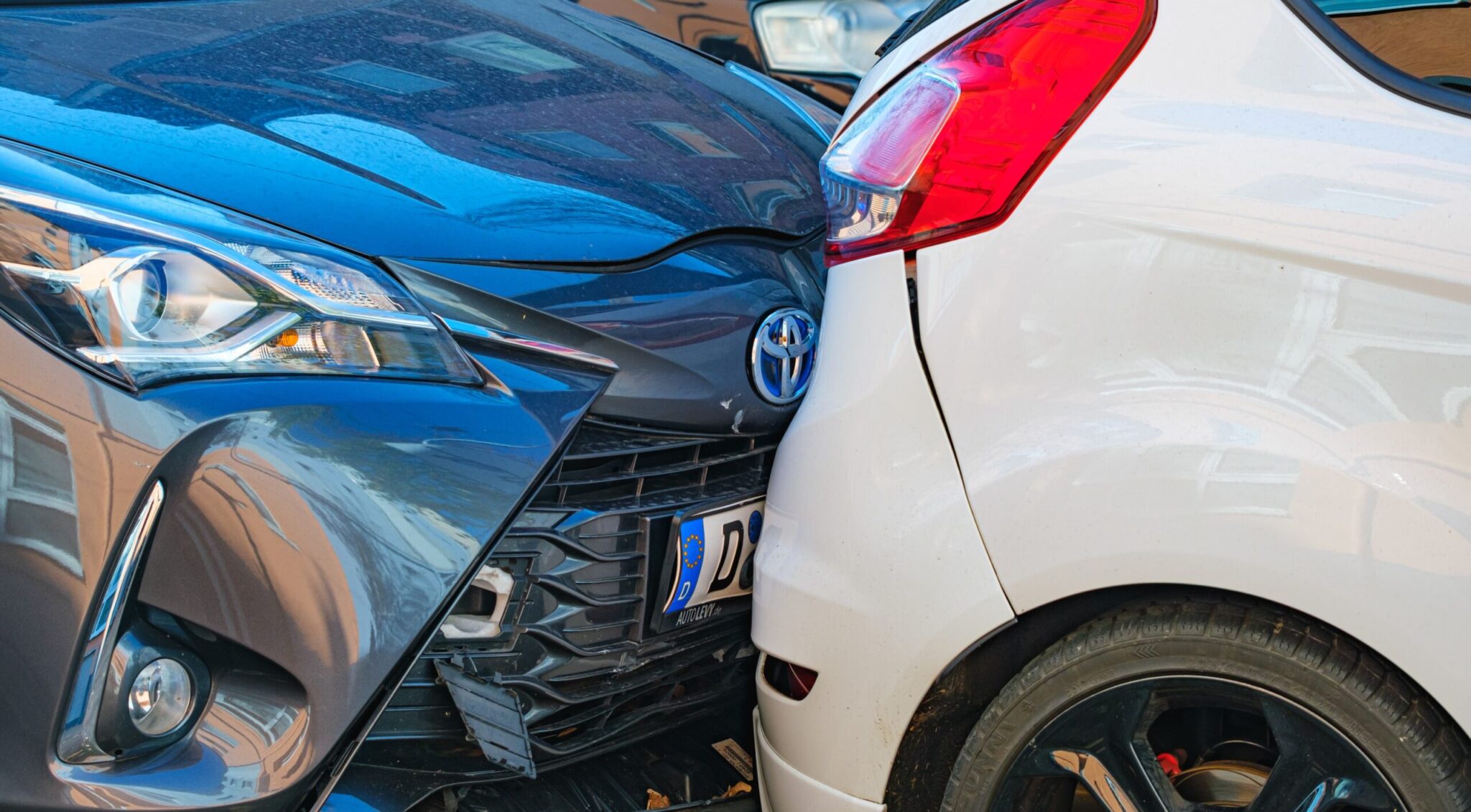
While these insurance cutbacks are often a personal response to financial strain, their consequences extend far beyond the individual. As more drivers reduce coverage or go without it entirely, the risk to other motorists increases. In the event of a crash, drivers relying on minimal liability protection may be unable to cover the cost of damage or injuries they cause.
This trend is raising alarm among industry experts and consumer advocates alike. Drivers who maintain full coverage or adequate liability protection may find themselves absorbing financial losses caused by underinsured or uninsured drivers.
The Guardian Service study reinforces that coverage decisions are not just a personal matter. When one driver scales back protection, it may leave others legally and financially vulnerable in the event of a collision.
Mixed Views on the Value of Insurance
Despite the rise in cutbacks, most Americans still recognize the importance of staying insured. Seventy-seven percent of respondents said they view car insurance as essential, and 57 percent said the same of renters’ or homeowners’ insurance. However, only 37 percent said they fully trust insurance companies to help when something goes wrong.
The disconnect between perceived importance and actual behavior reflects the hard choices many households are facing. Recurring costs, including the national average of $189 per month for car insurance, are under scrutiny as families look to cut spending.
Among those who downgraded coverage, some did so temporarily to reinstate full protection once their financial situation stabilizes. Others took the risk knowingly, hoping to avoid claims or accidents during the lapse.
Staying Covered in Uncertain Times
For those who are financially secure, this may be the right time to re-evaluate their policy. Uninsured and underinsured motorist (UM/UIM) coverage can offer a critical backstop if the driver who causes a crash cannot pay. Yet many have low limits that may cover the full cost of serious accidents.
Insurance experts recommend that drivers consider:
- Reviewing UM/UIM limits and increasing them if they are outdated.
- Exploring discounts, bundling options, or usage-based insurance models.
- Asking about flexible or adjustable coverage options during periods of low driving activity.
- Avoiding complete lapses in coverage, which can increase future premiums and limit options.
Even for those who feel confident in their finances, the shift toward widespread underinsurance is creating a more fragile environment on U.S. roads. The consequences of another driver’s cost-cutting decisions may not be visible until it is too late.