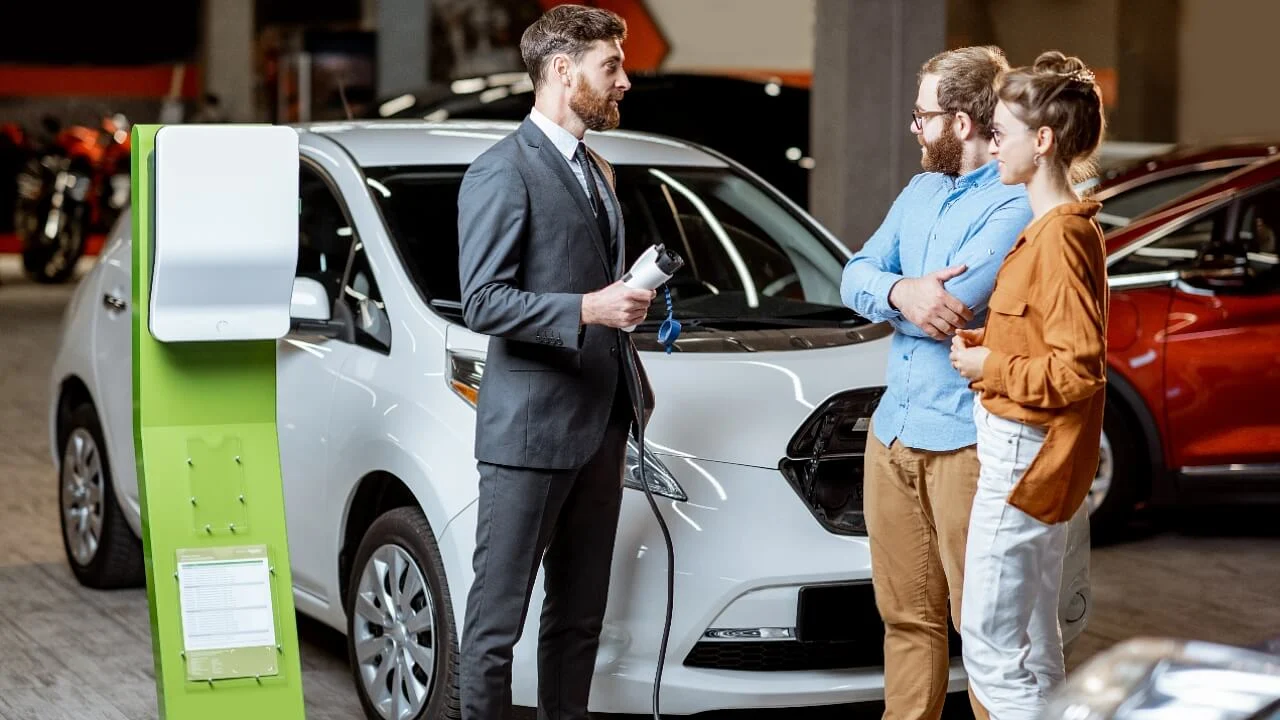
For decades, customer loyalty in the car industry was fairly predictable. Buyers would purchase a vehicle from brands like Toyota, Honda, or Ford, return to the same dealership for maintenance, and eventually trade in that vehicle for another one from the same showroom.
As vehicle prices continue climbing and ownership costs become harder to ignore, that cycle is starting to break down, and customers are becoming far less loyal to badges alone and much more focused on the overall ownership experience.
A new study from Cox Automotive suggests dealerships may now have far more influence over customer retention than the automakers themselves. The biggest factor is no longer simply the vehicle being sold, but how buyers are treated after they sign the paperwork.
In many cases, a customer’s first dealership service appointment is becoming more important than the original sale itself when it comes to creating loyalty.
The First Service Visit Now Matters More Than Ever
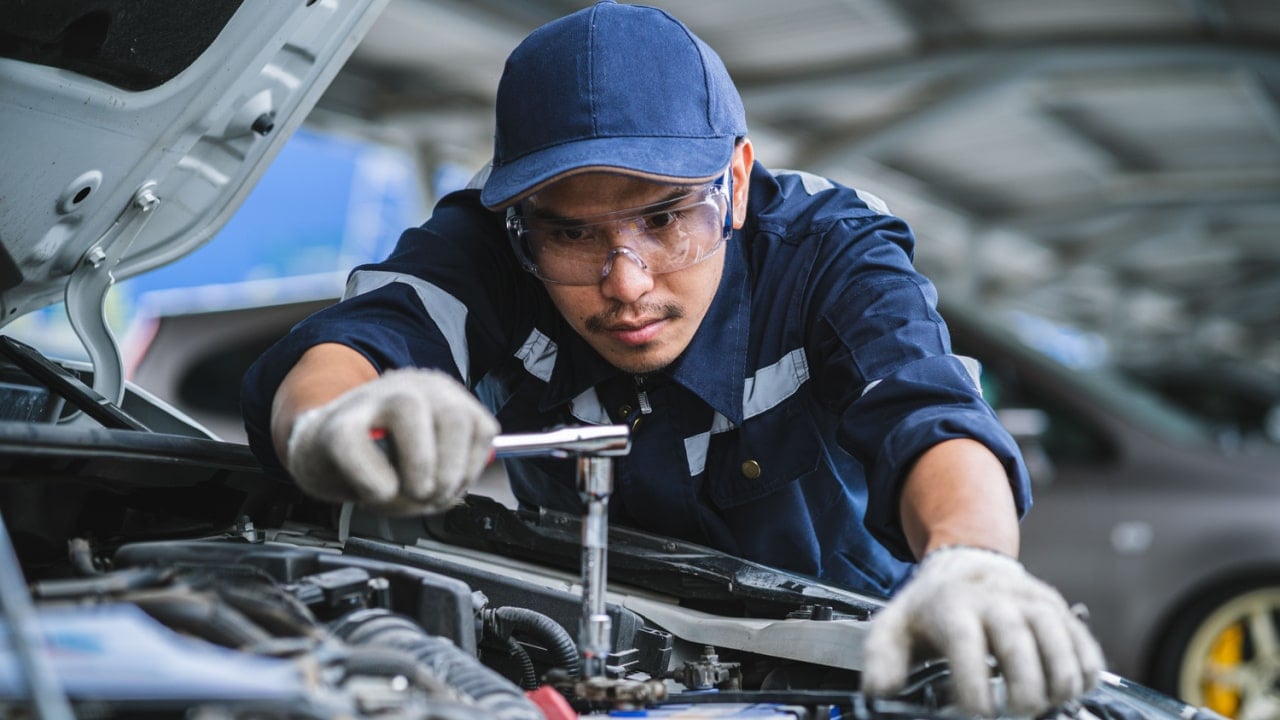
According to Automotive News, Cox Automotive surveyed more than 2,500 consumers who serviced a vehicle within the last year, along with 500 fixed-operations managers from franchised dealerships.
One of the most evident conclusions was that dealerships are steadily losing service customers to independent repair shops and quick-service chains. In 2018, dealerships accounted for roughly 33 percent of service visits. By 2025, that share had dropped to 29 percent.
Meanwhile, independent repair facilities and quick-lube chains continue gaining ground. General repair shops increased their share from 25 percent to 27 percent, while quick-service centers climbed from 12 percent to 14 percent during the same period.
Those numbers may sound small on paper, but they represent a major long-term problem for dealerships that rely heavily on service revenue.
Dealers Are Losing Customers Earlier In Ownership
The situation becomes even more concerning when looking at newer vehicles. In 2018, dealerships handled 68 percent of service visits for vehicles less than two years old. By 2025, that figure had fallen to 55 percent.
For vehicles between two and five years old, dealership service share dropped from 58 percent to only 45 percent. Those are critical ownership years because they often determine whether customers remain attached to the dealership long-term.
Cox Automotive estimates that nearly 80 percent of service spending occurs between years six and 10 of ownership. Since Americans now keep vehicles for an average of 8.4 years, dealerships that lose customers early are often forfeiting the most profitable years entirely. That reality is transforming how retailers think about customer retention.
Customer Experience Is Becoming The Real Loyalty Program
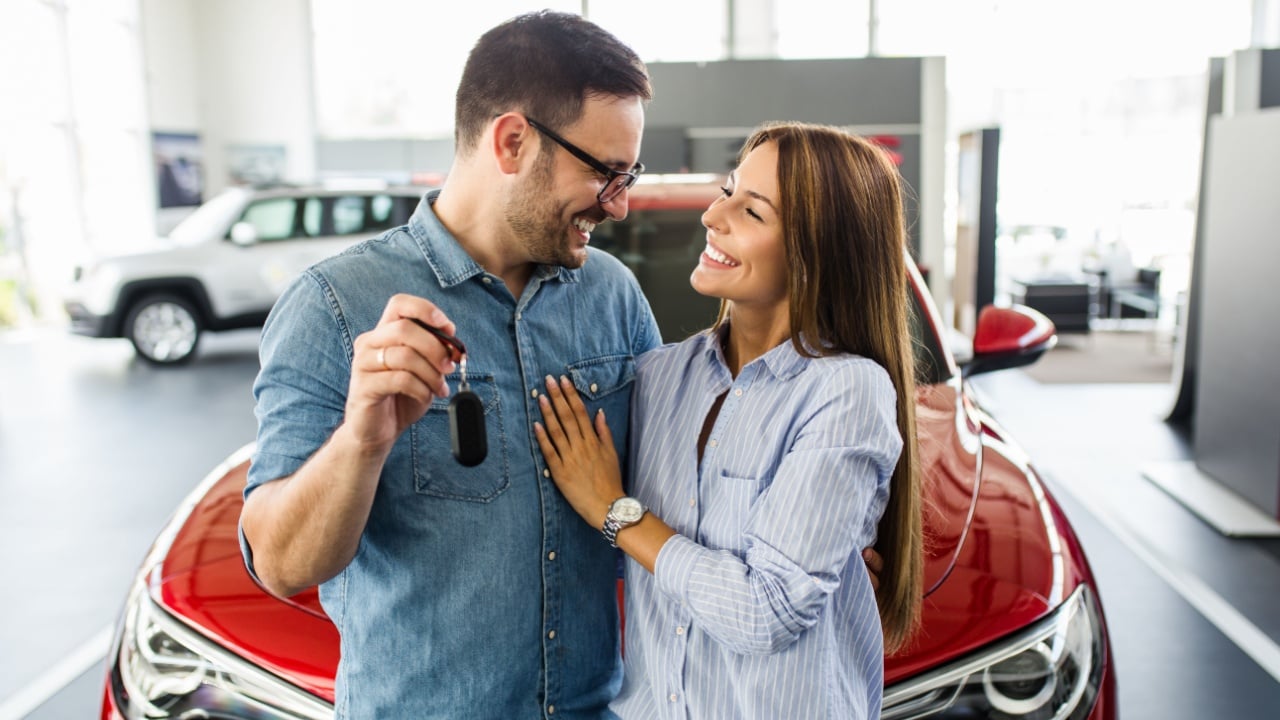
The study found that roughly 56 percent of consumers said their service experience strongly influences where they buy their next vehicle. Customers who continue returning to the dealership for maintenance are reportedly twice as likely to purchase another vehicle from the same retailer later on.
Despite that, only about one-quarter of dealerships currently schedule a customer’s first service appointment at the time of purchase. That means many stores are still missing one of the easiest opportunities to build long-term relationships.
The problem is not always pricing, either. Customers frequently complain about poor communication, long wait times, confusing scheduling systems, or generally frustrating service experiences.
When dealerships fail to make ownership feel easy and stress-free, customers increasingly have no problem taking their vehicles elsewhere.
Automakers Are Trying To Keep Buyers From Leaving
Some manufacturers are already responding to changing loyalty trends. Ford recently introduced incentives designed to retain Escape owners after discontinuing the SUV, hoping to keep those customers inside the brand rather than losing them to competitors.
Still, discounts and loyalty offers can only go so far. If the dealership experience itself feels frustrating, many buyers will simply move on regardless of incentives.
That is especially true now, because consumers are shopping differently than they did a decade ago. With vehicle prices near record highs and financing costs remaining elevated, buyers are placing much more value on convenience, trust, and long-term ownership support. A good service department can now create repeat buyers almost as effectively as a good vehicle.
The Industry Is Entering A Different Loyalty Era
The takeaway from the study is that dealership loyalty is becoming increasingly disconnected from traditional brand loyalty. Buyers still care about reliability and product quality, but customer treatment during ownership is now playing a much bigger role in future purchase decisions.
That creates both an opportunity and a warning for dealerships. Stores that prioritize communication, scheduling convenience, and strong customer service could build much stronger long-term retention than competitors selling nearly identical vehicles.
Dealerships that continue treating service departments as an afterthought may find themselves losing customers long before those buyers are ready for their next car.