
For decades, Europe’s automotive giants defined themselves through luxury sedans, performance cars, and engineering prestige. Now, amid rising geopolitical tension and rapidly expanding military budgets across Europe, some of those same companies are beginning to openly discuss a very different kind of production line.
Mercedes-Benz CEO Ola Källenius has signaled that the German automaker would be willing to participate in Europe’s growing defense industry if the opportunity makes financial and strategic sense. The comments come as European governments dramatically increase military spending following years of instability tied to Russia’s invasion of Ukraine and general global security concerns.
Källenius stopped well short of announcing any specific military contracts or projects. Still, his remarks place Mercedes-Benz alongside a growing list of automakers now openly exploring defense-related manufacturing opportunities as Europe looks to strengthen domestic industrial capacity for military equipment and logistics.
This says a lot about the pressures currently facing the automotive industry. Slowing EV demand, rising Chinese competition, tariffs, weak European growth, and declining profits are forcing manufacturers to search for new revenue streams, even if those opportunities exist far outside the traditional car business.
Mercedes Says It Could Play “A Positive Role”
Speaking to The Wall Street Journal, Källenius said Europe’s changing security environment is impossible for major industrial companies to ignore. “The world has become a more unpredictable place,” he said, adding that Europe clearly needs to strengthen its defense capabilities.
According to Källenius, Mercedes-Benz would be open to contributing if the company could “play a positive role.” He emphasized, however, that any future defense-related operations would likely remain a relatively small portion of Mercedes-Benz’s overall business.
The CEO framed the company’s manufacturing expertise as its primary advantage. Large-scale industrial precision manufacturing, logistics coordination, and engineering efficiency are all areas where major automakers already excel, making them potentially valuable partners for governments and defense contractors looking to expand production capacity quickly.
Germany’s Auto Industry Is Facing Serious Pressure
The timing of these comments is not accidental. Germany’s automotive industry has been under mounting financial strain over the past two years as automakers battle weak European demand, rising production costs, and intensifying competition from Chinese EV manufacturers.
Mercedes-Benz reported that profits fell roughly 49 percent in 2025, dropping from €10.4 billion to €5.3 billion. The company has also struggled with tariff-related costs and increasing pressure in China, once one of its most profitable markets.
Other German automakers are dealing with similar challenges. Volkswagen is reportedly exploring defense-related manufacturing opportunities as well, including discussions involving military transport vehicles and components tied to missile-defense systems.
Meanwhile, defense companies themselves are increasingly targeting struggling automotive facilities and workers. Firms such as Rheinmetall and Hensoldt have already begun recruiting automotive-sector employees or evaluating whether former automotive factories could be repurposed for military production.
Mercedes Already Has Military Connections
While the idea of Mercedes-Benz entering the defense space may sound dramatic, the company already maintains indirect ties to military applications. Mercedes-Benz Group remains the largest shareholder in Daimler Truck, which produces military-grade trucks and logistical vehicles used by armed forces worldwide.
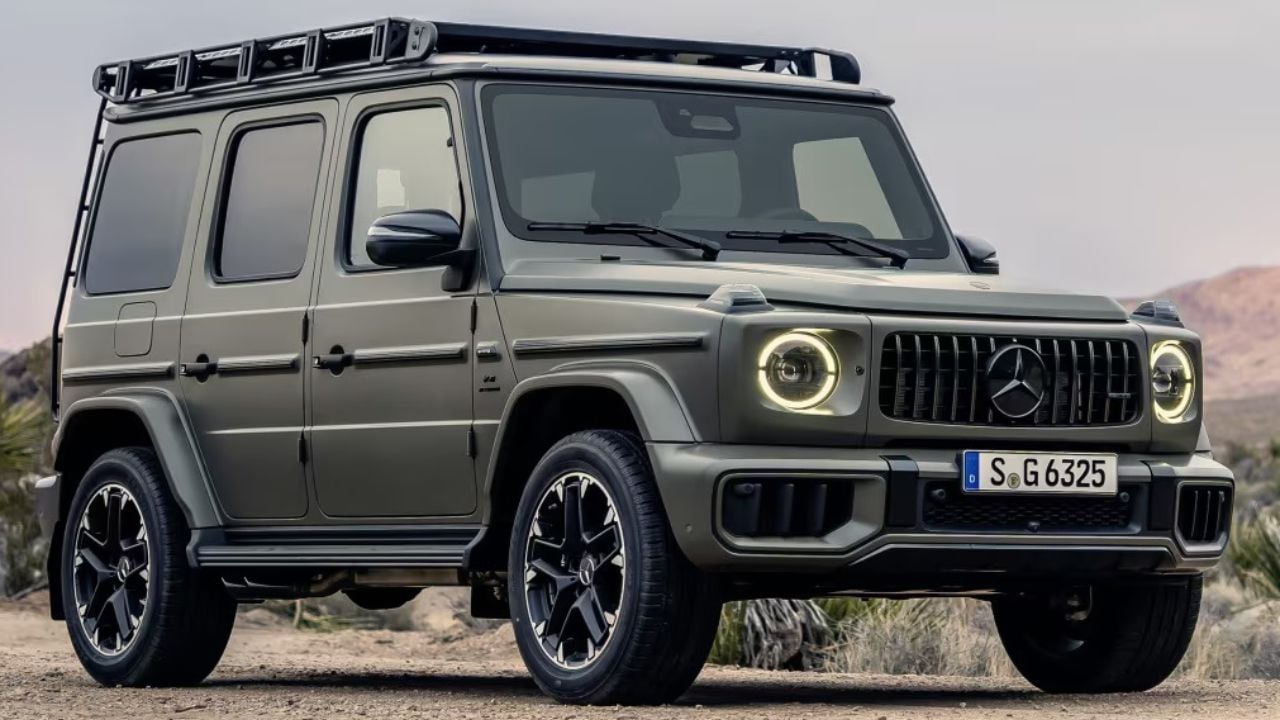
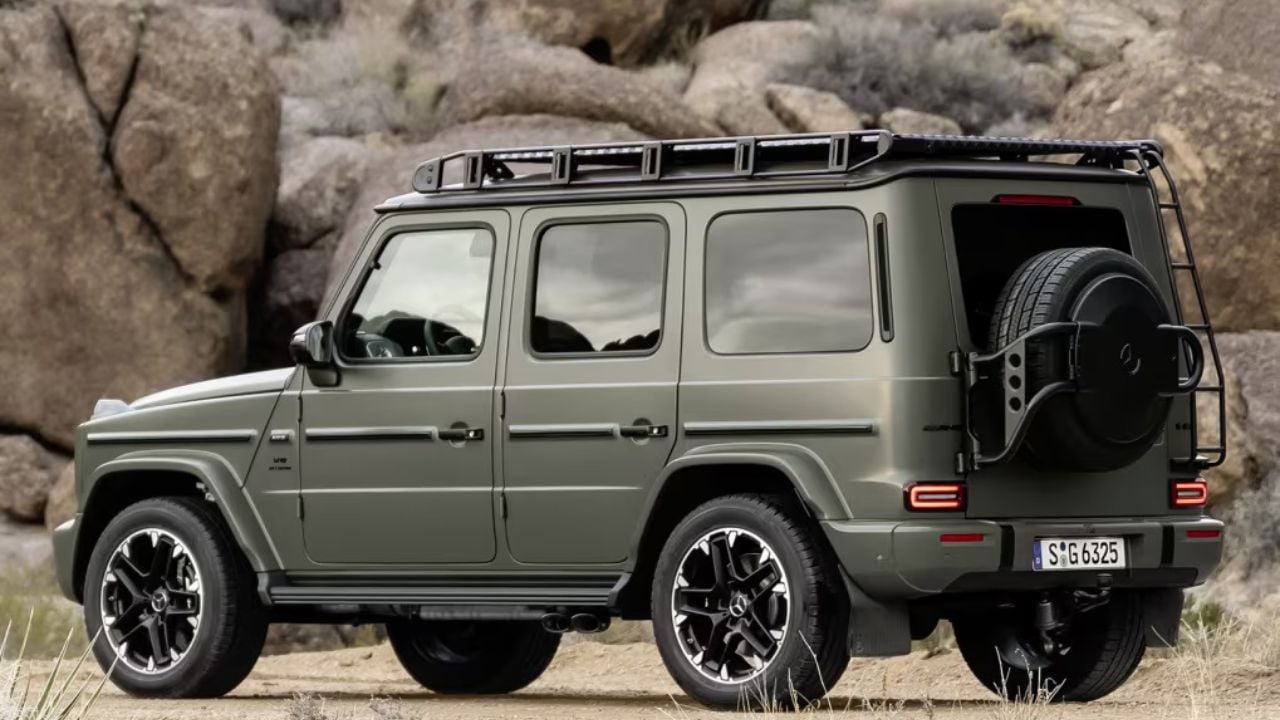
The G-Class also has a long history of military service. Variants of the rugged SUV have been used by multiple armed forces and government agencies for decades, long before the civilian G-Wagen became a luxury status symbol.
Källenius’ comments suggest Mercedes sees an opportunity to expand beyond those existing connections if defense manufacturing continues growing into a major industrial sector across Europe. Still, the company has not indicated whether it would pursue military logistics, engineering support, component manufacturing, or something more extensive.
Automakers Are Increasingly Looking Beyond Cars
The future has become uncertain for traditional automakers. EV adoption has slowed in many regions, profit margins are tightening, and manufacturers are facing enormous investment demands tied to electrification, software, and autonomous technology.
Defense spending, by contrast, is surging rapidly across Europe and North America. According to SIPRI, the world’s 100 largest defense companies generated record revenues in 2024 as governments boosted military budgets in response to global instability.
That financial contrast is difficult for industrial manufacturers to ignore. Automotive factories already possess many of the large-scale production capabilities, supply-chain systems, and skilled labor forces needed for certain defense applications, even if converting facilities would still require significant investment.
It Raises Bigger Questions
The growing overlap between automotive manufacturing and defense production also highlights how dramatically the global industrial landscape is changing. Just a few years ago, automakers primarily focused on electrification, sustainability goals, and mobility services. Now, conversations increasingly include military production capacity and geopolitical resilience.
Some analysts argue that the defense industry could provide temporary financial stability for struggling manufacturers. Others question whether defense work can realistically offset the scale of the automotive sector, which remains vastly larger than Europe’s military-industrial base.
Either way, the fact that executives from companies like Mercedes-Benz and Volkswagen are openly discussing defense manufacturing at all would have sounded unthinkable not very long ago. Now, it increasingly feels like part of an industrial realignment happening across Europe as economic uncertainty and geopolitical tension continue to reshape priorities for some of the world’s largest automakers.