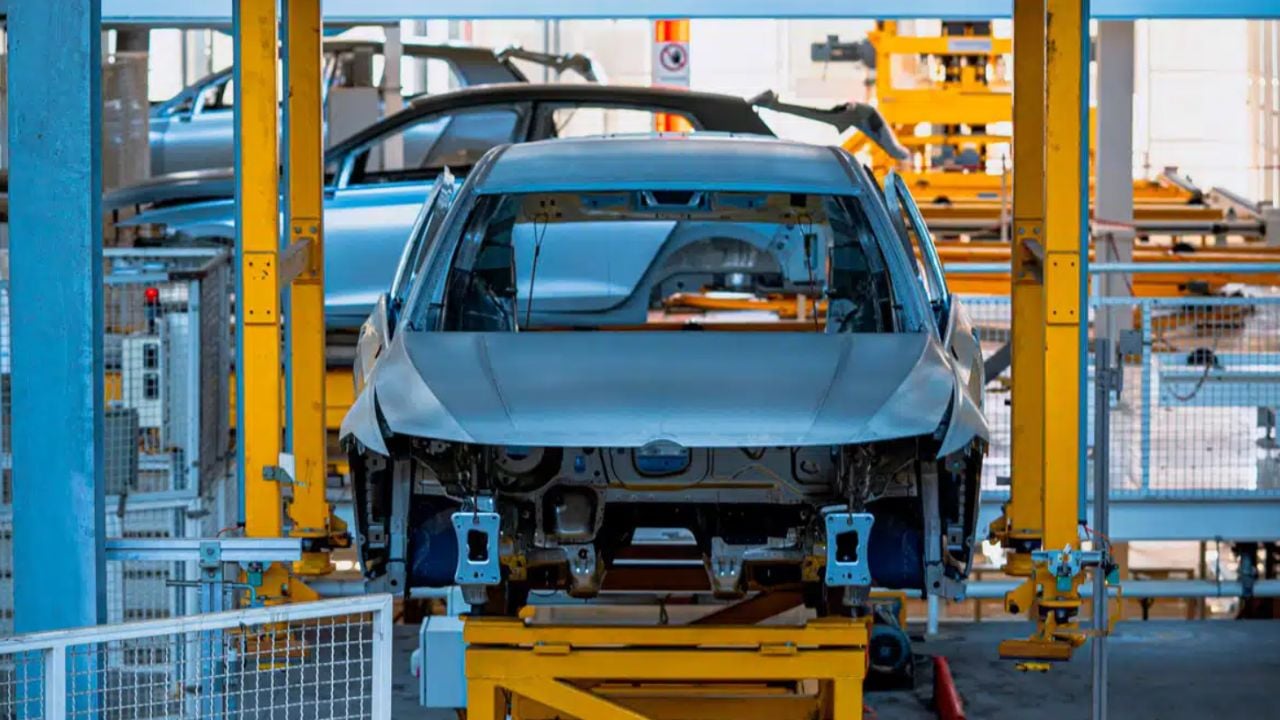
The global auto industry is going through a strange phase right now. Factories that once built iconic cars are suddenly becoming liabilities, and automakers are scrambling to figure out what to do with excess capacity.
At the same time, another industry is booming for very different reasons. Defense spending is rising across Europe, driven by geopolitical tensions and a renewed focus on military readiness.
Now those two worlds are starting to overlap in a way few would have predicted just a few years ago, and the latest example involves one of Germany’s most historic automotive facilities.
Because instead of building cars, this factory could soon be producing parts for missile systems.
A Volkswagen Plant Could Change Roles Completely
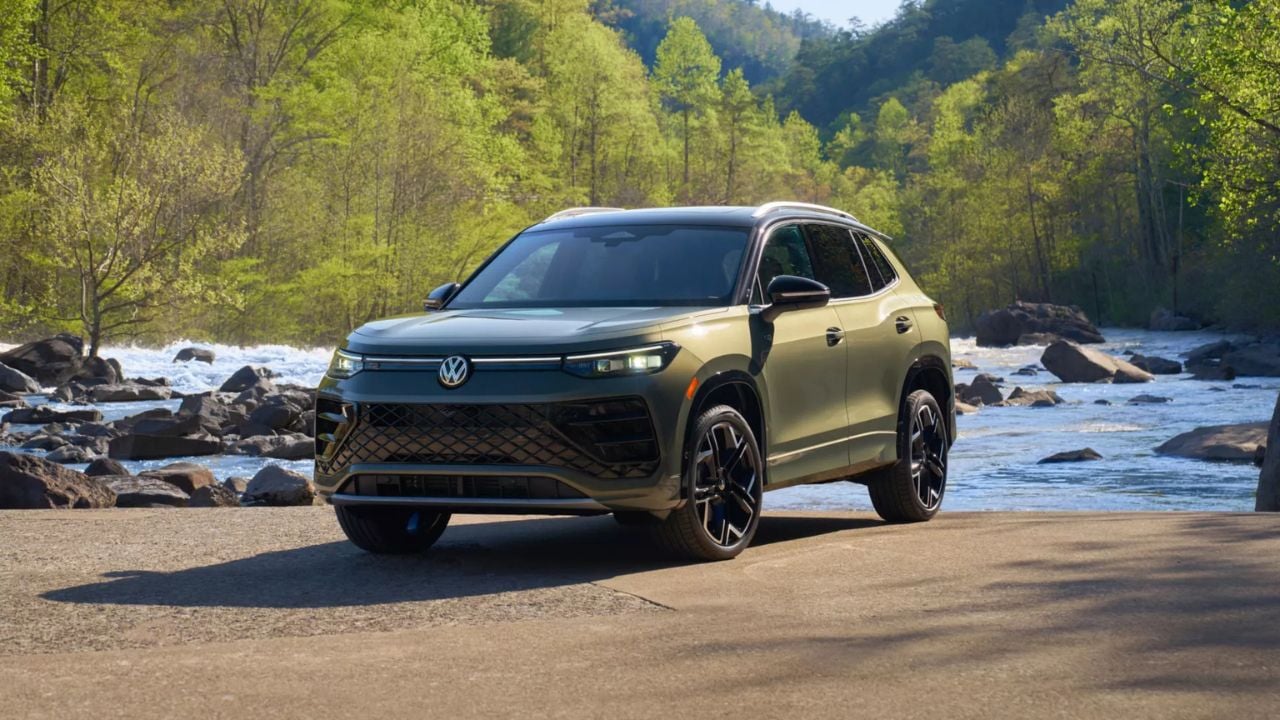
Volkswagen is reportedly in advanced talks to sell its Osnabrück plant to Rafael Advanced Defence Systems, a state-owned firm known for developing systems like Iron Dome and David’s Sling.
The discussions have reached the stage of a signed letter of intent, according to sources familiar with the matter. While neither company has officially confirmed the deal, Volkswagen CEO Oliver Blume acknowledged that negotiations with defense companies are ongoing.
If completed, the move would mark a dramatic change for the facility. Instead of producing vehicles, the plant would be repurposed to manufacture missile components such as motors and propulsion systems.
From Convertibles To Defense Hardware
The Osnabrück factory isn’t just any plant. It has a long history in the automotive world, dating back decades, and was originally operated by Karmann before Volkswagen took over in 2010.
Over the years, it has produced everything from the Karmann Ghia and Beetle convertibles to more modern models like the Golf Cabriolet and Audi RS4 Cabriolet. It has also handled niche vehicles like the Volkswagen XL1 and Porsche Boxster, making it one of the more unique production sites in Europe.
Today, however, its role has diminished significantly. The plant currently builds the Volkswagen T-Roc Convertible, a model that is set to be discontinued by 2027, leaving the future of the facility uncertain, and that uncertainty is exactly what opened the door for a deal like this.
Why Defense Companies Want Auto Factories
For companies like Rafael, partnering with automakers offers a major advantage. Automotive plants already have skilled workers, advanced tooling, and the ability to produce complex components at scale.
That’s something traditional defense facilities often lack. By repurposing an existing factory, a defense company can ramp up production much faster than building a new site from scratch.
The timing also makes sense, as Germany has committed hundreds of billions of euros to rebuilding its military capabilities, creating strong demand for defense manufacturing capacity.
In that context, turning an underused car factory into a defense production site suddenly begins to look like a practical solution.
Not Everything Is Settled Yet
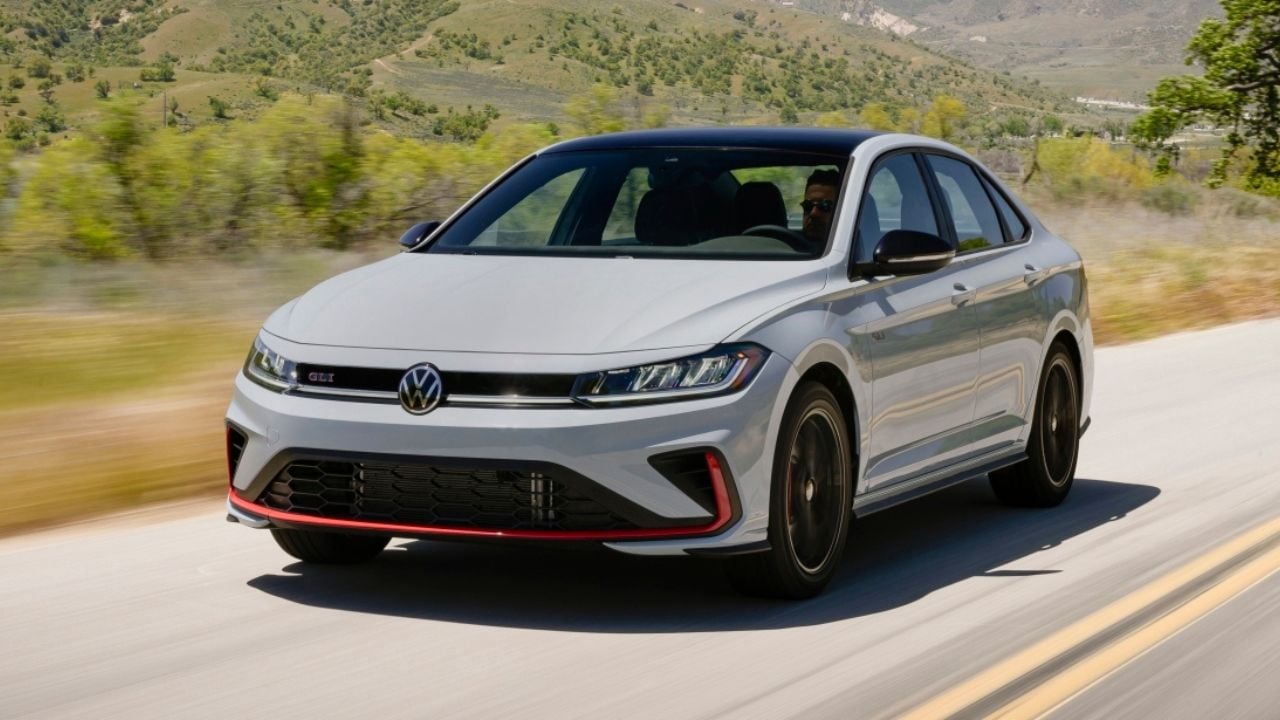
Even if both companies agree, the deal isn’t guaranteed to go through. The German government is expected to play a key role in the final decision, particularly when it comes to control over sensitive technologies.
Officials want to ensure that any defense-related production remains under German oversight and that critical technology stays within the country. That could influence how the deal is structured or whether it happens at all.
There are also limitations on what the plant would actually produce. Reports suggest it would focus on non-explosive components, with more sensitive elements manufactured elsewhere for security reasons. So while the headlines may sound dramatic, the reality is a bit more controlled and strategic.
What This Says About The Auto Industry
This potential deal highlights just how much the automotive landscape is changing. Automakers are no longer just competing with each other, they’re dealing with changing demand, overcapacity, and massive investments in new technologies.
At the same time, other industries are stepping in to take advantage of that excess capacity. Defense is just one example, but it’s arguably the most striking.
For Volkswagen, selling or repurposing the Osnabrück plant could help cut costs and stabilize its business. For Rafael, it offers a ready-made industrial base in the heart of Europe.