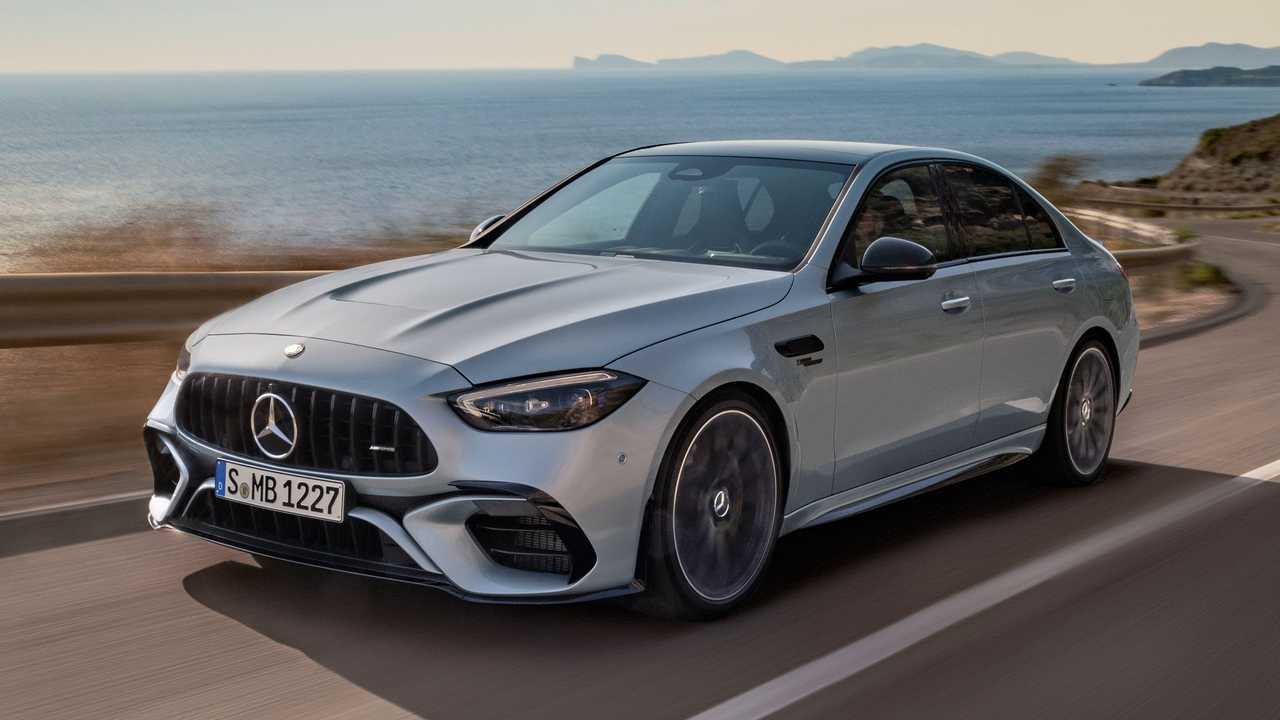
Mercedes-AMG is preparing one of the largest product offensives in its history as the performance division attempts to close the gap with BMW M. According to a new report from Automotive News, AMG plans to launch more than 27 new vehicles over the next three years while targeting annual global sales of 200,000 units by the end of the decade.
That would represent a massive jump from the roughly 145,000 AMG vehicles sold in 2025. The aggressive expansion comes at a critical moment for Mercedes-Benz’s performance arm as competition intensifies across both combustion and electric performance segments.
AMG CEO Michael Schiebe outlined the strategy as part of a push to strengthen the brand’s global presence while modernizing its lineup for the EV era. The company’s roadmap combines next-generation electric performance technology with updated V8 combustion engines in an effort to satisfy both traditional enthusiasts and future EV buyers.
The balancing act may determine whether AMG can reclaim momentum against rivals that have recently gained ground in the high-performance luxury market.
AMG Is Betting Big On Electric Performance
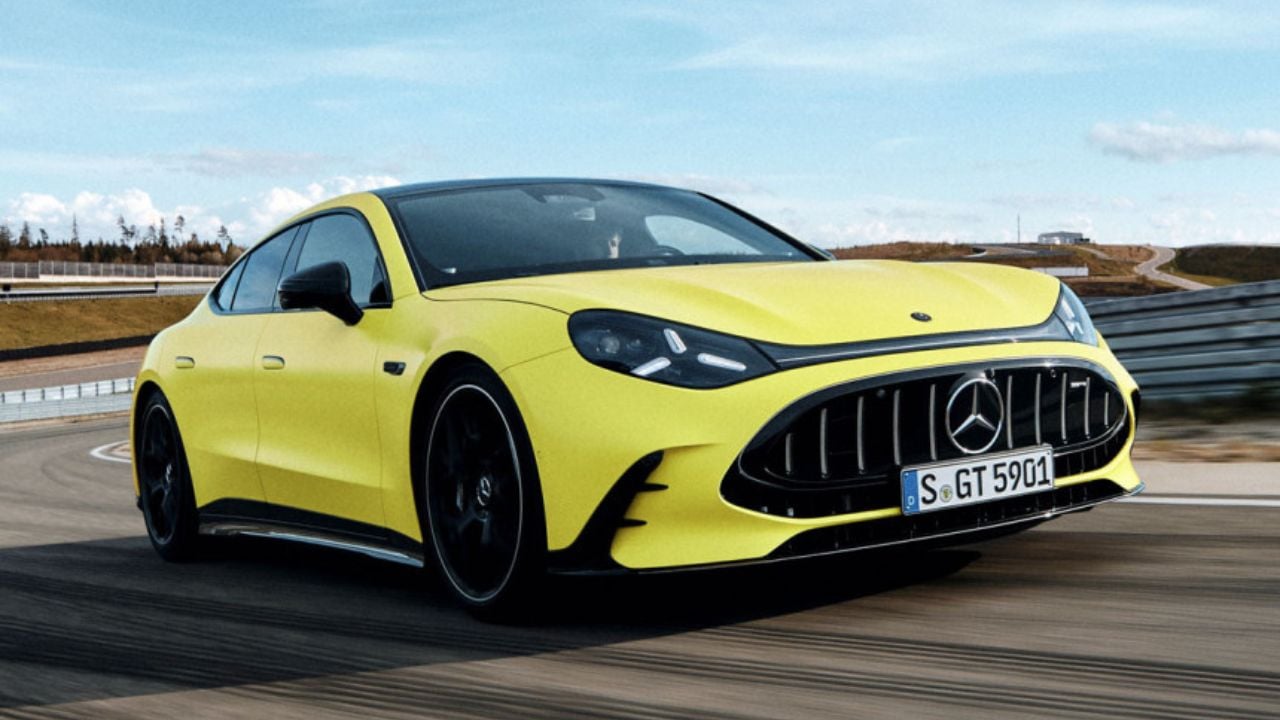
A major part of AMG’s future growth strategy revolves around new EV technology developed specifically for the brand. Leading that effort is a new generation of axial-flux electric motors expected to debut in upcoming AMG models, including the next GT 4-Door Coupe.
Unlike conventional radial electric motors used in most EVs, axial-flux motors are significantly more compact and lightweight while delivering extremely high power density. Mercedes-Benz recently began production of the new motors, which AMG intends to reserve exclusively for its performance vehicles.
The setup is expected to power some of AMG’s most ambitious EVs yet. Reports suggest the upcoming GT 4-Door EV could feature three axial-flux motors, allowing for massive horsepower figures alongside advanced torque-vectoring capabilities.
For AMG, the challenge goes beyond outright speed. The company must convince buyers that electric AMGs can still deliver the emotional experience traditionally associated with thunderous V8 engines and rear-biased driving dynamics.
The V8 Isn’t Going Away Anytime Soon
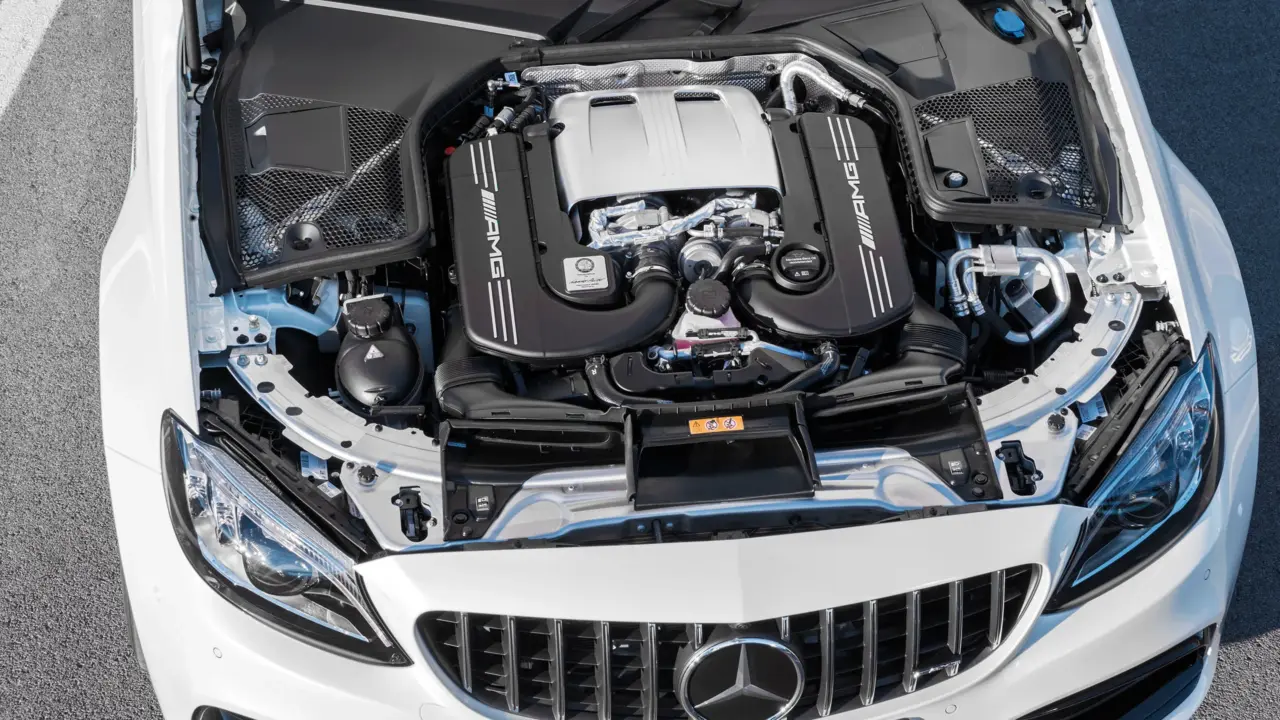
Despite the heavy EV push, AMG is clearly not abandoning internal combustion engines. The brand is preparing a heavily updated V8 engine scheduled to arrive during the second half of 2026.
Spy shots of future models like the AMG CLE 63 already suggest that eight-cylinder power remains an important part of the company’s strategy, especially for customers unwilling to move to fully electric performance cars.
Mercedes-AMG is also streamlining its engine lineup dramatically. The company reportedly plans to reduce its current range of roughly 10 engine variants down to just four primary families, centered around optimized six-cylinder and V8 powertrains. That simplification could help AMG reduce costs and complexity while still preserving the character buyers expect from the brand.
The decision likely reflects lessons learned from the controversial hybrid four-cylinder setup used in the current C63, which received criticism from enthusiasts despite its impressive performance numbers.
BMW M Remains The Benchmark
AMG’s expansion plans come as BMW M continues to dominate the global performance luxury segment. BMW’s M division has successfully grown both traditional M models and M Performance variants into major sales drivers across multiple markets.
That success has placed additional pressure on AMG to evolve quickly while maintaining its identity. Audi Sport, Cadillac’s V-Series lineup, and emerging premium performance brands from South Korea and China are also increasing competition globally.
At the same time, the overall luxury EV market remains unpredictable. Slower-than-expected EV adoption in some regions has forced automakers to rethink timelines and product strategies, especially for high-end performance vehicles.
AMG’s dual-path approach may ultimately prove to be the safest option. By continuing to invest in combustion engines while aggressively developing electric performance technology, the company avoids placing all its bets on a single future.
AMG’s Biggest Transformation In Decades

Launching 27 vehicles in just three years represents an enormous undertaking, even for a brand the size of Mercedes-AMG. The rollout will likely include updated versions of existing models alongside entirely new electric performance vehicles.
What remains clear is that AMG is entering one of the most important periods in its history. The company is attempting to preserve the emotional appeal that made the brand famous while simultaneously reinventing itself for a future increasingly shaped by electrification and software-driven performance.
Whether buyers fully embrace electric AMG models remains uncertain. What is certain, however, is that Mercedes-AMG has no intention of slowing down while BMW M continues to widen the sales gap.