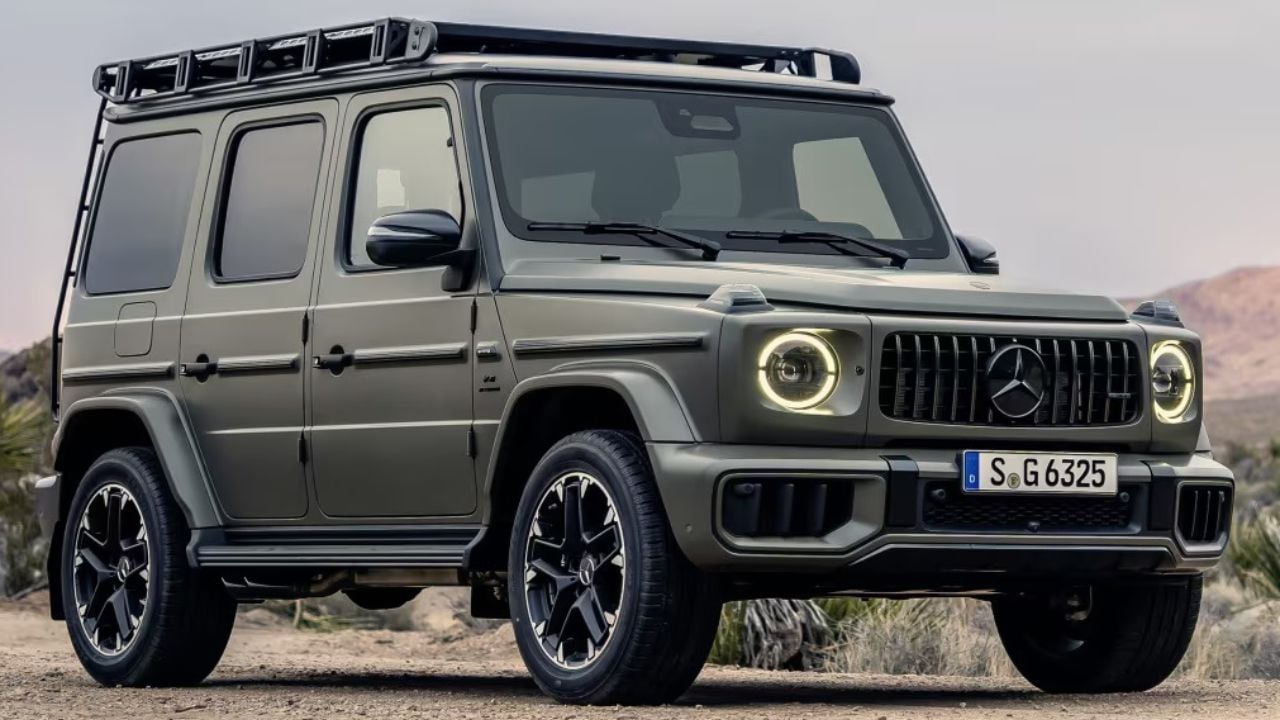
Mercedes-Benz is heading into the defense sector with a new partnership focused on anti-drone technology. The German automaker has signed an agreement with startup Tytan Technologies to develop specialized defense vehicles based on the G-Class and Sprinter platforms.
According to CNBC, the announcement was made during ILA 2026, Germany’s major aerospace exhibition, and marks another example of a European automaker expanding beyond traditional passenger vehicles. Mercedes says the project will focus on “vehicle-based drone defense and mission platforms” intended to protect people and critical infrastructure.
Rather than creating armored combat vehicles in the traditional sense, the partnership appears aimed at mobile counter-drone systems. Those platforms are becoming increasingly important as low-cost drones play a larger role in modern warfare, surveillance, and infrastructure security.
The move also highlights how Europe’s struggling automotive industry is increasingly looking toward defense contracts as a new source of revenue and industrial growth.
G-Class And Sprinter Platforms Form The Foundation
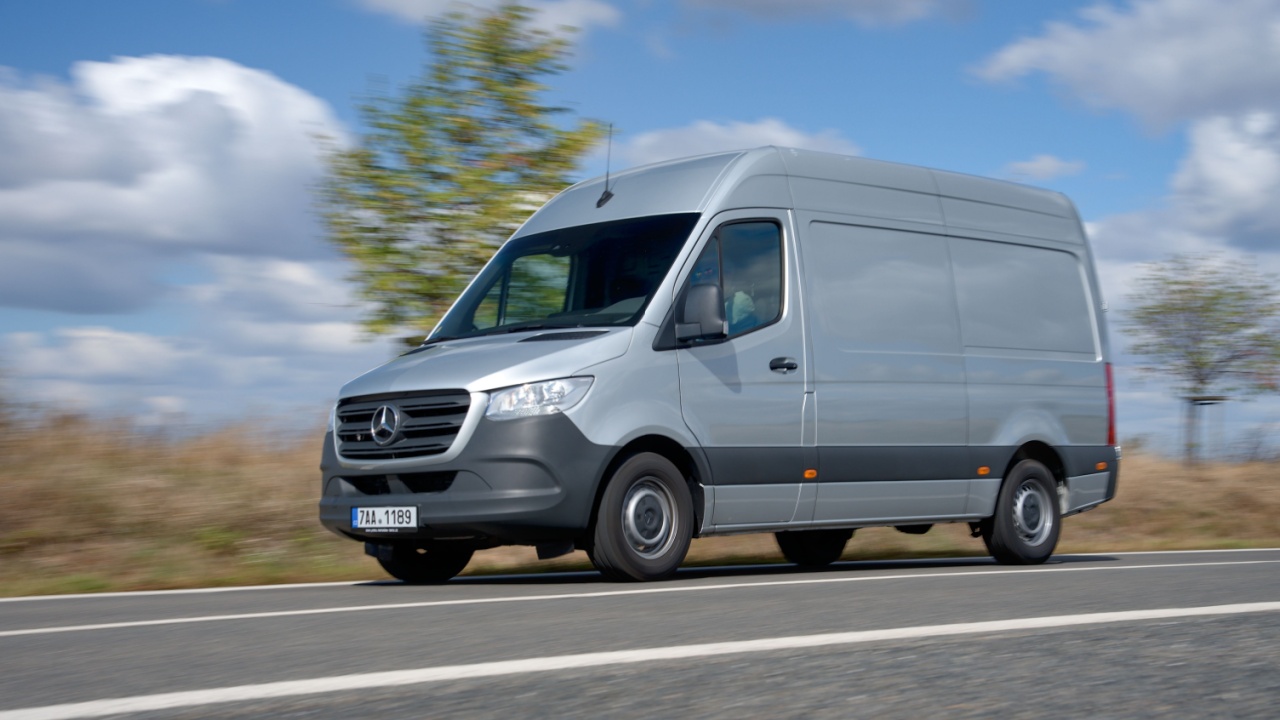
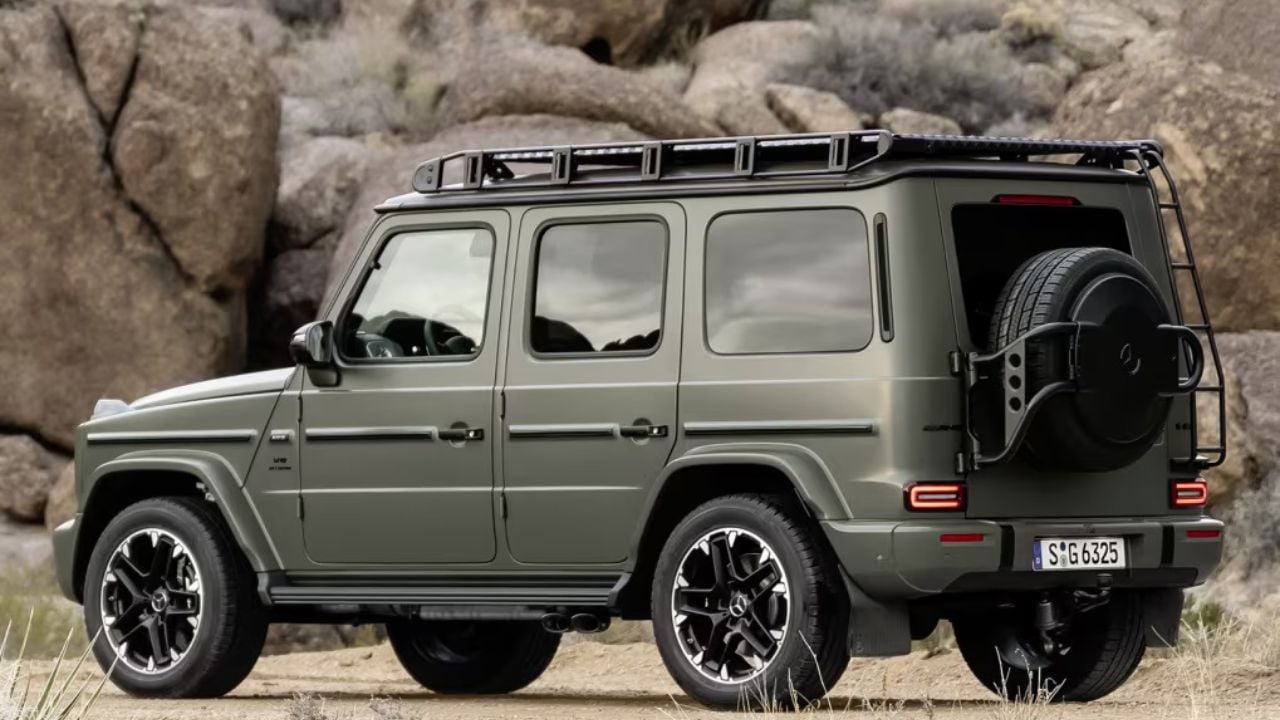
Mercedes-Benz confirmed that the anti-drone systems will use the G-Class and Sprinter as their base platforms. Both vehicles already have extensive commercial, emergency-service, and military-adjacent histories, making them logical starting points for specialized deployments.
The G-Class, in particular, traces its roots back to military development before evolving into today’s luxury SUV icon. Despite its upscale image in civilian form, the platform remains closely associated with rugged off-road durability and government use worldwide.
The Sprinter brings a different kind of utility. Its large cargo area and modular design make it suitable for mobile command systems, communications equipment, radar hardware, or drone interception technology.
Mercedes has not yet detailed exactly what kind of counter-drone systems will be integrated into the vehicles. The company also has not confirmed production timelines or potential customers.
Europe’s Automakers Are Increasingly Looking Toward Defense
Mercedes is far from alone in pivoting toward defense-related projects. Several major European automakers have recently announced partnerships tied to military or security applications.
Renault revealed plans earlier this year to develop ground-based drones for military and civilian purposes, while Volkswagen reportedly signed a letter of intent with Israeli defense company Rafael to help produce components for missile-defense systems.
This comes as Europe’s automotive industry faces mounting pressure from slowing EV demand, rising production costs, and aggressive competition from Chinese automakers. At the same time, defense spending across Europe has surged following Russia’s invasion of Ukraine in 2022.
Governments are also encouraging collaboration between civilian manufacturers and defense firms. Germany’s Ministry of Defence recently launched a matchmaking initiative designed to connect defense companies with industrial manufacturers and startups.
A Return To An Older Industrial Playbook
Automakers contributing to defense efforts is hardly new. During World War II, many manufacturers suspended civilian production entirely to build military vehicles, aircraft engines, and weapons systems.
Mercedes-Benz, Volkswagen, Ford, and countless others all played roles in wartime manufacturing decades before today’s EV transition reshaped the industry. The difference now is that modern defense projects increasingly revolve around electronics, software, autonomous systems, and drone warfare rather than tanks and heavy armor.
That overlap plays directly into the strengths modern automakers already possess. Vehicle integration, battery systems, sensors, software architecture, and manufacturing scale are all valuable assets in today’s defense environment.
For Mercedes-Benz, the partnership with Tytan Technologies could open a new business avenue while reinforcing the rugged heritage behind the G-Class and Sprinter. Whether these anti-drone vehicles remain niche products or grow into something larger may depend as much on geopolitics as on the automotive market itself.