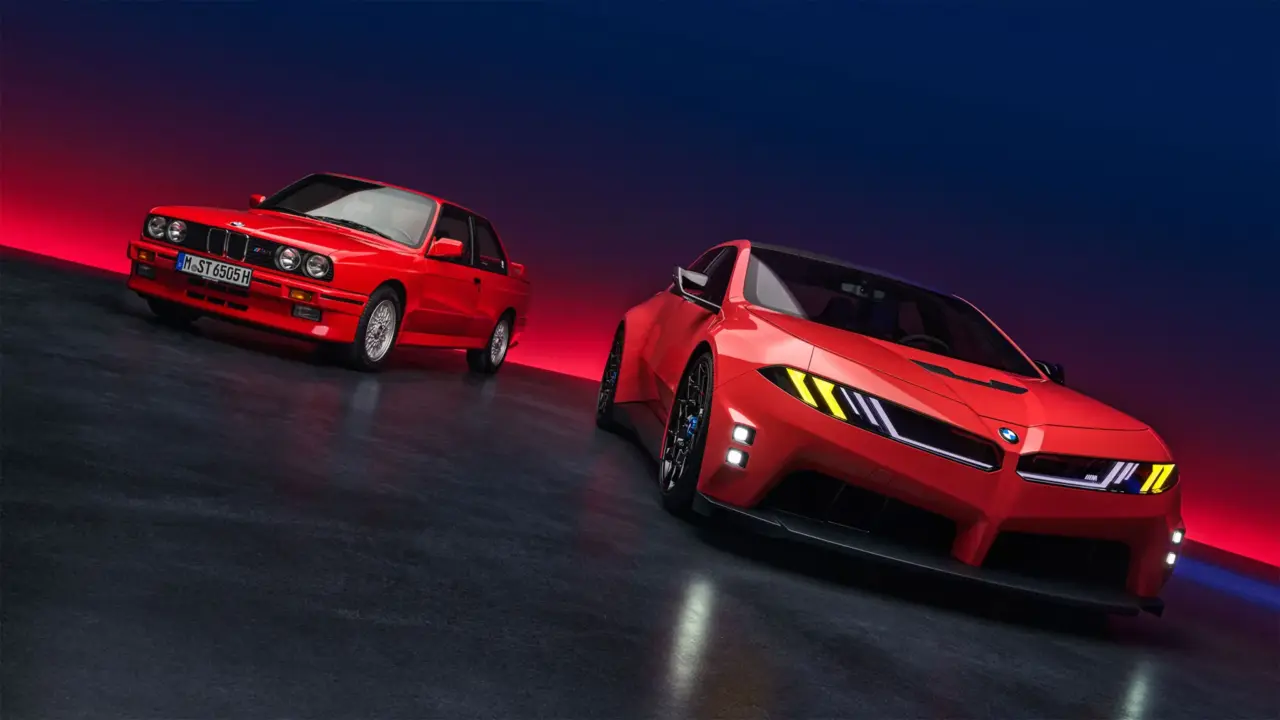
BMW’s first electric M3 is shaping up to be an excellent high-performance EV. Alongside its radical Neue Klasse styling and four-motor electric powertrain, the upcoming M car is also introducing a major material change that could reshape how performance vehicles are built in the future.
Instead of relying heavily on traditional carbon fiber, BMW plans to use natural-fiber composite materials throughout the vehicle. The company says the switch significantly reduces manufacturing emissions while maintaining nearly the same strength and rigidity expected from modern M cars.
The material strategy debuted publicly on the BMW M Concept Neue Klasse shown during the 24 Hours of Le Mans, but BMW has already confirmed the technology is headed for production. When the electric M3 arrives in 2027, natural-fiber composites are expected to play a major role in its construction.
That decision reflects a shift happening across the automotive industry, where sustainability goals are beginning to influence even the most performance-focused divisions.
BMW Says Natural Fibers Offer Similar Strength To Carbon Fiber
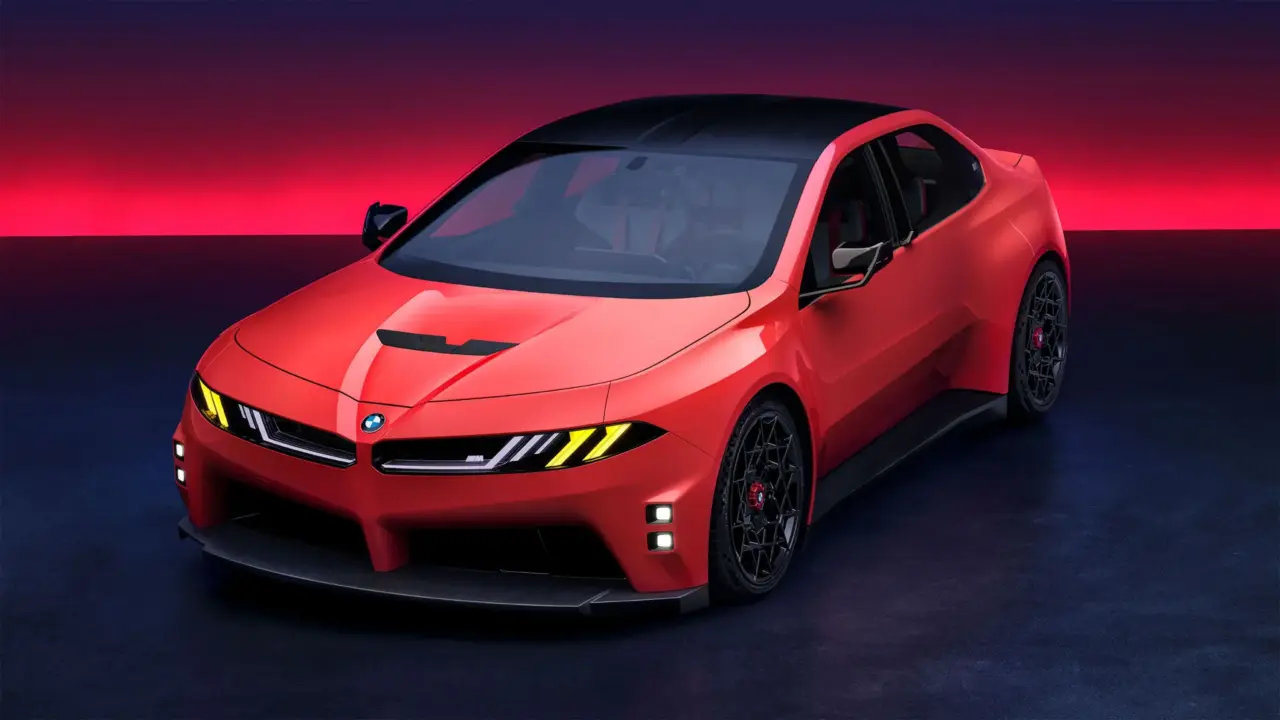
According to BMW M Head of Design Michael Scully, the primary reason behind the move is environmental impact. Speaking with BMW Blog, Scully explained that producing natural-fiber composites generates roughly 40 percent fewer emissions compared to conventional carbon fiber manufacturing.
BMW says the material still delivers very similar levels of stiffness and structural strength. That allows engineers to retain lightweight performance characteristics without the larger carbon footprint associated with traditional carbon-fiber-reinforced plastics.
The M Concept Neue Klasse uses the material extensively. Components including the roof, front splitter, rear diffuser, hood vents, mirror housings, and portions of the seat structures are all constructed from natural-fiber composites.
BMW also developed a unique weave pattern specifically for the concept. Instead of using a full glossy finish, the company chose a semi-matte treatment because additional clear-coat layers would have added unnecessary weight.
Motorsport Development Helped Bring The Material To Production
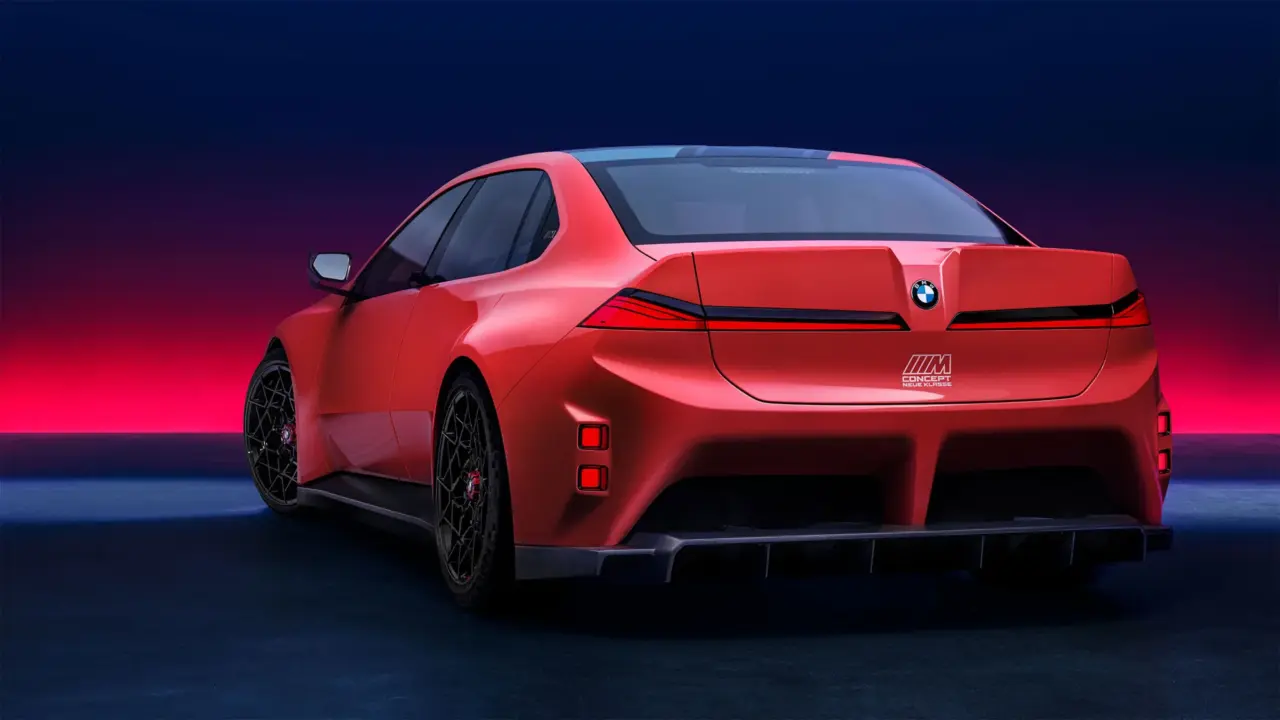
BMW’s work with natural fibers did not start with the Neue Klasse concept. The company has quietly been developing the material for years alongside Swiss engineering firm Bcomp.
The technology first appeared in Formula E during the 2019 season before eventually replacing certain carbon-fiber-reinforced plastic components in the BMW M4 GT4 race car. Motorsport testing allowed BMW engineers to validate durability, rigidity, and weight savings under extreme conditions before considering road-car applications.
That racing connection is important because lightweight construction remains critical for EV performance vehicles. Electric cars already carry substantial battery weight, meaning every kilogram saved elsewhere becomes increasingly valuable for handling, efficiency, and range.
BMW’s approach suggests the company believes sustainability and performance no longer need to exist on opposite sides of the equation.
Regulation Pressure May Also Be Influencing The Move
Environmental regulations in Europe are likely playing a role in BMW’s strategy as well. Earlier proposals within the European Union explored restricting non-recyclable materials in vehicles, including carbon fiber composites.
While those proposals were softened following industry pushback, automakers are clearly preparing for the possibility of stricter sustainability requirements in the future. Natural-fiber composites offer a potential solution before regulations force the issue more aggressively.
BMW has already expanded its use of recycled aluminum, recycled plastics, and sustainable interior materials across vehicles like the iX3, i3, i7, and latest 7 Series. The electric M3 appears set to become the company’s most high-profile example yet of sustainability-focused engineering reaching the performance segment.
The Electric M3 Is Becoming BMW’s Technology Showcase
Beyond the material changes, the electric M3 is already shaping up to be one of BMW’s most ambitious projects. The Neue Klasse-based performance sedan is expected to feature four electric motors, advanced torque-vectoring systems, and entirely new battery technology developed specifically for M applications.
Visually, the concept previews a much cleaner and more aggressive design direction compared to recent M cars. Wider fenders, racing-inspired aero elements, and integrated lighting graphics give the upcoming sedan a distinct identity while still preserving familiar BMW proportions.
Natural-fiber construction may not sound as exciting as horsepower figures or Nürburgring lap times, but it could become one of the most important innovations on the entire car. If BMW can deliver the same performance and rigidity enthusiasts expect while cutting emissions during production, the electric M3 may end up influencing future M cars.