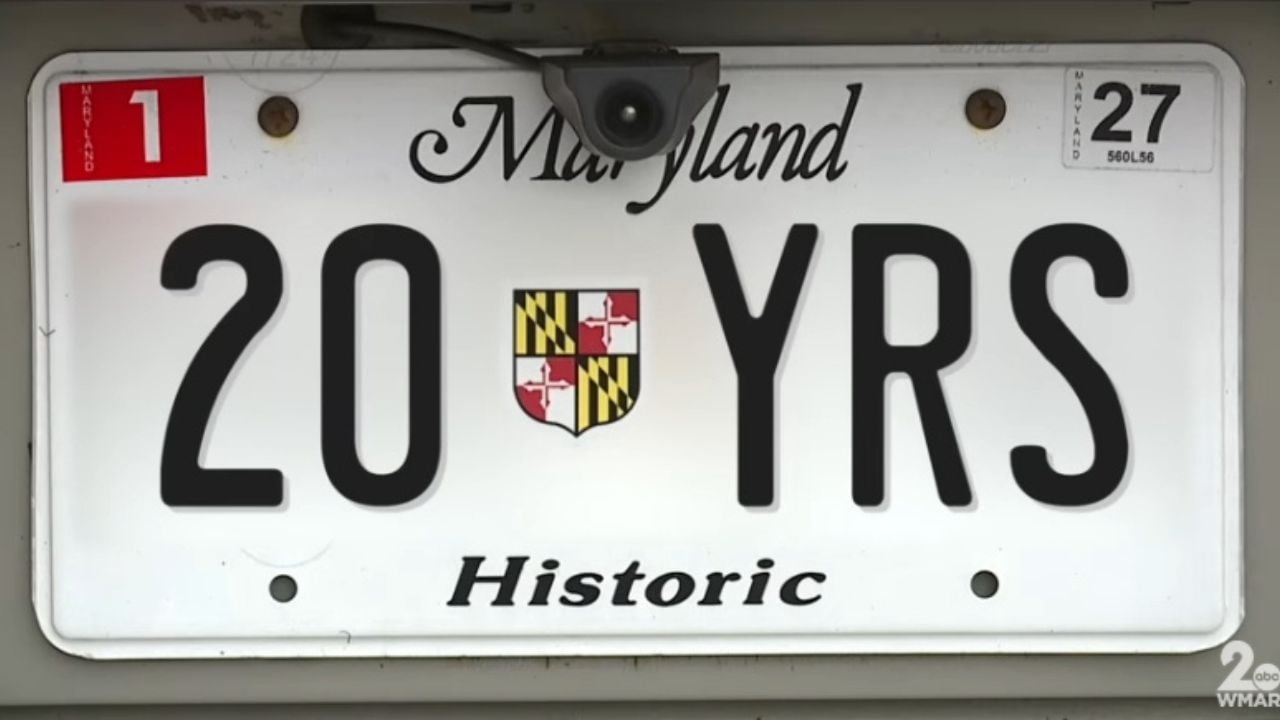

Lawmakers in Baltimore are moving to reverse a controversial change to the state’s historic vehicle registration system, after backlash from car owners who say the revised policy unfairly stripped them of benefits tied to older vehicles.
For years, Maryland operated under a “rolling” eligibility rule for historic license plates. Vehicles automatically qualified once they reached 20 years of age, a system widely appreciated by enthusiasts who maintain and preserve older cars.
The designation comes with several advantages, including lower registration fees and exemptions from emissions testing and safety inspections. These benefits are intended to support hobbyists who use their vehicles sparingly rather than for daily commuting.
However, that framework changed abruptly in late 2025.
The Fixed Cutoff and Backlash
As part of a broader budget reconciliation effort, state lawmakers replaced the rolling 20-year eligibility with a fixed cutoff year of 1999. This meant that vehicles manufactured after 1999, regardless of age, could no longer qualify for historic tags.
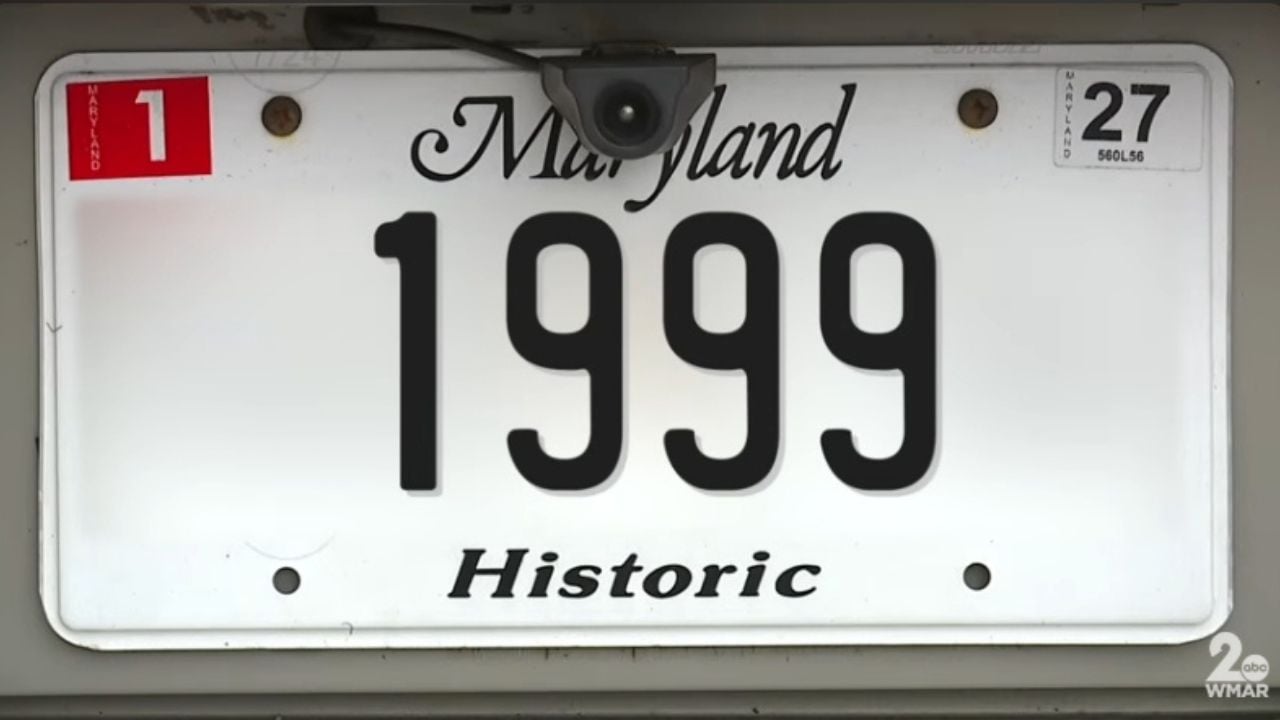
The change was projected to generate approximately $6 million in additional state revenue, but it immediately triggered frustration among affected drivers.
Owners of early-2000s vehicles were among the hardest hit. Many had already transitioned to historic tags under the previous rule, only to receive notices from the Maryland Motor Vehicle Administration informing them that they no longer qualified.

For drivers like those featured in the WMAR-2 News report, these cars are often long-term projects and personal investments. Vehicles such as a 2000 Chevrolet Blazer or a 2001 Lincoln LS represent a blend of utility and sentiment, often maintained for occasional use rather than daily driving.
Critics argued that the fixed cutoff lacked logic and fairness. Instead of refining the criteria to better define what qualifies as a historic vehicle, the state imposed a rigid year-based restriction. This approach, some say, ignored the reality that automotive heritage continues to evolve, with newer generations of vehicles gaining enthusiast recognition as they age.
A Compromise Emerges
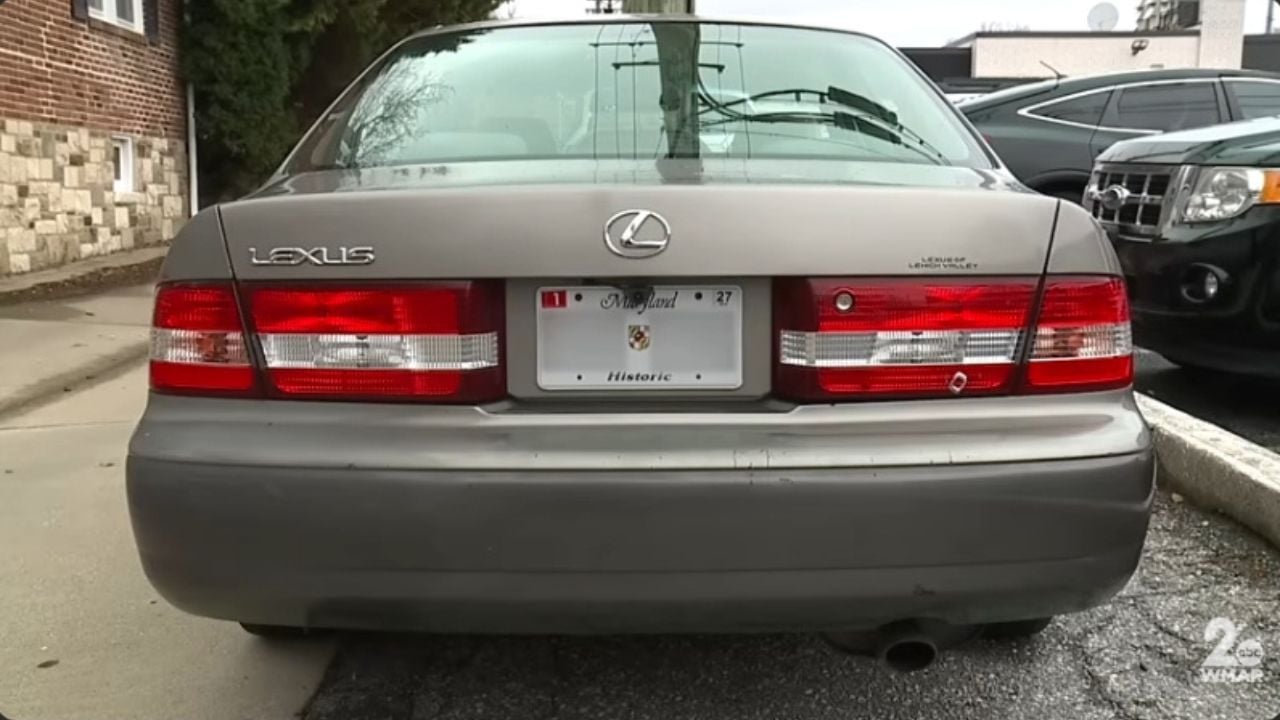
In response to mounting criticism, legislators introduced multiple bills aimed at restoring the rolling eligibility system. These efforts initially stalled in committee, which only underscored the challenges of balancing fiscal priorities with public sentiment. However, momentum shifted during budget negotiations.
J.B. Jennings played a key role in advancing a compromise. His amendment to the state budget bill successfully reinstates a rolling eligibility standard, but with a notable adjustment. Instead of the previous 20-year threshold, vehicles must now be at least 25 years old to qualify for historic tags. The new rule is set to take effect in July of the coming year.
While the amendment represents a partial victory for car owners, it does not fully address all concerns. Notably, there is no grandfather clause for vehicles that had already received historic tags under the earlier system unless they meet the new 25-year requirement. This means some drivers will still lose their status and associated benefits in the interim.
Broader Tensions and the Future
The debate highlights broader tensions around automobile regulation and affordability. Historic tags cost approximately $55 per year, less than half the price of standard registration.
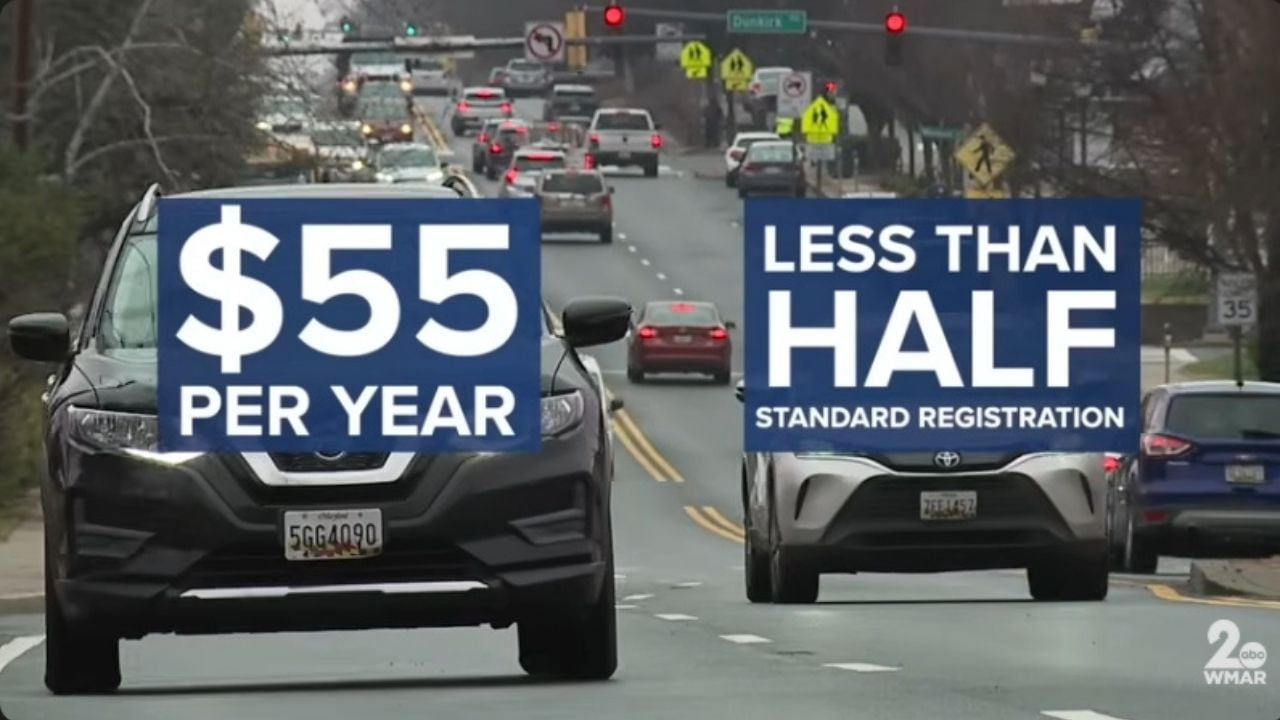
As overall registration fees have increased, more drivers have turned to historic classification as a way to reduce costs.
Lawmakers acknowledge that rising fees have become a concern, with some pointing to the introduction of multi-year registration options as evidence of the financial burden on residents.
Under current state law, historic vehicles are intended for limited use. They are not meant for daily commuting or commercial purposes. Thus, reinforcing their role as collector or hobbyist cars. Despite these restrictions, the designation remains highly valued among enthusiasts who take pride in preserving automotive history.
The upcoming policy shift signals a return to a more flexible system, though with stricter age requirements. For many in Baltimore and across Maryland, it represents a step toward recognizing the evolving definition of what constitutes a historic vehicle, while still addressing the state’s financial considerations.
Does the rolling 25 law go in effect in calender year July 2026 or July 2027?
Good question, Joseph.
As stated in the article, the new rolling 25-year rule “is set to take effect in July of the coming year.” That means, since the “coming year” relative to April 2026 is July 2026, that is when the law begins. July 2027 would be a full year later, but the text specifies the immediate upcoming July, not the following one. So, the rolling 25-year eligibility law goes into effect July 2026, not July 2027. I hope this made sense. Cheers.