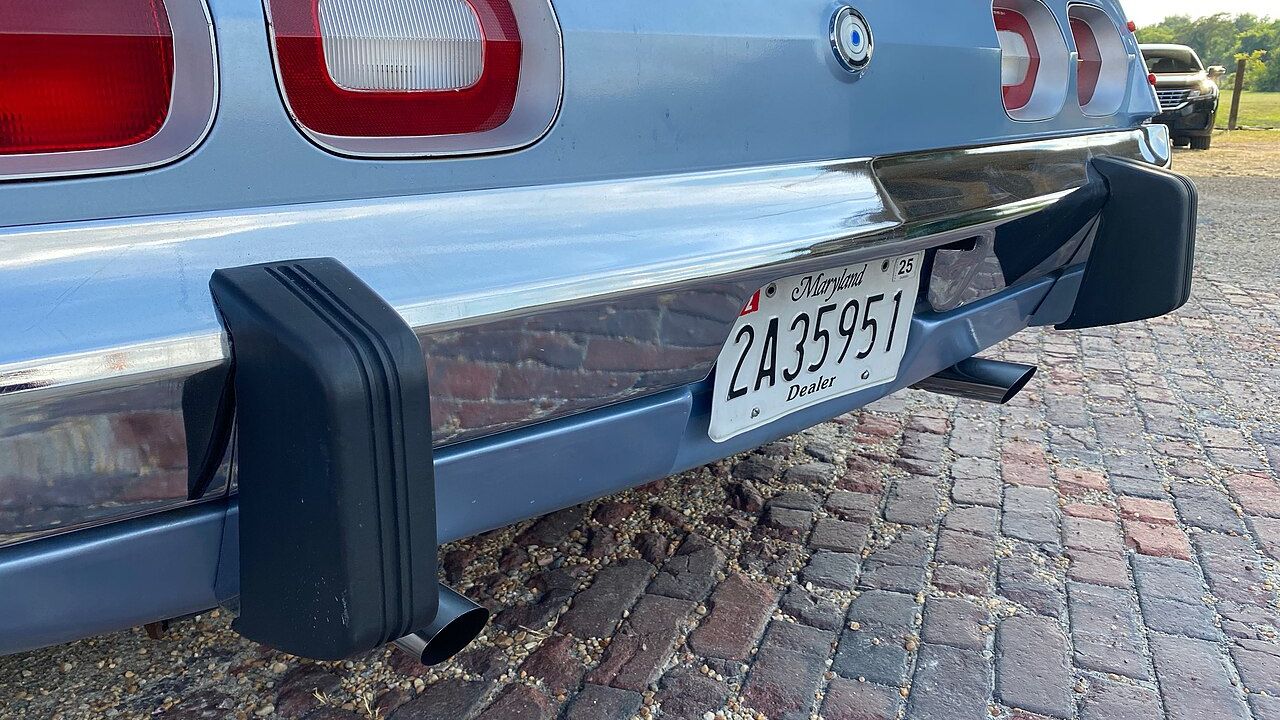

In the land of blue crabs and iconic license plate sunsets, Maryland has just slapped a big, unignorable redefinition on what counts as a “historic” car, giving owners of beloved early‑2000s rides a cold dose of reality. What was once a clever way to save on registration and skirt emissions testing for aging Hondas and Camrys has now become a political and automotive flashpoint.
For years, Maryland’s historic vehicle plate program allowed any car more than 20 years old to qualify. The theory was simple: older vehicles, often cherished by enthusiasts and collectors, could wear distinctive tags and enjoy lighter financial and regulatory burdens.
Enthusiasts could drive them to shows and parades or cruise on occasional weekends without forking over the same fees and inspections required of modern daily drivers.
A Tipping Point
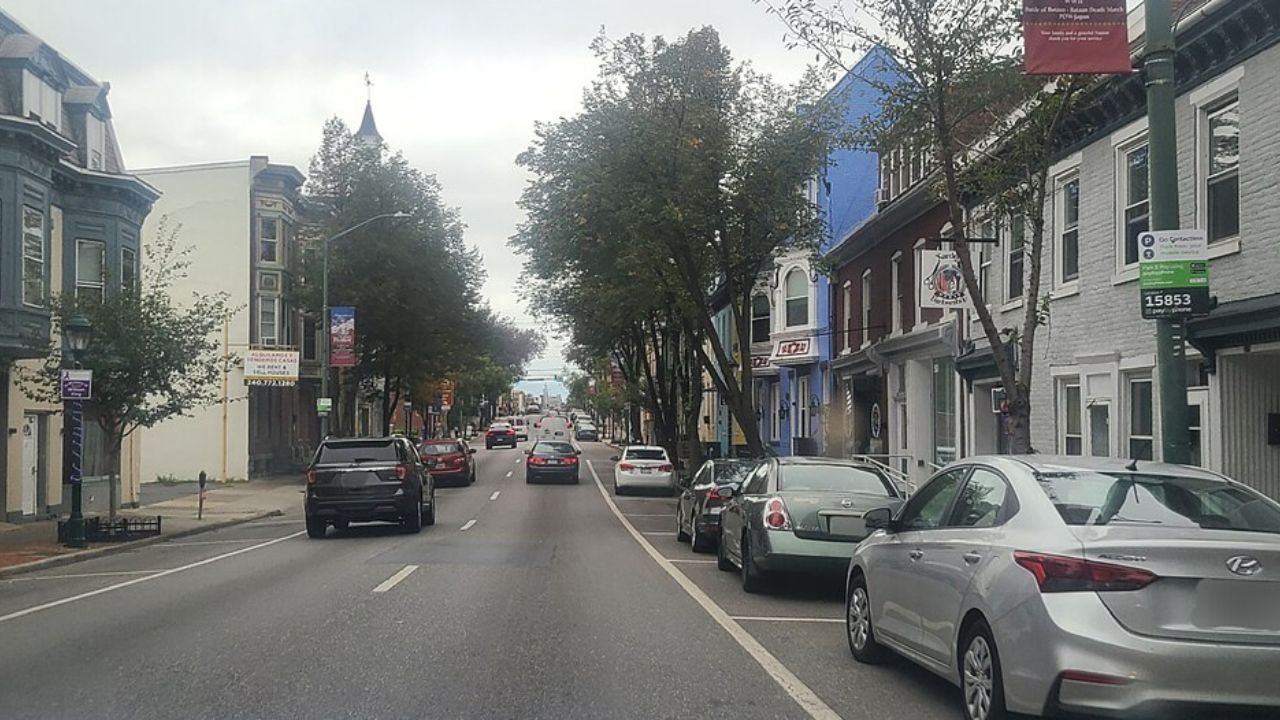
But in practice, thousands of drivers figured out a loophole, and Maryland roads became dotted with recent‑vintage vehicles that were only marginally “collector” material. Early‑2000s everyday cars unloaded from driveways and traded like baseball cards suddenly found easy exemption from emissions tests and hefty annual registration fees, all under the venerable label of “historic.”
It reached a tipping point, and the state legislature responded. Under a law that took effect in 2025, only vehicles built in 1999 or earlier now qualify for Maryland’s historic plates.
Cars from model years 2000 through 2005 that once enjoyed historic status will need to be re‑registered under standard plates once their current tags expire. That means heavier registration fees, compulsory emissions inspections, and a return to the realm of regular compliance for thousands of drivers overnight.
The impact is vast. Roughly 72,000 vehicles currently registered with historic tags are now ineligible under the new cutoff. That’s about one‑third of the statewide historic‑plate population. Owners are discovering that their beloved 2002 Honda Accord or Toyota Camry might feel like a classic to them, but not according to Maryland’s freshly inked definition.
A Displeased (and Pleased) Crowd
Drivers say Maryland’s new historic tag cutoff isn’t about safety — it’s about raising revenue
byu/Consumergal inmaryland
Those who oppose the change (and there are many) have not been shy about voicing their displeasure. Social media threads and comment sections are full of folks lamenting how the new rule feels arbitrary and punitive.
Some drivers argue that the old 20‑year rule was perfectly reasonable and that many early 2000s cars could be responsibly driven at low mileage without compromising road safety. Others see the change as a cash grab by a state looking to squeeze more revenue from vehicle owners facing already high costs.
In the pages of national outlets, the pivot has drawn equal parts eye rolls and sober analysis. One recent coverage pointed out that Maryland’s crackdown caught many owners off guard and forced them back into emissions testing and into paying roughly $150 more in registration and associated costs once historic tags expire.
That adds up fast for collectors with multiple vehicles.
State officials have defended the revamp by repeating the program’s original intent: historic registration should benefit actual collector cars that see limited use. Modern vehicles used as daily drivers were seen as exploiting the spirit of the law, and critics argue they weren’t undergoing the safety and emissions checks other motorists endured.
Those in support of the tighter rule say it brings more integrity to the collector‑car world. The comments on Reddit were mostly supportive of the change:
“I know a LOT of people are abusing the historic plates as their daily driver, probably a dozen just in my apartment complex… I would rather they get MD plates and have SOME insurance than the bullshit where they have VA plates to a fake address or expired Jersey plates.”
“A vehicle registered as historic cannot be used for general daily transportation, or primarily for the transportation of passengers or property on highways. It can only be used in exhibitions, club activities, parades, tours, occasional transportation, and similar uses.” Probably one percent of people with historic tags comply with these guidelines.”
Culture on Trial
Yet even some within the legislative halls have acknowledged that the fixed 1999 cutoff is imperfect. There’s already talk of tweaking the law to restore a rolling age definition, where vehicles become eligible once they hit 25 years old.
A proposed bill in the Maryland General Assembly aims to strike a compromise so that a 2005 model will one day qualify, just not under a fixed historic year threshold.
This debate highlights a cultural tension that many car enthusiasts on both sides can appreciate. On one hand is the desire to honor automotive history and encourage preservation without having every rusted 2001 minivan wear a badge meant for true classics.
On the other is the reality that cars age in relation to our own lives and memories, and what feels historic to us might not meet a strict legislative definition.
Will Maryland’s new approach stand the test of time or be softened through compromise? Drivers and collectors will be watching closely, comparing roadworthy 90s muscle cars with the everyday sleepers that got swept up in this legal brake job.