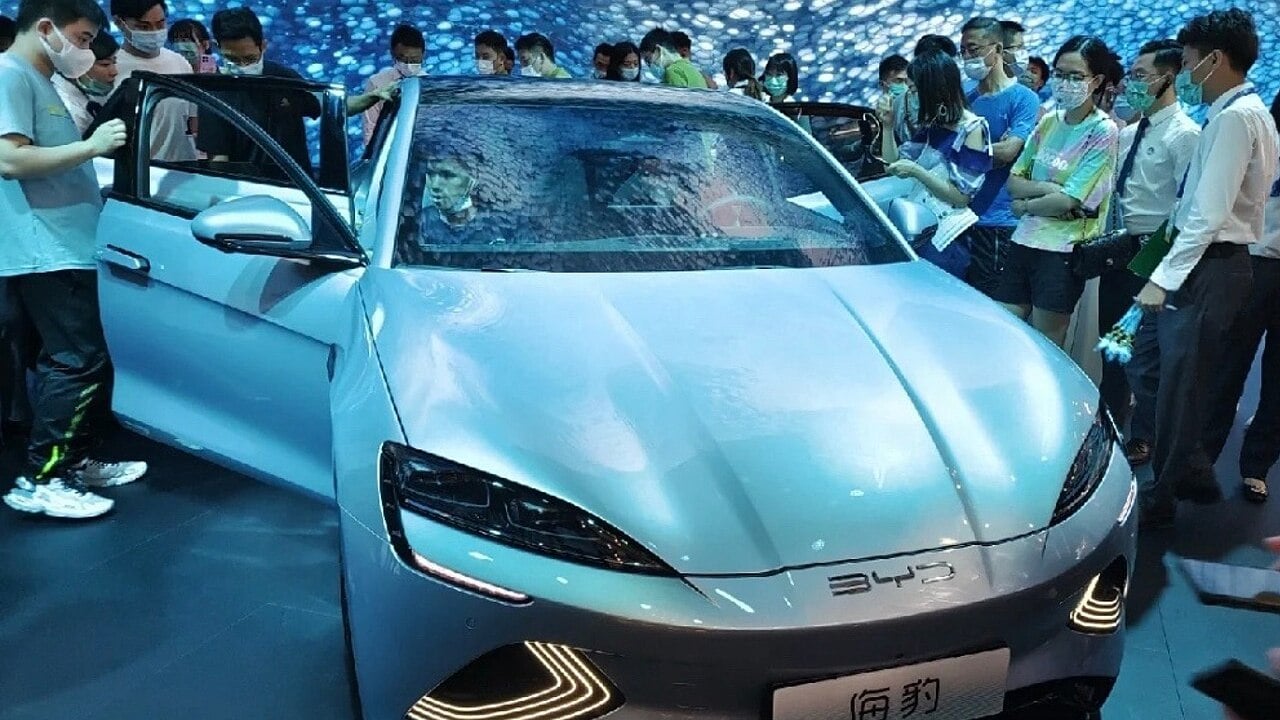
A few years ago, many Western automakers and EV startups dismissed BYD as just another Chinese car company chasing Tesla’s success. That attitude is becoming much harder to maintain now. The company’s latest export figures suggest BYD is rapidly evolving into one of the most powerful automotive forces on the planet.
In April 2026 alone, BYD exported 135,098 vehicles worldwide. Every single one of those vehicles was either fully electric or a plug-in hybrid. The number becomes even more impressive when compared to Tesla’s estimated global monthly deliveries, which analysts believe may have fallen below BYD’s export total for the same period.
Tesla does not release monthly sales figures, but based on its first-quarter 2026 delivery numbers, analysts estimate the company averaged roughly 119,000 vehicles per month globally. Since Tesla traditionally concentrates deliveries toward the end of each quarter, its April numbers may have been even lower. That means BYD potentially exported more vehicles in a single month than Tesla sold worldwide.
What makes the achievement especially notable is that BYD accomplished it without selling cars in the United States. The company remains effectively locked out of America due to tariffs and political resistance toward Chinese automakers, yet its international growth continues accelerating anyway.
BYD’s Scale Is Becoming Difficult To Ignore
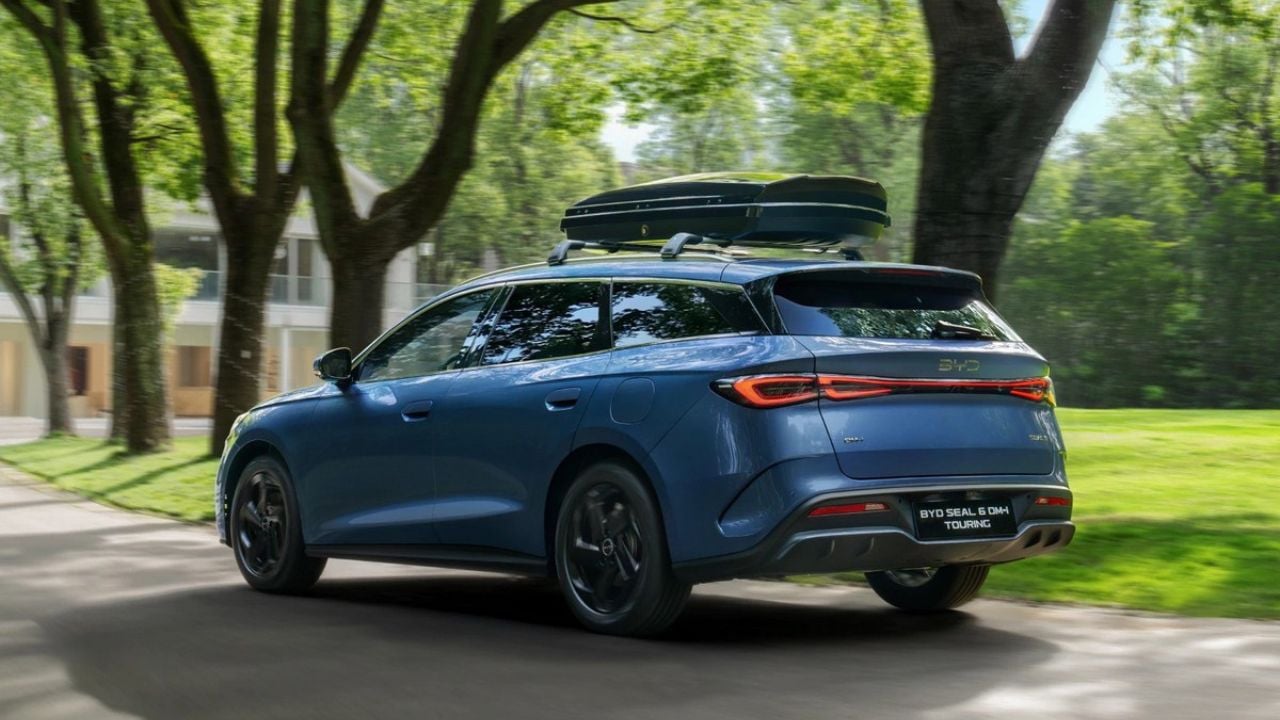
Exports are only one part of BYD’s momentum. The company sold a total of 314,100 passenger vehicles globally during April, meaning nearly 180,000 additional vehicles were sold inside China alone.
That domestic strength remains one of BYD’s biggest advantages. China is already the world’s largest automotive market, and it has rapidly become the center of global EV adoption. While competition inside the country has intensified dramatically, BYD still maintains an enormous scale compared to most rivals.
Companies like Geely, Xiaomi, and other Chinese automakers are increasingly aggressive in the EV space, but BYD’s manufacturing capacity and pricing power continue giving it a major edge. The company’s ability to simultaneously dominate its home market while expanding overseas is what makes its rise particularly significant.
Unlike many startups that depend heavily on one or two key regions, BYD now operates with a broad global footprint supported by massive domestic demand.
Tesla And Legacy Brands Are Both Under Pressure
Tesla is no longer the only company shaping the future of electric vehicles globally. In several markets, BYD has already moved ahead of Elon Musk’s automaker in sales volume.
The company has reportedly overtaken Tesla in more than 20 countries, including markets like Brazil, Thailand, and Israel. Europe is becoming increasingly important as well. Despite additional tariffs imposed by the European Union on Chinese EVs, BYD still managed to outsell Tesla in battery-electric vehicle registrations in parts of Europe last year.
Much of that success comes down to value. Vehicles like the BYD Seal and Dolphin have gained traction by offering competitive range, modern technology, strong safety ratings, and aggressive pricing that undercuts many established brands.
Traditional automakers are beginning to feel the pressure, too. European and Japanese manufacturers now face growing competition from Chinese companies capable of producing advanced EVs faster and often cheaper than many long-established rivals.
BYD’s Growth Is Happening Without America
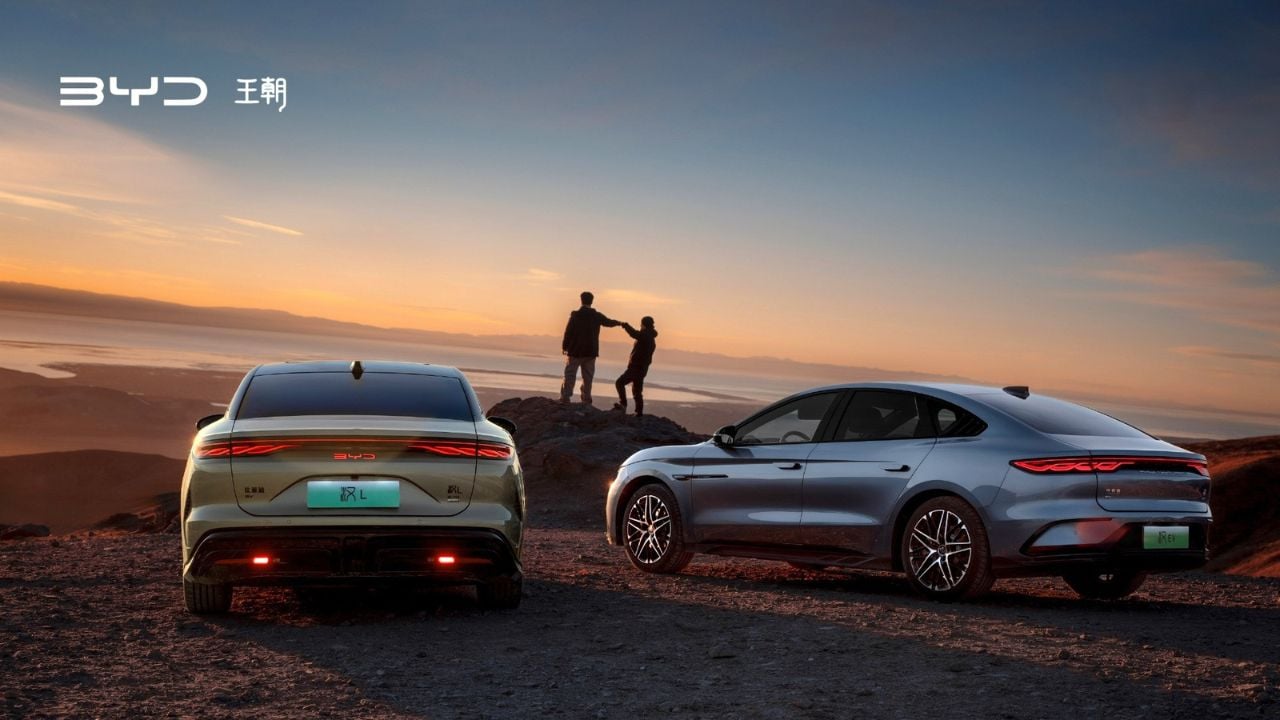
The most remarkable part of BYD’s global rise may be the fact that it is happening almost entirely without the United States. Most global automakers depend heavily on the American market for profitability and scale, but BYD’s expansion strategy has succeeded without meaningful U.S. participation.
That changes the global competitive equation significantly. Even without access to one of the world’s wealthiest automotive markets, BYD is rapidly becoming one of the highest-volume electrified vehicle manufacturers anywhere.
The company is also proving that Chinese automakers can compete internationally not just on price but increasingly on quality, technology, and production speed. That reality is forcing competitors to rethink long-term strategies as China’s automotive industry evolves from a manufacturing hub into a genuine global powerhouse.
At this point, BYD no longer looks like an emerging challenger. It looks like a company positioning itself to become one of the defining automotive giants of the electric era.