

In a dramatic turn of events that reads like a real-life crime thriller, a federal judge has ordered the seizure of a luxury Porsche Panamera along with more than five million dollars in assets tied to one of the largest welfare fraud schemes in Minnesota history.
The case, which has captivated both legal and automotive enthusiasts, shines a rare spotlight on a high-end sports car caught up in a criminal investigation.
Charity Begins at Porsche
The woman at the center of this scandal is Aimee Bock, 44, founder of the nonprofit organization Feeding Our Future. She was convicted by a federal jury earlier this year on multiple counts, including wire fraud, conspiracy, and bribery.
Prosecutors say Bock orchestrated a scheme that falsely claimed her organization distributed tens of millions more meals than it could possibly deliver, allowing her to secure federal reimbursements during the pandemic on a massive scale.
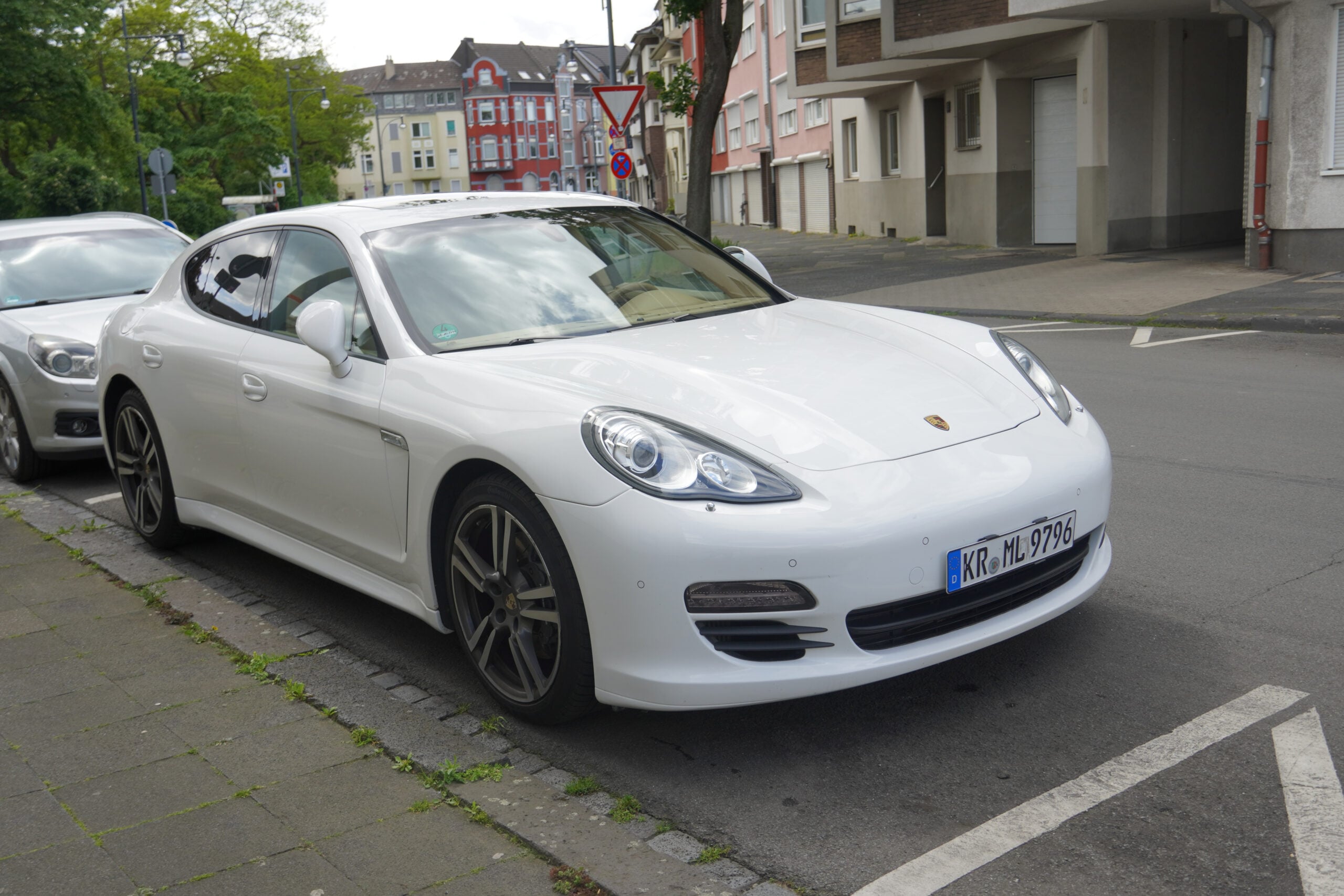
Despite the jaw-dropping scale of the alleged, Bock’s Porsche couldn’t escape our notice. According to court records, the high-performance Panamera was among a collection of luxury items purchased with funds obtained through the scheme.
The Panamera’s presence in the forfeiture order underscores the stark contrast between Bock’s lavish lifestyle and the millions meant for struggling families.
Federal prosecutors have calculated that roughly $250 million flowed through the nonprofit during the period under investigation, with some estimates suggesting the total could rise as high as $400 million. So far, authorities have recovered about $75 million.
The judge’s forfeiture order demands the return of approximately $5.2 million in funds tied directly to the fraudulent activity. In addition to the Porsche, high-end electronics, designer goods, and other luxury assets were also ordered to be seized.
The Porsche Connection
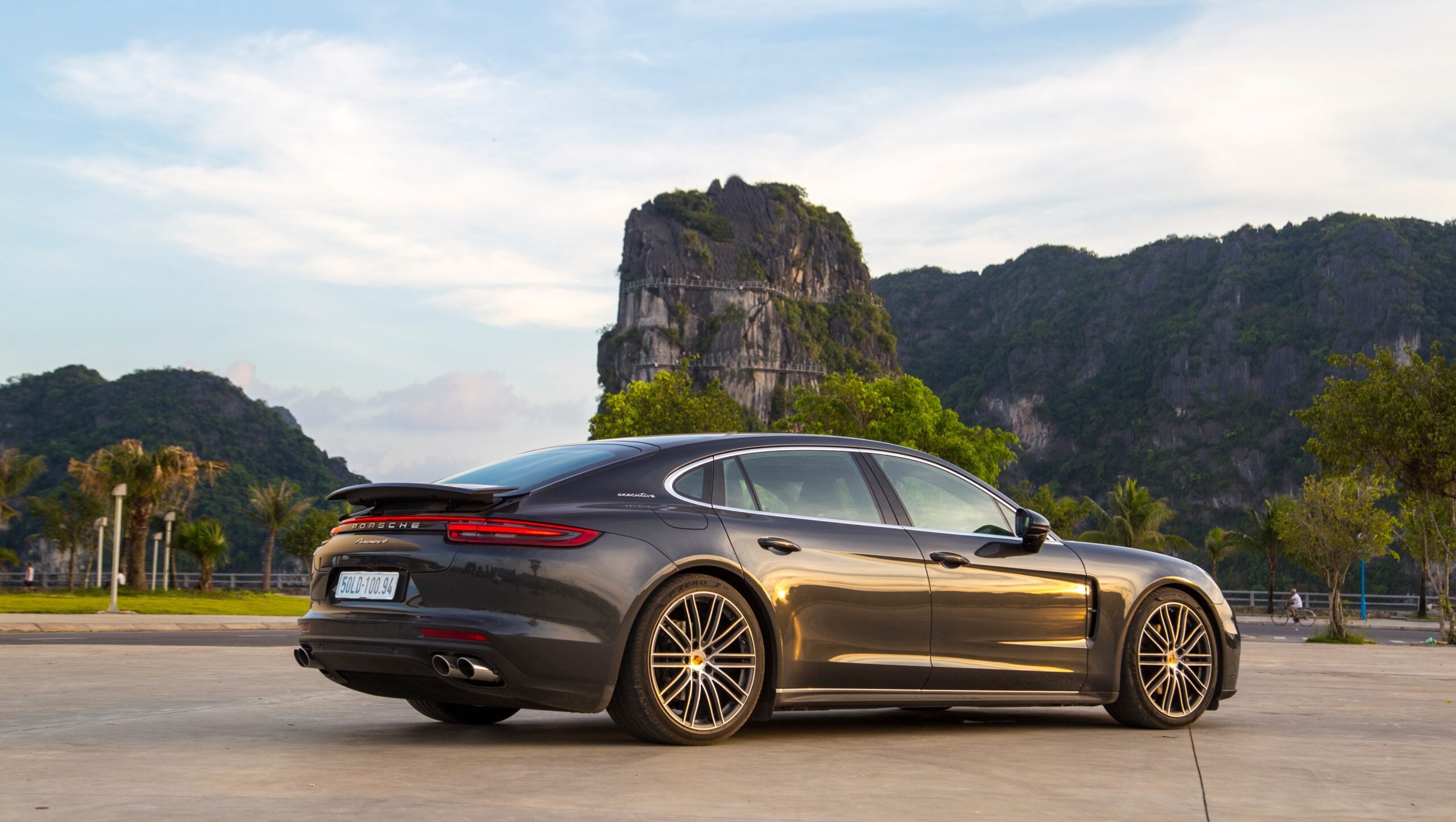
The Porsche Panamera in question is a symbol of wealth—and now a centerpiece in the story of fraud and excess. The car has long been admired in automotive circles. Its seizure in this case highlights how luxury vehicles can sometimes become unexpected trophies in white-collar crime cases.
The Sheerness Car Scam is another textbook example of how fraudsters convert stolen money into conspicuous luxury assets, which then become prime targets for seizure under proceeds-of-crime laws.
A 32-year-old man from Sheerness, Kent is the face of the scam that set up fake online car dealerships, advertising vehicles that did not exist. Victims were tricked into transferring large sums of money, believing they were buying cars.
The conspiracy netted over £1.3 million (over $1.7 million) from unsuspecting buyers, many of whom handed over their savings. But the most interesting part of the case is that despite raking in over a million pounds from the scam, investigators found only £5,924 (less than $8,000) in identifiable assets during initial proceedings.
But that’s just half of the story: He was later spotted driving a Porsche Panamera, which became a focal point of asset recovery efforts. Kent Police seized the Porsche after catching him driving it through Sheerness, despite his claims of financial hardship.
Inside the Largest Welfare Fraud Case in Minnesota History
Back to the US, Bock remains in custody as the legal process continues. The forfeiture order is part of a broader effort to recover assets and compensate the federal government for the losses incurred during the pandemic.
The Seizures are part of a serious and ongoing effort to bring accountability to large-scale fraud schemes that exploit public resources.
Aimee Bock established the nonprofit to distribute federal child nutrition reimbursements to organizations serving low-income children.
The nonprofit managed about $3–4 million annually in reimbursements, a relatively modest scale. Emergency rule changes during COVID-19 reduced oversight, allowing claims to be submitted with fewer verification safeguards. This created an opportunity for exploitation.
Prosecutors described Bock as the gatekeeper of the operation. She allegedly exercised near-total control over approvals, enabling the surge in fraudulent reimbursement claims.
The organization claimed to have served 91 million meals, far beyond its actual capacity. These exaggerated numbers were submitted to the federal government for reimbursement. With an estimated $400 million in fed funds flowing through the scheme, it was one of the largest welfare fraud cases in Minnesota history.
Money was funneled into shell companies and used for personal enrichment, including luxury cars, diamond jewelry, designer goods, real estate, and overseas investments (Kenya, Maldives).
Prosecutors identified a network of participants in the scheme, including 78 defendants charged, 57 convicted, and 5 fugitives believed to be overseas. Millions of dollars were transferred abroad, particularly to East Africa and the Middle East.
The roughly $75 million recovered so far represents just a fraction of the losses. Bock herself was ordered to forfeit $5.2 million in bank funds, luxury items, and the Porsche.
Sources: The Auto Wire