Congress mandated it. Automakers acknowledged it. Safety groups rallied behind it. And yet, the ambitious federal push to put drunk driving detection technology inside every new American car appears to be hitting a wall, and it is a wall made of incomplete science, accuracy problems, and a whole lot of unanswered questions about who owns the data your car collects on you.
The Infrastructure Investment and Jobs Act, signed into law back in 2021, included a requirement that new vehicles be equipped with systems capable of detecting whether a driver is impaired and, presumably, preventing them from operating the car. Automakers were given three years to develop and implement this technology. On paper, that put the target rollout date somewhere around 2027. In practice, the National Highway Traffic Safety Administration (NHTSA) has effectively told Congress: not so fast.
In a February report submitted to Congress, NHTSA was candid about where things actually stand. No technology currently in production can passively measure blood alcohol content at or above the legal limit of 0.08 g/dL. Sensor-based monitoring systems, the agency noted, are not ready to be installed in vehicles sold to everyday consumers. That is a significant admission, given that the deadline is just around the corner.
What makes this particularly thorny is not just a timeline problem. It is a question of whether the technology will ever be accurate enough to avoid causing serious headaches for millions of completely sober drivers, and whether the infrastructure needed to make it work opens up an uncomfortable new chapter in automotive surveillance.
The Accuracy Problem Is Bigger Than It Sounds
At first glance, a 99.9 percent accuracy rate sounds impressive. For most consumer products, that would be more than sufficient. But apply that figure to the scale of American driving, and the math gets uncomfortable in a hurry.
NHTSA pointed out that even a system with 99.9 percent accuracy would still generate millions of false positives every year. That means millions of drivers who have had nothing to drink could find themselves locked out of their own vehicles. That is not a minor inconvenience. For someone rushing to a hospital, trying to get to work, or simply living their life, a wrongful lockout could have serious consequences.
The agency acknowledged that no current technology comes close to achieving the accuracy level needed for mass deployment. That is a significant hurdle, and it is one that engineers have not yet figured out how to clear at scale.
Privacy Concerns Are Coming Along for the Ride
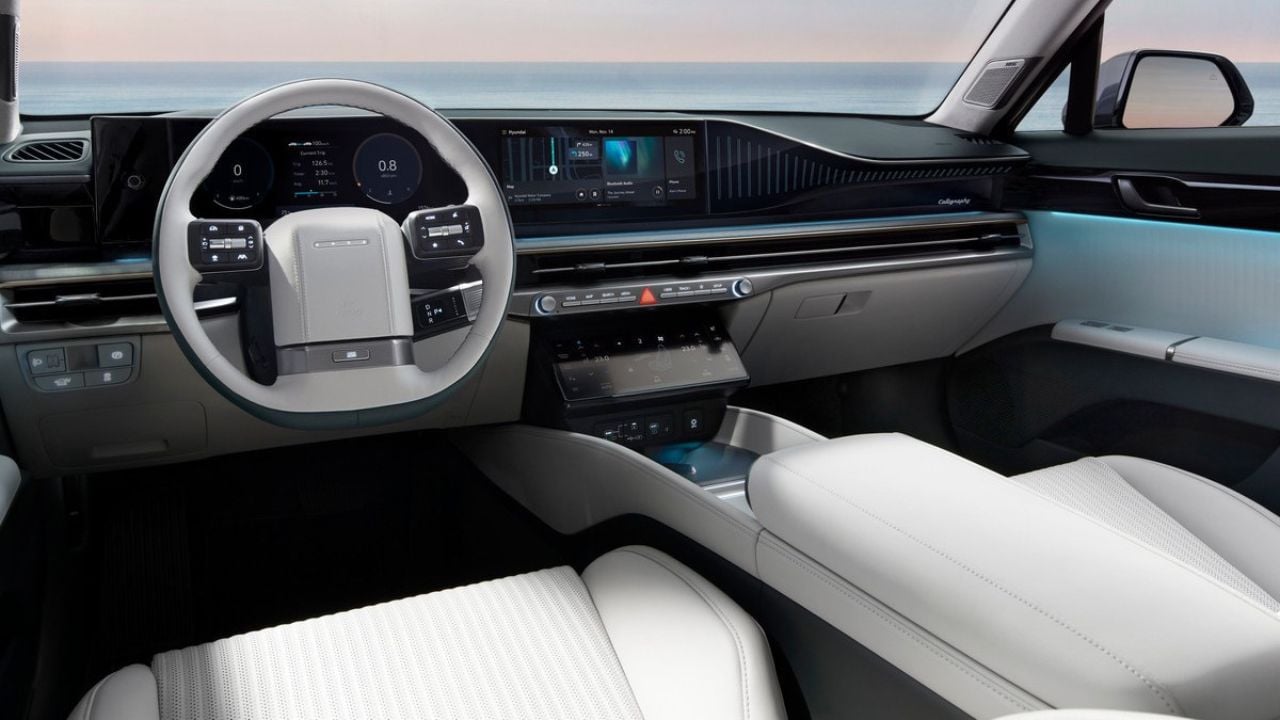
Here is the part of this story that does not get enough attention: the technology required to detect impaired driving will almost certainly mean more cameras and sensors pointed directly at you, inside your own vehicle, all the time.
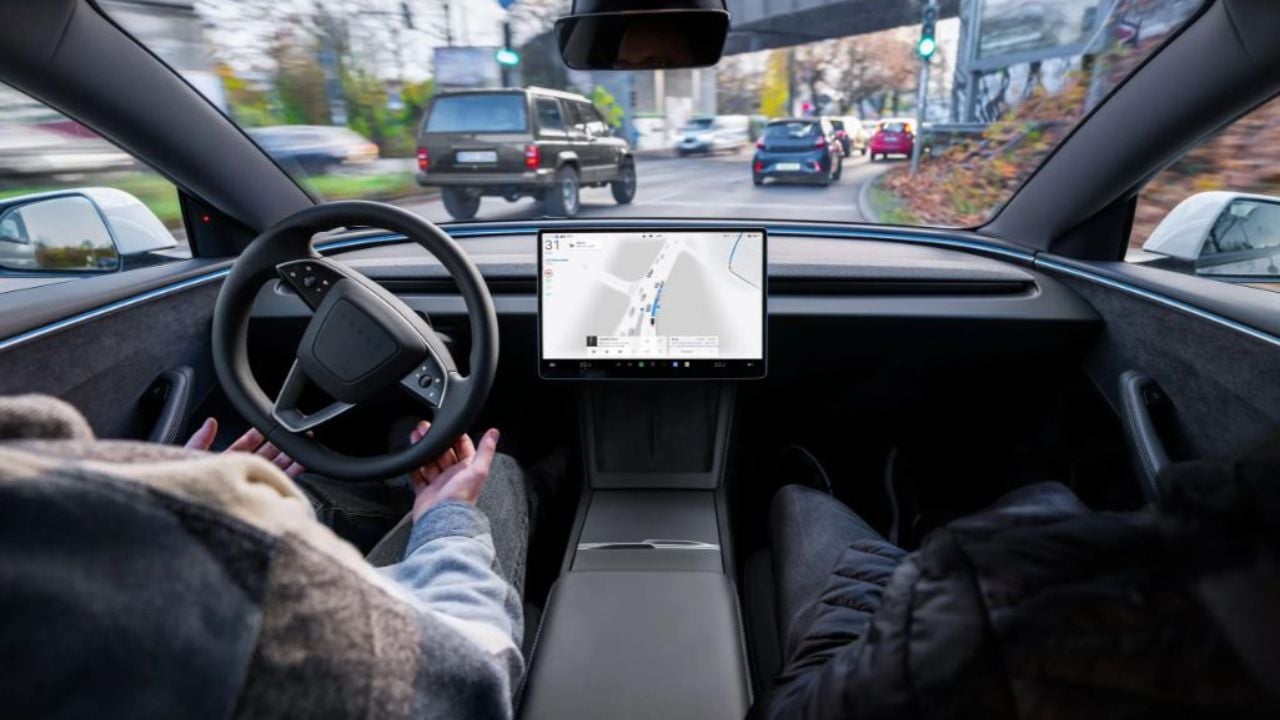
NHTSA is aware of the privacy concerns this raises, and it is grappling with how to structure the mandate in a way that protects consumers. Many modern vehicles already use driver monitoring cameras to detect drowsiness or distraction, and the agency is studying whether those existing systems could be adapted to flag impairment. But there is a catch. Many cars also have driver assistance features like lane-keep assist that could actually mask impaired driving behaviors, making detection even harder.
The broader privacy issue is real and worth taking seriously. Car companies already collect enormous amounts of data from connected vehicles, and there are many cases where drivers do not fully own or control that information. Adding mandatory interior monitoring to the mix only expands the scope of what can be captured, stored, and potentially shared or subpoenaed.
The Safety Community Is Not Waiting Around
Even as NHTSA pumps the brakes on the 2027 timeline, the broader road safety world is moving forward. The Insurance Institute for Highway Safety announced last year that it would tighten the standards for its Top Safety Pick+ award to include features that detect signs of driver impairment. The Institute’s president framed it as part of a larger goal to cut U.S. road deaths by 30 percent before 2030, drawing on the same playbook that successfully pushed automakers to improve airbags, vehicle structures, and collision avoidance systems over the past few decades.
Several major automakers, including BMW, Ford, General Motors, and Toyota, have written to NHTSA expressing general support for the initiative. However, each of them raised concerns about consumer acceptance and the accuracy problem. Translation: they are on board in principle, but they want the details worked out before anything gets bolted onto a vehicle.
What This Situation Can Teach Us
The impaired driving detection saga is a useful reminder of the gap that often exists between legislative ambition and technological reality. Congress passed a law and set a deadline. The technology did not cooperate. That is not unusual in the history of federal mandates, but it does highlight a few important lessons.
First, mandating emerging technology before it exists at production scale can set expectations that outpace reality. A missed deadline does not mean the goal was wrong, but it does mean the process could benefit from closer coordination between policymakers and engineers from the start. Second, safety innovations always come bundled with tradeoffs. In this case, the tradeoff is privacy, and that conversation deserves far more public attention than it has received so far. Third, the involvement of insurance incentives alongside federal regulation is a smart approach. When safety ratings affect premiums and purchasing decisions, automakers tend to listen even without a hard government deadline.
The technology will get there eventually. NHTSA itself expressed hope that impaired driving detection will one day have a major impact on road safety. But “one day” and “2027” are looking less and less like the same thing.