They may look like everyday commuters, but under the hood, these Japanese hatchbacks pack serious performance, and we’re not talking about just slapping on a spoiler and calling it a day. These are purpose-built machines, engineered to handle twisty roads, autocross courses, and even full-blown track days with surprising competence.
No, they’re not V8 bruisers or classic muscle. But they’re not trying to be. Instead, they offer a different kind of thrill: lightweight agility, sharp steering, and the kind of tossable balance that rewards skill over brute force. You don’t need massive horsepower or a second mortgage to have real fun behind the whee, just the right setup and a willingness to take the long way home.
From rally-bred monsters to momentum cars that teach you how to drive fast by driving smart, these Japanese hot hatches blend daily practicality with genuine enthusiast DNA. Whether you’re a seasoned track rat or just looking for something that can spice up your commute, these cars prove performance comes in all shapes and price points.
Methodology: What Made the Cut
To build this list, we focused on Japanese hatchbacks that:
- Were officially sold in the U.S. or are now legal to import under the 25-year rule
- Offer real-world performance on track, in autocross, or spirited backroad driving
- Deliver a strong mix of handling, reliability, and day-to-day usability
- Feature a strong enthusiast following, tuning potential, or historical significance
We excluded cars that were never sold in the U.S. or aren’t yet legal for import, and we steered clear of models that are pure econoboxes with no real performance credibility, even if they had a cool badge.
Nissan Pulsar GTI-R

Note: Now eligible for import under the 25-year rule.
Built as a World Rally Championship homologation special, the Pulsar GTI-R is one of the rawest, most purpose-built hot hatches Nissan ever made. It came packed with a turbocharged 2.0-liter SR20DET engine making 227 horsepower and paired with a full-time all-wheel-drive system, complete with a viscous center diff and limited-slip rear.
On paper, it had everything: aggressive styling, a featherweight body (about 2,690 pounds), and rally-bred mechanicals. On the road or track, the GTI-R is a riot, tight, responsive, and able to put down power in nearly any condition. It didn’t dominate WRC like Nissan hoped, but enthusiasts still love it for what it is: a stripped-down, turbocharged missile disguised as a commuter car.
Now that it’s legal for U.S. import, it’s finally getting the attention it always deserved.
Subaru Impreza WRX STI (Third Generation)
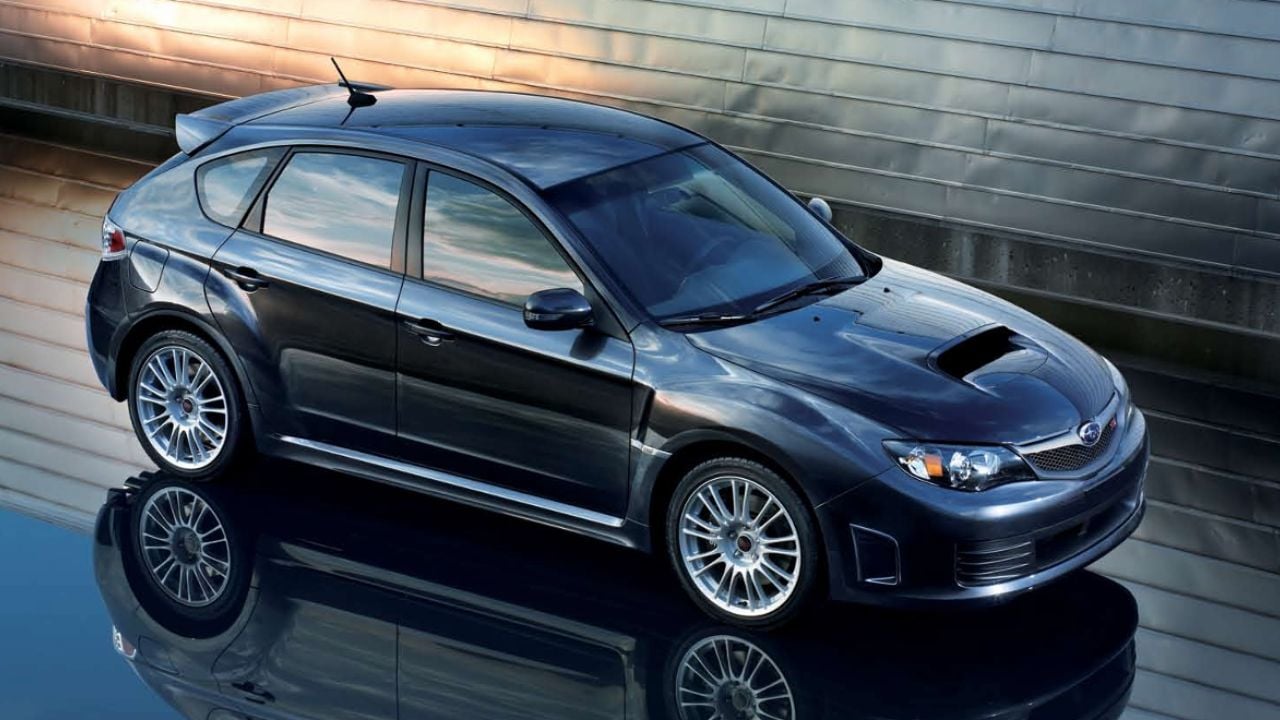
When Subaru launched the third-generation STI, it ditched the sedan, for a while, and gave us a five-door hatch that had fans split. Some cried blasphemy, others saw potential. But once you get behind the wheel, the argument fades away.
This STI blends rally roots with track-day chops. Under the hood is a turbocharged 2.5-liter flat-four making 305 horsepower, connected to Subaru’s symmetrical all-wheel-drive system and a six-speed manual. The widebody stance isn’t just for show, it houses beefier suspension, grippier tires, and serious attitude.
The hatchback layout added unexpected practicality, making it a car you could drive daily all week and still thrash on a weekend track day. It may not rev as high as some rivals, but it punches hard out of corners and sticks like glue. This STI earns its stripes if you’re after something equal parts turbo grunt, AWD grip, and usable cargo space.
Toyota GR Corolla

After years of begging Toyota for a real performance hatchback, North American drivers finally got their wish and then some. The GR Corolla isn’t just a rebadged economy car with a spoiler. It’s a purpose-built hot hatch engineered by the same people who made Toyota a force in modern rallying.
Under the hood sits a wild 1.6-liter turbocharged three-cylinder engine cranking out 300 horsepower, yes, from just three cylinders. It’s paired with a six-speed manual and Toyota’s GR-Four all-wheel-drive system, complete with adjustable torque splits. You can send up to 70% of the power to the rear wheels, making it tail-happy when you want it and stable when you don’t.
The GR Corolla is sharp, fast, and surprisingly refined. With track-ready suspension, aggressive aero, and a serious exhaust note, it begs to be driven hard but won’t punish you on the drive home. It’s the kind of car that makes you take the long way every time, even if you’re just running errands.
Toyota Corolla AE86
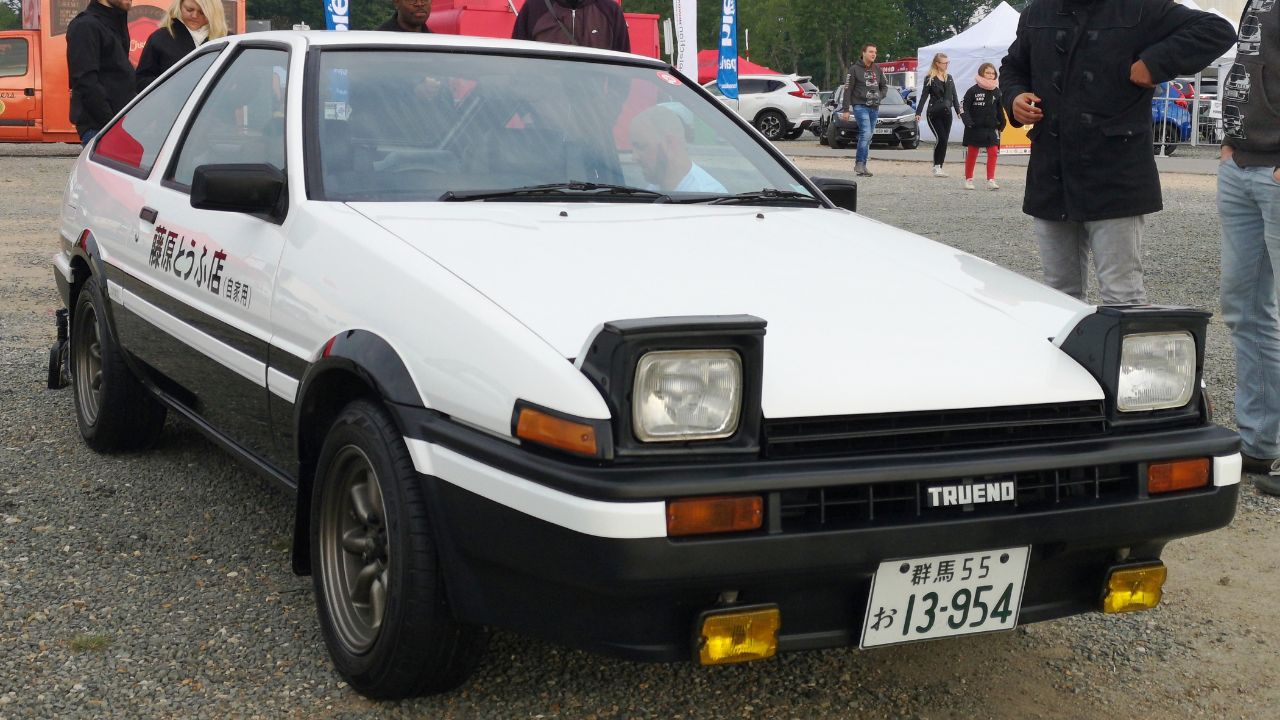
Few cars punch above their weight quite like the AE86. Sold in the U.S. as the Toyota Corolla GT-S, this featherweight, rear-wheel-drive hatchback became a cornerstone of JDM car culture, not because of brute power, but because of balance, feel, and sheer driving joy.
At its heart is the 4A-GE, a 1.6-liter twin-cam four-cylinder that loves to rev and delivers power with old-school charm. It made around 112 horsepower in U.S. trim, but the real magic is in the chassis. With a front-biased balance that is often cited around the mid-50s front to mid-40s rear (depending on trim), minimal curb weight, and sharp steering, the AE86 is a masterclass in momentum driving.
Whether you know it from Initial D, Gran Turismo, or drifting YouTube compilations, the Hachiroku (Japanese for “eight-six”) has become an icon for a reason. It might not win drag races, but it’ll carve up corners all day, and you’ll be smiling the whole time.
Honda Fit

At first glance, the Honda Fit looks like something you’d see delivering groceries, not lapping apexes. But don’t let its economy-car roots fool you, this little hatch has the heart of a Civic from the golden era.
With a featherweight chassis, snappy steering, and one of the slickest manual gearboxes in the business, the Fit is a momentum car through and through. Depending on year and transmission, the U.S.-market Fit ranged from about 109 horsepower up to about 130 horsepower, so you can wring it out to redline in every gear without getting into trouble. It’s a car that rewards precision, not power.
Toss in legendary Honda reliability, a ridiculously roomy cabin, and hatchback practicality, and you’ve got a car that punches way above its weight class on the track, and in daily life. It may not be the fastest, but if you want to hone your skills and have fun doing it, the Fit is always up for the challenge.
Honda Civic Type R (2017–2021, 2023–present)
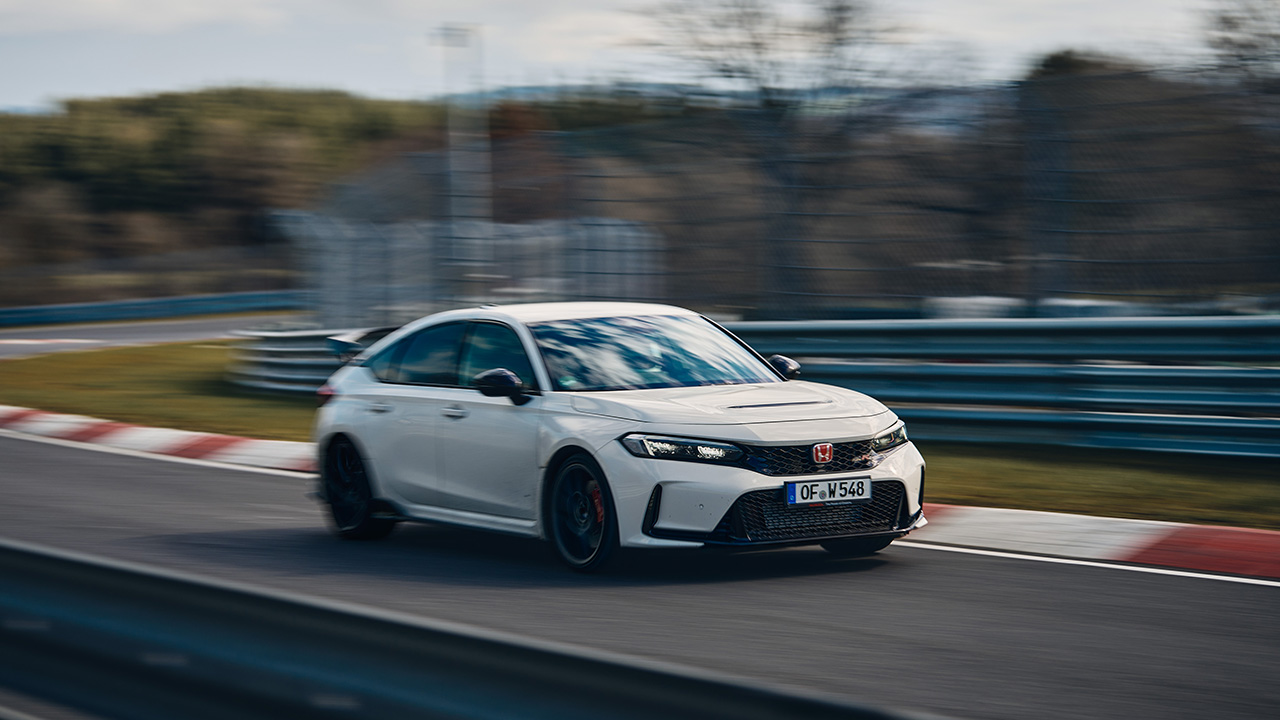
It took two decades of waiting, but when Honda finally brought the Civic Type R to the U.S. in 2017, it showed up ready to make up for lost time. With a turbocharged 2.0-liter engine rated at 306 horsepower for 2017–2021 models and 315 horsepower for 2023–present models, a six-speed manual gearbox, and one of the most finely tuned FWD chassis setups ever built, the Type R proved it was worth the hype.
It may have stirred controversy with its anime-warfare styling, especially that massive wing, but step behind the wheel, and all is forgiven. The handling is razor-sharp, the brakes are track-tested, and the adaptive suspension lets you switch from daily driver to corner assassin with the push of a button.
This isn’t just a fast Civic. It’s a benchmark-setting front-wheel-drive performance car that runs down more expensive rivals on track while still hauling groceries and passengers without complaint. Loud? Yes. Flashy? Definitely. But if you’re looking for a hatch that’s genuinely engineered for lap times, this is it.
Honda CRX
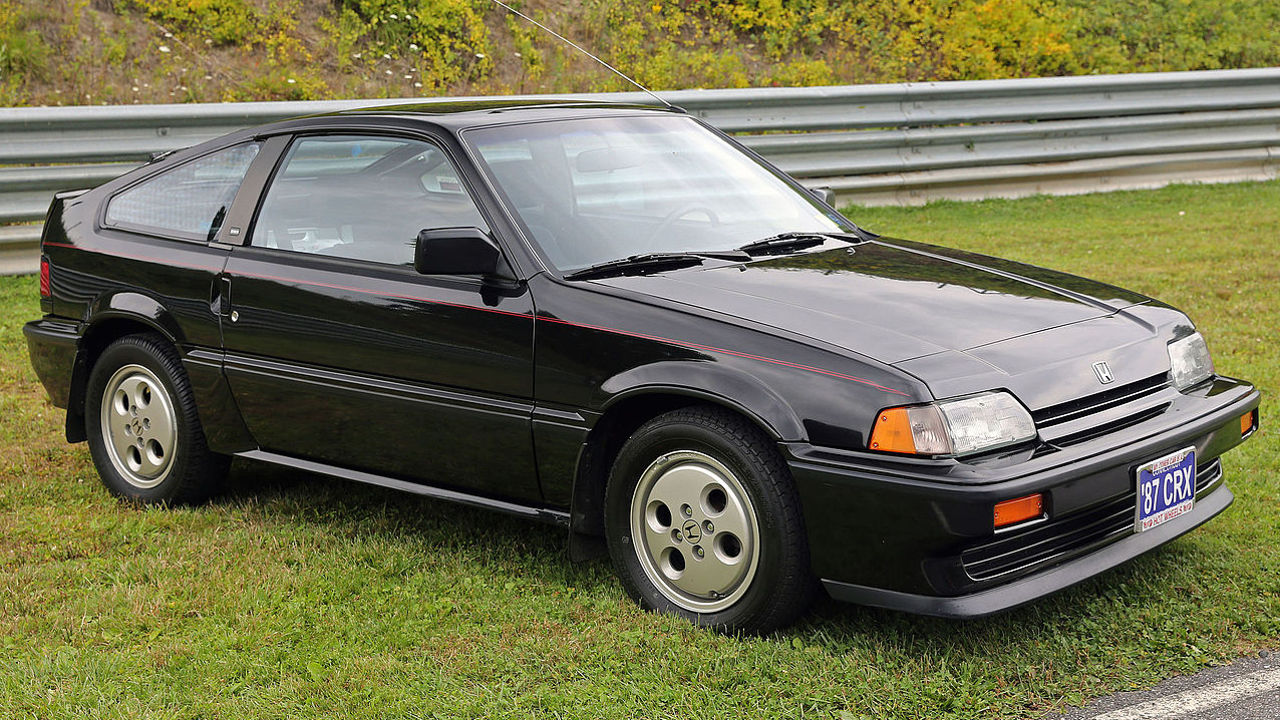
The Honda CRX is living proof that you don’t need big power to have big fun. Most U.S.-spec models made just over 100 horsepower, but that was more than enough when paired with a curb weight that ranged from well under 2,000 pounds to just over 2,000 pounds depending on year and trim, and Honda’s legendary chassis tuning.
Offered in the States from the mid-’80s through the early ’90s, the CRX combined sharp handling, a rev-happy engine, and minimalist design into one of the most tossable front-wheel-drive cars of its era. The Si trim brought fuel injection and sportier suspension, making it a track-day sleeper in the right hands.
Sure, the JDM SiR with its VTEC B16 engine gets all the enthusiast love—but even the American-spec CRX Si handles like it’s hardwired to your limbs. It’s the kind of car that teaches you to carry speed, hit every apex, and drive with precision. Lightweight, honest, and fun in a way modern cars rarely match, the CRX is an underrated legend.
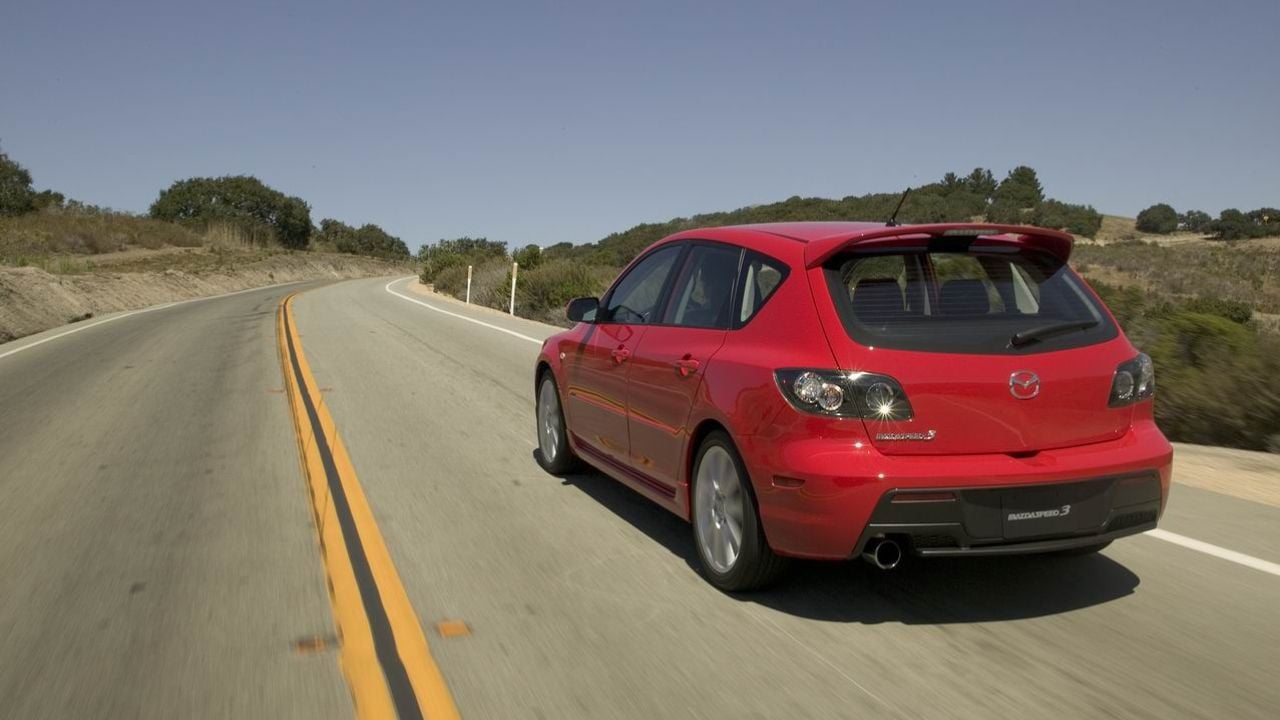
MazdaSpeed3

If you like your hot hatches with a little chaos baked in, the MazdaSpeed3 is your kind of troublemaker. This front-wheel-drive rocket came with a turbocharged 2.3-liter four-cylinder making 263 horsepower and enough torque to turn your steering wheel into a suggestion box under hard throttle.
It’s wild, it’s raw, and it doesn’t apologize for it. But that’s precisely what makes the Speed3 so fun. Equipped with a six-speed manual and a limited-slip differential, it claws for grip coming out of corners and devours straights. The chassis is firm and responsive, and while it doesn’t feel as refined as some rivals, it more than makes up for it with personality.
And yet, despite all that attitude, the MazdaSpeed3 still checks the boxes for daily life. It’s a five-door hatch with real cargo room, decent comfort, and reasonable reliability. It’s the kind of car you can thrash on Saturday and haul groceries in on Sunday—try not to light up the tires leaving the parking lot.
Mazda 2
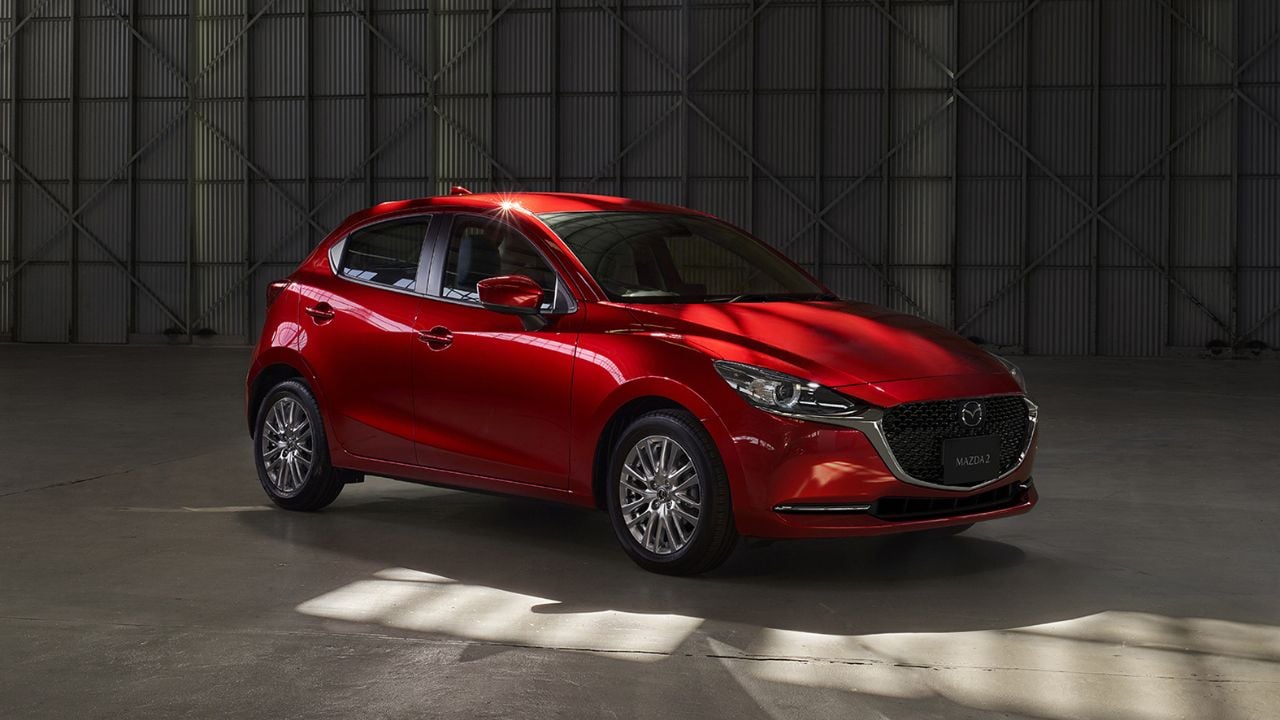
The Mazda 2 is the underdog you can’t help but root for. It’s light, simple, and about as analog as modern cars get. With a modest 100 horsepower under the hood and a five-speed manual sending it all to the front wheels, it’s not built for speed, it’s built for fun.
This car rewards smooth inputs, momentum driving, and bravery through the corners. You can drive it flat out and still be within the legal limit, which makes it the perfect training ground for learning car control. The chassis is surprisingly well-tuned, the steering is quick and direct, and the whole thing feels like it was designed by someone who just wanted to have a good time.
It may not have the power to dominate straights, but on a tight technical track or autocross course, the Mazda 2 punches way above its weight class. Plus, you can redline it all day without ever breaking a sweat, or the budget.
Mitsubishi Lancer Sportback Ralliart (2010–2014)
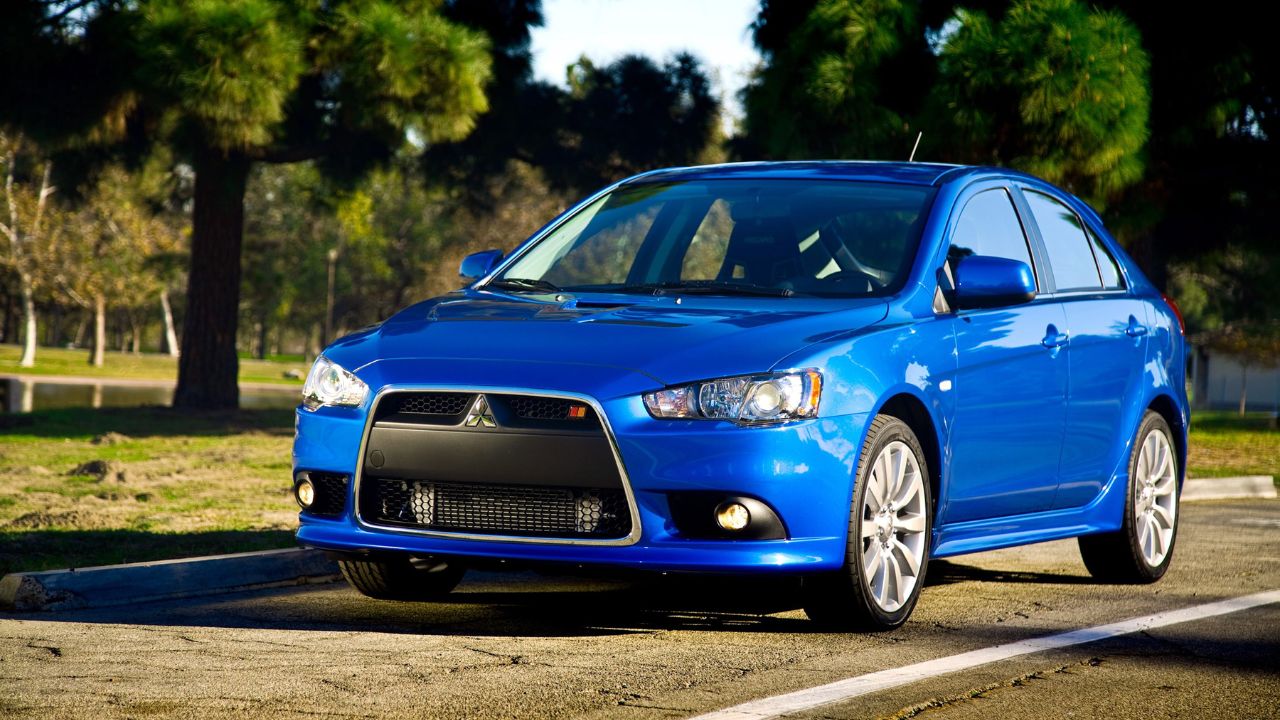
If the Evo X is a flamethrower in a tailored suit, the Lancer Sportback Ralliart is its laid-back cousin, still packing heat, just in a hoodie and with way more cargo space. This five-door sleeper borrowed serious hardware from the Evo, including the turbocharged 2.0-liter engine, dual-clutch transmission, and rally-derived AWD system.
With 237 horsepower on tap, the Ralliart could rip through a canyon road or light up a wet autocross course without breaking a sweat. The dual-clutch gearbox snapped off shifts like it had something to prove, and the hatchback layout made it as useful for weekend getaways as it was for track days.
It never got the full Evo suspension or aggressive aero, which made it more livable for daily use. The Sportback body style was rare in the States, adding to its appeal now. The Ralliart delivers if you’re looking for an AWD turbo hatch that flies under the radar but has genuine motorsport roots.
Scion tC (2005–2010)

The first-gen Scion tC was never marketed as a track car, but that didn’t stop it from becoming a favorite among tuners and weekend warriors alike. With its 2.4-liter inline-four, five-speed manual, and front-wheel-drive layout, the tC served up a solid mix of power and practicality wrapped in a sleek, sporty shell.
It wasn’t the most extreme hatch out there, but that’s exactly what made it so approachable. The tC came with independent suspension, disc brakes, and enough chassis balance to make backroad blasts enjoyable. Add in Toyota reliability and a huge aftermarket, and you’ve got a blank canvas for whatever kind of build you want, track toy, time attack car, or daily beater with attitude.
Plus, with its large rear hatch and fold-flat seats, it’s one of the few cars where you can show up to the track with your tires, jack, and tools all tucked neatly in the back, no trailer required. It might not have had “Type R” or “GR” on the badge, but with the right setup, the tC can absolutely hold its own.
Scion xA RS and xD
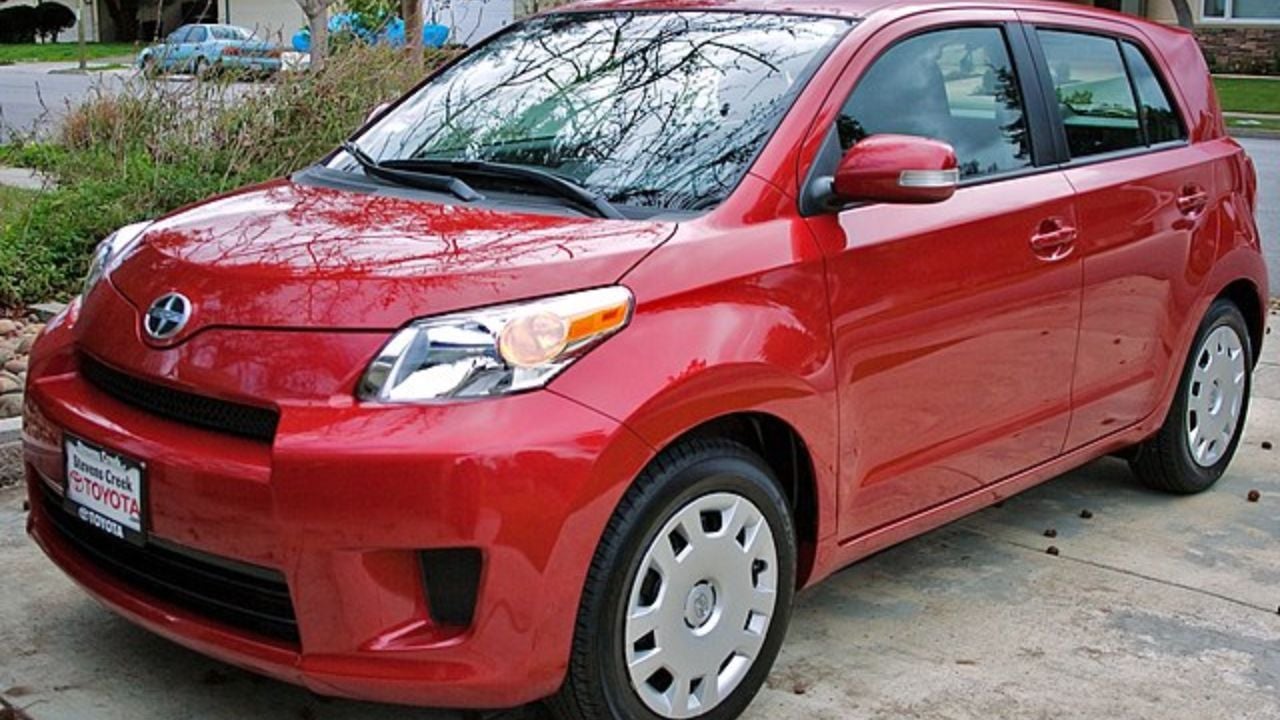
No one walked into a Scion dealership in the mid-2000s thinking, “I’m about to buy a track car.” But surprise, the xA and xD turned out to be scrappy little platforms that punch above their weight with the right upgrades.
The xA and its slightly beefier successor, the xD, were lightweight, short-wheelbase hatchbacks with peppy engines and simple mechanics. On paper, they were built for budget-minded urban commuters. But take one to an autocross event with upgraded suspension, sticky tires, and a short shifter, and suddenly you’ve got a corner-carving go-kart with room for friends and tools.
Sure, they’re not fast. And no, you won’t find factory turbochargers or all-wheel drive here. But if you’re looking for an affordable way to get into motorsports, or just something fun to thrash on weekends, the Scion xA and xD offer a surprising amount of charm, agility, and potential.
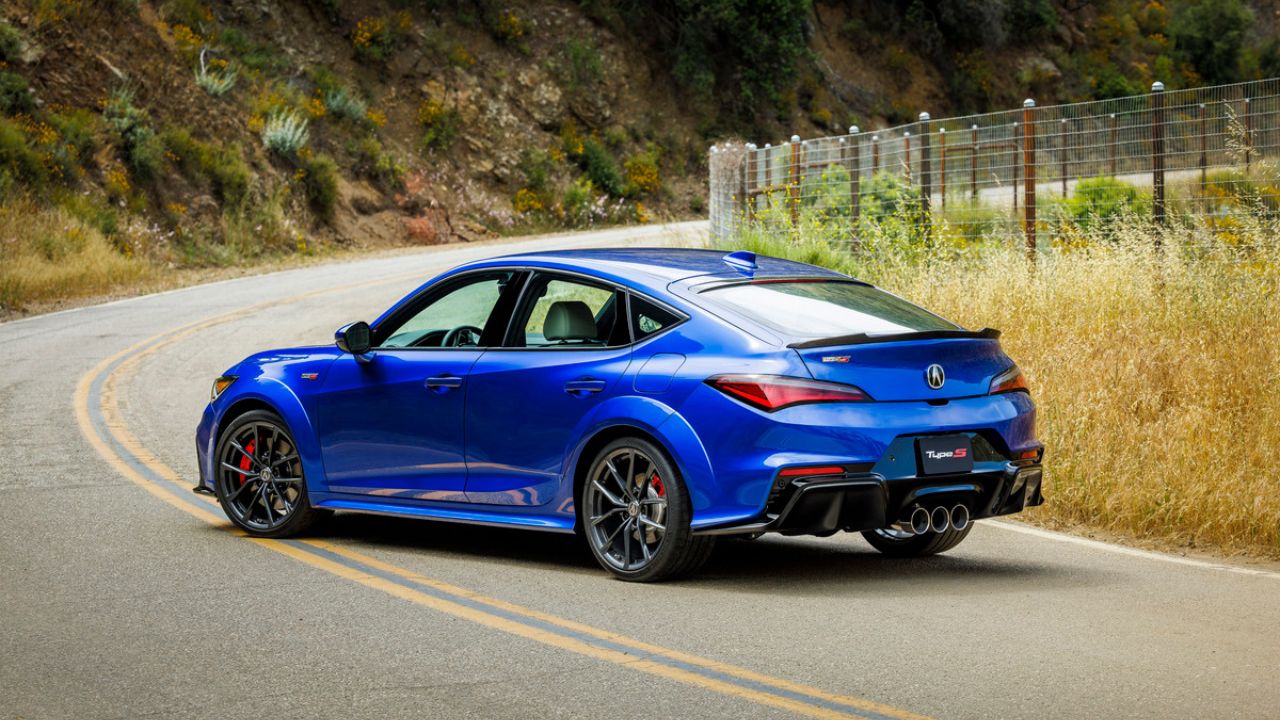
Acura Integra Type S (2024–present)

Think of the Integra Type S as the Civic Type R’s more refined twin, the one that still hits the track on weekends but shows up to dinner in a blazer instead of a hoodie. It shares the same turbocharged 2.0-liter engine, six-speed manual transmission, and limited-slip differential, but wraps it all in a sleeker, more upscale package.
With 320 horsepower, adaptive dampers, and sticky 265-section tires, the Type S is every bit the corner-carver its Honda sibling is. But it dials back the boy-racer aesthetic in favor of clean bodywork, a quieter cabin, and a more premium vibe. That doesn’t mean it’s soft, it still hauls on backroads and laps tracks with surgical precision.
The hatchback body adds versatility; the cabin is loaded with tech and comfort, and delivers performance without the flash. If you want Civic Type R thrills but prefer flying under the radar, the Integra Type S is the grown-up’s hot hatch of choice. And yes, we know it looks like a sedan, but it really is a hatchback, go, look it up.
Honda Civic Si Hatchback (2002–2005)
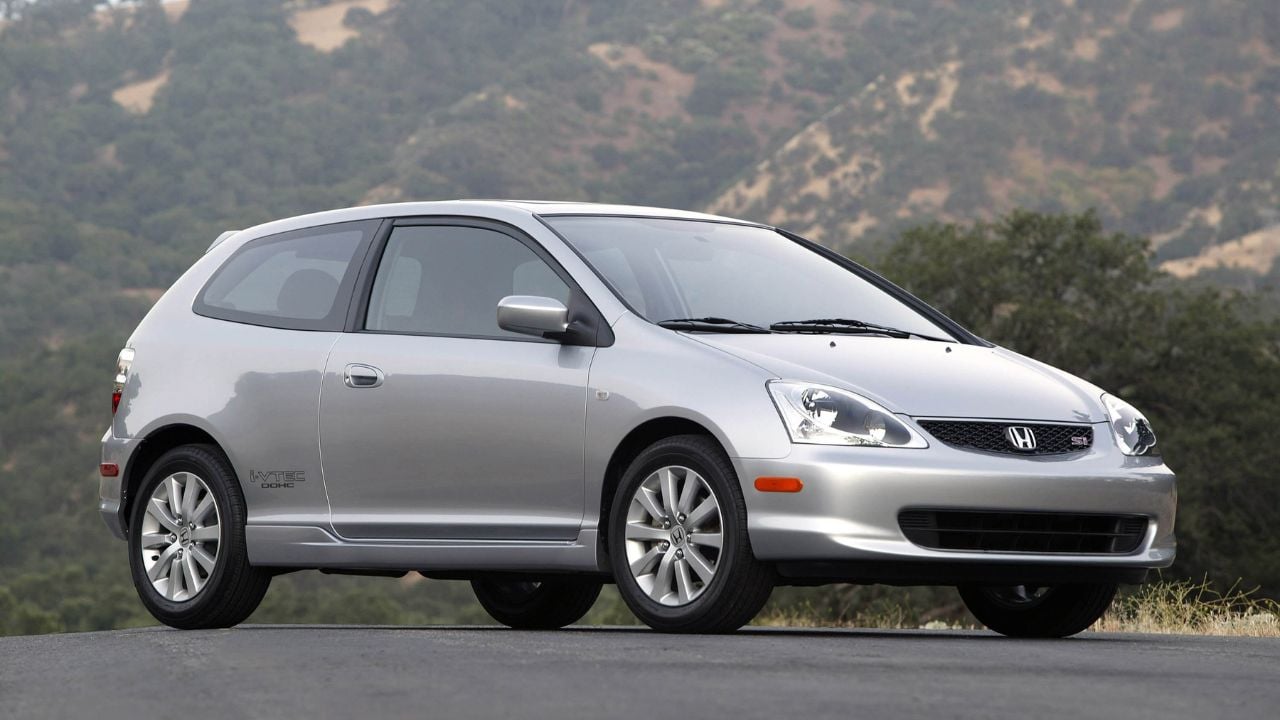
The EP3 Civic Si didn’t get much love when it first hit U.S. shores, but time has been kind to this quirky hot hatch. It was the first Civic Si hatchback sold in the U.S. in the modern era, and while its looks were tame and its ride height a little too tall, it had some serious potential hiding under the skin.
At its core was the now-legendary K20 engine, rev-happy, durable, and endlessly tunable. It made 160 horsepower out of the box and was paired with a five-speed manual and a center-mounted shifter straight out of a concept car. While the U.S. version lacked the limited-slip diff and firmer suspension of the JDM Civic Type R, the bones were solid, and the aftermarket quickly stepped in to fill the gaps.
The EP3’s tall greenhouse and high seating position felt odd at first, but offered excellent visibility and a surprisingly airy cockpit. It wasn’t perfect, but it was a blank slate for performance, and today it’s a sought-after platform for budget track builds, autocross fun, and K-swap experiments.
They Look Tame, But These Hatches Came to Play
Not every performance car needs flared fenders, a screaming V8, or a six-figure price tag. Some of the most rewarding track-day machines come disguised as sensible hatchbacks, lightweight, tossable, and built with just enough firepower to keep things thrilling.
Whether you’re chasing lap times, learning the limits of grip, or just want a fun way to get to work, these Japanese hot hatches prove you don’t have to sacrifice practicality to have a great time behind the wheel. In fact, that’s kind of the point.