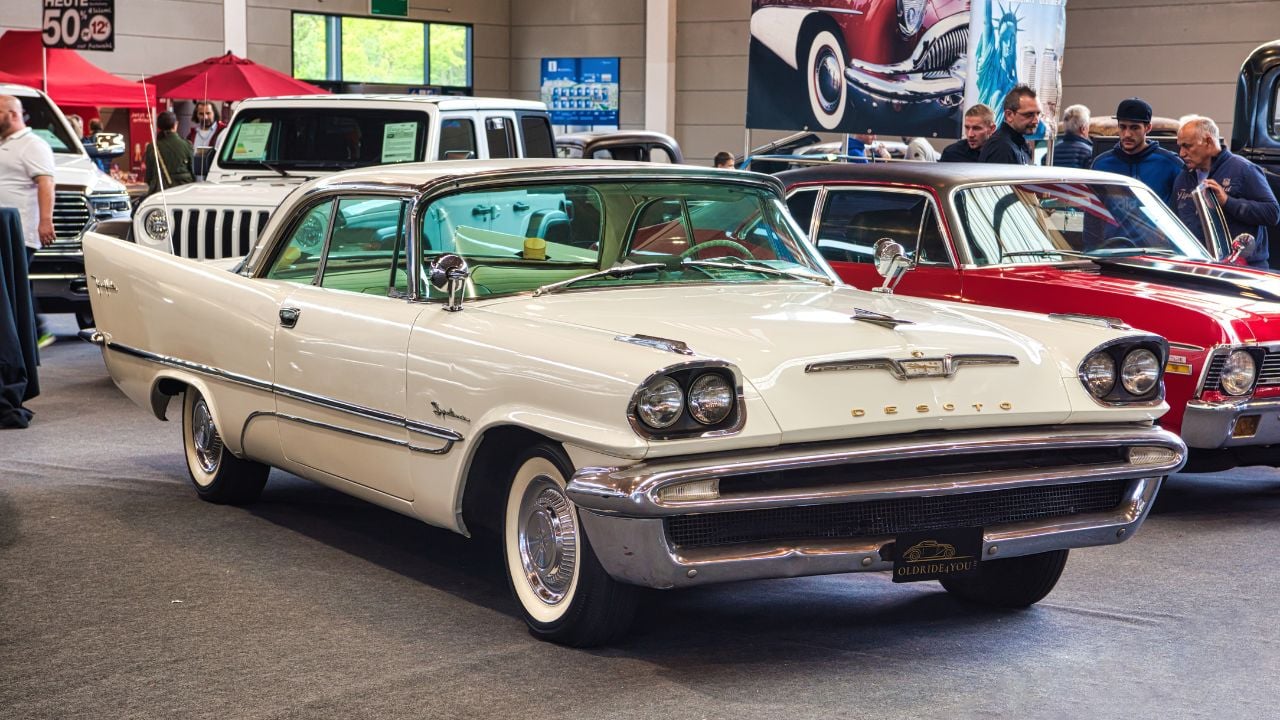
It’s generally agreed upon that the 1964 Pontiac GTO was the car that popularized the muscle car segment, but there were other muscle cars before it.
Some say the 1949 Oldsmobile 88 was the first muscle car, and Hagerty says Jim Wangers, the man who turned the GTO into a superstar, wrote in his memoir that Chrysler built the first muscle cars. It doesn’t really matter who was first: the point is that there were multiple American cars with powerful V8s long before the GTO came along. Let’s look at some of the best.
Why We Picked These Cars
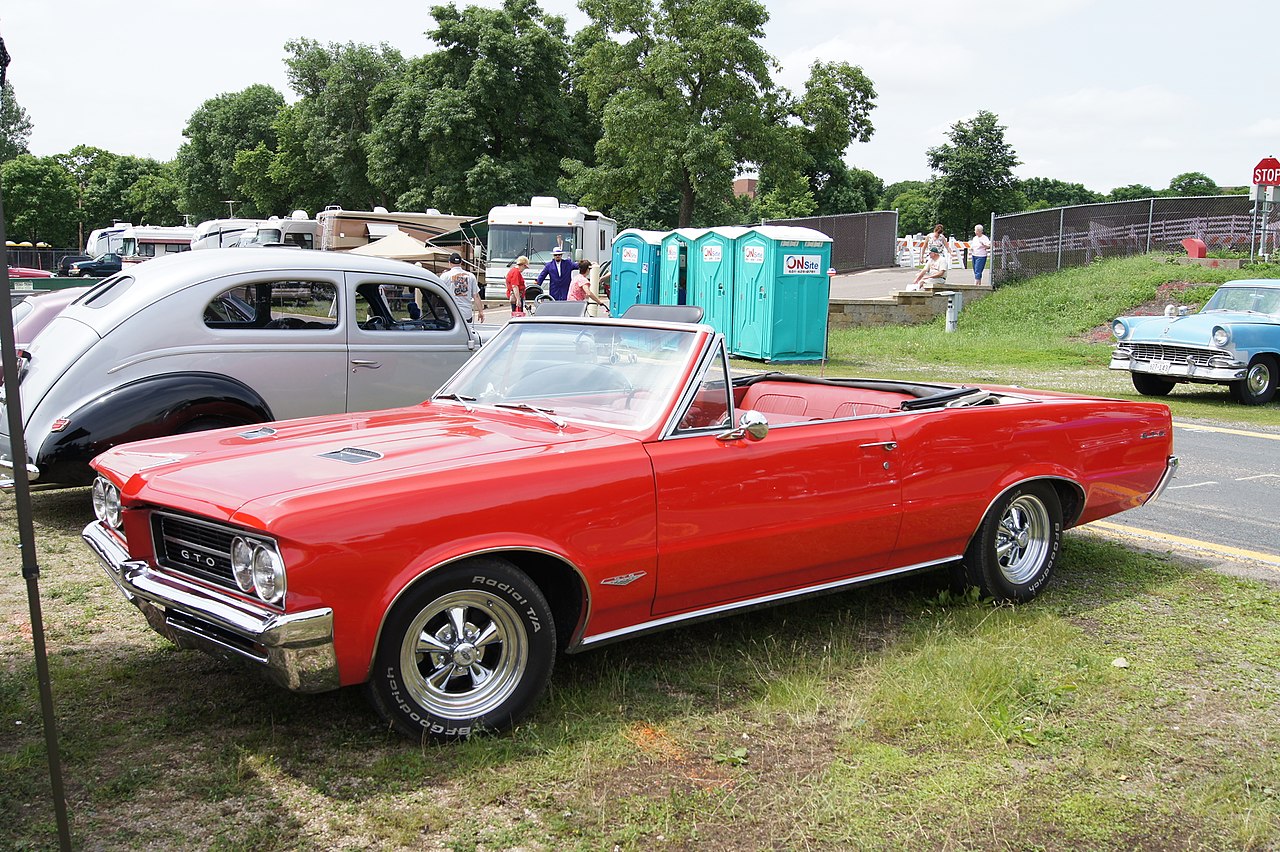
Obviously, we needed to focus on models produced before the 1964 Pontiac GTO. By using reputable automotive publications such as Hagerty, Hot Rod, MotorTrend, and Autoevolution, we identified classic cars that combine powerful V8 engines with performance-oriented features.
These sources provided detailed specifications and historical context of pre-GTO performance cars, helping us understand how they contributed to the evolution of muscle cars. Not all the cars here are muscle cars in the traditional sense, i.e., two-door midsize models, but they were still a huge part of what was to come in the mid-1960s.
1949 Oldsmobile Rocket 88
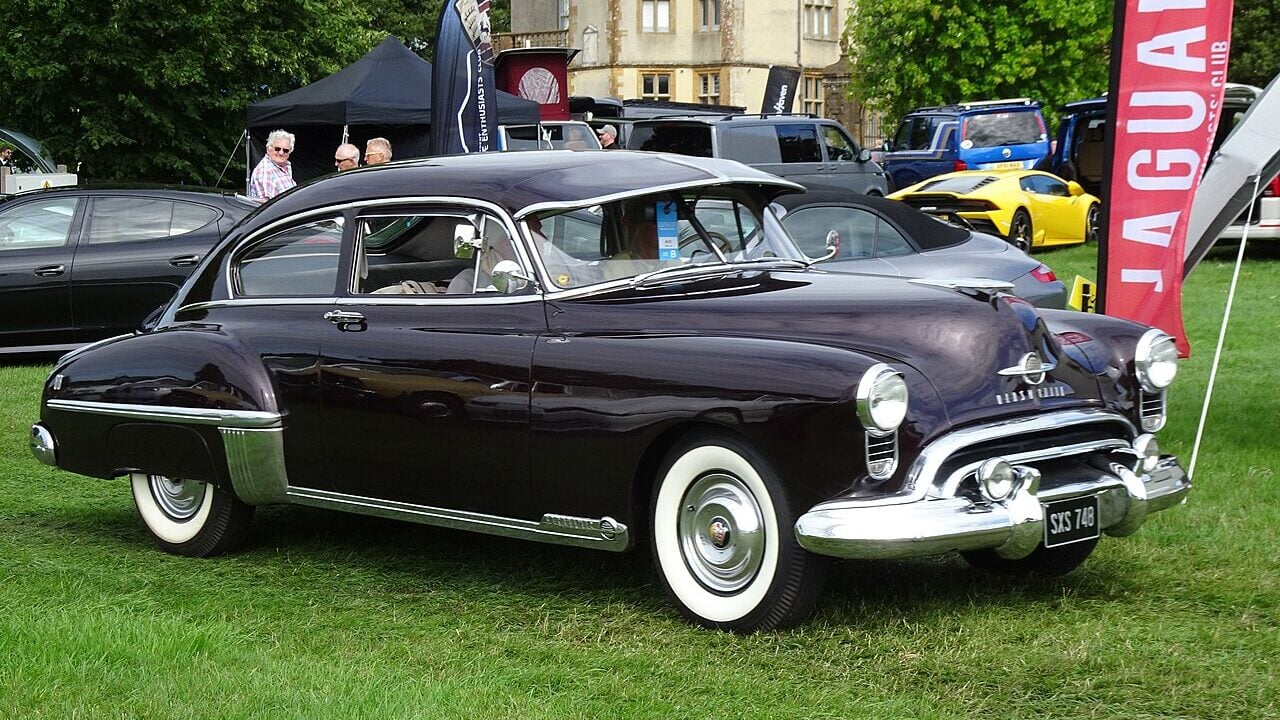
The Oldsmobile Rocket 88 is often considered the first muscle car, and it’s easy to understand why. Autoevolution reports that Oldsmobile built it to attract younger buyers, so they gave the lightweight midsized car a 303 V8 engine with a two-barrel carb, resulting in a respectable 135 hp and 253 lb-ft of torque.
With that kind of power, the 2-door 88 would launch to 60 mph in 13 seconds and continued going until it hit its 97 mph top speed. It went on to dominate the NASCAR circuits, and people bought it in droves.
1955 Chrysler C-300

Not everyone agrees that the Rocket 88 was the first muscle car! Some will say the honor should go to the 1955 Chrysler C-300, the first of the brand’s letter series models. According to Curbside Classic, its name comes from the fact that its FirePower 331 Hemi V8 produced a whopping 300 hp, even the Corvette with the small-block V8 only had 195 hp at the time.
In 1955, the Chrysler C-300 was the most powerful American car money could buy, and it went on to completely dominate NASCAR that year. It would sprint from 0 to 60 mph in just 9.8 seconds, had a 130 mph top speed, and in the following years, it would only get more powerful.
1956 Studebaker Golden Hawk
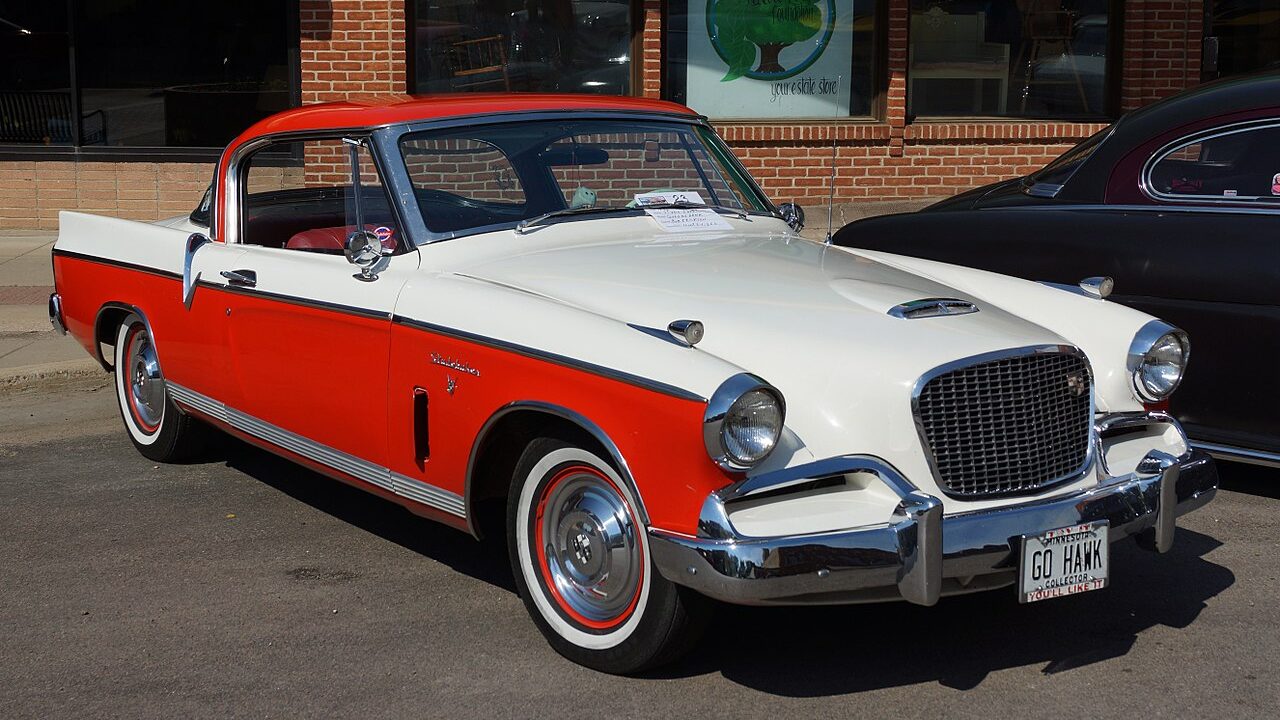
IndieAuto reports that the Hawk was the 1950s equivalent of a mid-sized car, and weighing in at 3,360 lbs, the V8-equipped, top-of-the-line Golden Hawk was lightweight for a car from this era. Under the hood, the Golden Hawk had a Packard 352 V8 producing 275 hp, giving it an excellent power-to-weight ratio that was second only to Chrysler’s 300B among 1956 American production cars.
The big V8 was found to be overwhelming for the light cars, leading to mixed reviews, and MotorTrend said the tires struggled to find grip. Still, once the tires did dig in, the Studebaker Golden Hawk would reach a top speed of 120 mph.
1957 Rambler Rebel

AMC didn’t have the money or manpower of the Big Three, but they did have bucket loads of chutzpah and certainly deserve some credit for putting muscle cars on the map. One such car was the 1957 AMC Rebel.
Packing a 255-hp 327 V8 into a midsize body, the 1957 Rebel was a formidable performer. According to Curbside Classic, it blew away the competition at the Daytona Speed Trials, proving itself as the quickest production sedan there.
1957 Plymouth Fury V-800
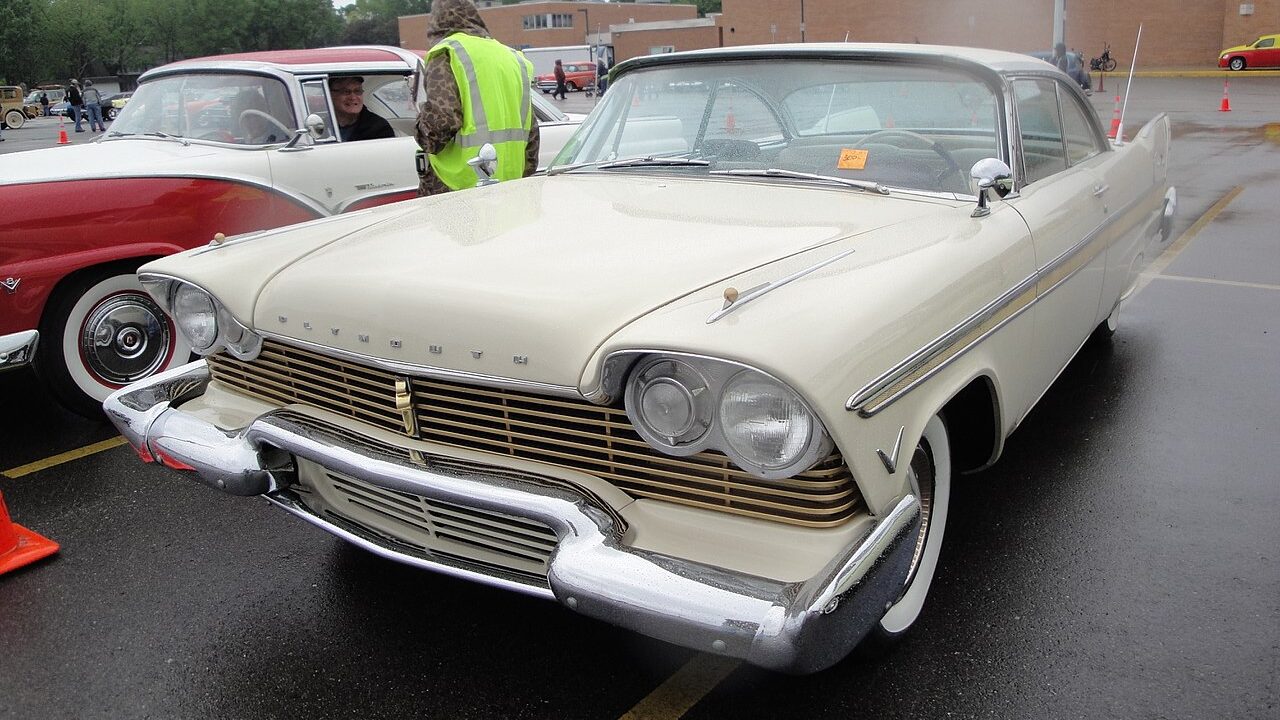
According to Automobile Catalog, Plymouth introduced the Fury V-800 in 1957. Unlike the other Chrysler divisions, they chose not to use a Hemi engine; instead, they opted for a 318 engine featuring a polyspherical cylinder head, as referred to by Chrysler. Still, in the Fury V-800, this mill pumped out 290 hp, making it plenty quick.
1957 Chevrolet Bel Air Fuelie

Autoevolution reports that 1957 marks the first year Chevrolet offered fuel injection on a car that wasn’t the Corvette, and that honor went to the stylish Bel Air.
Under the hood, it still has the Rochester Ramjet 283 mill, but it now featured a continuous flow fuel-injection system, showcasing advanced technology for the time. Whereas the standard 283 had a four-barrel carb and mustered around 220 hp, Audrain Auto Museum claims the Fuelie version produced a very respectable 283 hp.
1957 DeSoto Adventurer

This luxury cruiser wasn’t just about chrome and tailfins! The Adventurer was fast, flashy, and exclusive, giving DeSoto a halo car that could go toe-to-toe with the best from Chrysler and Dodge. One of the things that made it so good was found under the hood.
As reported by Autoevolution, the DeSoto Adventurer packed a 345ci Hemi V8 with dual four-barrel carburetors, resulting in a whopping 345 hp. It was one of the first production cars to achieve one horsepower per cubic inch. All this power was sent to the rear via a three-speed automatic transmission. Today, the Adventurer is often overlooked, but it was a beast in its time.
1958 Ford Thunderbird
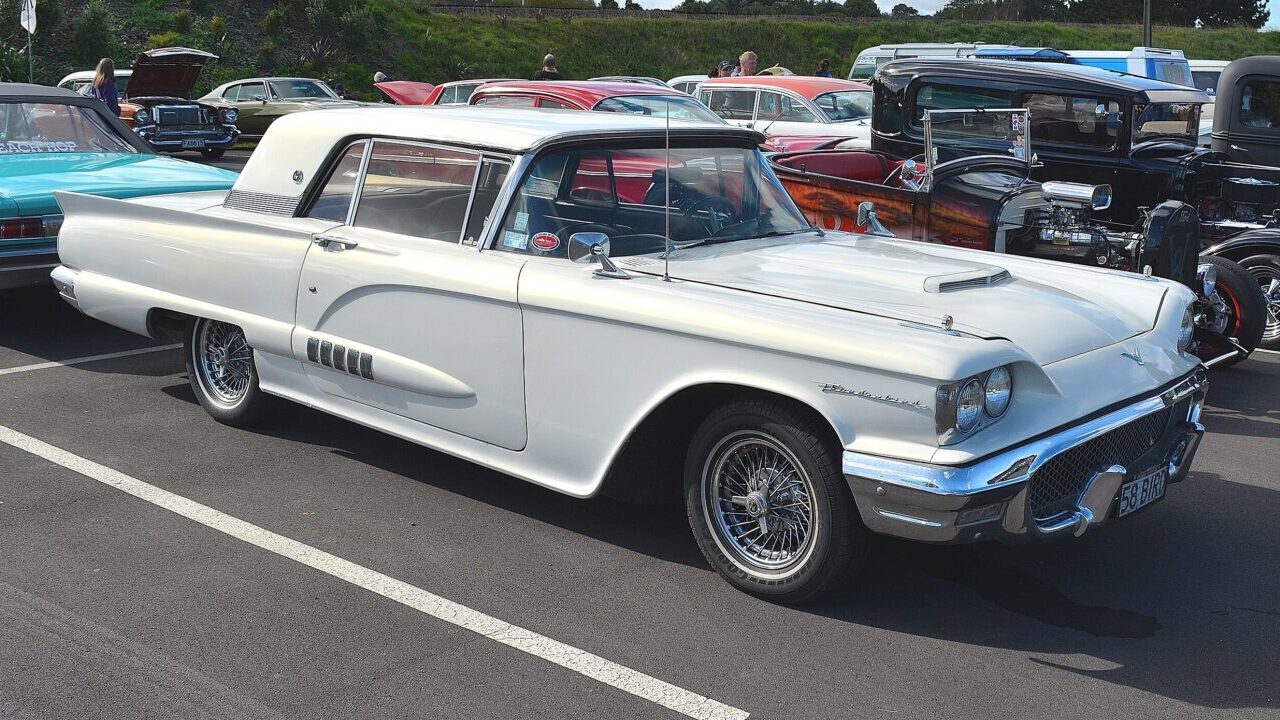
Granted, the Ford Thunderbird wasn’t a muscle car; it was a “personal luxury car,” but in 1958, it did receive a rear seat, and up front, it was certainly packing a punch.
MotorTrend was so pleased with its stylish looks, cavernous interior (for its size), and excellent performance, they made it their Car of the Year. Speaking of performance, a 352 V8 pumped out 300 hp, and Ford also listed a Thunderbird 430 Special option rated at 375 hp.
1958 Dodge D-500
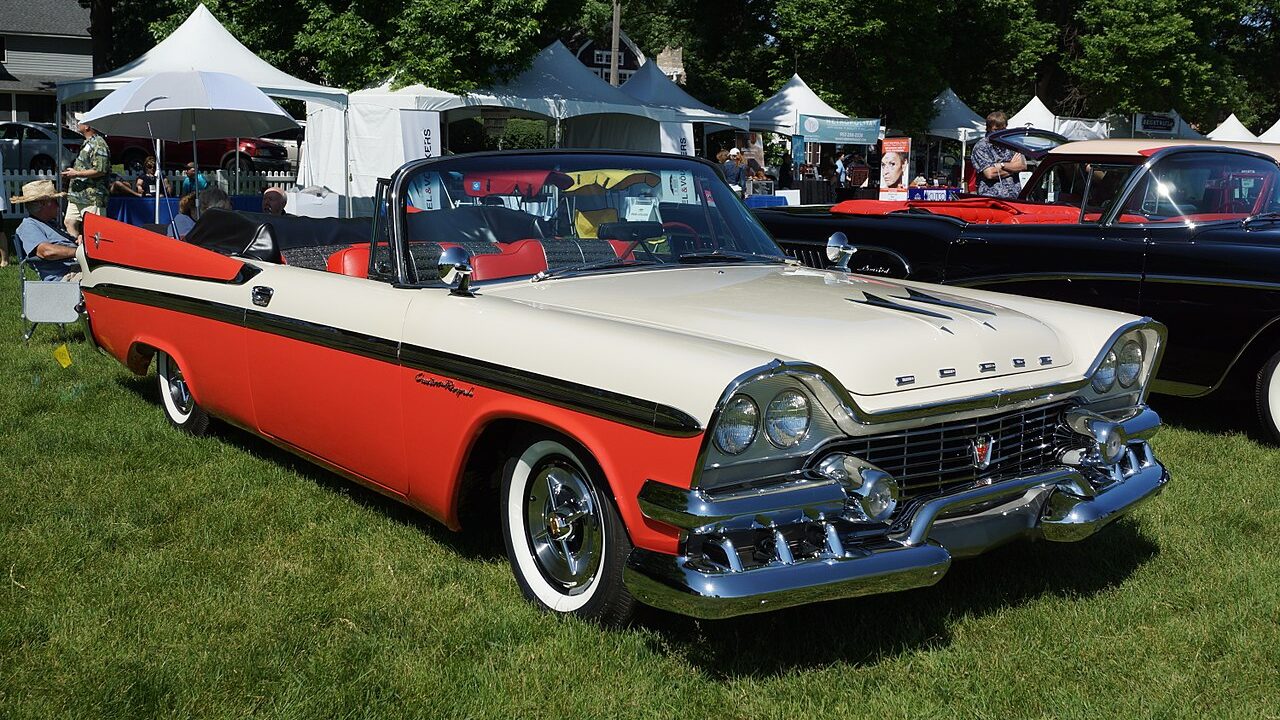
In 1958, Dodge offered the D-500 high-performance engine option for all its models and body styles. This was Dodge’s answer to the horsepower wars.
With the Super D-500 option box ticked, the 361ci V8 was rated at 320 hp, and Dodge also offered a 333 hp fuel-injected version in very limited numbers. With upgraded suspension and brakes, the D-500 was more than just a straight-line machine, it could go around corners, too. A rare factory hot rod that hinted at the muscle cars to come.
1959 Pontiac Bonneville
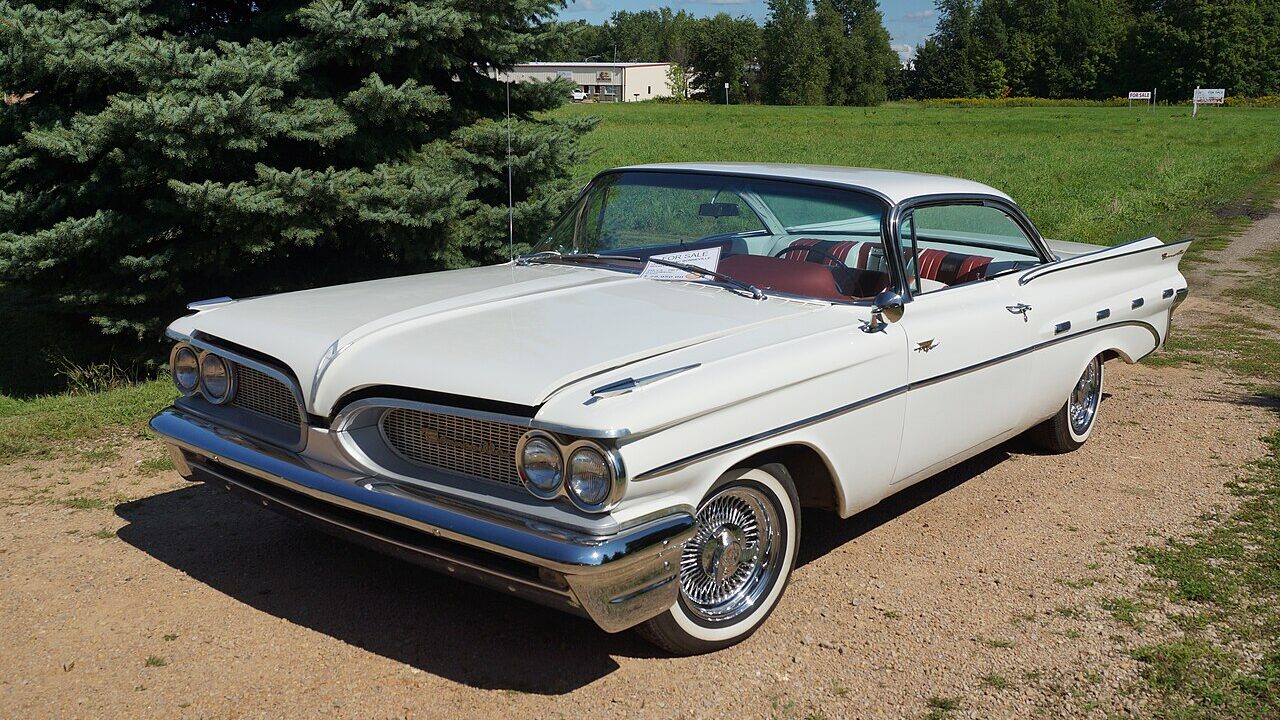
With all its straight lines and big fins, the 1959 Pontiac Bonneville certainly looks like a product of its era. Autoevolution reports that this full-sized behemoth was available in both coupe and convertible form for those wanting sportier looks, and a 4-door and wagon if practicality was prioritized.
Under the hood, the Bonneville had a 389 V8 available with varying degrees of power depending on carburation, ranging from 215 to 345 hp. It also had a wide-track design to improve handling, and a limited-slip diff was available as an option.
1961 Chevrolet Impala SS 409
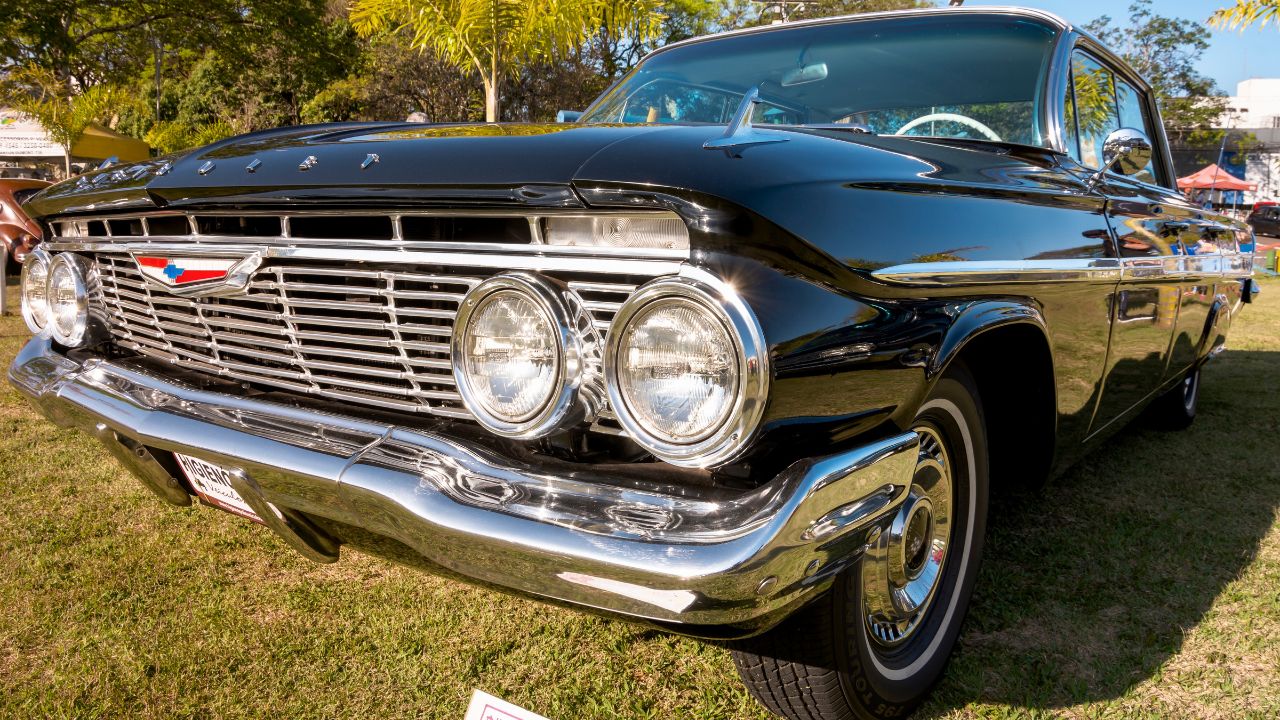
As reported by Autoevolution, the 1961 model year marked the debut of the third-generation Chevy Impala. Chevrolet also offered a performance package for its full-size model, which was a first for an affordable 1960s car.
This Super Sport, or SS, package included chassis reinforcements, heavy-duty springs, and upgraded drum brakes. It had a four-barrel 348 V8 with 305 hp as standard, as well as an optional four-barrel version with 340 hp or a tri-power with 350 hp. Those looking for maximum performance would opt for the brand-new 409 unit with 360 ponies.
1961 Ford Galaxie Starliner 390
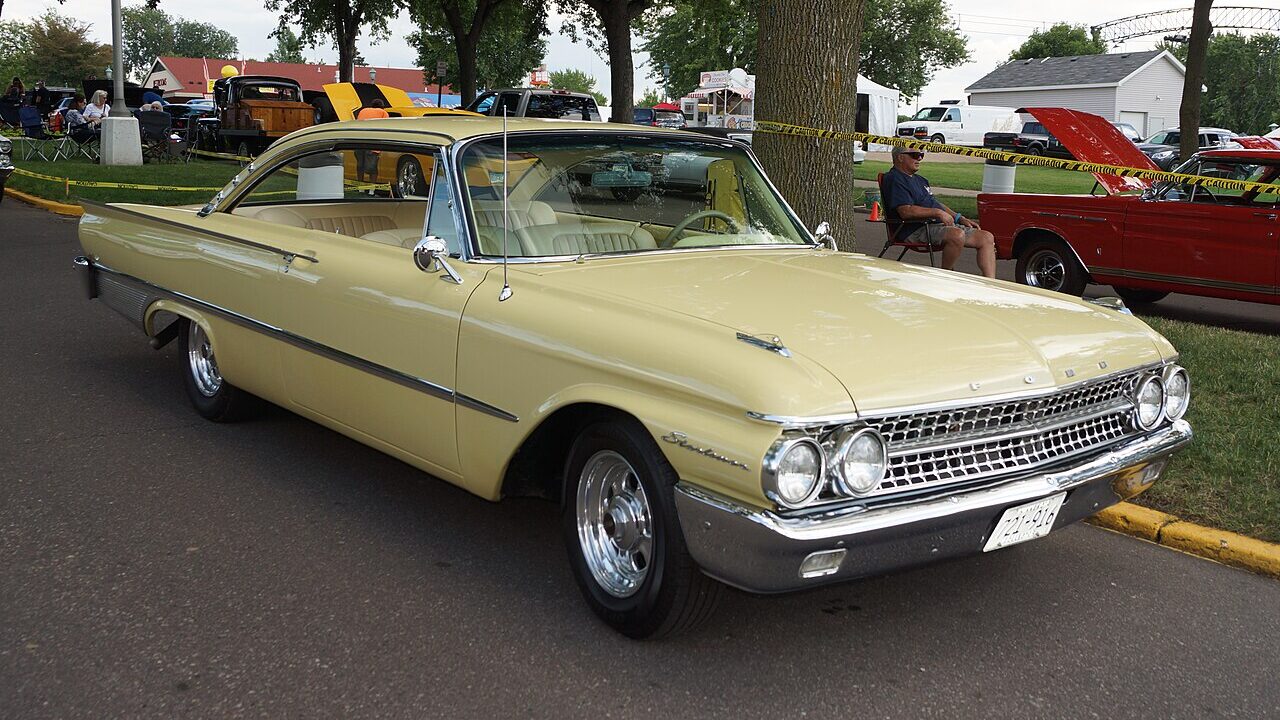
The 1961 Starliner was a sleek two-door hardtop model with a fastback roofline, built to slice through the air as one of Ford’s NASCAR racers. Hot Rod reports that, at the time, the Starliner 390 was the only Ford that could be ordered with an optional performance package.
That package centered on a high-output 390 V8 rated at 375 hp. Ford didn’t end things there, though. The icing on the cake? It could be ordered with multiple transmissions, including a four-speed manual.
1962 Pontiac Catalina 421 Super Duty
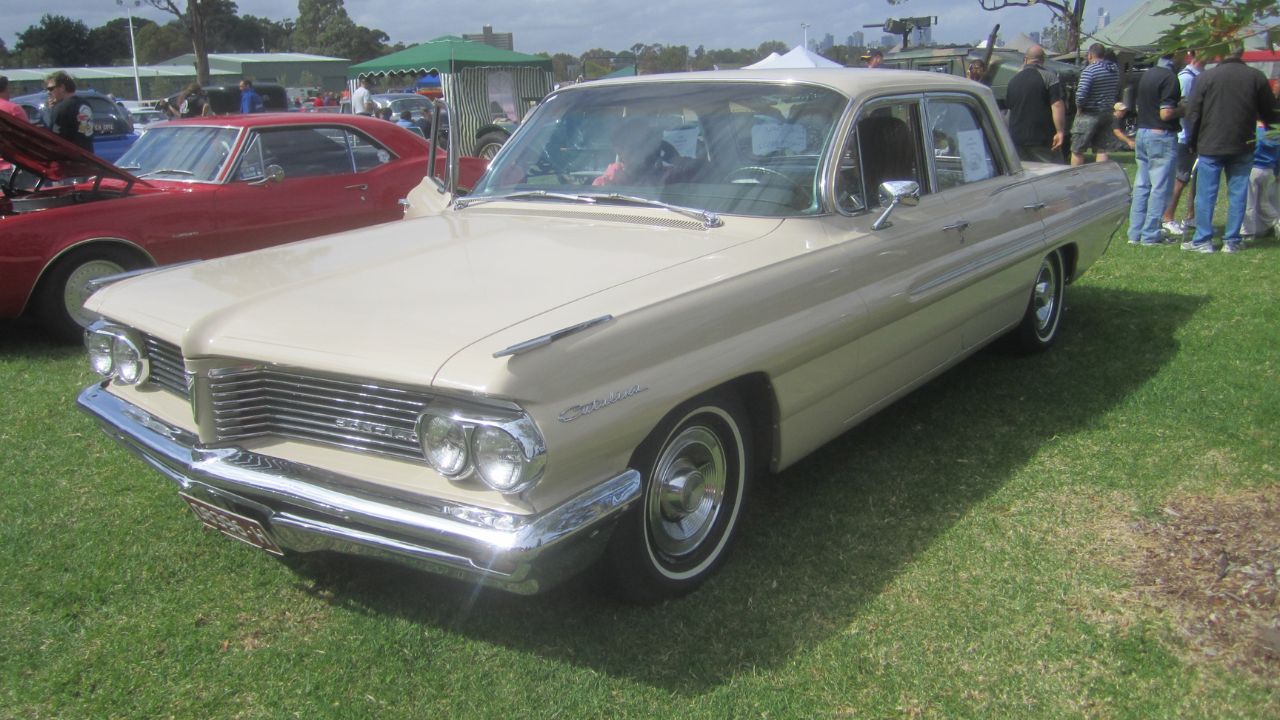
According to Autoevolution, Pontiac’s management decided to build a race car that qualified as a “stock” model for both NASCAR and NHRA racing, the Catalina Super Duty.
On the outside, there wasn’t much that separated it from the standard model, but looks can be deceiving. The Pontiac Catalina Super Duty could be optioned with lightweight aluminum front end pieces, and in 1963 Pontiac went further with ultra-lightweight “Swiss Cheese” Catalinas that used drilled frame rails. Pop the hood, and you’ll be greeted by a 421 V8 engine pushing out 405 thoroughbred American ponies.
1961 Lincoln Continental

It may have been a luxury icon, but according to AutoEvolution, the Continental packed a punch with its 430-cubic-inch V8 pumping out 300 horsepower. Sure, it certainly wasn’t a drag racer, but it brought torque in spades and effortless cruising power.
As an added bonus, those rear-hinged doors gave it serious street presence. The Lincoln Continental packed American muscle in a tuxedo, as it was as powerful as it was classy.
1962 Plymouth Fury Max Wedge
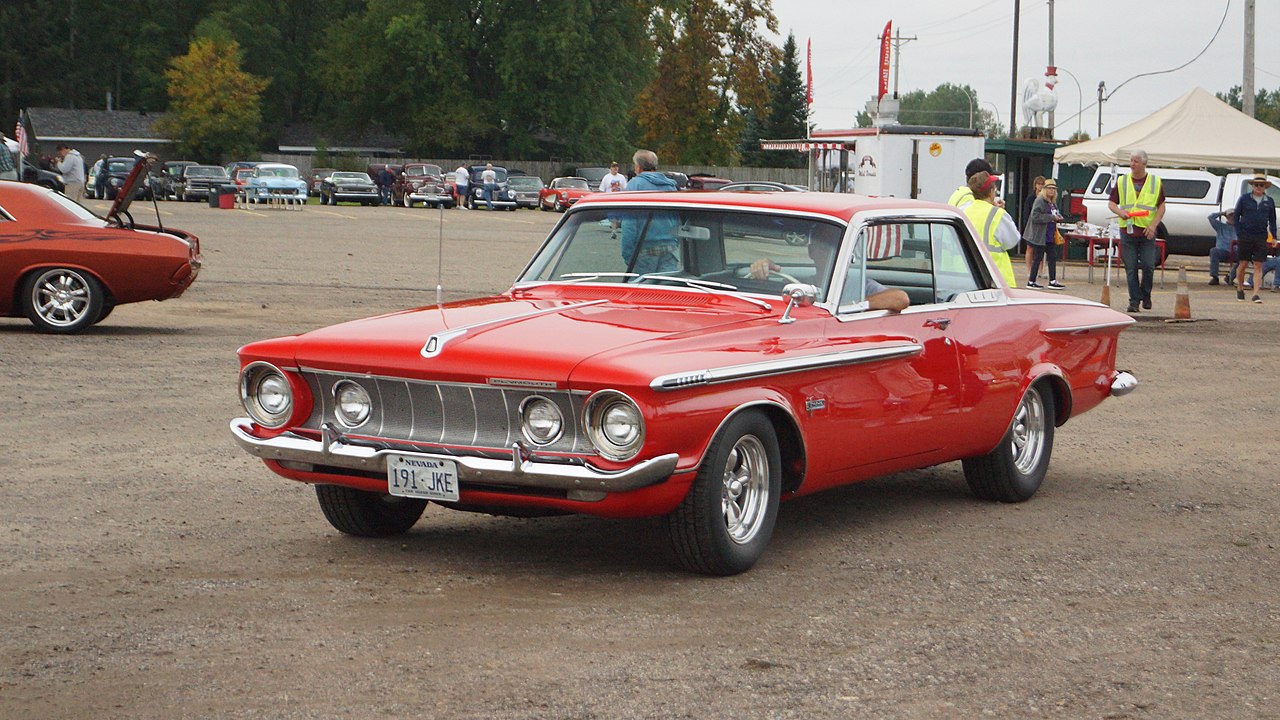
Dodge wasn’t the only company under the Chrysler umbrella to use the Max Wedge mill. Plymouth installed it in its mid-sized Fury model, and like the Dodge, it was a factory racer built for straight-line speed.
HotRod says that, unlike the Pontiac GTO, the Max Wedge cars, while technically road-legal, were sold with the understanding that they were strictly for competition use, although many were still used on public roads.
1962 Chevrolet Impala SS 409
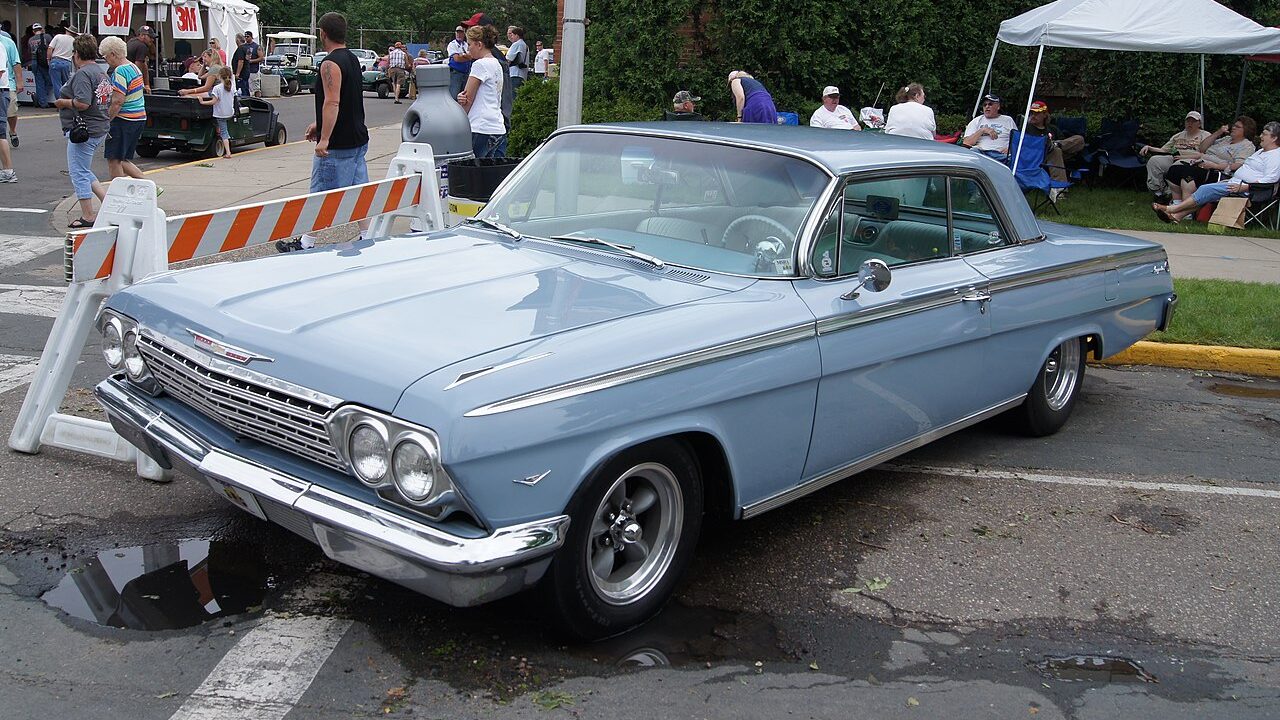
The 1962 Chevrolet Impala is one of the most popular American classics. Autoevolution reports that this was the year it received a convertible-style roof, making it an instant hit. However, we’re more interested in what’s hiding under the hood.
A new 327 small-block was brought in to replace the 4-barrel 283, but more importantly, buyers could now spec their Impala with a massive 409 V8, producing either 380 or 409 hp, depending on the carb. Chevy also built a Lightweight model that shed 125 pounds, and thanks to dual four-barrel carburetors, new cylinder heads and pistons, its 409 V8 engine was officially rated at 425 hp.
1963 Ford Galaxie 500 XL R-Code
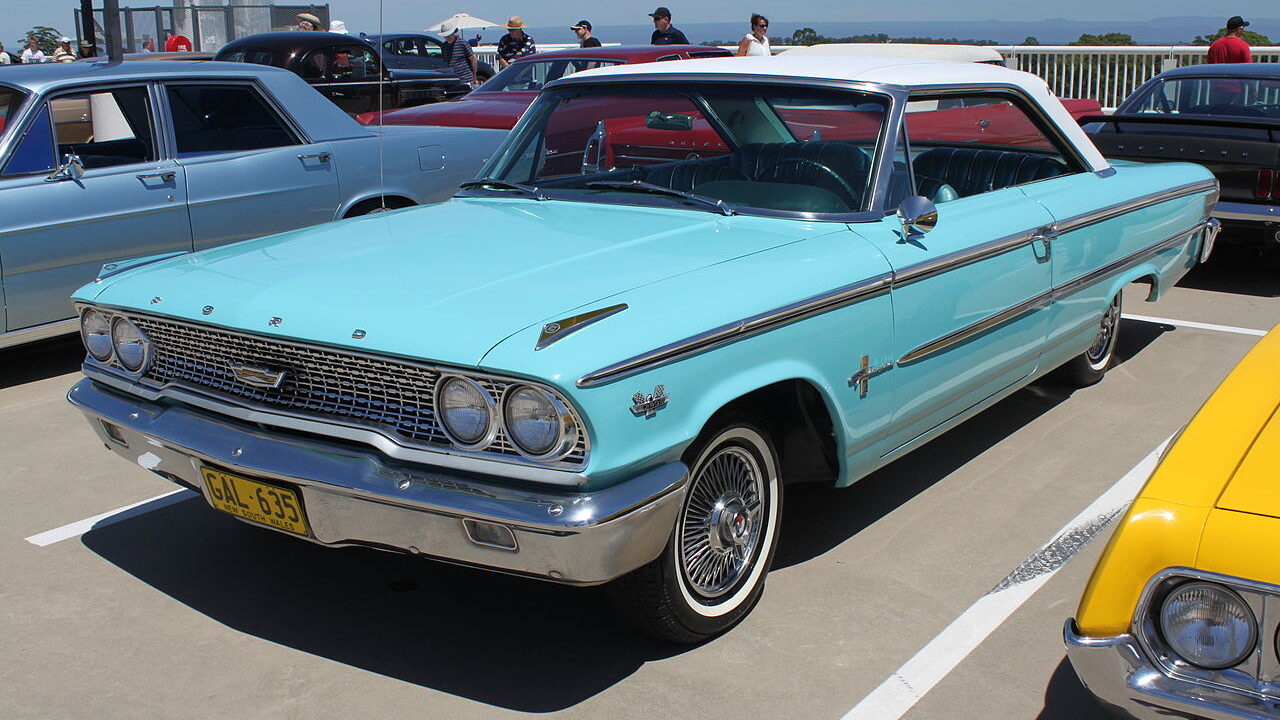
According to Hemmings, Henry Ford II was determined to build something that would dominate the competition, and the answer came in the form of the 427 V8. Of course, they just had to offer it in the full-size Galaxie flagship model.
In R-Code spec, the 427 produced a whopping 425 hp, more than enough to send the big brute flying. In fact, the Galaxies secured a 1-2 finish at the 1963 Daytona 500 and even set Ford’s first national record ever in NHRA Super Stock drag racing.
1963 Plymouth Savoy Max Wedge
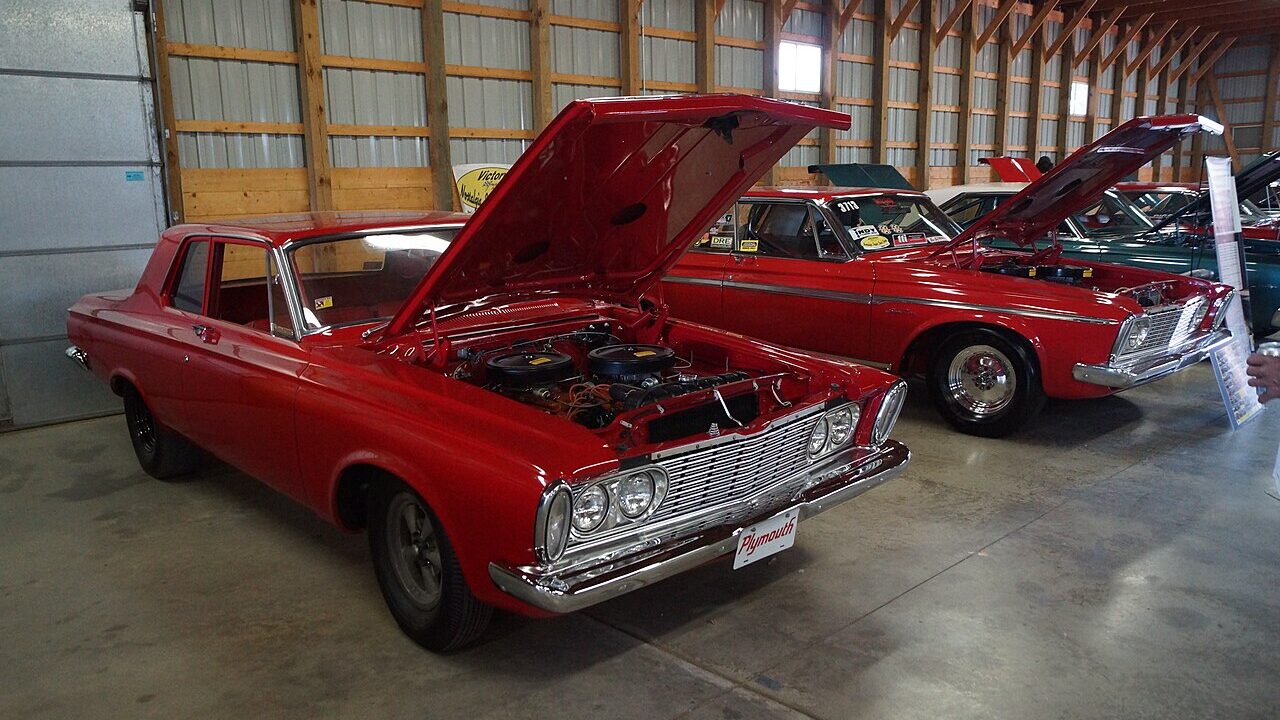
Don’t worry if you can’t remember the Plymouth Savoy; most people have forgotten about it by now. But, there was one version that’s worth remembering. We’ve mentioned the Max Wedge engine previously, but the one found under the ’63 Savoy’s hood turned everything up to 11.
As reported by Autoevolution, when it was first introduced, the Max Wedge measured 413 cubic inches, but in 1963, it was increased to 426, the same as the famous Hemi unit that would make its debut the following year. In the Savoy, the Max Wedge produced 415 hp, and only 18 units are known to have been made.
1963 Chevrolet Impala Z11

In 1963, the Impala was in its third generation, and Chevrolet introduced a high-performance version under what’s known as Regular Production Option (RPO) Z11. The Impala Z11 was only available as a two-door hardtop, as it was based on the Sport Coupe version, and Car and Driver says it added nearly a third to the car’s price.
Under the hood, the Z11 had a 427 V8 that received multiple upgrades. The engine was based on the W-series 409 unit but had a longer stroke, a different compression ratio, a two-piece aluminum intake manifold, and dual Carter AFB carburetors. It produced 430 horsepower and 575 lb-ft of torque, making the Z11 a proper sleeper. Exterior-wise, it had aluminum body panels but not much else to hint that it was something special.
1963 Buick Riviera

The Riviera was Buick’s entry into the personal luxury car market, and automotive journalists loved its sharp styling, luxurious interior, agile driving dynamics, and powerful V8 engine. As noted by Autoevolution, the Riviera name had previously been used as a trim level on the Buick Roadmaster and Super models.
For 1963, the Riviera was a standalone model, and while it may have been more of a luxury car than all-out muscle, it was the perfect option for driving enthusiasts. Inside, it had bucket seats in the front and bucket-style seats in the back. Under the hood, it had a Nailhead V8 with 325 hp when it was launched, but a 425 V8 with 340 hp was made available a couple of months later.
1963 Studebaker Super Lark R2

The Golden Hawk wasn’t Studebaker’s only performance model with a superhero-like name. In 1963, as the company neared its final days, it introduced the Super Lark.
Studebaker basically took the Avanti’s supercharged 289ci engine and shoehorned it into the rather boring Lark. With 290 hp, a lightweight body, a limited-slip diff, and front disc brakes, Street Muscle Mag says the Super Lark was nothing like the base model.
1963 Buick Wildcat
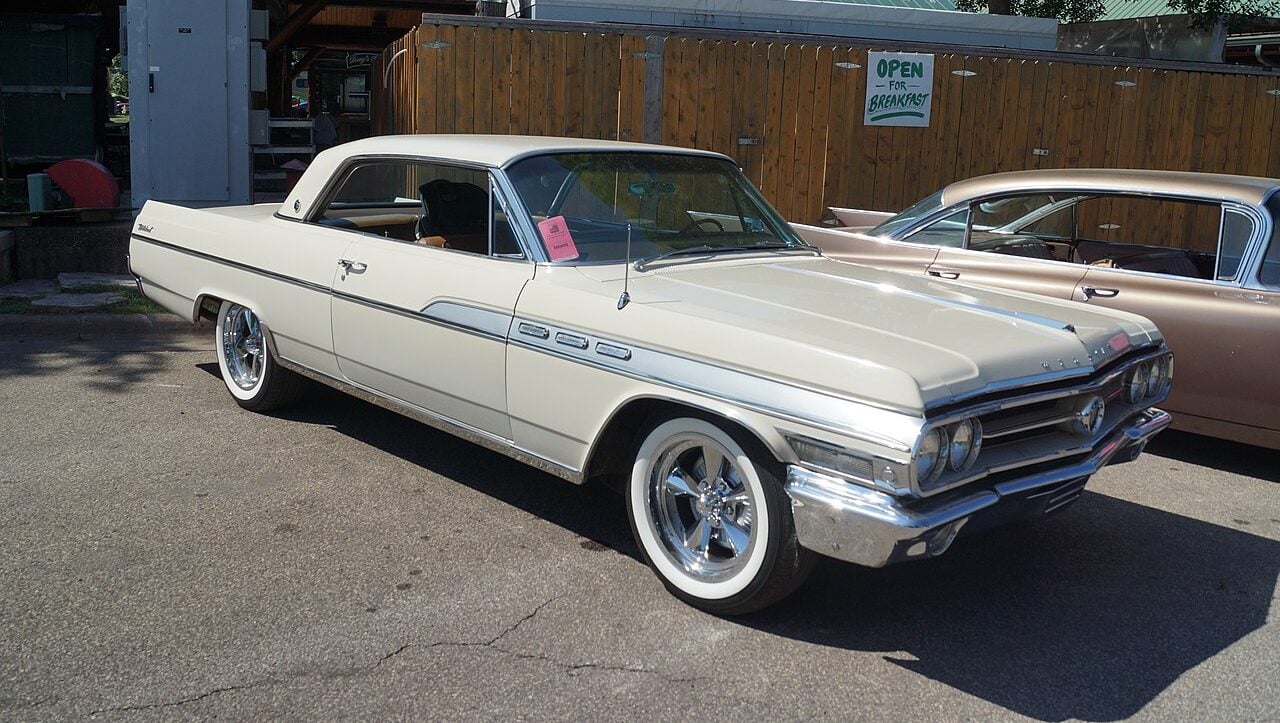
As per How Stuff Works, Buick dusted off the Wildcat name from a series of one-off concepts from the ’50s and introduced it in 1962 as a subseries of the Invicta, before the Wildcat became its own line in 1963.
Under its hood was Buick’s 401-cubic-inch Nailhead V8 producing 325 hp, commonly known as the “Wildcat 445” because of its 445 lb-ft torque rating, delivering impressive performance for its time. As noted by Motortrend, the Wildcat combined full-size comfort with spirited driving dynamics, making it a noteworthy precursor to the muscle car era.
1963 Mercury Marauder
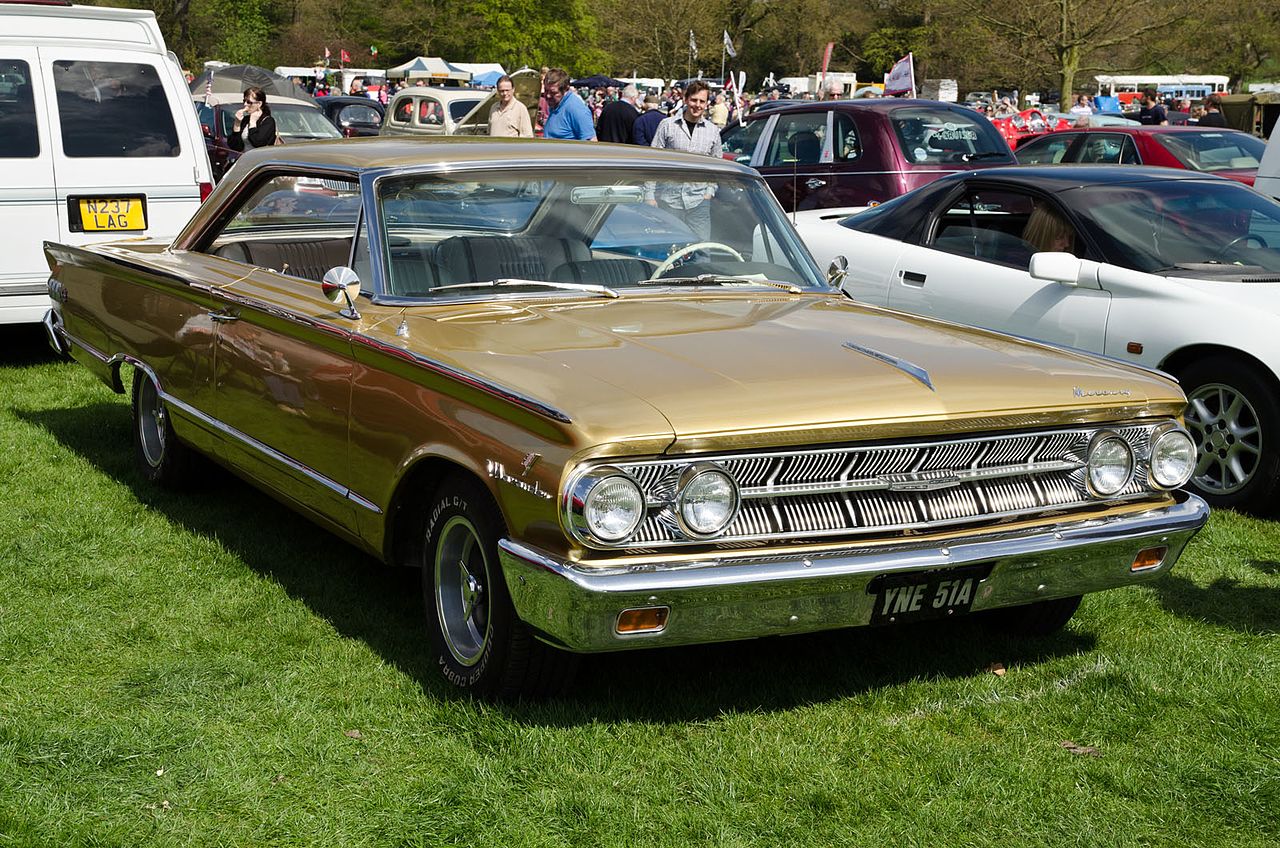
The 1963 Mercury Marauder, a full-size Mercury model, introduced a fastback roofline and the Marauder nameplate, which was initially a sub-model of the Monterey, Monterey Custom, and S-55 lines. It featured a variety of powerful FE V8 engines, including the 406, offered in 385 and 405 horsepower versions.
While it looked conservative, the Marauder was a legitimate street and strip contender. It was also popular in NASCAR, and Mercury also fielded a Marauder prepared by Bill Stroppe for Parnelli Jones at the 1963 Pikes Peak International Hill Climb, where he won the Stock Car division and set a record. Mercury later revived the Marauder name for a different, high-performance model in 2003.
Flexing Muscles Before It Was A Thing

While the 1964 Pontiac GTO deserves endless credit for kickstarting the muscle car craze of the mid-’60s and early ’70s, several models before it actually created the segment, even if they weren’t called muscle cars.
We’ve barely scraped the surface in this article, so if you feel some models were left out, let us know in the comments.