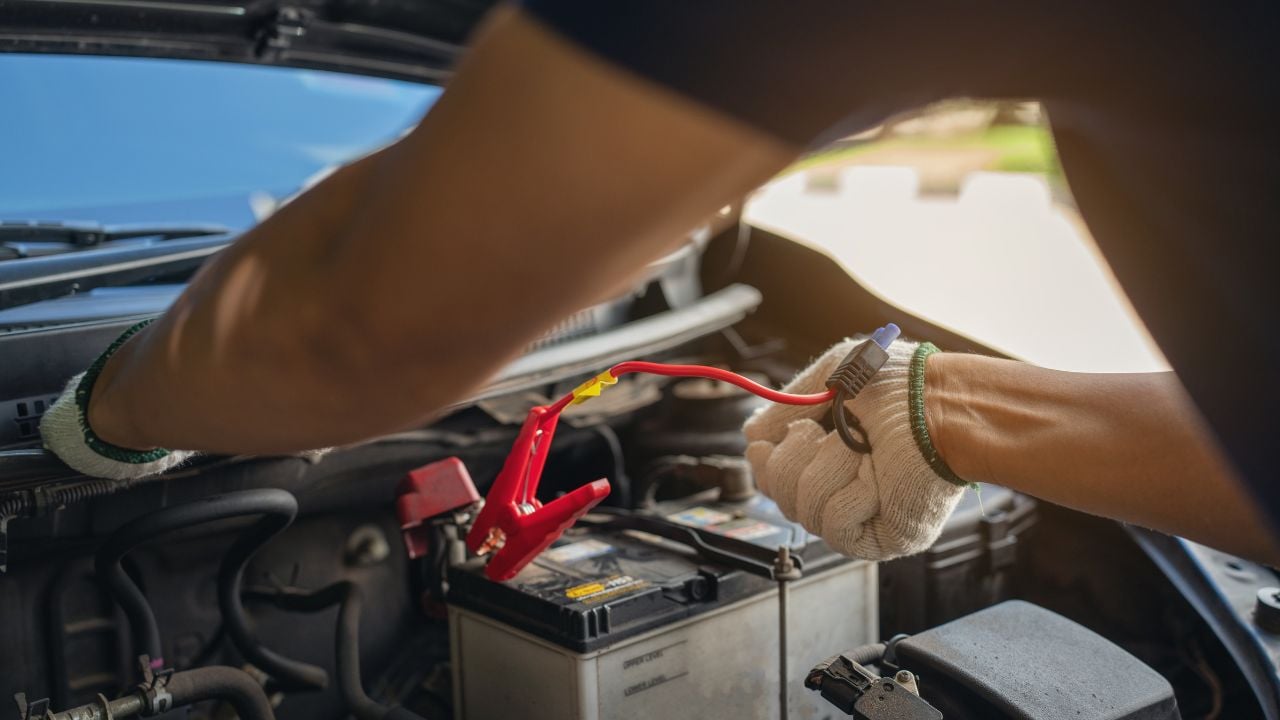
The idea of driving a car without a battery often sparks debate among enthusiasts.
On paper, it sounds risky, especially in modern vehicles packed with sensitive electronics. Common sense suggests that removing the battery could damage systems or even leave the car stranded. But is it actually possible to drive without one, and how dangerous would it really be?
The short answer is yes, under certain conditions a car can run without a battery once the engine is already started.
The long answer is more complicated, because whether it is safe depends heavily on the type of vehicle and how the electrical system is managed.
The First Problem: Starting the Engine
Before worrying about driving, there is a more basic question. How do you start the car in the first place?
Without a battery, the starter motor has no power source. That means normal key or push-button starting will not work. In older manual transmission cars, a push start might be possible by rolling the vehicle downhill or building enough speed to engage the engine. However, this usually requires relatively high engine speed and does not work reliably on modern vehicles.
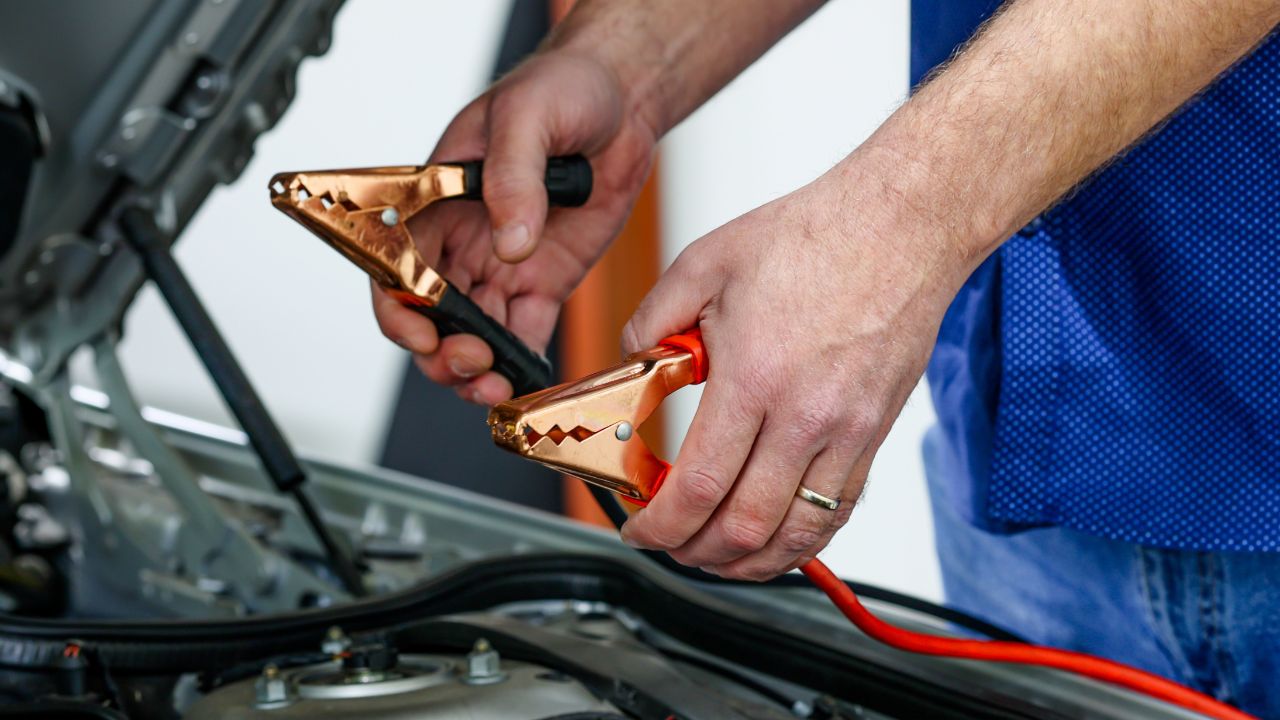
Another method is using jumper cables connected to an external battery or power source. While this can work, disconnecting the donor power source immediately after starting is risky. Voltage spikes or sudden drops can damage electronics in both vehicles. In practice, using a stable charger or booster pack is far safer than improvising.
What the Battery Actually Does While Driving
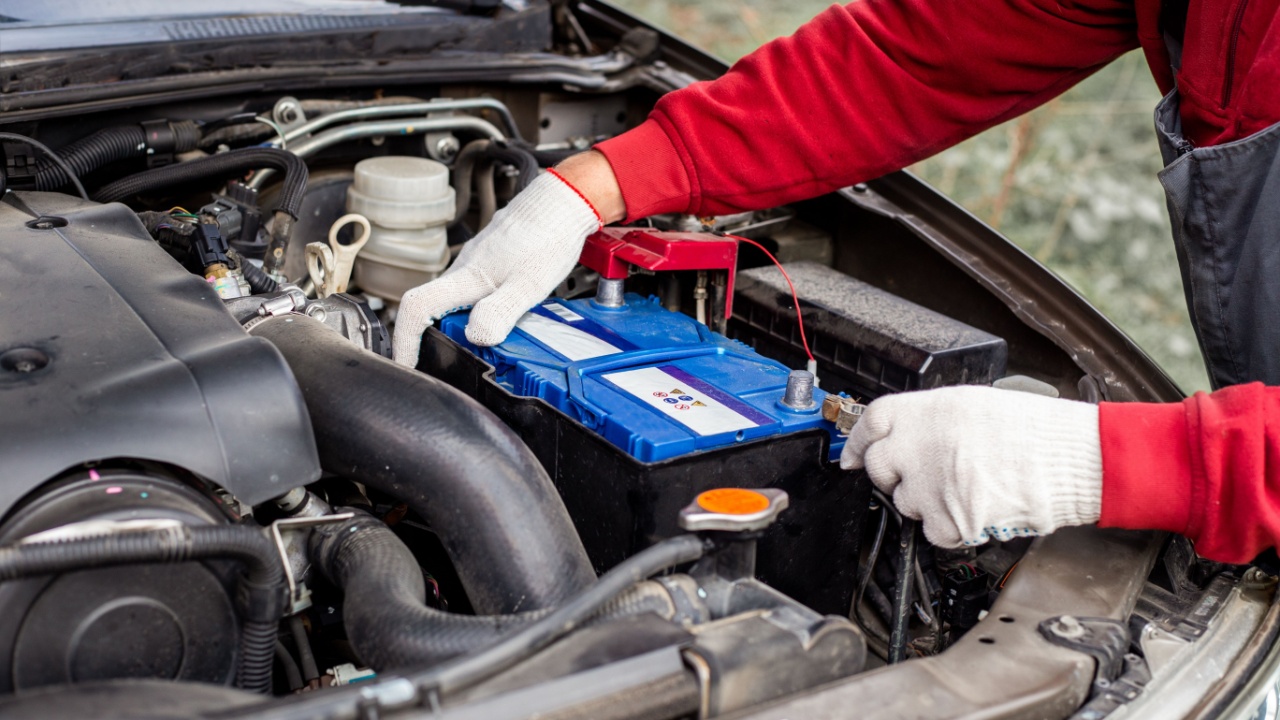
Many people think the battery only starts the engine, but that is not true. Once the engine is running, the alternator supplies power to the car’s systems, but the battery plays a critical supporting role.
It acts as a voltage stabilizer, smoothing electrical fluctuations and absorbing sudden spikes in current. Without it, the alternator output can become unstable, especially when electrical loads change quickly.
In older vehicles with simple wiring and minimal electronics, this was less of an issue. Cars built decades ago often continued to run fine without a battery once started. Modern cars, however, rely heavily on control modules, sensors, and computers that are sensitive to voltage irregularities.
Why Modern Cars Are at Risk

Driving without a battery in a newer car increases the chance of electrical damage. Sudden voltage changes can affect the engine control unit, transmission control module, infotainment systems, and other components. In the worst case, a voltage spike can permanently damage expensive electronics.
This is the main reason most mechanics strongly advise against operating a modern vehicle without a battery installed, even for short distances.
If You Absolutely Had To Do It
In a true emergency, if the car is already running and there is no alternative, there are a few precautions that can reduce risk.
First, make sure the positive terminal is safely insulated so it cannot touch metal parts of the body. A short circuit could cause immediate damage.
Second, turning on electrical consumers such as headlights, rear window defrosters, or climate control can help stabilize alternator output by creating a constant load. This reduces sharp voltage spikes.
Most importantly, the goal should be to drive only a short distance, ideally straight to a repair shop or parts store for a replacement battery.
Real-World Outcomes Can Vary
Experiences differ widely. Some drivers have reported successfully driving older vehicles for extended periods without a battery, especially models with simpler electrical systems. Others have experienced failures within minutes, including damaged ignition components or charging system problems.
Much depends on the car’s design, the condition of the alternator, and plain luck.
The Bottom Line
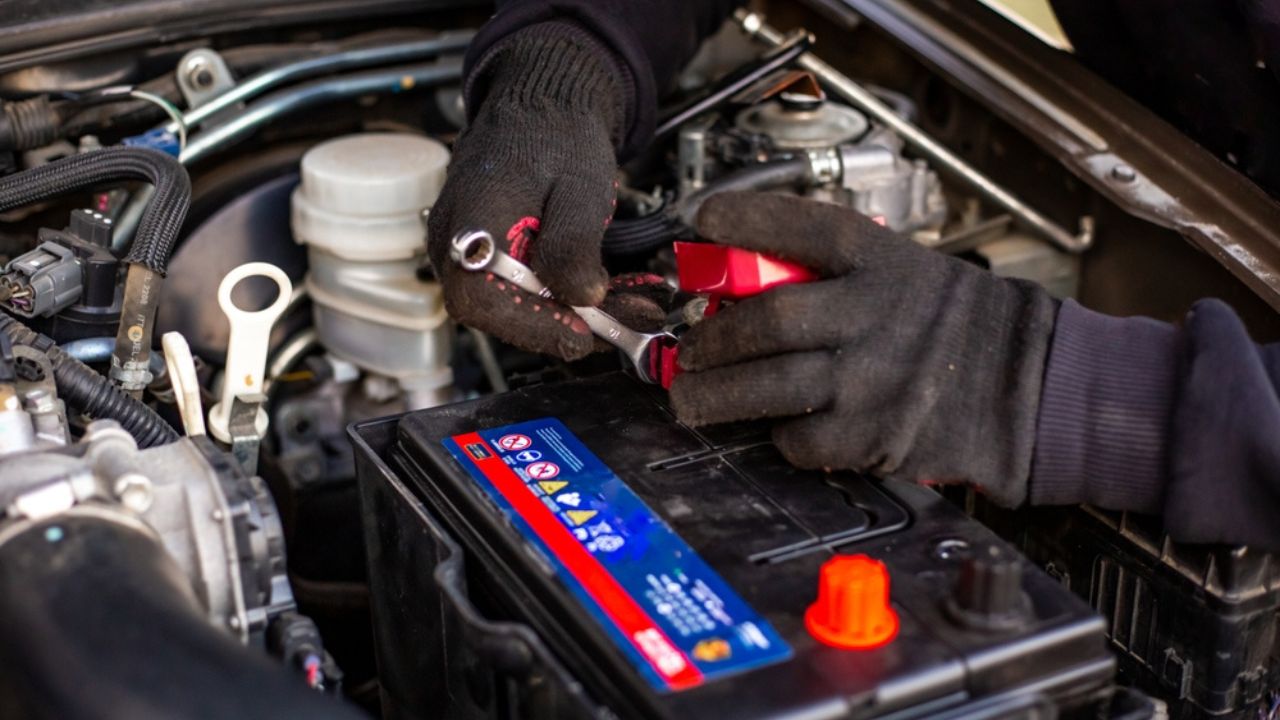
Yes, a car can technically run without a battery once the engine is started, but that does not mean it is a good idea. In older cars, the risks are relatively low. In modern vehicles, the battery is an essential part of the electrical system and not just a starting device.
If you ever find yourself in this situation, treat it as a temporary emergency measure, not a normal operating condition. The safest solution is always the same: replace the battery as soon as possible and avoid turning a minor issue into a major electrical repair bill.
This article originally appeared on Autorepublika.com and has been republished with permission by Guessing Headlights. AI-assisted translation was used, followed by human editing and review.