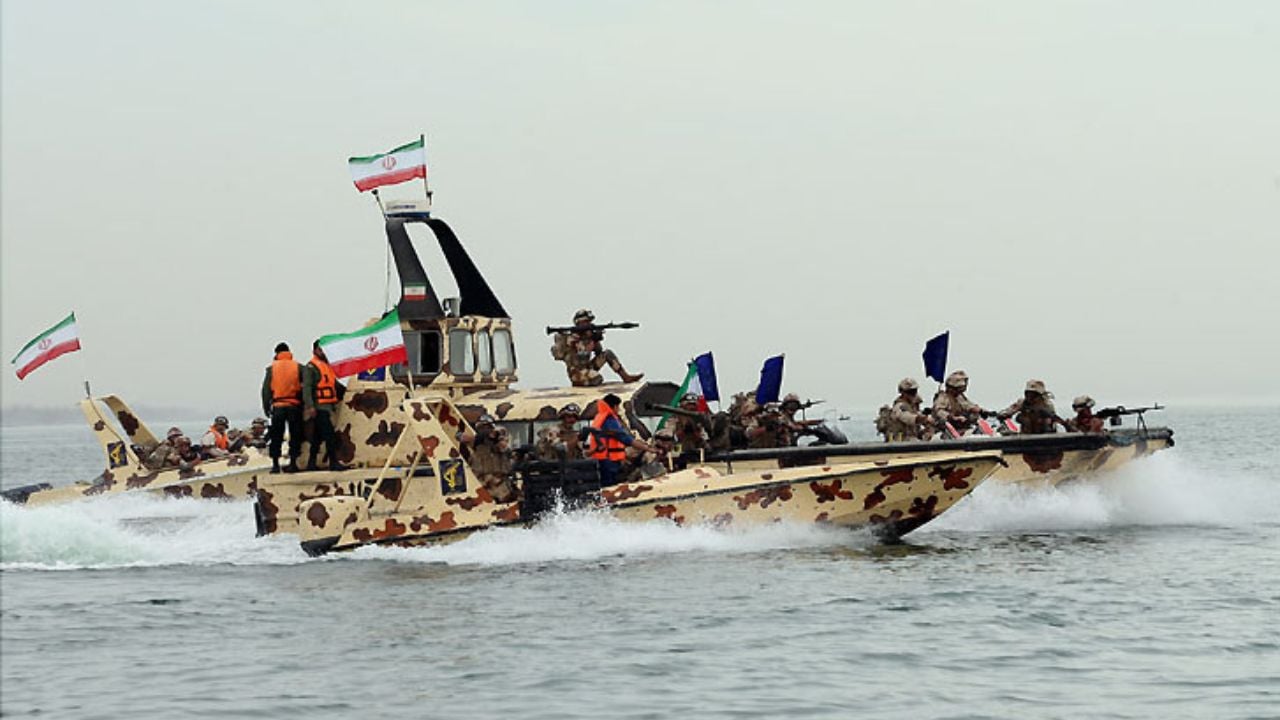

Iran is leaning on increasingly sophisticated maritime deception tactics to keep its oil flowing, even as U.S. pressure intensifies.
According to maritime intelligence firm Windward AI, a network of sanctioned supertankers is manipulating tracking systems to disguise Iranian crude shipments as Iraqi exports, creating a shadow supply chain worth hundreds of millions of dollars.
For our readers who are familiar with the auto industry’s focus on logistics, supply chains, and regulatory workarounds, this is the seaborne equivalent of VIN cloning or emissions cheating, but on a global energy scale.
The ships involved are not small operators either. Several are VLCCs, or very large crude carriers, each capable of hauling about 2 million barrels of oil. Windward identified four of these giants, Alicia, RHN, Star Forest, and Aqua, as key players.
Combined, they can transport roughly 8 million barrels, which translates to about $800 million at current oil prices.
Digital Alibi
The deception hinges on AIS, the Automatic Identification System that vessels use to broadcast their identity, position, and destination.
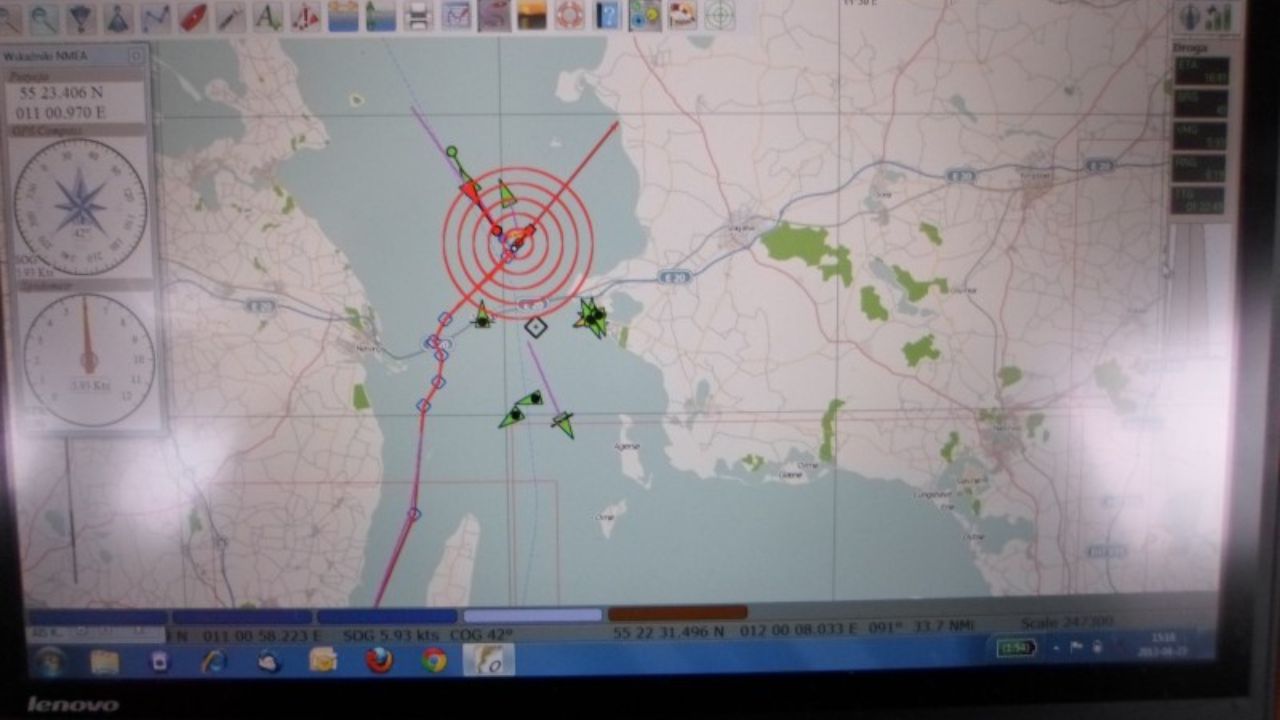
Under normal circumstances, AIS acts like a transponder for ships, similar to telematics systems in modern vehicles that report location and diagnostics.
In this case, tankers are falsifying that data to create what analysts describe as a “digital alibi.” They transmit signals showing them anchored near Iraqi ports such as Basrah, while in reality they are docking at Iranian terminals and loading sanctioned crude.
Once fully loaded, the ships reappear in tracking systems with routes that suggest a legitimate Iraqi origin. For buyers further down the supply chain, especially in loosely regulated markets, the oil can appear clean on paper.
This tactic allows Iran to bypass restrictions tied to its nuclear program while maintaining a vital revenue stream.
The broader context is a tightening U.S. naval blockade that began on April 13 under President Donald Trump’s directive. The goal is to force Tehran back into negotiations by cutting off its oil exports, which remain a cornerstone of its economy.
Washington is demanding the dismantling of Iran’s uranium enrichment program, a condition Tehran has rejected outright, calling it a sovereign right.
Boxed In, Spoofing Out
Windward’s data indicates the blockade is having a measurable impact. Iranian oil loadings and exports have dropped by more than half since enforcement ramped up.
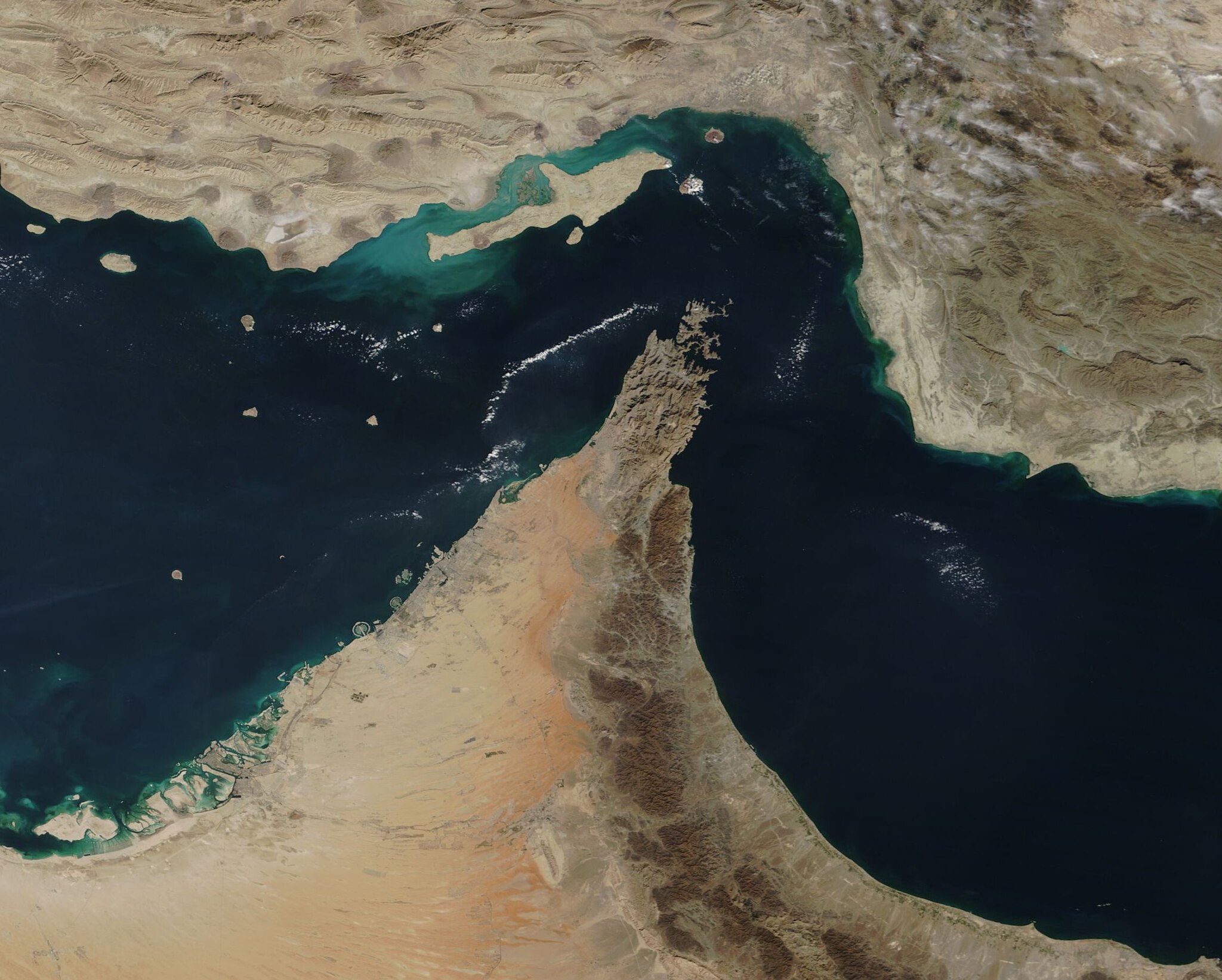
More than two dozen tankers linked to Iranian trade are now effectively boxed in west of the Strait of Hormuz, a critical chokepoint for global energy flows. This congestion has forced operators to become more creative, hence the surge in AIS spoofing and false flag registrations.
Some vessels are flying flags from jurisdictions such as Curacao and Malawi, often under questionable or fraudulent registries. Others are posing as Iraqi-owned ships.
Tankers like Paola and Adena fall into this category, signaling Iraqi ownership while maintaining ties to sanctioned networks. Additional ships, including Aqualis, Kush, and Charminar, have displayed erratic voyage patterns designed to mimic legitimate loading activity at Iraqi ports like Khor Al Zubair.
There is also evidence of expansion beyond crude carriers. The LPG tanker Royal H, sanctioned earlier this year, has shown similar deceptive tracking behavior. This suggests the network is diversifying into other energy segments, not just crude oil.
From the Gulf to the Gas Pump
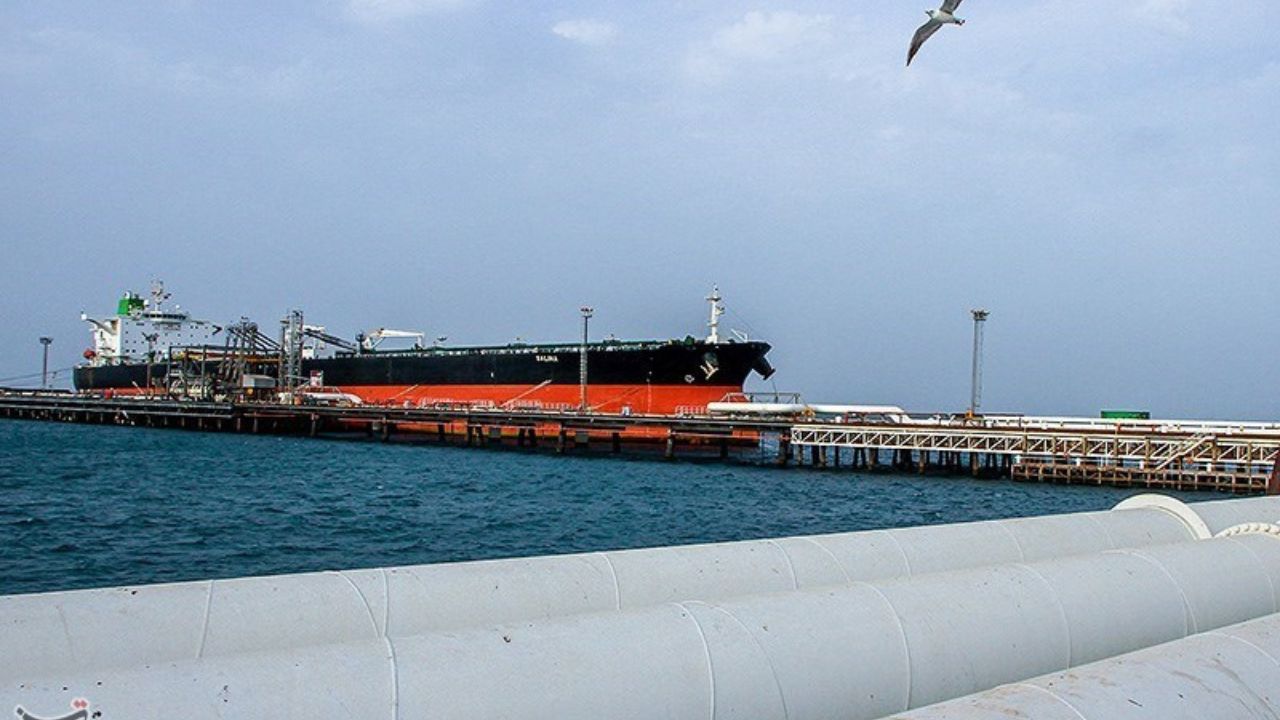
From an industry perspective, the parallels to automotive gray markets are striking. Just as counterfeit parts or falsified documentation can undermine regulatory systems on land, these maritime tactics exploit gaps in global oversight.
Enforcement becomes a cat-and-mouse game, with regulators relying on data analytics while operators refine their methods to stay one step ahead.
The geopolitical stakes are as high as ever.
Iranian officials have criticized the blockade, with parliamentary speaker Mohammad Ghalibaf accusing U.S. policymakers of driving up global oil prices. Early market reactions have already shown volatility, as traders weigh reduced Iranian supply against the risk of broader disruption in the Gulf.
For those of us who live and breathe all things automotive, especially those tracking fuel costs and supply chain stability, this shadow fleet activity means more than distant geopolitics.
It feeds directly into oil price dynamics, which influence everything from manufacturing costs to what drivers pay at the pump. As enforcement tightens and evasion tactics evolve, the ripple effects are likely to show up far beyond the shipping lanes of the Persian Gulf.
Sources: FOX News