If Ford recalls had a TV show, we would already be deep into Season 2026 with no signs of cancellation.
The National Highway Traffic Safety Administration has announced yet another recall from the Blue Oval, this time affecting nearly 48,000 vehicles across nine popular models, all from the 2025 model year, due to a faulty exhaust gas recirculation EGR valve that can cause the vehicle to suddenly lose drive power. It is the kind of issue that sounds technical on paper but becomes very real very quickly when it happens at highway speed.
What makes this one stand out is not just the scale of the recall or the number of models involved, but the nature of the failure itself. A loss of drive power is not a minor inconvenience like a glitchy screen or a delayed backup camera. It is the sort of defect that can leave drivers exposed in fast-moving traffic, during merges, or on long highway stretches with very little room for error. For owners of still-new vehicles, that possibility is especially unsettling.
It also comes at a time when Ford is already under intense scrutiny for the sheer volume of recalls associated with its name. The automaker has framed that pace as evidence that it is moving aggressively to identify and address safety problems, and there is some logic to that argument. At the same time, for shoppers and owners, the steady stream of recall notices has started to create the impression that these issues are not isolated incidents. This latest action feels less like a one-off and more like another entry in a growing file.
Yes, you read that right. Your car might just stop going.
Here is what we know about Ford’s latest recall.
What’s Affected

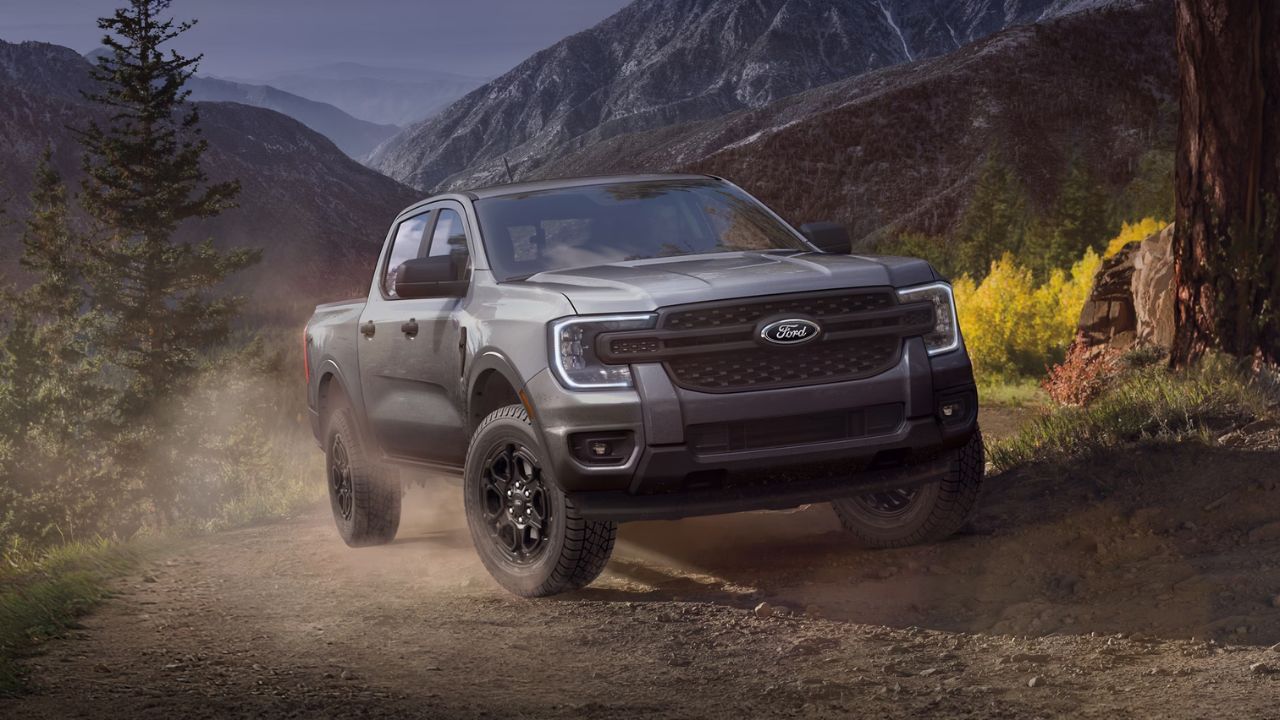
The recall covers a wide range of 2025 Ford and Lincoln vehicles: the Ranger, Mustang, Maverick, Explorer, Escape, Bronco, Bronco Sport, Lincoln Nautilus, and Lincoln Corsair. In other words, this is not some obscure low-volume issue buried in a niche product line. It touches some of Ford’s best-known nameplates, including trucks, SUVs, and one of its most recognizable performance cars.
The EGR valve is designed to recirculate a portion of exhaust gases back into the engine, helping reduce emissions and improve overall efficiency. When that part fails, however, the vehicle can lose drive power. That is the kind of failure that goes from engineering jargon to an immediate safety concern in a hurry, especially for anyone traveling at speed or navigating dense traffic.
Here is the part likely to frustrate owners most: Ford does not yet have a repair ready. Owners will receive an initial notification letter this week, letting them know their vehicle is part of the recall. A second letter with the actual remedy is not expected until September. Ford’s internal recall number is 26S10, and owners can call 866-436-7332 or check their VIN through the NHTSA recall lookup tool. Until then, a lot of people will be left waiting for answers.
Ford’s 2026 Recall Scoreboard: A Running Tally
To be fair to Ford, the company has not exactly been quiet about its problems. If anything, it has been issuing recall notices at a pace that is hard to ignore. Ford has already issued 19 recalls in 2026, involving more than 7.3 million vehicles, and it is only March.
Some of the more notable examples include:
- A massive recall of more than 4.4 million trucks and SUVs, including F-150s, F-Series Super Duty models, Mavericks, Expeditions, Rangers, and the E-Transit, due to a software issue that could cause trailer brake and turn signal failures while towing.
- Nearly 605,000 vehicles, including 2020 to 2022 Escapes, Explorers, Lincoln Aviators, and Corsairs, were recalled because windshield wipers may fail.
- About 412,000 units of the 2017 to 2019 Ford Explorer were recalled due to a rear suspension toe link that could fracture, affecting steering control.
- Faulty rear-view cameras affected 1.74 million vehicles, while Lincoln Navigator seats were also found to potentially move unexpectedly while the vehicle was in motion.
- Another 98 units of the 2026 Ford E-Transit were recalled because of a high-voltage battery fire risk.
To be clear, not every one of these recalls represents the same level of danger. Some are software-related issues, some involve compliance problems, and some can be fixed through over-the-air updates without owners ever setting foot in a dealership. Ford has said its high recall volume reflects an intentional strategy to find and correct hardware and software problems quickly, and the company has also said it has more than doubled its safety and technical expert teams.
There is a strong argument that an aggressive recall posture is preferable to ignoring or minimizing defects.
Still, volume matters because perception matters. Ford issued 103 safety recalls in 2025 alone, surpassing its previous annual record. Over the course of that year, more than 12.9 million Ford and Lincoln vehicles were recalled, far outpacing Toyota’s 3.2 million and Stellantis’ 2.8 million over the same period. Even when many of those issues are handled responsibly, that kind of number is going to get attention.
To Ford’s credit, recall repairs are performed free of charge. So if you own one of the nine affected 2025 models in this latest round, it would be smart to keep an eye on your mail and check your VIN. The first notice tells you the problem exists. The second, expected around September, should finally explain how Ford plans to fix it. Until then, owners are left with an uncomfortable reminder that even brand-new vehicles can come with very old-fashioned anxiety.