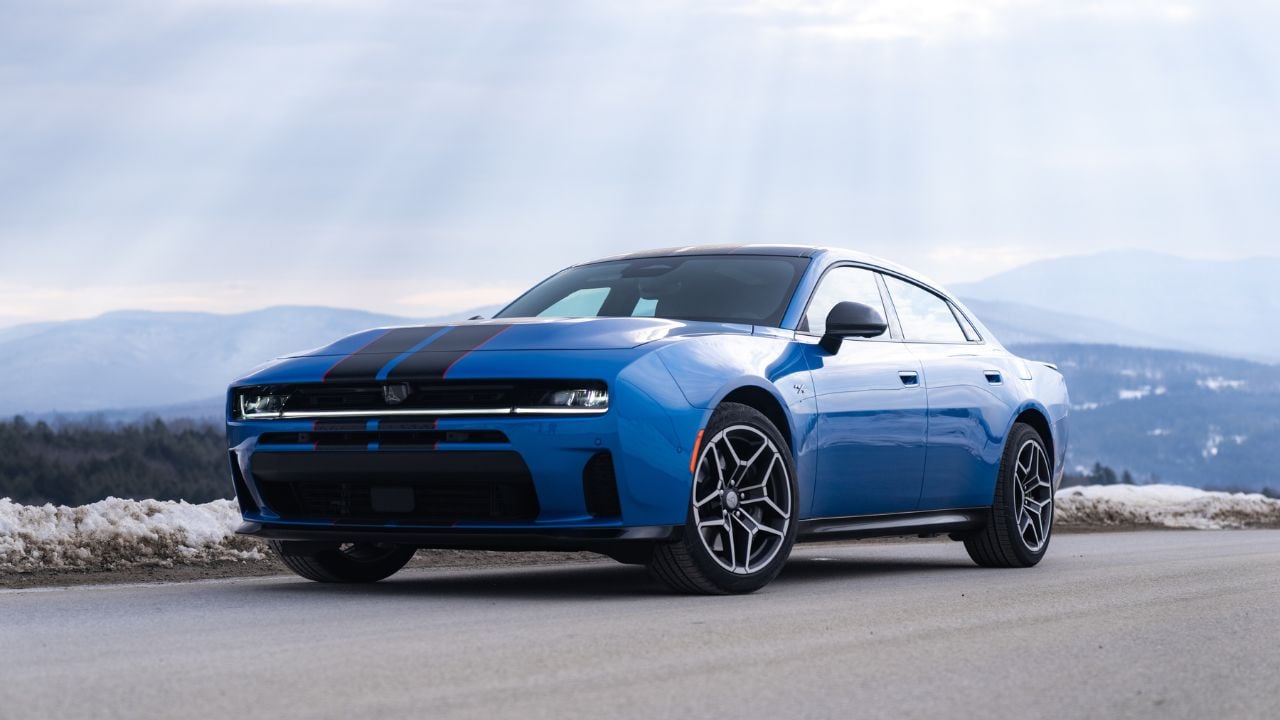
Dodge is finally giving muscle car fans exactly what they have been demanding. After launching the new-generation Charger with electric power and later adding the Hurricane inline-six, Stellantis has now confirmed that the legendary Hellcat V8 is officially making a comeback.
The reborn Dodge Charger SRT Hellcat will reportedly feature the familiar supercharged 6.2-liter HEMI V8 producing more than 700 horsepower. For enthusiasts who never accepted the idea of a muscle car without a roaring V8 soundtrack, this is the moment they have been waiting for.
The confirmation came during Stellantis Investor Day, where the company quietly showed journalists a collection of future products planned through 2030. Among them was a previously secret Charger SRT model wearing aggressive aero parts, massive wings, and unmistakable Hellcat attitude.
After months of rumors and speculation, Dodge’s most iconic engine appears ready to reclaim its rightful place under the Charger’s hood.
Dodge Finally Gives Fans What They Wanted
When Dodge launched the latest Charger generation, the reaction from enthusiasts was mixed at best. The all-electric Charger Daytona generated attention, but many longtime muscle car fans immediately questioned why the company abandoned the HEMI V8 formula that made the Challenger and Charger famous.
The later arrival of the gas-powered Charger Sixpack helped soften some criticism. Powered by the twin-turbo Hurricane inline-six, the Sixpack delivered strong performance and reportedly outsold the electric version by a massive margin during early 2026. Still, many buyers continued demanding the one thing Dodge had not yet confirmed: a supercharged HEMI.
Now, according to reports from Detroit Free Press and journalists who attended the private Stellantis presentation, Dodge is preparing exactly that. The upcoming Charger SRT Hellcat will bring back the supercharged 6.2-liter V8 that became synonymous with modern American muscle over the last decade.
The Hellcat V8 Is Returning With Serious Power
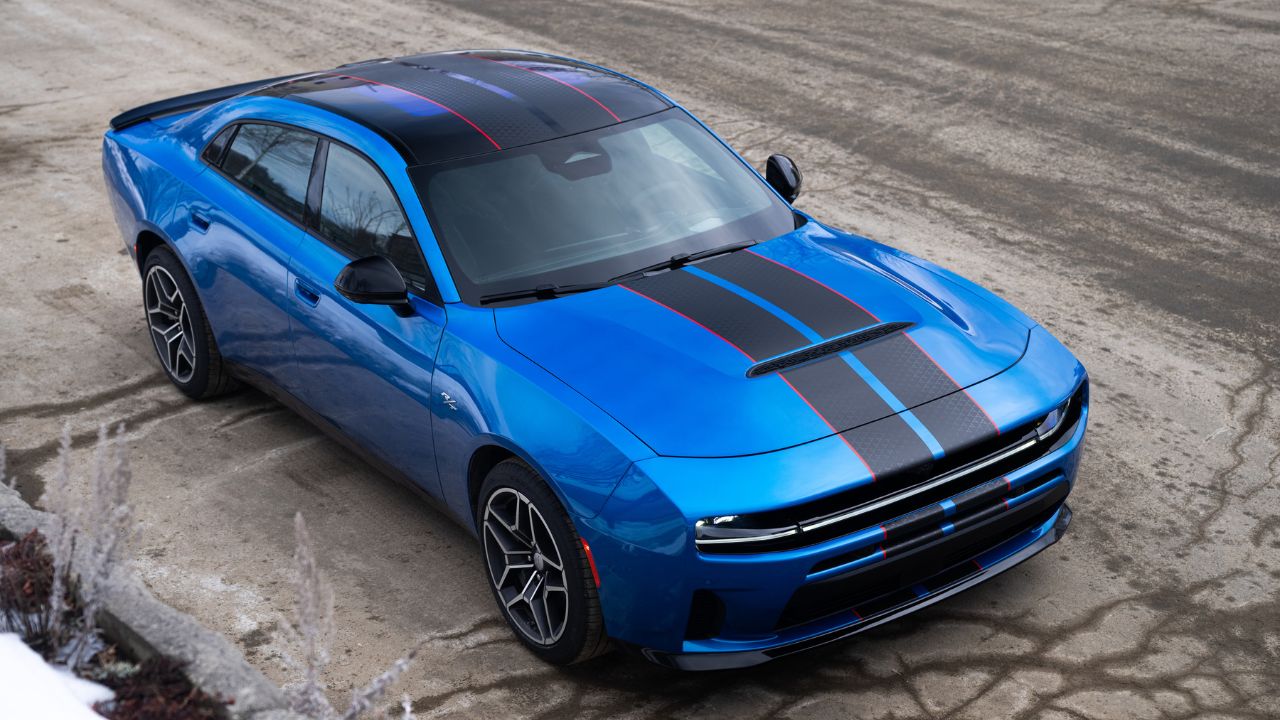
Stellantis reportedly confirmed the new Charger Hellcat will produce “north of 700 horsepower,” although exact figures remain undisclosed for now.
That leaves several possibilities on the table. Dodge could revive the original 707-horsepower Hellcat tune, use the 710-horsepower version found in the Durango SRT Hellcat, or potentially push output even higher toward the 777-horsepower configuration used in some recent Hellcat-powered Ram concepts and special editions.
Whatever the final number ends up being, the Charger SRT is clearly designed to reclaim Dodge’s reputation for outrageous horsepower and unapologetic excess.
The supercharged 6.2-liter HEMI has become one of the most recognizable American performance engines of the modern era. Since debuting in the Challenger SRT Hellcat back in 2014, the engine has powered everything from Chargers and Durangos to TRX trucks and limited-production monsters like the Demon.
For many enthusiasts, bringing back the Hellcat engine instantly restores credibility to the Charger lineup.
The New Charger SRT Will Look More Aggressive Than Ever
The styling reportedly matches the drama happening under the hood. Journalists who attended the Stellantis event described a Charger SRT featuring a far more aggressive appearance than the current models already on sale.
The standout feature appears to be a towering rear wing inspired by the legendary Plymouth Superbird and Dodge Daytona aero cars of the NASCAR era. Reports describe the wing as mounted high above the rear deck with large side supports, giving the car an unmistakably retro-inspired silhouette.
The Charger SRT also features a massive hood scoop, smoked lighting elements, aggressive front splitters, wide wheels, and vertical fender vents. Some journalists compared the overall appearance to a modern evolution of classic Mopar muscle aggression. Dodge clearly understands that subtlety is not what Hellcat buyers want.
Dodge’s Muscle Car Strategy Is Changing Again
The return of the Hellcat V8 also signals a transformation happening within Stellantis. Just a few years ago, the company appeared fully committed to downsized engines and electrification as the future of performance vehicles.
Now, however, the market appears to be pulling the company back toward traditional high-displacement performance. Ram already reversed course by bringing back the HEMI V8 for its trucks, and Dodge is now following with the Charger.
Stellantis executives reportedly acknowledged that a large percentage of performance and truck buyers simply refuse to consider vehicles that do not offer V8 power.
At the same time, Dodge still plans to push its Hurricane inline-six and electric Charger models alongside the Hellcat. The company appears determined to offer multiple performance paths rather than forcing enthusiasts into a single direction.
The Hellcat Era Is Clearly Not Over Yet
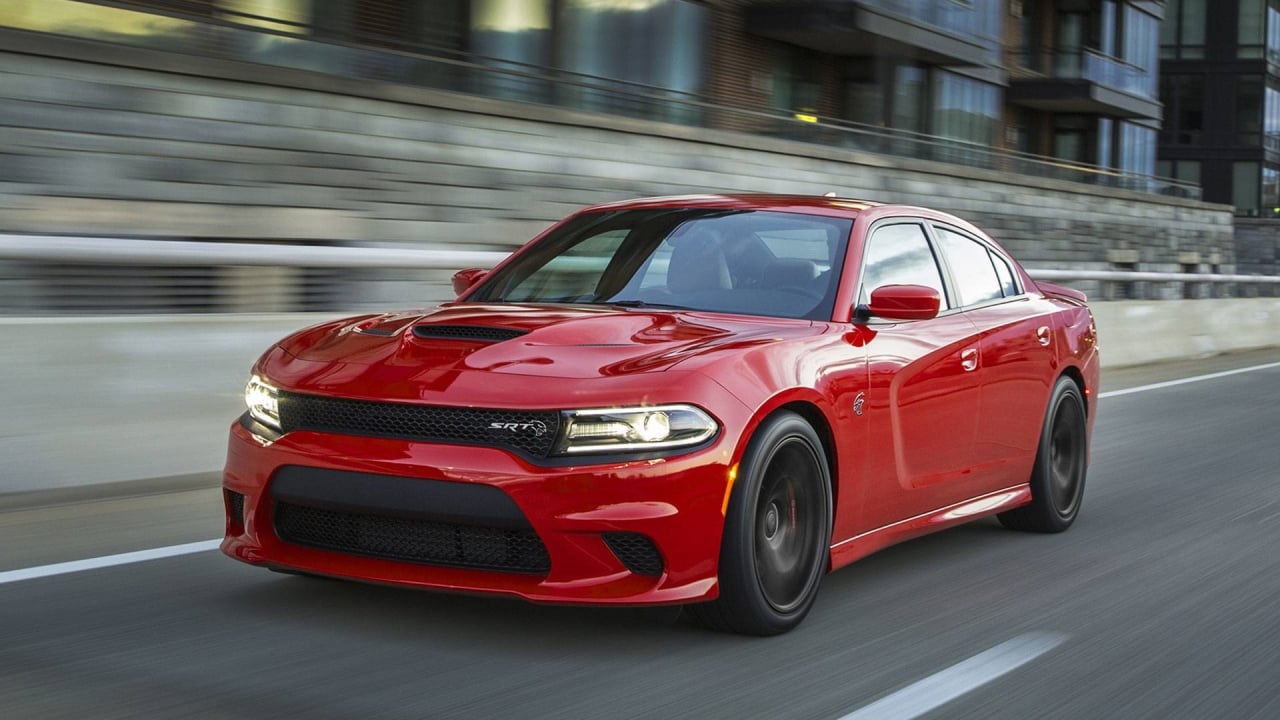
For a brief moment, it looked like the Hellcat engine’s days were numbered. Emissions regulations, electrification mandates, and changing industry priorities all suggested the supercharged HEMI would quietly disappear into history.
Instead, Dodge is doubling down on exactly what made the brand famous in the first place: loud engines, huge horsepower numbers, and muscle cars built with absolutely zero restraint.
The Charger Hellcat’s return proves there is still enormous demand for old-school American performance. Even in an era increasingly dominated by EVs and hybrids, enthusiasts still want the sound of a screaming supercharged V8, and now, it looks like Dodge is ready to let the Hellcat loose all over again.