

The automotive industry woke up to another major safety recall this week as Ford Motor announced it will recall about 1.74 million vehicles in the United States due to problems with rearview camera systems that could compromise driver visibility while reversing.
The recall, disclosed by the National Highway Traffic Safety Administration (NHTSA), affects several popular Ford and Lincoln models and once again puts the spotlight on software reliability in modern vehicles.

Rearview cameras are now a standard safety feature across the U.S. auto market. Since 2018, federal regulations have required all new vehicles sold in the country to include them to improve rear visibility and help prevent accidents involving pedestrians, cyclists, and obstacles behind the vehicle.
When these systems malfunction, the consequences can undermine a key layer of safety technology designed to assist drivers in tight urban environments and crowded parking areas.
Two Separate Defects: Overheating Modules and Inverted Images
According to regulators, the recall actually involves two separate defects that affect different groups of vehicles. The first issue impacts roughly 850,000 units of the Ford Bronco and Ford Edge. In these vehicles, a computer component known as the Accessory Protocol Interface Module (APIM) can overheat and shut down unexpectedly.
When this occurs, the center display screen may fail to show the rearview camera image when the vehicle is placed in reverse, leaving drivers without the digital visibility aid they have come to rely on.

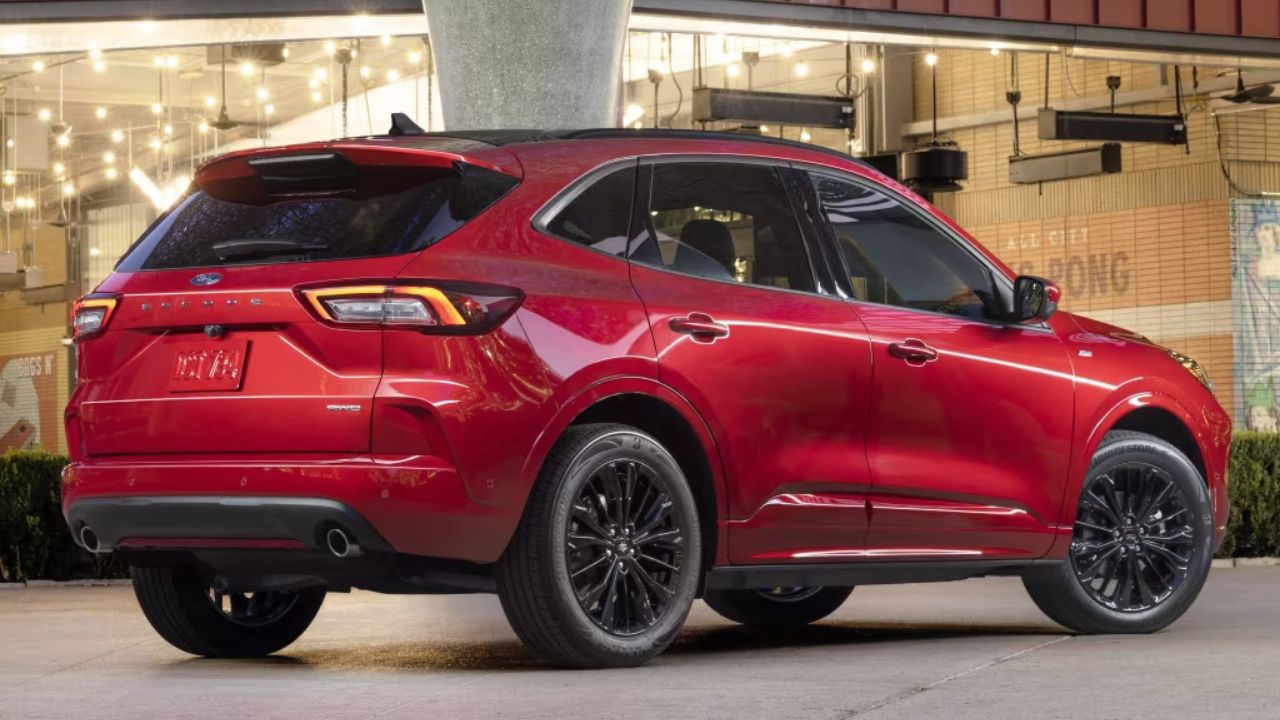
The second problem affects approximately 890,000 vehicles, including the Ford Escape, Ford Explorer, Lincoln Corsair, and Lincoln Aviator.
In these models, the rearview camera image may flip or invert on the central display, potentially creating confusion about the vehicle’s surroundings and increasing the risk of misjudging obstacles while reversing.
Although the defects differ in their technical origins, regulators say both issues pose similar safety concerns. A missing, distorted, or reversed rearview camera image can reduce a driver’s view behind the vehicle and increase the likelihood of a crash during low-speed maneuvers.
Software Fixes and the Growing Challenge of Digital Reliability
Ford has acknowledged the issue and said it is working on remedies for both defects, though a final fix has not yet been announced. Industry reports suggest that software updates delivered either through dealerships or over the air could ultimately resolve the problem once validation is complete.
The recall also highlights a broader challenge facing automakers as cars become increasingly software driven. Modern cars rely on complex networks of electronic modules and digital interfaces that manage everything from safety systems to infotainment displays.
While these technologies unlock new capabilities, they also introduce new points of failure that can trigger large scale recalls when issues emerge.
For Ford, the latest recall continues a trend of quality related challenges in recent years. Data from U.S. regulators shows the company has already issued 17 recalls in 2026 affecting more than 7.3 million vehicles, the highest number among automakers so far this year.
The Dearborn based manufacturer has said it is taking steps to improve quality control and reliability across its product lineup. Chief executive Jim Farley recently told employees that improvements in early vehicle quality have already been observed, contributing to stronger customer satisfaction and even higher employee bonuses tied to quality performance metrics.
Despite those improvements, the latest recall underscores the delicate balance automakers must strike as vehicles become increasingly digital.
Safety features that once relied purely on mechanical components are now deeply integrated with software systems and electronic modules, meaning a single glitch can affect hundreds of thousands or even millions of vehicles.
For affected owners, the next step will be waiting for official notification and repair instructions from Ford.
Sources: Reuters