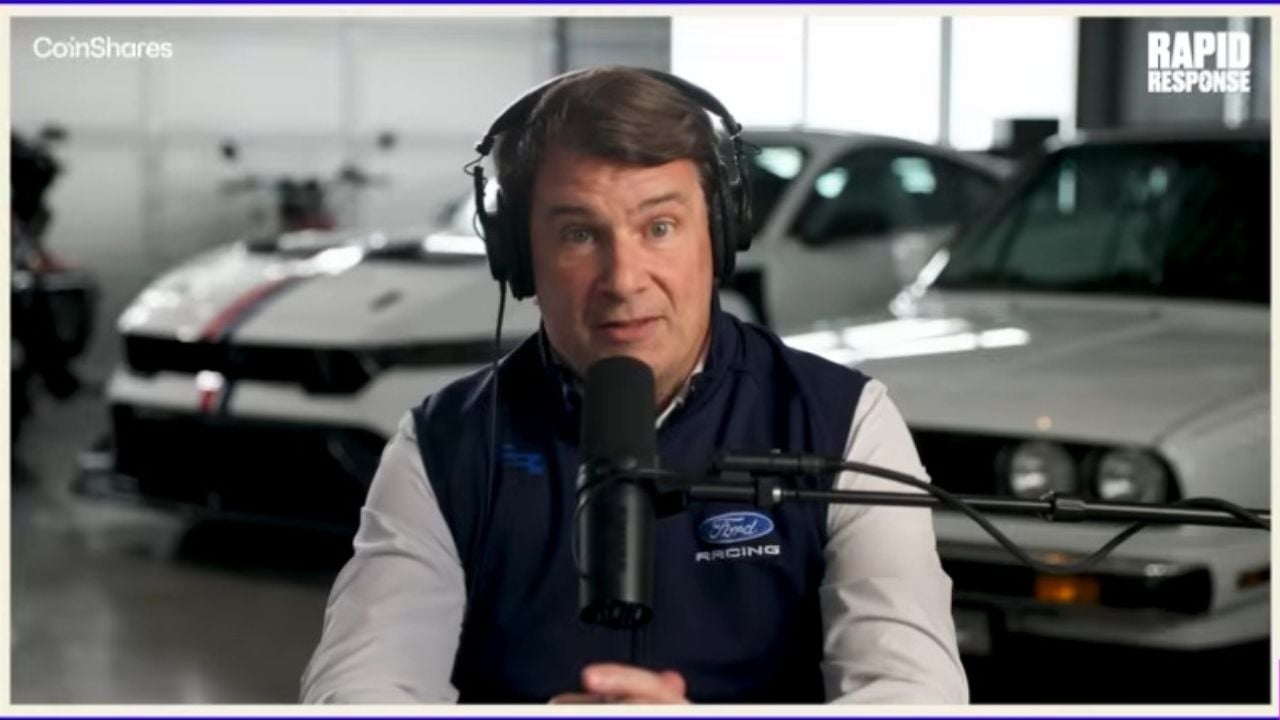

Ford Motor Company CEO Jim Farley, in his usual plainspoken stlye, has delivered one of the most candid assessments yet of the shifting balance of power in the global auto industry, and his message lands with unusual clarity.
The real competitive pressure, he says, is no longer defined by Silicon Valley disruptors alone. It is coming from China, led by companies that are rewriting the rules on cost, speed, and technology.
As told by Fortune magazine, Farley in an interview with Rapid Response podcast pointed directly to Chinese automakers such as BYD and the fast-rising tech entrant Xiaomi. His evaluation was not cautious. It was deeply admiring and unmistakably concerned.
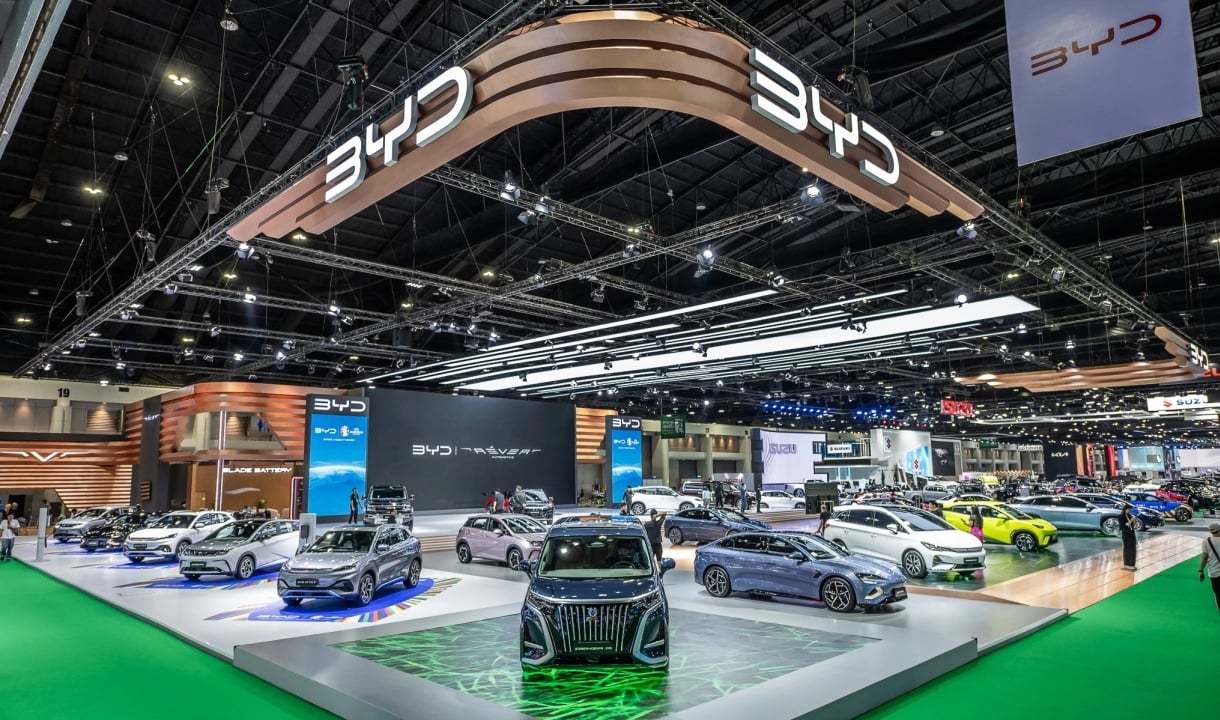
Farley described BYD as “the best in the business,” a striking endorsement from the leader of one of America’s most storied car companies.
He highlighted the company’s dominance in manufacturing efficiency, supply chain control, and technical integration. In an industry where margins are tight and scale determines survival, that combination is powerful.
Tesla Don’t Really Have Something New
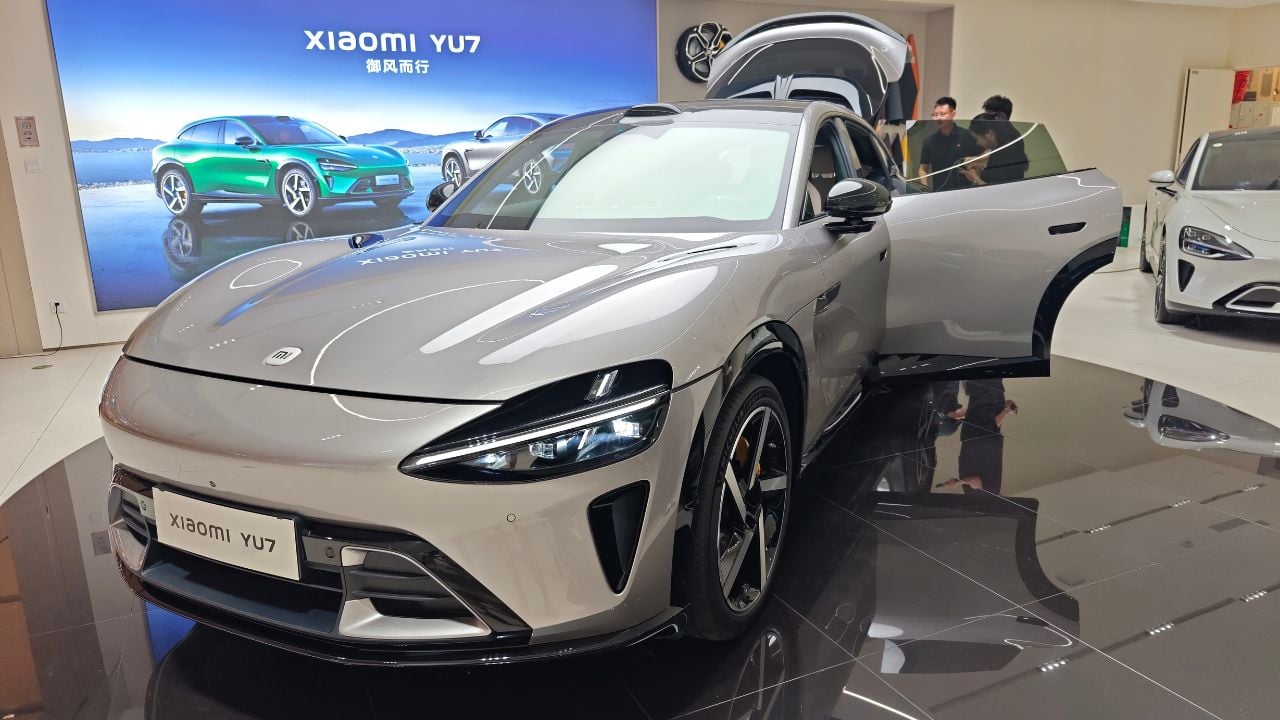
Even more revealing was his opinion of Xiaomi’s electric sedan, the SU7. Farley disclosed that he had been driving the Chinese performance-oriented EV for months and did not want to give it back.
Company executives don’t make this kind of remark lightly, especially when evaluating a potential rival.
Historically, Farley has never had problem with praising a rival openly, and his latest assessment signals a level of product competitiveness that is beginning to challenge long held assumptions about where innovation comes from.
Farley also took a measured swipe at Elon Musk’s Tesla. While acknowledging Tesla’s strength, he noted that “they really don’t have an updated vehicle.”
The comment implies that incremental updates are no longer enough in a market where Chinese brands are introducing new features, designs, and pricing strategies at a relentless pace.
China — The Fox in the Hen House
The implications stretch far beyond product cycles. Chinese automakers have built an ecosystem advantage, controlling battery production, software development, and manufacturing in ways that compress costs dramatically.
That has allowed them to deliver vehicles with advanced features at prices that legacy automakers struggle to match.
Farley’s warning ties directly into ongoing political debates in the United States.
Trade policies, including the Donald Trump administration’s tariffs, are increasingly seen as a buffer against a wave of low-cost Chinese vehicles entering Western markets. Farley made it clear during the interview that unrestricted access could have severe consequences for domestic manufacturers.
Inside Ford, this reality is already shaping strategy.
The company is rethinking its electric vehicle roadmap; it is now looking to place or be perceived as placing greater emphasis on affordability and scale rather than premium positioning alone. The goal is to compete in segments where Chinese automakers are gaining ground fastest.
The First May Be Last
This moment reflects a deeper shift in the industry’s center of gravity. For years, the narrative revolved around legacy automakers catching up to Tesla. That story is evolving.
The competitive landscape now includes a new group of players that combine the agility of tech firms with the industrial strength of large-scale manufacturing.
Farley’s remarks carry weight because they come without defensiveness.
They acknowledge a gap and point toward a need for transformation. For automakers in North America, Europe, and Japan, the challenge is already visible in global sales patterns, export growth, and the accelerating pace of innovation coming out of China.
In Farley’s view, the next phase of the automotive race will not be defined by who pioneered electric vehicles, but by who can build them better, faster, and at a price the mass market can afford.