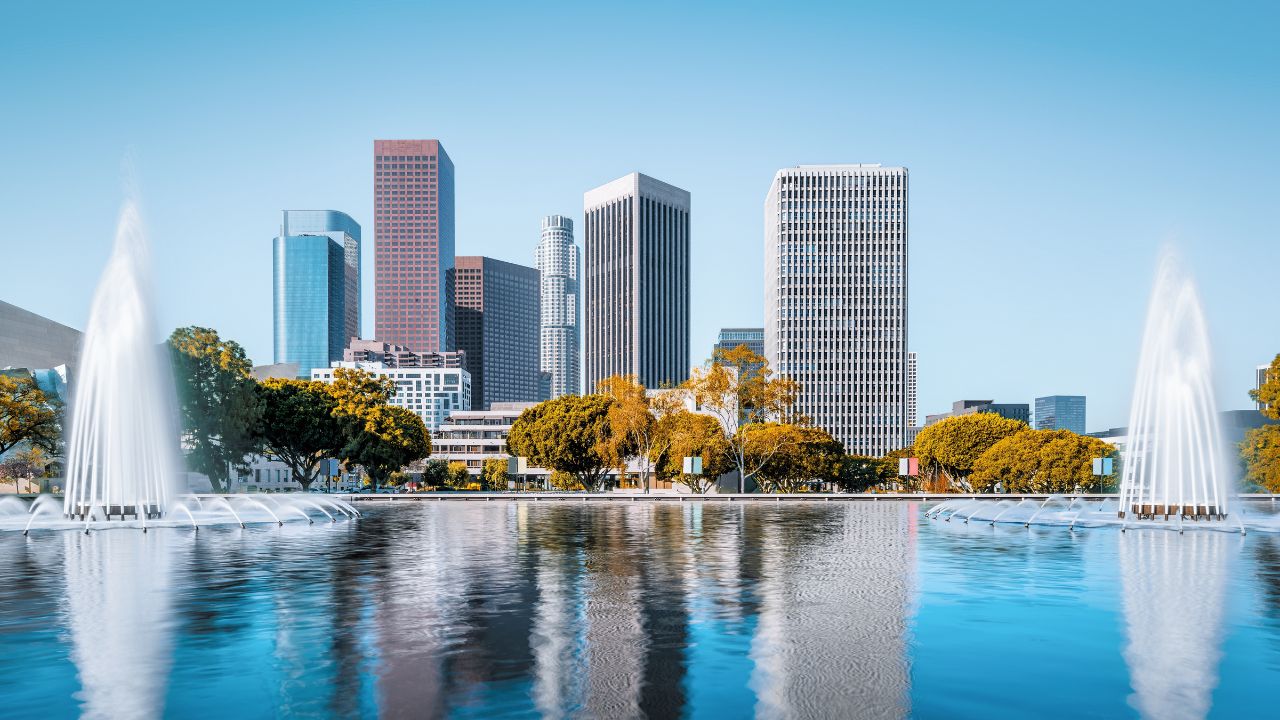
Los Angeles is very good at looking expensive. The hills, the coast, the museum architecture, the rooftop drinks people photograph as if they invented sunlight—all of it suggests a city that wants your card details before it offers a decent view. Yet some of L.A.’s strongest experiences are still gloriously, stubbornly free, including landmark museums, sweeping coastal walks, skyline panoramas, and one of the country’s great public observatories.
The trick is knowing where the hidden costs try to sneak in. Admission may be free while parking is not. Timed tickets may cost nothing but still need to be booked. A pier may be free to wander, even if every ride on it costs money. Once you understand that distinction, L.A. becomes much easier to enjoy on a zero-dollar sightseeing budget.
1. Start With Griffith Observatory, Because the City Basically Hands You the View
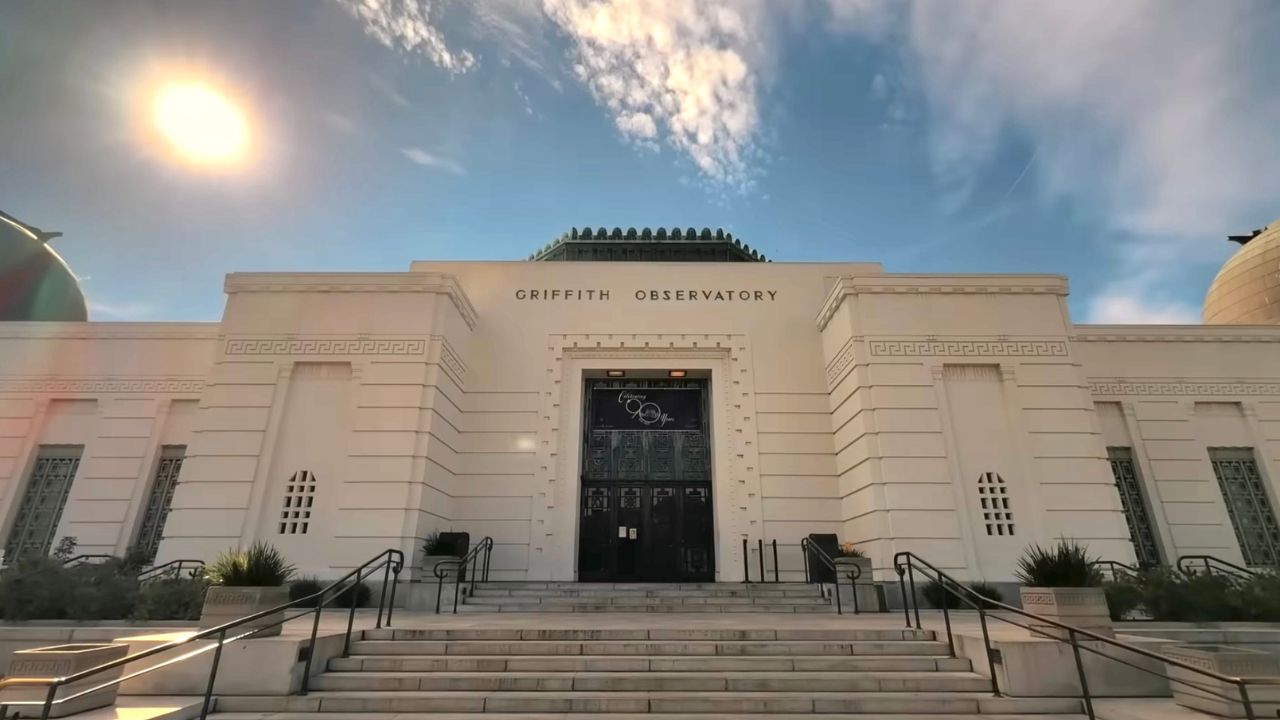
If you want the classic L.A. moment without paying for it, Griffith Observatory is the obvious opening move. The observatory’s official site says admission to the building, the grounds, and the public telescopes is always free, and access to Griffith Park is free as well. That gives you one of the city’s most famous panoramas, plus exhibits and serious skyline drama, without an admission charge attached to the experience.
This is also one of the clearest examples of L.A.’s budget magic. You get the Hollywood-sign-adjacent atmosphere, the giant civic-architecture mood, and the broad sweep from the hills to downtown in one stop. The catch is that planetarium shows cost extra and parking closest to the observatory is paid, so the truly no-spend version works best if you walk up, get dropped off, or use transit instead of treating the lot like destiny owes you a space.
2. Let Downtown Carry a Big Chunk of the Day for Free
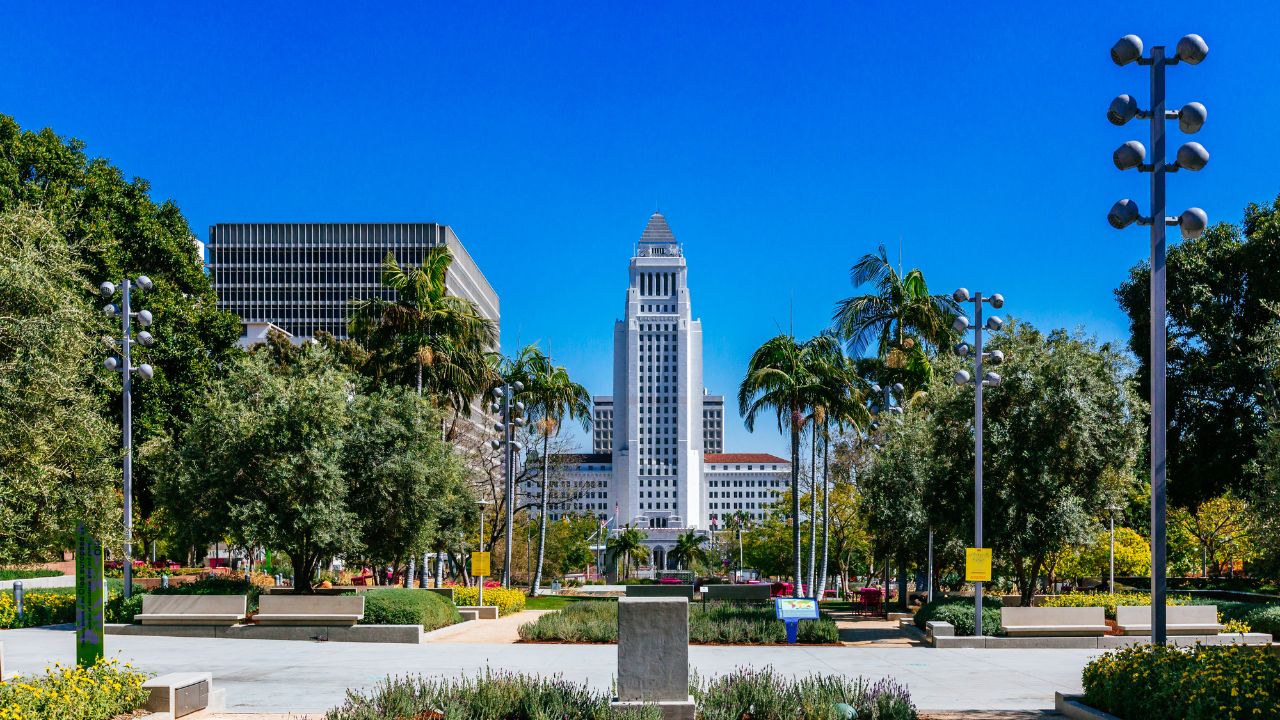
Downtown Los Angeles is where the city starts showing off how much culture it will give away if you pay attention. The Broad says general admission is always free, though reserving a timed ticket in advance is recommended and walk-ups are available daily. A few minutes away, Gloria Molina Grand Park describes itself as a 12-acre civic park with free and low-cost programming year-round plus plenty of open space to sit, stroll, and people-watch.
This part of the city also rewards travelers who like layered days instead of one single attraction. The Los Angeles Public Library says Central Library docent-led art and architecture tours are free and available on a limited schedule, with current upcoming tours listed on its calendar. That means you can pair a free contemporary-art stop, a grand civic park, and one of downtown’s best interiors without spending anything on admission. For a city often accused of being all surface, that is a pretty elegant rebuttal.
3. The Coast Is Still One of L.A.’s Best Bargains
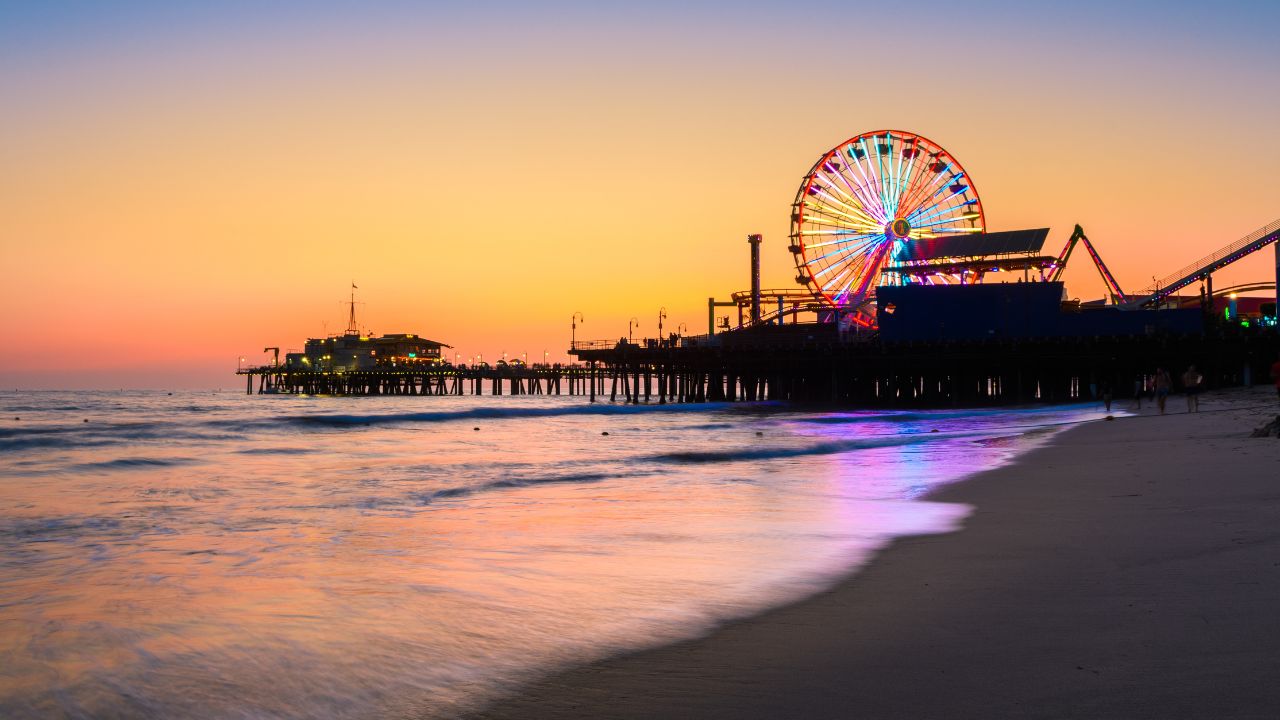
Beach access is one of the easiest ways to make L.A. feel generous. California State Parks says Santa Monica State Beach is a two-mile-long beach with paths, courts, a pier, and broad public shoreline. The Santa Monica Pier itself is free to walk, even though the rides and games on it are not. That is a useful distinction, because the best part of Santa Monica for many visitors is not the ticketed amusement-park stuff anyway. It is the wide beach, the ocean air, the promenade energy, and the pleasure of simply being there.
From there, Venice Beach gives you a second free coastal act with a completely different personality. The City of Los Angeles says the Boardwalk, also known as Ocean Front Walk, is the second most-visited destination in Southern California, with over ten million visitors on average. That sounds enormous because it is. But the point stands: you can spend hours along the beach, the boardwalk, and the people-watching spectacle without opening your wallet. The show is built into the sidewalk.
4. Pick at Least One Free Museum That Feels Bigger Than a Budget Choice
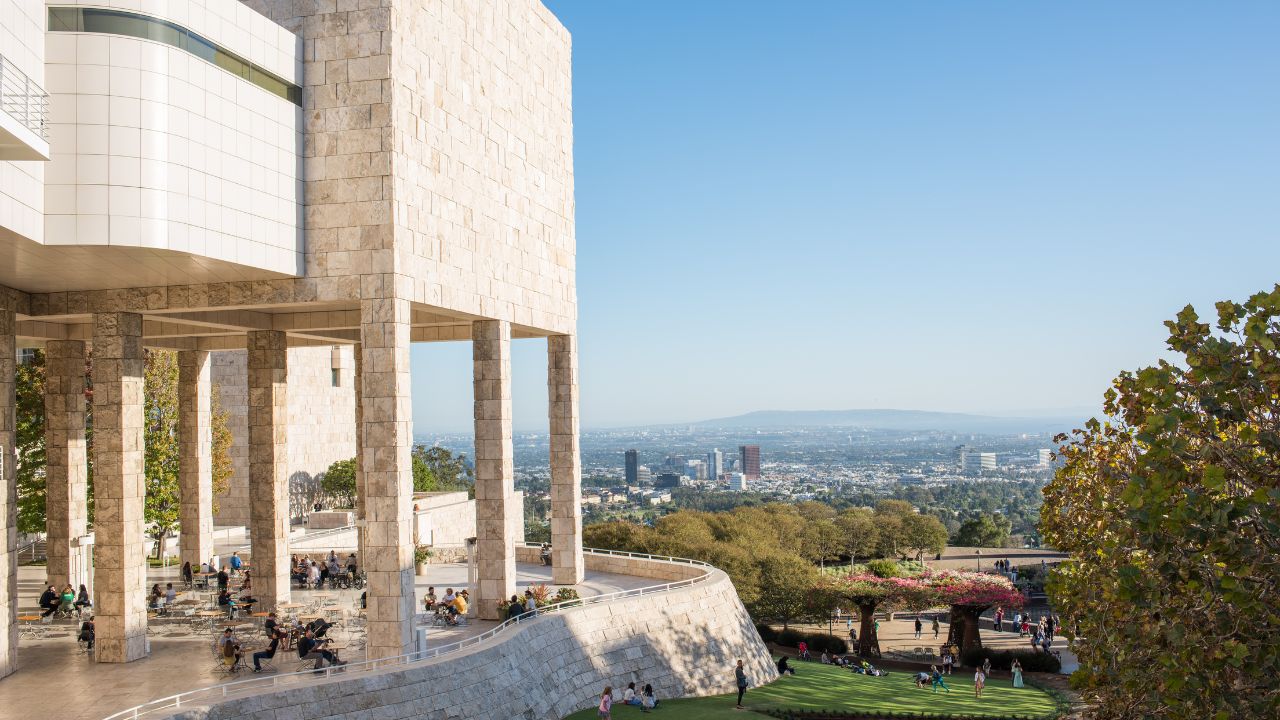
L.A. has several museums that are genuinely free, not merely “free on the third Wednesday if the moon behaves.” The Getty Center says admission is free but requires a timed-entry reservation, though parking is charged separately. The Hammer Museum says admission is free and advance reservations are not necessary. The California Science Center says its core exhibit galleries are free and do not require a reservation, which is especially useful if you want a family-friendly stop that feels hands-on rather than hushed.
The important thing here is not to treat these places like backup plans for people avoiding “real” attractions. They are part of the real L.A. The Getty gives you architecture, gardens, and a hilltop setting. The Hammer gives you strong contemporary programming in Westwood. The Science Center gives you a big, accessible public-institution experience. The city’s official tourism material explicitly points to places like Griffith Observatory, the Getty Center, and The Broad as year-round free cultural destinations, which is a rather nice thing for a city of this size to be able to say with a straight face.
5. The No-Spend Version of L.A. Works Best When You Are Strategic

This is the part people get wrong. “Free” in Los Angeles often means free admission, not free logistics. The Getty charges for parking, Griffith has paid parking closest to the observatory, and Santa Monica beach lots are not free either. So the strongest budget approach is to cluster walkable areas, reserve free timed tickets where needed, and avoid turning the day into a paid parking scavenger hunt with ocean views.
That is why the city can still work beautifully on no money. Start in a place where the view is free, move into a museum that costs nothing, spend the afternoon on the coast, and leave room for a downtown park or library stop. L.A. may never be the country’s easiest city, but it is far more affordable than its reputation suggests once you stop confusing “famous” with “ticketed.” The best version of the city is often the one you can still enjoy with your wallet firmly zipped.