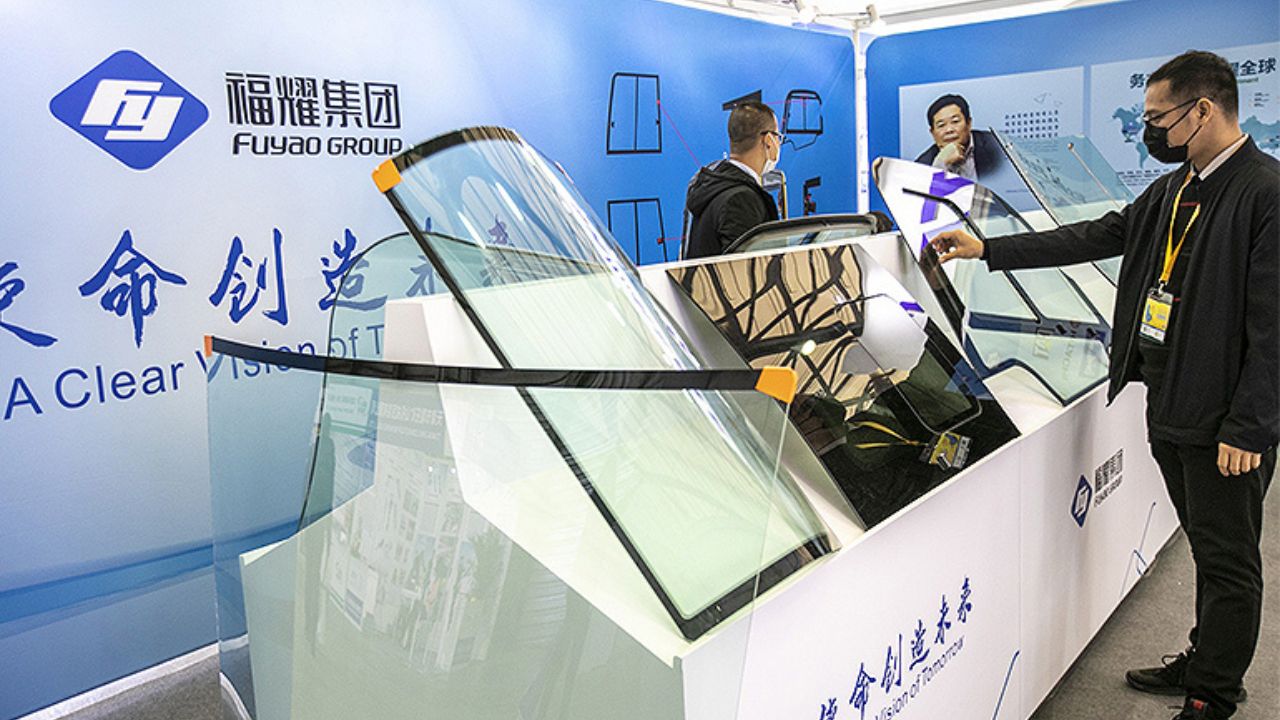

Fuyao Glass Industry Group Co., Ltd. is one of the world’s largest automotive glass manufacturers. Founded in China in 1987 by billionaire Cao Dewang, it produces windshield and window glass for major automakers globally.
By 2023, it controlled roughly 34 % of the global automotive glass market and about 25 % of the North American market.
In North America, Fuyao supplies glass not just as an aftermarket part but as OEM (original equipment manufacturer) glass, meaning cars from major brands like Ford, GM, Stellantis, Honda, Mercedes and more use its products.
The Big Move into the U.S.
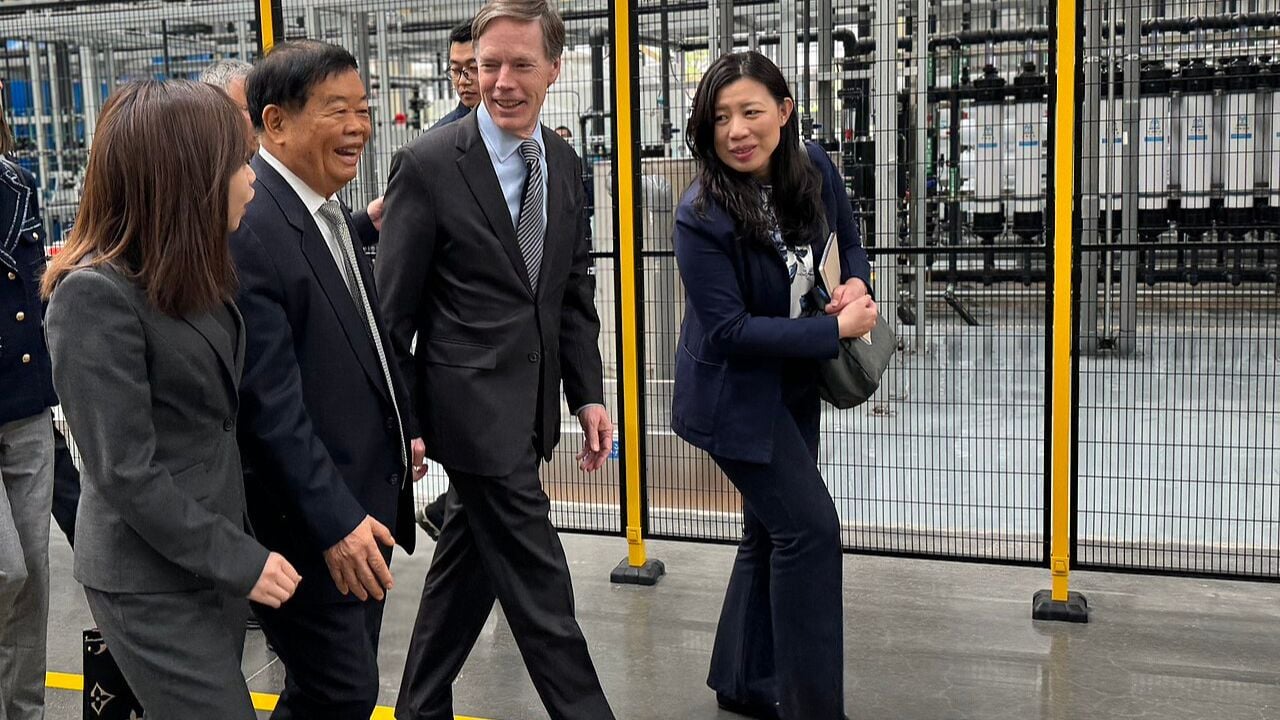
In 2014, Fuyao purchased the shuttered General Motors (GM) Moraine Assembly plant in Ohio, which had closed in 2008 during the U.S. auto industry’s restructuring.
This move was initially seen as a win for local jobs: the company promised to revive manufacturing in an area hit hard by deindustrialization, and it actually created thousands of jobs — around 2,000 on site and many more indirectly.
This story was later chronicled in the critically acclaimed documentary American Factory (2019), capturing early tensions between Chinese management styles and U.S. labor practices.
Fuyao’s success in the U.S. stems from several competitive advantages:
Lower Cost Structure
Even manufacturing in the U.S., Fuyao can offer auto glass at prices about 10 % lower than many legacy U.S. suppliers. That’s because:
- It uses efficient production techniques and automation.
- It has buying scale globally.
- Its integrated global supply chain helps keep costs down.
For automakers, especially in a price-sensitive component like auto glass, that cost edge is no small matter. Windshields and window glass customers are often big OEMs looking for just-in-time delivery and low prices.
Geographic Proximity
By building inside the U.S. — close to the automotive heartland — Fuyao avoids long shipping times and tariffs while meeting critical delivery schedules for assembly plants.
The Impact on U.S. Competitors
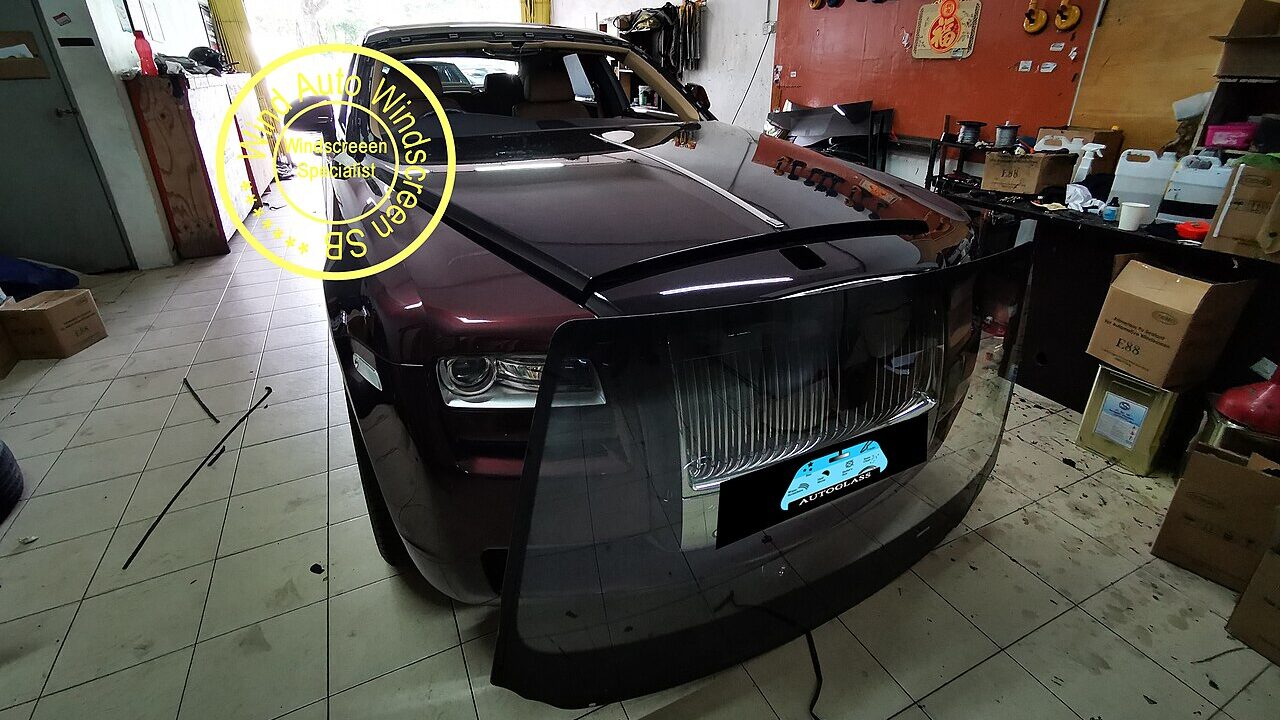
The current talk around town is that Fuyao’s rise has accomplished more than job creation in Ohio. To put it mildly, the company has succeeded in placing significant pressure on long-standing U.S. and North American firms.
Competitors like Vitro’s Crestline, Ohio plant, which has been a fixture since the 1950s, have seen drastic volume declines and closures of other U.S. glass plants in Pennsylvania, Michigan, and Indiana.
Since Fuyao entered the market, Vitro’s output has reportedly fallen about 50 %, with closures attributed in part to competition from lower-priced Chinese-made glass.
Other smaller domestic suppliers have exited the market entirely because they simply couldn’t compete on price or scale with a global giant with a demonstrated ability to leverage efficiencies across continents.
In 2024, U.S. federal law enforcement raided Fuyao’s Ohio sites as part of a larger probe into alleged labor and financial misconduct tied to contractors (though Fuyao says it wasn’t the direct target).
That raid highlighted simmering concerns about whether Chinese companies operating in the U.S. might engage in practices that go beyond plain competition — such as labor compliance issues — although no charges against Fuyao itself have been filed as of the latest reporting.
Broader Economic and Political Debate
Fuyao’s success has suddenly become a subject of wide debate across political and manufacturing circles.
Some economists argue that Fuyao’s growth is simply part of global supply-chain competition: efficient suppliers win contracts, inefficient ones shrink. It’s the same forces that shaped global trade over decades.
Others, particularly commentators and some U.S. policymakers, see risks in foreign dominance of key supply chains, especially in critical industries like automotive components and advanced manufacturing.
The fact that a Chinese state-friendly firm now produces a large share of glass for U.S. automakers feeds those concerns and has led to calls for stricter oversight of foreign investment.
While Fuyao brought jobs to its Ohio facility, wages and conditions have been a flashpoint. The company has clashed with unions and been cited for safety and compliance issues, and average pay is generally lower than historic U.S. auto manufacturing wages.
The Bottom Line
Fuyao’s expansion is a complex story. It will always be noted for reviving a dormant plant and birthing tens of thousands of jobs to the U.S., but it has also:
- Crushed pricing power of many legacy U.S. glass makers;
- Contributed to shutdowns of domestic plants;
- Provoked regulatory and political concern about global supply chains.
Whether this is creative destruction, unfair competition, globalization gone wild, or a necessary evolution of industry depends largely on individual perspectives. But there’s no question that Fuyao has reshaped the American automotive glass sector in profound ways.
Sources: Dean & Francis Press, Yicai Global