Some vacations are built around a hotel. A real road trip is built around momentum. The best long-haul drives give you enough distance for the landscape to keep changing, enough stops to keep the days from blurring together, and enough character that the route itself becomes the story. This list leans on official scenic byways, tourism boards, and park guidance, so these are not just random pretty roads with excellent publicists.
A smart note before you choose: not every legendary drive is equally easy this year. Highway 1 through Big Sur is fully open again after its January 14, 2026, reopening at Regent’s Slide, while the Blue Ridge Parkway still has closures and recovery work in parts of the route, so that one is best treated as a flexible, segment-by-segment adventure for now.
1. California’s Highway 1

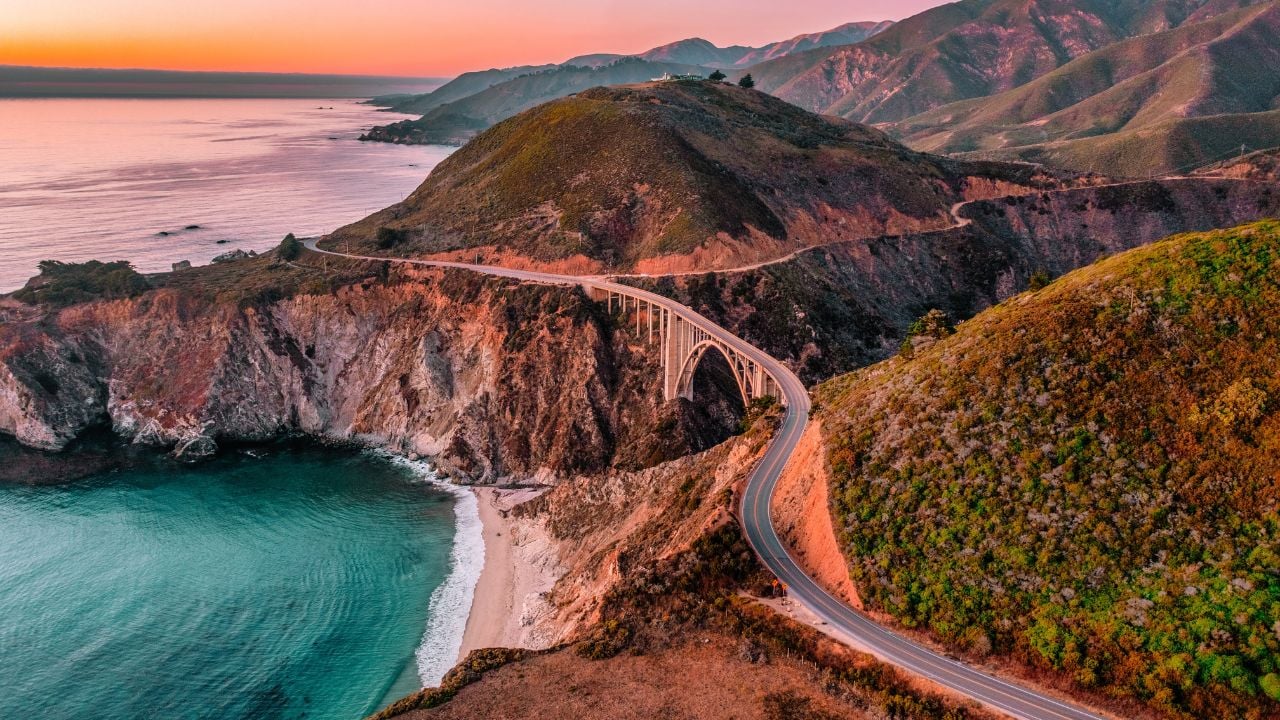
This is the classic for a reason. California’s official travel guides still frame Highway 1 as one of the state’s great road trips, and the route now has a major practical advantage again: Highway 1 through Big Sur fully reopened on January 14, 2026, after years of disruption. That puts the dream stretch back on the table, with Bixby Creek Bridge, McWay Falls, Monterey, and the long cliff-hugging run through Big Sur all back in play.
This is the trip to choose when you want drama every hour. Ocean on one side, mountains on the other, and enough small towns to break the drive into civilized chunks make it ideal for a week-long vacation. Just keep one practical habit: check current California road conditions before you leave, because this route is gorgeous and occasionally moody.
2. Route 66 from Chicago to Los Angeles

Route 66 remains America’s great nostalgia drive, but it still has real geographic sweep too. The National Park Service says the route runs about 2,400 miles from Chicago to Los Angeles across eight states, crossing Illinois farmland, the Missouri Ozarks, Oklahoma, Texas ranch country, New Mexico and Arizona mesa lands, and the Mojave Desert before reaching Southern California. That variety is exactly what makes it feel like a full vacation rather than a themed detour.
The best way to handle Route 66 is not to rush it like some historic endurance test. NPS’s Route 66 travel itinerary highlights a wide spread of historic places, which means this route works best for travelers who enjoy diners, neon, motels, roadside oddities, and long stretches where the mythology still clings to the pavement. It is less about speed than atmosphere, and that is why it still works so well.
3. The Great River Road
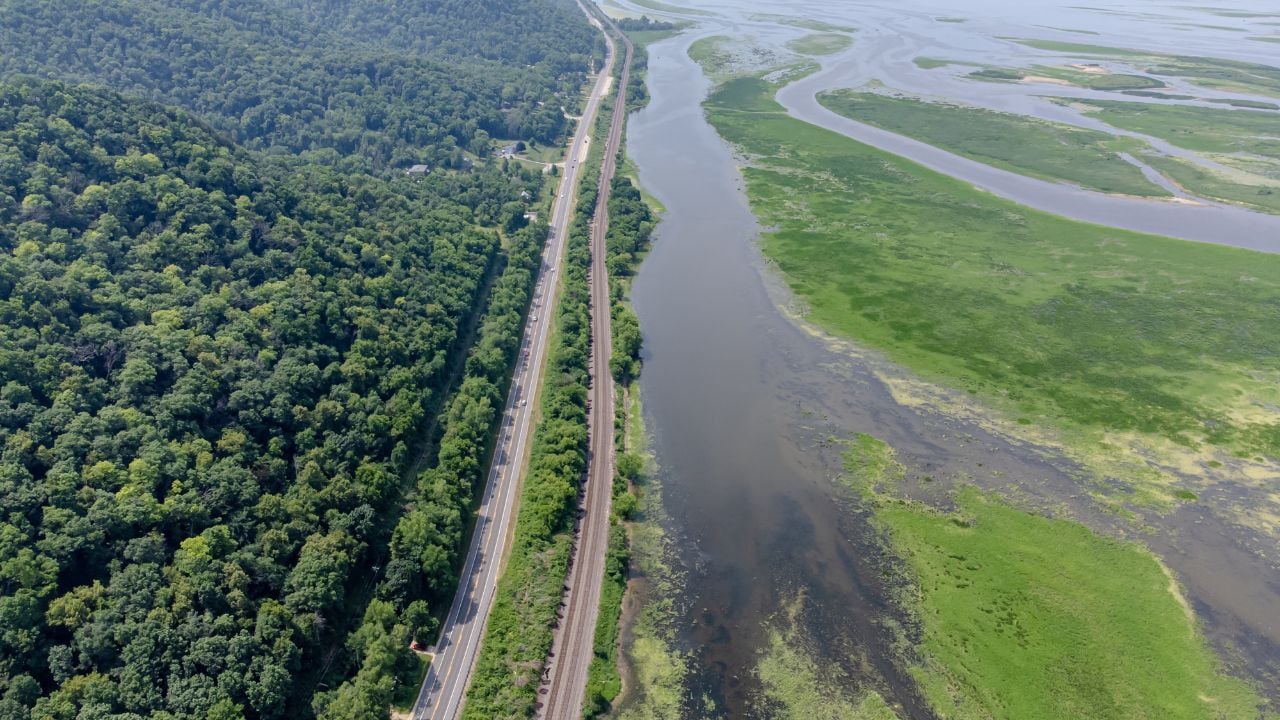
If you want a road trip that feels less like one region and more like a moving cross-section of the country, this is the one. The Federal Highway Administration says the Great River Road National Scenic The byway follows the Mississippi River for 3,000 miles from northern Minnesota to the Gulf of Mexico, passing through 10 states and hundreds of river towns. That is a serious amount of America to absorb from one steering wheel.
What makes this route special is how many different versions of the country it passes through. The Great River Road’s own planning pages lean into the mix of overlooks, river towns, local food, and layered history across the corridor. This is a better choice than Route 66 for travelers who want scenery and regional culture with fewer kitschy pit stops and more river-shaped history.
4. The Blue Ridge Parkway
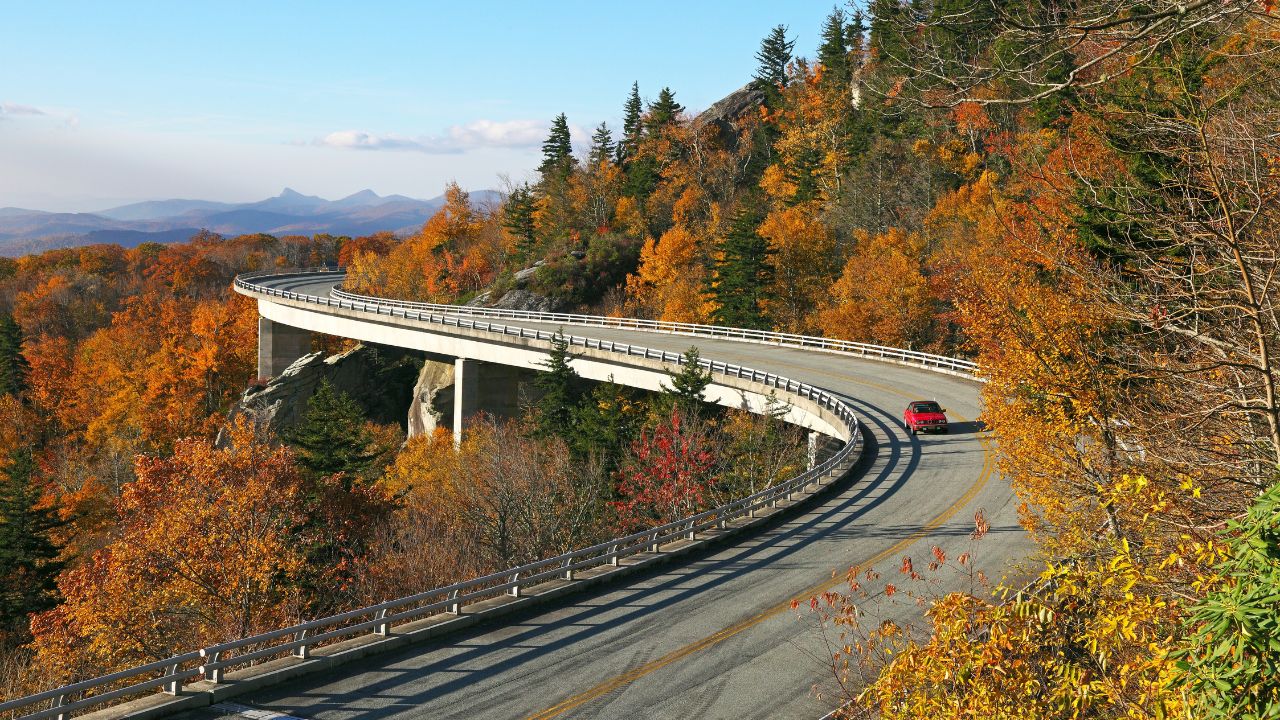
The Blue Ridge Parkway remains one of the loveliest drives in the country, especially for travelers who prefer mountain overlooks, trails, and slower pacing over desert vastness. NPS says the Parkway runs 469 miles through Virginia and North Carolina, linking Shenandoah National Park with Great Smoky Mountains National Park. The Linn Cove Viaduct alone gives the route one of the most elegant pieces of road engineering in America.
The only wrinkle is that this year requires flexibility. NPS’s current road-status page and its 2026 project update make clear that some sections are still affected by recovery work, construction, weather, and closures. It is still absolutely worth doing, but the smarter approach in 2026 is to build a sectional road trip around open stretches and check the road-status page before every driving day.
5. Highway 395 through the Eastern Sierra
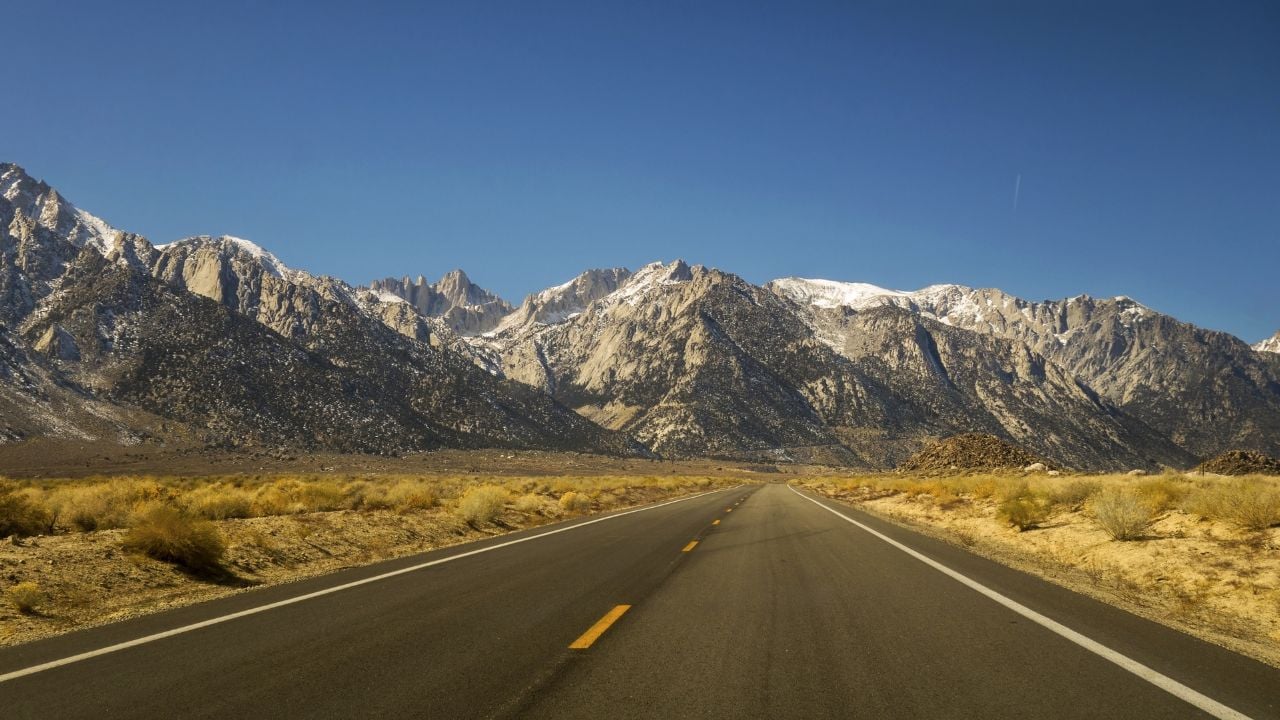
For travelers who like road trips with a sharper, more rugged edge, Highway 395 is one of California’s best answers. Visit California highlights Mammoth Lakes, Mono Lake, Bodie, Convict Lake, and the Alabama Hills along the route, while Mono County’s official sightseeing guide points travelers toward the Eastern Sierra Scenic Byway symbols along Highway 395. The appeal here is contrast: alpine peaks, volcanic remnants, ghost towns, and open basin country in one long run.
This drive rewards people who stop often. It is less polished than Highway 1 and less sentimental than Route 66, which is part of the charm. Choose it when you want a road trip that feels cinematic but a little leaner, stranger, and more geologic than coastal California usually does.
6. The Overseas Highway to Key West

Few roads make you feel as though you are driving into open water quite like this one. The Florida Keys’ official tourism site says the Overseas Highway runs about 110 miles and includes 42 bridges. That is not marketing exaggeration so much as a straightforward description of what your windshield is about to do.
This is the right vacation route when you want warmth, seafood, island stops, and a big visual payoff without needing enormous daily mileage. The drive itself is memorable, especially across the Seven Mile Bridge, but the real fun comes from slowing down through Key Largo, Islamorada, Marathon, and finally Key West. It is a road trip that behaves like a beach holiday with a better entrance.