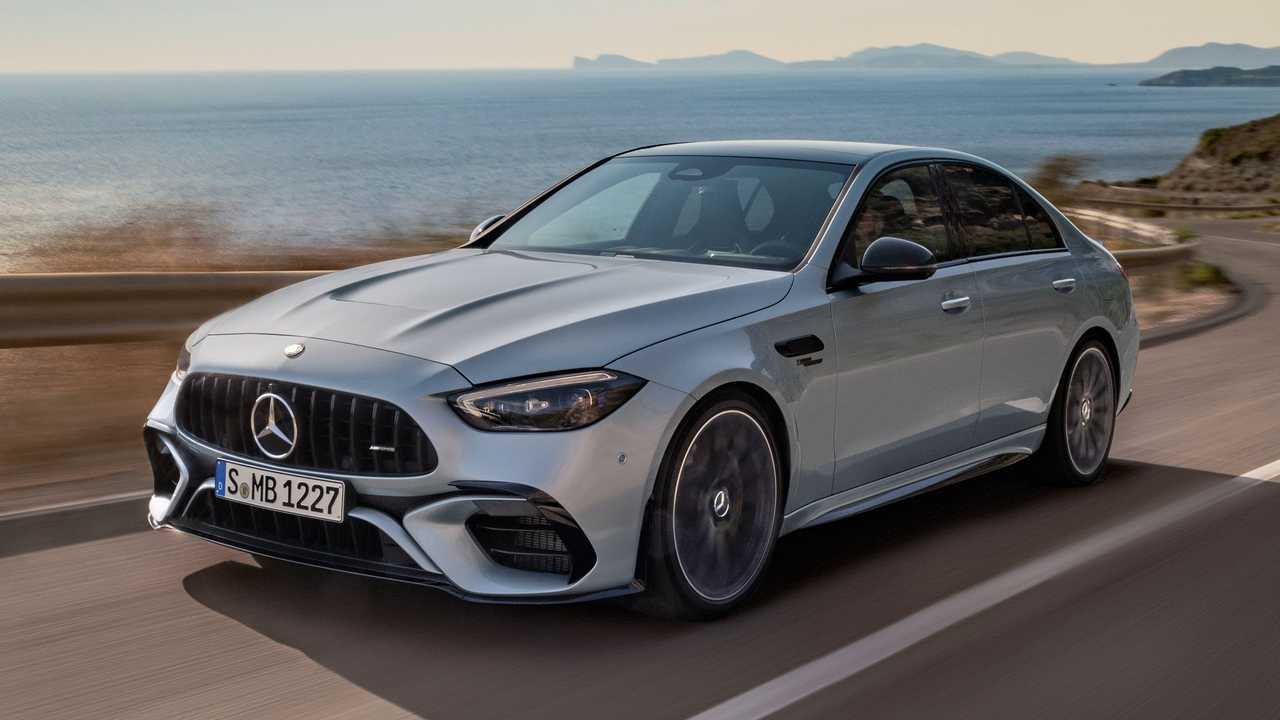
Mercedes-Benz is recalling more than 144,000 combustion-powered vehicles in the United States over a software problem that could cause the instrument cluster display to go blank while driving. The issue affects a wide range of Mercedes-Benz, AMG, and Maybach models from the 2024 through 2026 model years.
According to documents filed with the National Highway Traffic Safety Administration, the glitch can trigger repeated system resets within the infotainment control unit. During those resets, critical driver information displayed behind the steering wheel may temporarily disappear.
That may sound minor compared with mechanical failures or brake defects, but losing access to speed, warning indicators, and other key driving information can create a serious distraction. NHTSA says the issue increases the risk of a crash.
The recall covers 144,049 vehicles across several Mercedes product lines, including sedans, crossovers, coupes, convertibles, wagons, and performance AMG variants. Fortunately for owners, the fix does not require replacing any physical hardware.
A Software Update Triggered The Problem
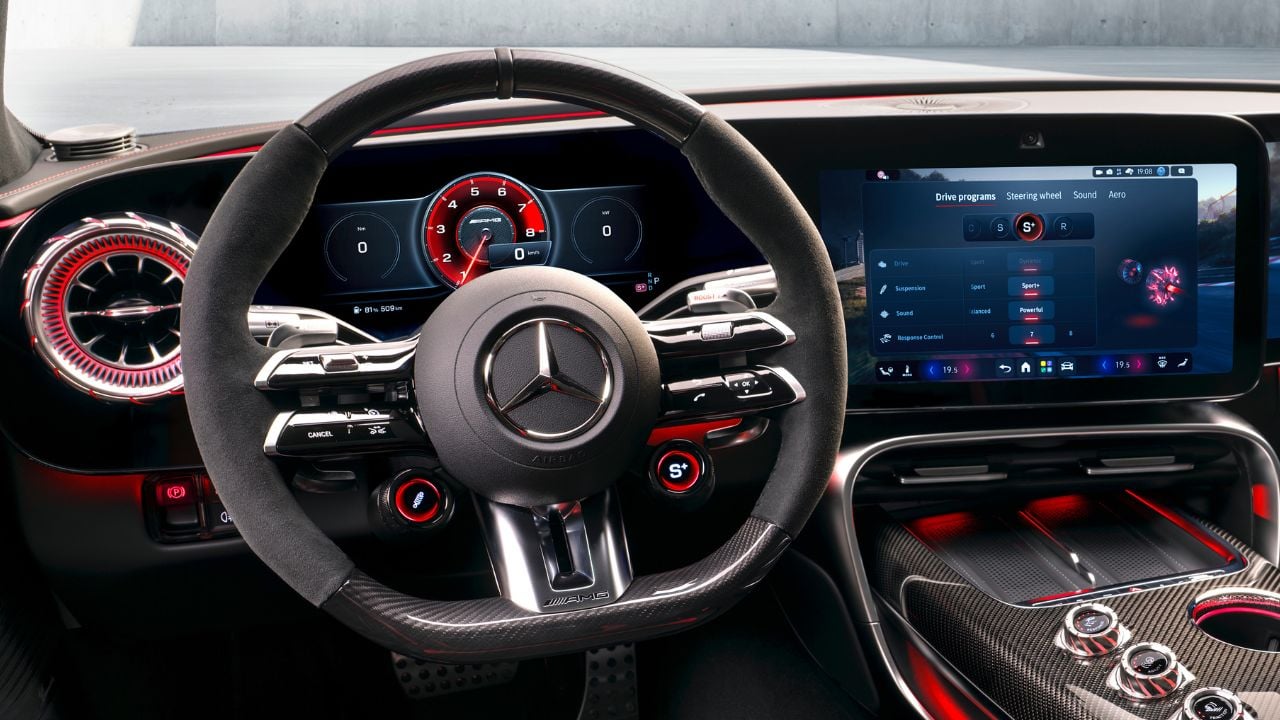
According to Mercedes-Benz, the issue traces back to software introduced in August 2025. The company says the update was originally intended to improve overall system stability and robustness within the infotainment architecture.
Instead, certain vehicles experienced a higher number of system resets than expected. Those resets can briefly interrupt the driver display, leaving the instrument cluster partially or fully blank during operation.
Mercedes reportedly began receiving an increased number of complaints from South Korea late last year, prompting an investigation and an earlier recall campaign there. Similar issues reported by other automakers involving digital instrument displays also contributed to increased regulatory attention.
Modern digital clusters have replaced traditional analog gauges in most luxury vehicles, combining speedometers, warning lights, navigation, and vehicle status information into large display systems. While highly flexible and visually advanced, these systems also introduce new software-related failure points that older analog gauges simply did not have.
Many Vehicles Have Already Been Updated
Mercedes says it has already begun rolling out an over-the-air software update to address the issue in affected U.S. vehicles. According to recall documents, roughly 62 percent of potentially affected vehicles may already have received the updated software before the official recall announcement.
That means many owners could have the fix installed automatically without visiting a dealership. Vehicles that have not yet received the update can still be repaired through dealers, free of charge.
Dealers were notified of the recall on May 8, while owner notifications are scheduled to begin by June 26, 2026. Unlike some safety recalls, Mercedes has not issued any “Do Not Drive” advisory related to the issue.
Even so, instrument cluster failures can be unsettling in modern vehicles that rely heavily on digital interfaces. Losing access to speed readouts, warning alerts, or navigation prompts, even briefly, can create confusion and distraction at highway speeds.
AMG, Maybach, And Mainstream Models Are Included

The recall spans an unusually broad portion of Mercedes’ lineup. Affected vehicles include various versions of the C-Class, E-Class, CLE, GLC, AMG GT, and SL, along with multiple AMG performance variants and the Mercedes-Maybach SL 680.
Several plug-in hybrid AMG models are included, though the recall itself specifically targets combustion-powered vehicles and does not involve fully electric EQ models. Both standard Mercedes-Benz trims and high-performance AMG variants share similar infotainment and digital display architecture, which explains the wide recall scope.
The issue also highlights how deeply software now influences even basic driving functions. In older vehicles, an instrument cluster failure might involve a blown fuse or faulty gauge motor. Today, a software reset inside a central computing system can temporarily wipe out nearly the entire driver display.
As automakers continue moving toward larger screens and increasingly integrated digital cockpits, recalls tied to software behavior are becoming far more common. In many cases, the vehicle itself remains mechanically sound while lines of code become the primary safety concern.