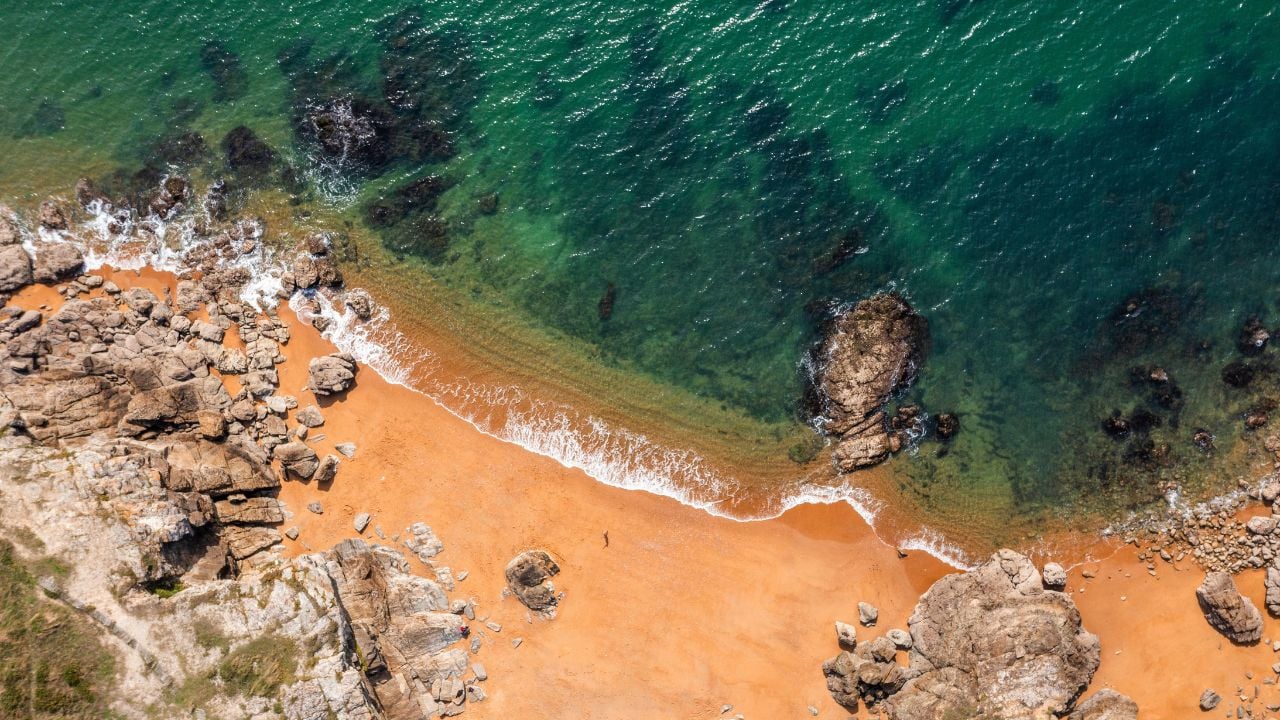
America does not do shoreline beauty in one style, and that is exactly what makes a coast-to-coast beach list so satisfying. Cape Cod brings wind-shaped dunes and long Atlantic strands, the Outer Banks lean into barrier-island drama, Siesta Key offers famously soft Gulf-front sand, Gulf Shores and Orange Beach surprise first-timers with bright white beaches, and Laguna Beach shifts the mood again with coves, tidepools, and protected Pacific shoreline.
That contrast is part of the appeal. These places are not slight variations of the same vacation. They are very different kinds of beach trips, shaped by different water, weather, landscapes, and rhythms. Some feel expansive and elemental. Others feel polished, intimate, or unusually easy to enjoy for a full day.
What makes them worth the trip is not only how they look in photographs. The strongest beach destinations are the ones that still work once you arrive, when parking, walking distance, crowd levels, weather, and the need to fill a full day all start to matter. Beauty is important, but usability matters too.
That is why these five belong together. Some earn their place through scale, some through atmosphere, and some through the rare ability to balance scenery with just enough infrastructure to keep a getaway simple. Together, they form a lineup with real range rather than five copies of the same coastal fantasy.
1. Cape Cod National Seashore, Massachusetts

Cape Cod National Seashore earns its place through scale and texture. The National Park Service describes 40 miles of sandy shoreline, marshes, ponds, uplands, lighthouses, and cultural landscapes, which immediately gives the area more depth than a simple beach stop. This is the kind of destination that can support a longer stay without forcing the same routine every day. One afternoon can be about swimming and sand, while the next shifts toward dunes, scenic walks, bike paths, or a slower drive between villages.
There is also a distinct atmosphere here that many resort-heavy waterfront destinations cannot match. The wider Cape pitch leans into seafood shacks, weathered architecture, summer light, and the relaxed rhythm of coastal towns that still feel rooted in place. That matters because some beaches are beautiful but oddly forgettable once you leave them. Cape Cod tends to linger a little longer.
2. Outer Banks, North Carolina

The Outer Banks work because they still feel shaped by water and wind rather than overdesigned around them. Official tourism material presents the region as a chain of islands with broad vacation appeal, while Cape Hatteras National Seashore adds kayaking, lighthouse culture, marshes, and shifting coastal terrain to the picture. That gives the area a restless, open quality that is hard to fake.
A trip here can be as quiet or as active as you want it to be. National Park Service material points visitors toward unusual natural, cultural, and recreational opportunities preserved along this stretch, while regional tourism pages lean into long sandy reaches, fishing, and off-road exploration. That flexibility is part of the destination’s strength. The Outer Banks invite motion, weather, and a sense that the coastline itself is still in charge.
3. Siesta Key, Florida

Siesta Key has the kind of sand people mention before almost anything else, and the official sources explain why. Sarasota tourism points to quartz-crystal sand and turquoise water, while county guidance notes that the beach is made of nearly 100 percent quartz, which helps keep it cool under the Gulf Coast sun. That may sound like a small detail until you spend hours walking barefoot and realize how much more comfortable the whole experience feels.
Practical comfort is another reason the beach holds up. Official listings note lifeguards, restrooms, parking, concessions, picnic areas, volleyball, playground space, and beach wheelchairs, so the shoreline is not relying on looks alone. Plenty of beaches photograph beautifully in late afternoon light. Fewer still remain easy and pleasant once families, towels, food, shade, and full-day logistics all enter the picture. Siesta Key manages both.
4. Gulf Shores and Orange Beach, Alabama

Alabama catches some travelers off guard, which is part of the appeal. Official destination material says the area offers 32 miles of sugar-white sand across Gulf Shores, Orange Beach, and Fort Morgan, with the northern Gulf on one side and lakes, rivers, bays, and coves shaping the wider setting. That mix gives the destination more variety than outsiders often expect. It is not just one long strip of beach and a few condos.
Another advantage is breadth. The local tourism pitch goes beyond the shoreline itself to rentals, wildlife areas, family attractions, dining, and events that make it easier to stretch the trip beyond a single beach day. That matters because the best coastal escapes usually need more than one strength. Here, the beach is clearly the lead attraction, but it is not carrying the whole vacation by itself.
5. Laguna Beach, California

Laguna Beach brings a very different kind of coastal beauty. Official destination material emphasizes scenic coves, tidepools, and protected shoreline, then points visitors toward accessible stretches such as Main Beach, Aliso Beach, and Crystal Cove while also reminding them that parts of the coast are fragile. That balance between beauty and stewardship gives the place a stronger identity than a standard Southern California sun-and-sand stop.
The surrounding landscape adds even more pull. Laguna’s appeal is not just that it is pretty. It is that the scenery feels textured and specific, shaped by cliffs, coves, marine life, and a stronger sense of protection than many beach towns can offer. A Laguna getaway feels polished, but it also carries a sharper sense of place than a generic boardwalk scene ever could.
Put together, these five beaches make the strongest possible argument for how different American coastal travel can feel from one region to the next. Some are best for long walks and dune light, some for full-day ease, and some for protected natural beauty that changes how you move through the landscape. That variety is exactly what makes a coast-to-coast beach list worth doing in the first place.