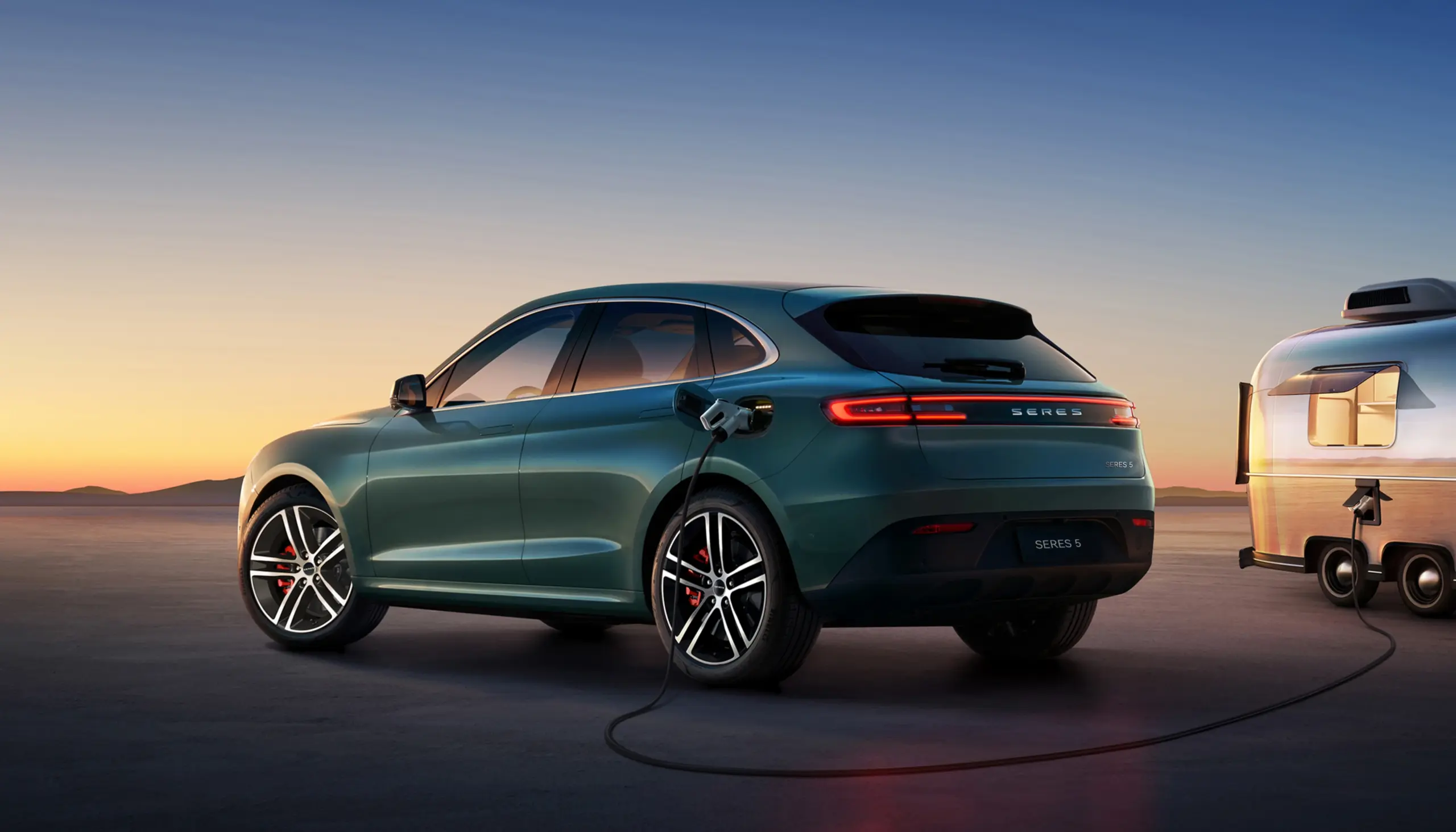
We have all been there. You are 45 minutes into a road trip, the last rest stop is a distant memory in the rearview mirror, and your bladder has suddenly decided it wants to be the most important thing in the car. It is one of the most universally relatable driving experiences, and yet, somehow, the automotive industry has largely left this problem unsolved for over a century of car travel.
Until now, maybe. Chinese automaker Seres, best known for its Aito-branded vehicles, has officially patented an in-car toilet system designed to mount beneath the front passenger seat. The patent, which was originally filed in April 2025, received its authorization announcement number through China’s Ministry of Industry and Information Technology in April 2026. The source who broke the story, Car News China, got a first look at the patent illustrations, and yes, they are exactly what you are picturing.
To be clear, this is a patent, not a confirmed production feature. Automakers patent all sorts of ideas that never make it to the showroom floor. But the level of engineering detail in this particular filing suggests someone at Seres spent a meaningful amount of time thinking through the logistics of going to the bathroom in a moving vehicle, and honestly, that kind of dedication deserves some recognition.
Whether this ever makes it into an actual Aito SUV is still very much up in the air, but the concept raises some genuinely interesting questions about where automotive comfort features are heading, what the market for something like this might actually look like, and what it says about the future of long-distance travel in passenger vehicles.
How the System Actually Works
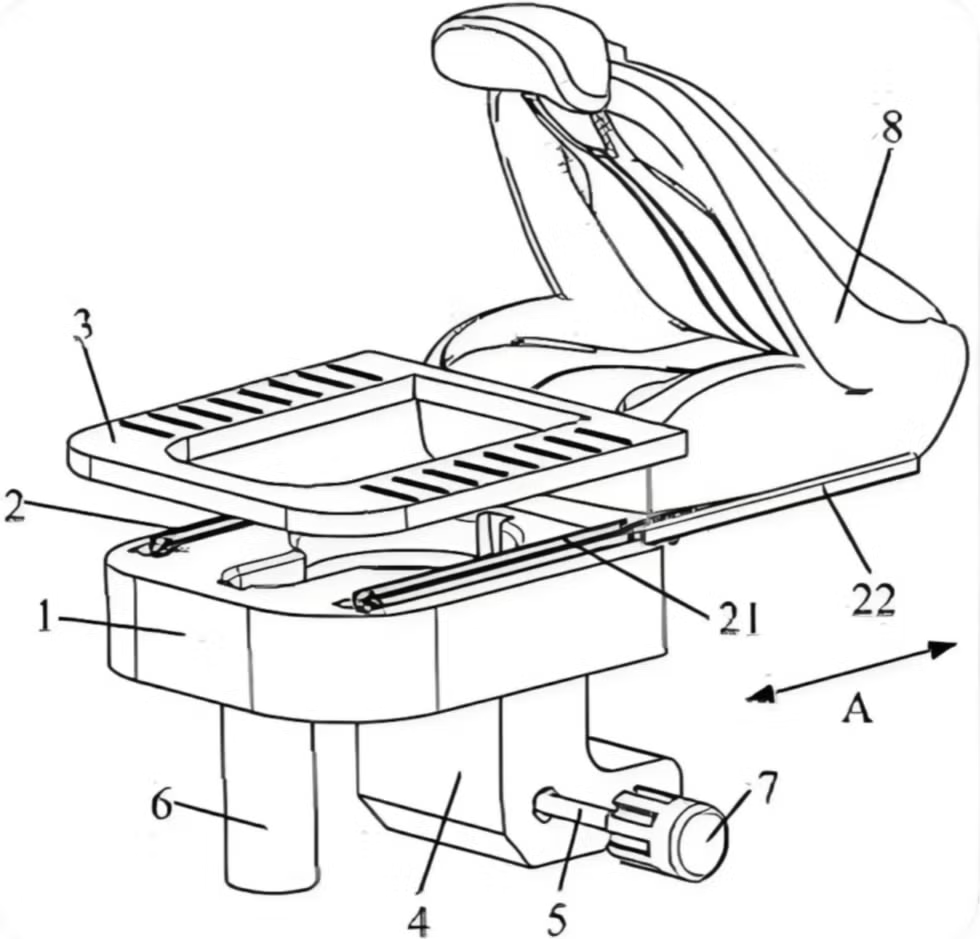
According to the patent details reported by Car News China, the toilet apparatus sits on a rail system tucked underneath the traditional passenger seat. When needed, it slides out from beneath the seat and can be triggered using voice commands, which is either a very thoughtful hands-free touch or the most awkward thing you will ever say to your car, depending on how you look at it.
The system uses an onboard waste storage tank, similar in concept to what you would find in a motorhome or an RV. That tank does not empty itself, so whoever is responsible for vehicle maintenance will need to handle that manually between uses. A built-in heating element helps accelerate water evaporation to reduce odors, and an exhaust fan works alongside it to manage smells inside the cabin.
Whether those two features are fully up to the task is, perhaps, a question best left unanswered until someone brave enough to test it files a follow-up report.
Who Would Actually Use This?
This is the part where things get a little complicated. The engineering is creative, but the target market is a bit harder to define. Most people who go on long road trips do stop at rest areas, gas stations, and fast food parking lots. The people who genuinely cannot stop, or who travel through stretches of highway where stopping is not a safe or practical option, are a smaller group.
There is also the matter of privacy. Using a toilet in a vehicle, even with the seat slid out and some kind of discretion involved, is not the same as having a dedicated bathroom. The cabin of a passenger car, no matter how spacious, does not offer the kind of separation most people expect when answering nature’s call. Seres would face a real challenge convincing buyers that the hygiene and comfort experience is good enough to be worth it.
That said, the concept is not entirely without an audience. Truck drivers, people with certain medical conditions, parents with young children on long hauls, and travelers driving through remote areas where facilities are few and far between could all see value in something like this if it were implemented cleanly and discreetly.
What We Can Learn From This Patent
Beyond the novelty factor, this patent is a useful reminder of how broadly automakers are thinking about the in-cabin experience right now, particularly as electric vehicles continue to push the boundaries of what a car is supposed to be. EVs already blur the line between a vehicle and a living space in some respects, with reclining seats, built-in entertainment systems, and ambient lighting designed to make long charging stops more comfortable.
A toilet is obviously a bigger leap than a massage seat, but it follows the same underlying logic: people are spending more time in their cars, and automakers are competing to make that time as comfortable as possible. In markets like China, where traffic congestion in major cities can turn short trips into very long ones, an in-car restroom option is not as far-fetched as it might sound to a Western audience.
The patent also highlights something worth appreciating: innovation in the automotive world does not always come from the biggest or most familiar names. Seres is not a household name outside of China, but it is clearly willing to pursue ideas that larger, more conservative manufacturers might dismiss outright. That kind of creative engineering, even when the idea sounds ridiculous on the surface, is often where the most interesting developments eventually come from.
The Bottom Line on Seres’ Potty Patent
For now, the Seres in-car toilet remains a patent drawing and not a real product option at any dealership. The engineering creativity on display is genuinely impressive, and the attention to detail around odor control and voice activation shows that this was not a throwaway idea scribbled on a napkin. But there are real hurdles around consumer comfort, hygiene perception, and privacy that would need to be cleared before something like this could find a meaningful audience.
In the meantime, the rest of us will keep doing what we have always done: debating whether we can make it to the next exit, ultimately deciding we cannot, and pulling off at a gas station to buy a drink we did not need just to justify using the restroom. Some automotive problems, it turns out, already have a solution.