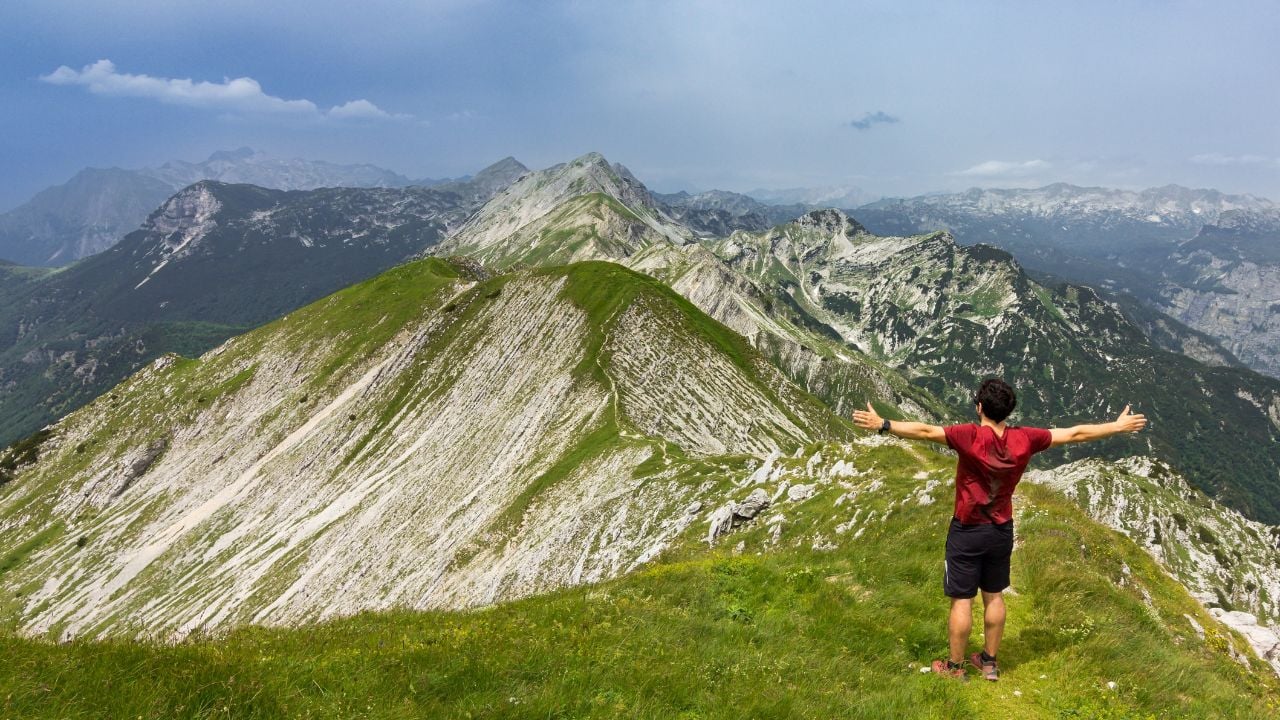
Slovenia is perfect for a short trip when the route stays focused. Four days will not cover the whole country, but they can give first-time visitors a strong first taste: Ljubljana’s riverfront, Lake Bled’s famous island view, the karst drama of Predjama and Postojna, and a final mountain day around Bohinj.
The trick is not to turn the trip into a race across every name on the map. Slovenia looks small, but mountains, lakes, caves, and winding roads can make overpacked days feel longer than expected. A better route gives each stop enough room to feel like part of the journey instead of a photo errand.
This version works best with a rental car after Ljubljana. The capital itself is easiest on foot, with the old center, river, bridges, market area, and castle hill close together. Once the route moves toward Bled, the car makes it easier to link the lake, cave country, and Bohinj without waiting on tight bus connections.
A simple plan is one night in Ljubljana, one night near Bled, and the last night around Bled or Bohinj if mountain scenery is the priority. If the flight home is early from Ljubljana, swap the cave day and the Bohinj day so the last night lands closer to the airport.
1. Day One: Start in Ljubljana, Then Let the River and Castle Hill Do the Work

Ljubljana is the right place to land because it does not ask much from tired travelers. The old center sits close to the Ljubljanica River, with café terraces, bridges, market stalls, church towers, painted façades, and enough street life to make the first afternoon feel alive without needing a long plan.
The city is best approached slowly on arrival day. The river keeps the walk easy: one bridge leads to another, cafés sit close to the water, and the old streets near the market pull visitors toward food, coffee, and a first look at the castle above the roofs. Ljubljana has museums and formal sights, but the first pleasure is simply that the center is compact and pleasant enough for a jet-lagged wander.
Ljubljana Castle sits on a green hill in the middle of the city, behind old walls, with historical, cultural, dining, and entertainment spaces inside. The hill gives the first day a clear high point without turning the afternoon into a major excursion. Walk up if there is energy left, or take the funicular and save your legs for the lake days ahead.
From the castle, Ljubljana looks easy to understand: red roofs below, the river bending through the center, bridges stitched across the water, and mountains waiting in the distance. Back down in the old town, dinner should stay close to the river or market streets so the first night ends with food and atmosphere instead of logistics.
Do not try to empty Ljubljana in one afternoon. The city is the opener, not the whole performance. A river walk, a castle view, a good dinner, and an early night are enough to make the trip feel properly started.
2. Day Two: Move to Lake Bled and Let the Lake Have Enough Time

Lake Bled is famous for a reason, and it is better when the day is not treated like a competition. The island church, castle cliff, wooded shores, swans, boats, and mountain backdrop all need a little time. The view is pretty in five minutes, but the lake feels different after an hour beside the water.
Bled Castle is the obvious first historic stop. Its official site presents it as the oldest castle in Slovenia, dating back to the 11th century. From the cliff above the lake, the island, church, water, and mountains sit below in the view that most first-time visitors came to see.
After the castle, let the day loosen around the lake rather than chasing every nearby attraction. A walk along the promenade, a boat ride toward the island, cream cake with a view, or a longer loop around the shore can all fill the day without making it feel thin. Bled’s beauty comes partly from repetition: the same island appears from different angles, the castle keeps returning above the trees, and the water changes color as the light moves.
Bled’s official FAQ says one day is enough for the main attractions, including Bled Castle, Bled Island, and Vintgar Gorge, but recommends a couple of days for travelers who want to see more and enjoy Bled calmly. For a four-day Slovenia route, that is the right warning. Vintgar Gorge is tempting, but it should not turn the lake day into a sprint.
Stay overnight near Bled if possible. The lake feels calmer after many day-trippers leave, and evening gives the whole place a softer look. A short walk after dinner can be more memorable than forcing one more stop into the afternoon.
3. Day Three: Use Predjama Castle and Postojna Cave for Slovenia’s Karst Side
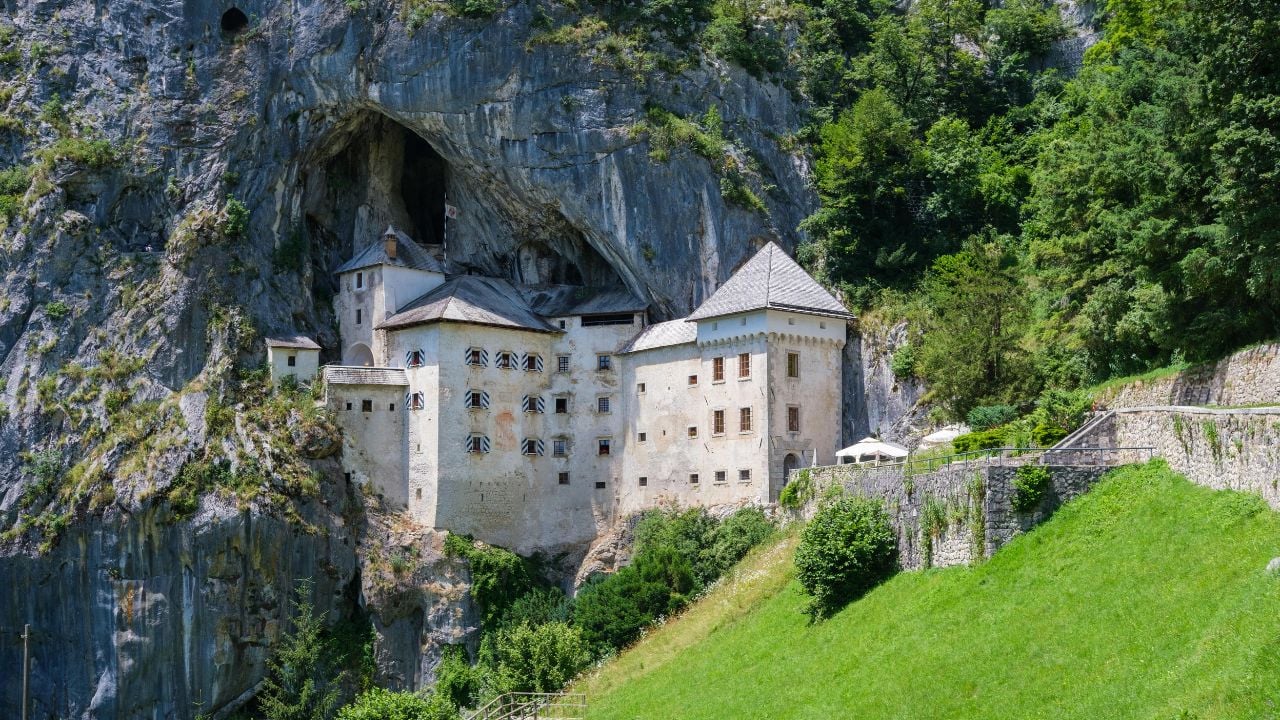
The third day changes the trip completely. After Ljubljana’s riverfront and Bled’s lake scenery, Predjama and Postojna bring Slovenia underground and into the rock. The landscape becomes less Alpine and more karst: cliffs, caves, stone, cool air, and a castle that looks as if it has grown out of the cliff rather than been built against it.
Postojna Cave Park suggests a practical daily plan: visit Predjama Castle first and see Postojna Cave in the afternoon. That order gives the day a strong visual opening outside before the cave takes over the second half with underground chambers, cool air, and a completely different scale.
Predjama Castle is memorable because of where it sits. Postojna Cave Park describes it as the largest cave castle in the world, perched in the middle of a 123-meter-high cliff for more than 800 years. Slovenia’s official tourism site also notes its position near Postojna Cave and its connection with underground tunnels beneath the castle.
The castle is not romantic in a soft way. It is defensive, damp-looking, strange, and built into a place that feels more like a hiding spot than a palace. The rock is part of the experience: above the roof, behind the walls, and under the rooms. Seeing it before the cave makes the whole karst section feel connected rather than like two separate attractions.
Keep this day clean. Predjama, Postojna, a simple lunch, and the drive back toward the night’s base are enough. Adding too many stops can turn one of Slovenia’s most distinctive days into a long checklist. If the final day is Bohinj, sleep near Bled or Bohinj; if an early flight is waiting, return toward Ljubljana after the cave visit and swap the order of days three and four.
4. Day Four: Finish With Bohinj and Vogel for the Mountain Memory

Bohinj is the right final chapter if the trip should end with mountain air instead of another town. Compared with Bled, the lake feels wider, wilder, and less polished. The water sits inside the Julian Alps, with forests, steep slopes, small settlements, and the Church of St John the Baptist near the shore giving the first view a quiet, older feeling.
Bohinj’s official tourism site describes Lake Bohinj as Slovenia’s largest natural permanent lake, located in a glacially formed lake basin and holding almost 100 million cubic meters of water. The lake can feel glassy and calm in one moment, then darker and more serious when clouds move across the mountains.
This is not the day to overplan. The lakeshore, church area, a coffee stop, a short walk, and time beside the water are already enough to make Bohinj feel different from Bled. Triglav National Park notes that the route around Lake Bohinj is just over 11 kilometers, though visitors can shorten it by walking only one shore, which is useful when the final day needs beauty without exhaustion.
If the weather is clear, Vogel gives the trip its big mountain view without requiring a demanding hike. Bohinj’s official tourism site says the cable car rises to Brown Rock, 1,000 meters above Lake Bohinj and 1,535 meters above sea level, with views over the Bohinj Basin, Lake Bohinj, the Julian Alps, and Triglav.
Clouds should decide the afternoon. If the peaks are open, ride up to Vogel and let the route finish above the lake. If the weather closes in, stay low: walk by the water, eat something warm, listen to the lake, and let the last hours be slower rather than stubborn. Slovenia is small enough to tempt travelers into adding more, but Bohinj is a good reminder that a final view can be better than a final errand.