Volvo desperately needs the EX60 to succeed. After the troubled launch of the EX90 and the abrupt cancellation of the EX30 in the United States, the Swedish brand’s newest electric crossover is arriving with enormous pressure on its shoulders.
On paper, the 2027 Volvo EX60 looks promising. It rides on Volvo’s new 800-volt SPA3 platform, offers fast charging speeds, up to 670 horsepower, and pricing that initially undercuts key rivals from BMW and Mercedes-Benz. That sounds like a winning formula in today’s crowded premium EV market.
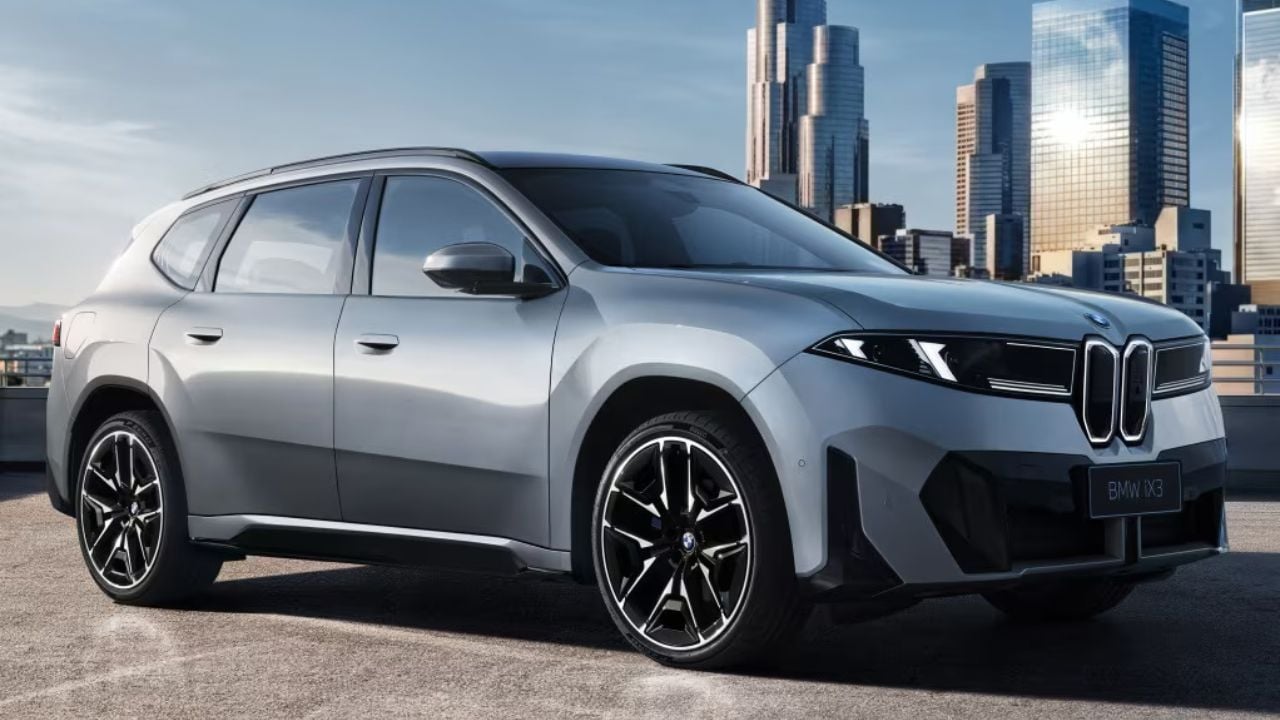
The problem is that the BMW iX3 is shaping up to be an extremely strong competitor. Once you dig beyond Volvo’s attractive starting price, the value equation becomes far less straightforward, especially when comparing all-wheel-drive versions that buyers are actually likely to choose.
That leaves the EX60 entering one of the most competitive segments in the industry at exactly the moment Volvo can least afford another stumble. The question now is whether the EX60 offers enough to stand out against rivals that may ultimately deliver stronger range, charging performance, and brand momentum.
Volvo Starts Strong On Pricing
Volvo confirmed the 2027 EX60 will start at $59,795, including destination charges. That entry-level model is the single-motor rear-wheel-drive EX60 P6 Plus, making it roughly $3,000 cheaper than the BMW iX3 50 xDrive currently announced for the U.S. market.
At first glance, that sounds like a major advantage. Buyers shopping for premium electric SUVs are becoming increasingly price-sensitive, especially as EV incentives disappear and interest rates remain high.
The issue is that Volvo’s cheapest EX60 is rear-wheel drive, while the only announced BMW iX3 model is a more powerful dual-motor AWD version. Once the comparison becomes more apples-to-apples, the price gap nearly disappears.
The dual-motor Volvo EX60 P10 AWD starts at $62,145, putting it almost directly against the iX3 50 xDrive’s $62,850 price tag. BMW is also expected to introduce cheaper iX3 trims later, which could narrow the pricing gap even further.
BMW Appears To Have The Edge On Efficiency
The EX60’s specifications are solid by any normal standard. The base P6 models produce 369 horsepower, deliver up to 307 miles of range, and can recharge from 10 to 80 percent in just 16 minutes thanks to charging speeds reaching 320 kW.
Move up to the dual-motor P10 AWD variants, and output climbs to 503 horsepower. Range also increases slightly to 322 miles thanks to a larger 95-kWh battery, while charging speeds rise to a maximum of 370 kW.
Those numbers would have looked incredible even two years ago. Unfortunately for Volvo, BMW’s iX3 pushes things even further.
BMW claims the iX3 50 xDrive can add roughly 185 miles of range in just 10 minutes using its 400-kW charging capability. Volvo’s EX60 P10 manages around 165 miles in the same time. The BMW also boasts a claimed range figure as high as 434 miles in certain configurations, giving it a substantial efficiency advantage over the Volvo.
The one clear performance win for Volvo is power. The EX60 P10 comfortably outguns the iX3 with 503 horsepower versus BMW’s 463 hp. Still, raw power is rarely the deciding factor for buyers shopping in this segment.
The Wildcard Is The 670-HP EX60 P12
Volvo’s range-topping EX60 P12 AWD may end up becoming the most interesting version of the lineup. While pricing has not yet been announced, the flagship model delivers a staggering 670 horsepower and an estimated 400 miles of range.
That combination suddenly makes the EX60 much more compelling. Volvo says the P12 can add up to 173 miles of range in 10 minutes while maintaining the same 370-kW charging capability as the P10 models.
Unlike many performance EVs, the P12 does not sacrifice range to achieve its power figures. Its massive 117-kWh battery allows it to remain competitive with the best long-range luxury EVs currently on the market.
If Volvo prices the P12 aggressively enough, it could become the version that truly differentiates the EX60 from rivals like the BMW iX3 and the upcoming Mercedes-Benz GLC EV.
Volvo Is Leaning Hard Into Tech And Safety
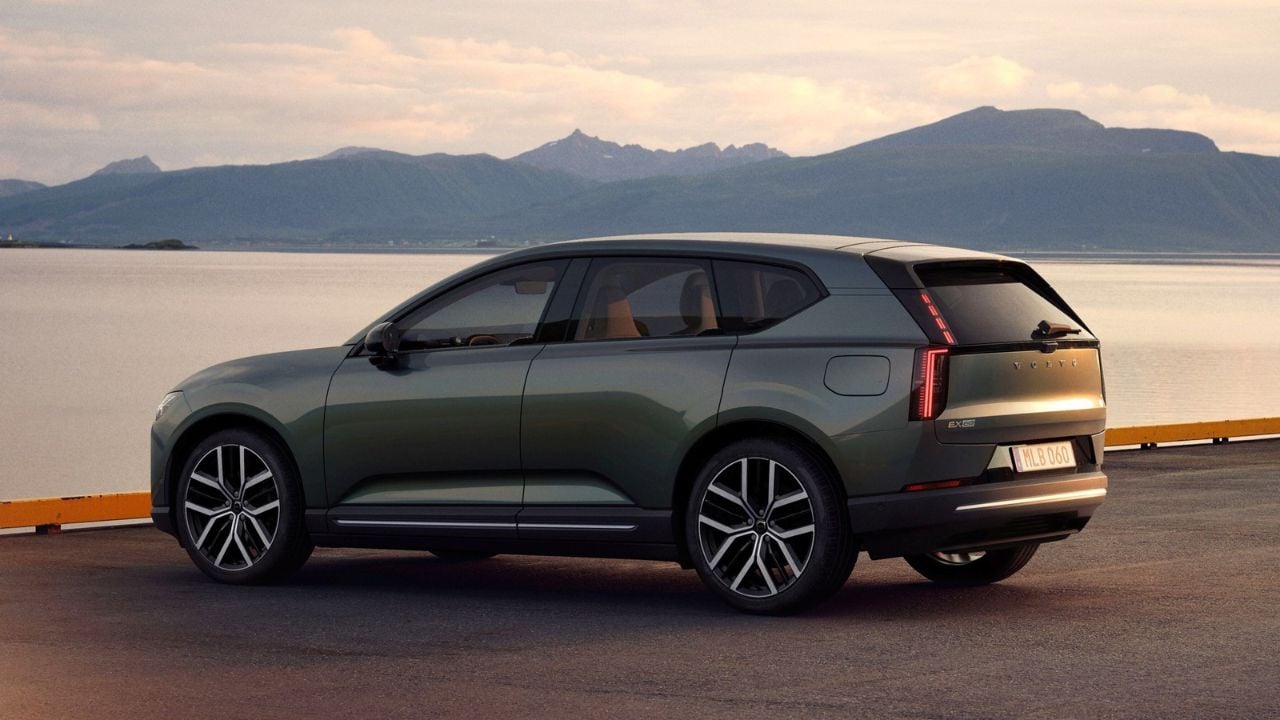
Performance and charging specs are only part of the battle in the premium EV segment. Volvo continues to position itself heavily around safety and in-car technology, and the EX60 reflects that strategy clearly.
Every EX60 comes standard with Volvo’s new “HuginCore” safety system, which uses a network of sensors, cameras, and monitoring systems designed to constantly analyze the vehicle’s surroundings. Volvo says it aims to make the EX60 one of the safest vehicles on the road.
The cabin also arrives loaded with technology. A 15-inch OLED touchscreen with Google Built-In comes standard, alongside Google Gemini AI integration, Pilot Assist driver-assistance features, and a 21-speaker Bose sound system.
Higher-end Ultra trims add ventilated Nappa leather seats, a massive 28-speaker Bowers & Wilkins audio system, an electrochromic panoramic roof, and integrated heated booster seats for rear passengers.
Volvo Still Has Something To Prove
The EX60 may ultimately become the vehicle that defines Volvo’s EV future. The company needs a clean launch after the software problems that plagued the EX90 and the market complications that effectively killed the EX30 in America.
On paper, the EX60 looks competitive, stylish, and technologically advanced. The challenge is that BMW’s iX3 appears equally impressive while potentially delivering superior efficiency and charging performance at nearly identical pricing.
That does not mean the EX60 is doomed. Volvo still carries enormous goodwill among buyers who prioritize safety, minimalist Scandinavian design, and comfort over outright performance bragging rights. Still, in a premium EV market that is becoming brutally competitive, “good enough” may no longer be enough.