
For years, catalytic converters and expensive wheels have dominated conversations about automotive theft. Now, another surprisingly valuable component is rapidly becoming a favorite target for thieves: airbags.
According to the National Insurance Crime Bureau, roughly 50,000 airbags are stolen every year in the United States. What sounds bizarre at first actually makes perfect sense once you understand how expensive modern airbags have become and how quickly experienced thieves can remove them.
The trend has become especially noticeable in major cities like Detroit, Washington D.C., Chicago, and others. In many cases, thieves smash a window, remove the steering wheel airbag in under a minute, and disappear before anyone even notices.
For owners, the damage can be financially brutal. Replacing a stolen airbag often involves far higher costs than the airbag alone, especially in newer vehicles loaded with sensors, steering-wheel electronics, and safety-system calibrations.
Why Airbags Suddenly Became So Valuable
Much of the problem traces back to the massive Takata airbag recall that affected roughly 100 million vehicles worldwide. That recall created enormous demand for replacement airbags, while supply shortages pushed prices skyward.
A legitimate replacement airbag from a dealership can easily cost $1,000 or more before labor. Some repairs also require replacement trim pieces, wiring harnesses, steering wheel components, and electronic recalibration work, driving repair bills even higher.
That creates a thriving black market for stolen airbags. Thieves can unload the parts cheaply to illegal repair channels or buyers looking to avoid dealer pricing, while repair shops using legitimate replacement parts struggle with shortages and delays.
The thefts are also shockingly easy to carry out. Many steering wheel airbags are held in place with spring clips or a handful of fasteners that can be removed quickly using simple pry tools.
One repair shop owner described the process bluntly, explaining that some airbags can “literally just pop out” once the correct pressure points are found. For experienced thieves, the whole operation can take less than a minute.
Hondas And GM SUVs Are Becoming Major Targets
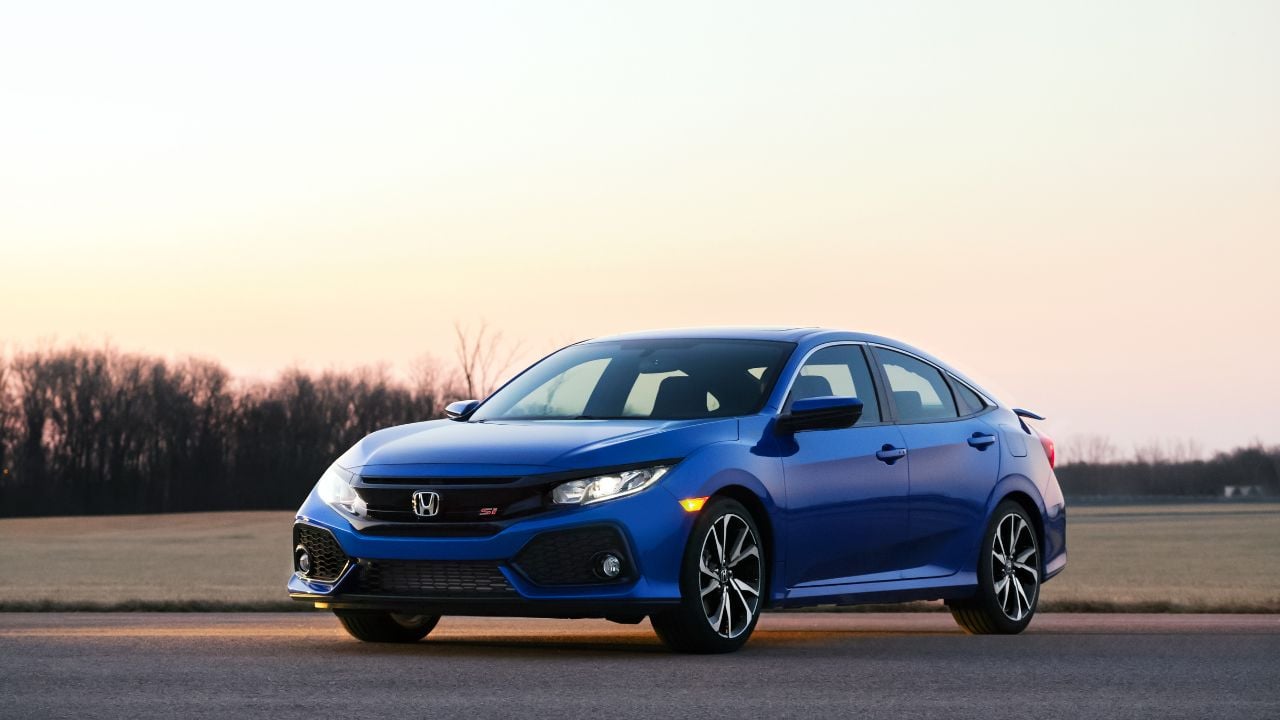
Honda and Acura vehicles remain some of the most commonly targeted cars for airbag theft. That’s partly because they’re incredibly common, but also because millions of Hondas were affected by the Takata recall, keeping demand for replacement airbags unusually high.
In the Washington D.C. metro area, waves of thefts involving Civics and Accords have repeatedly hit neighborhoods in Maryland and Virginia. Victims often wake up to smashed windows and missing steering wheel airbags, with repair costs stretching into thousands of dollars.
Detroit has seen a similar trend involving General Motors SUVs like the Chevrolet Trailblazer and Blazer. In several cases, surveillance cameras captured suspects breaking into vehicles and removing airbags within seconds.
One Detroit owner told local news that replacing her stolen Trailblazer airbag would cost roughly $2,000 out of pocket. She ultimately chose not to file an insurance claim because she feared even higher insurance premiums afterward.
That’s another hidden problem with these thefts. Even when insurance covers the repairs, deductibles, rental car costs, and future premium increases can still leave owners paying heavily for a crime they had no control over.
Modern Cars Are Making Theft More Profitable
As vehicles become more technologically complex, individual components are becoming far more valuable. Airbags now integrate with crash sensors, driver-assistance systems, steering-wheel controls, and electronic safety modules.
That means thieves are no longer just targeting metal parts with scrap value like catalytic converters. Instead, they’re increasingly going after expensive electronic components that can quickly be resold through underground parts networks.
The repair delays can also become a nightmare. Shortages of legitimate replacement airbags mean some owners wait weeks or months to fully repair their vehicles after a theft.
Even worse, some black-market airbags may be stolen, counterfeit, defective, or improperly refurbished. Installing one of those parts could create serious safety risks during an actual crash.
What Owners Can Actually Do
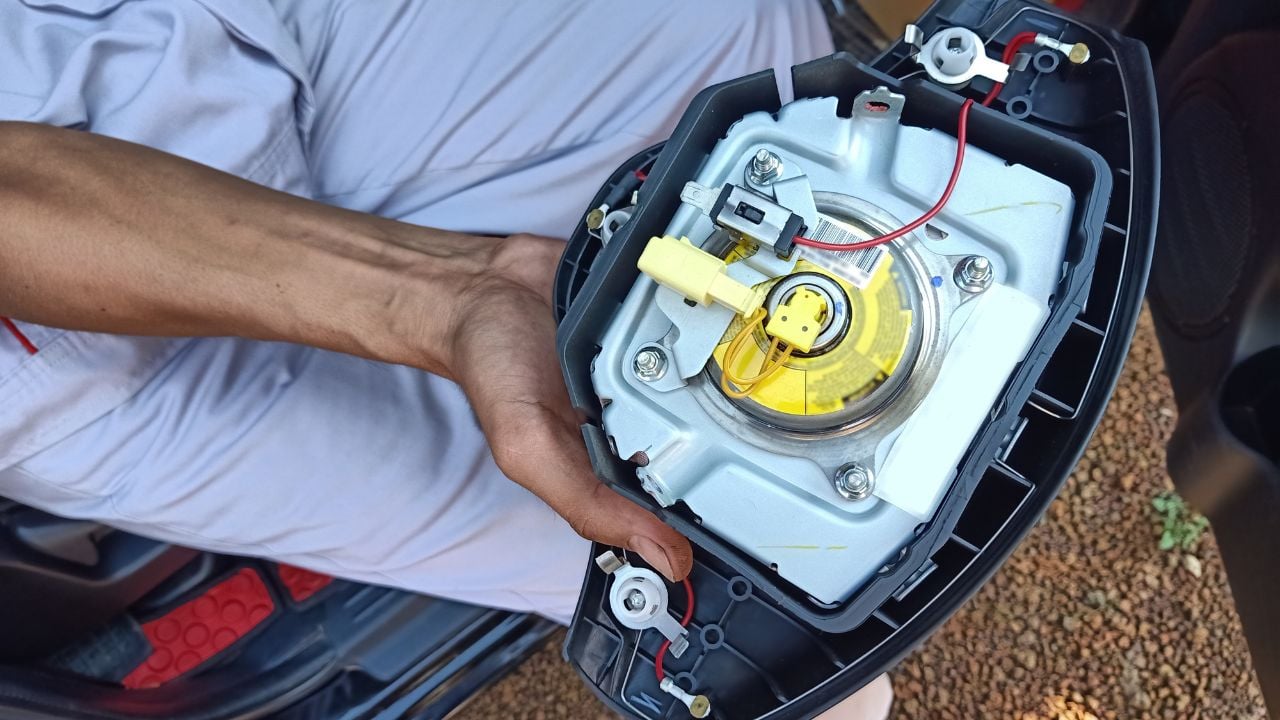
Unfortunately, preventing airbag theft entirely is difficult because the crime happens so quickly. Still, experts say there are a few practical ways to make your car a less attractive target.
Steering wheel locks like “The Club” remain one of the most commonly recommended deterrents because they physically block access to the steering wheel airbag. Professional thieves can still bypass them, but criminals usually prefer easier targets nearby.
Parking in well-lit, high-traffic areas can also help reduce risk. Surveillance cameras, garages, and visible security systems may discourage opportunistic thieves looking for quick smash-and-grab jobs.
Experts also strongly recommend using reputable repair shops if an airbag replacement becomes necessary. Owners should verify that replacement airbags come directly from manufacturers and arrive in proper factory packaging.
Because while a stolen airbag is expensive, installing a questionable replacement could ultimately become far more dangerous than the theft itself.