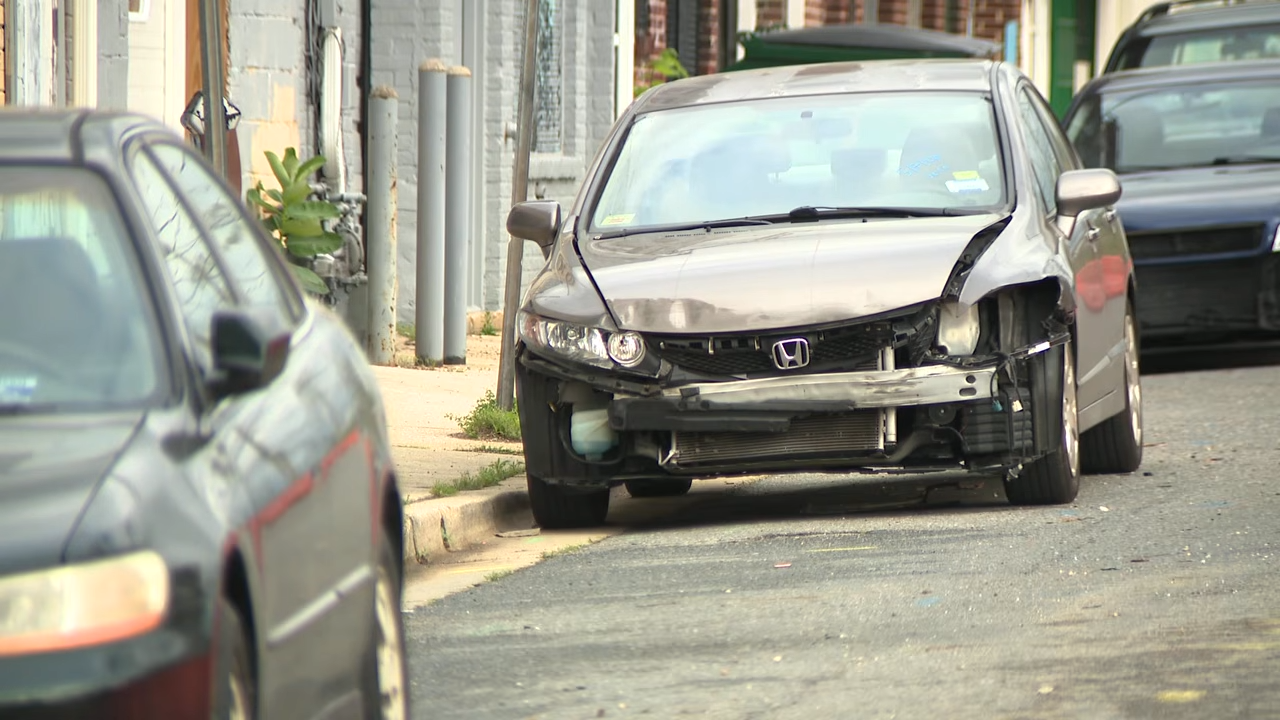
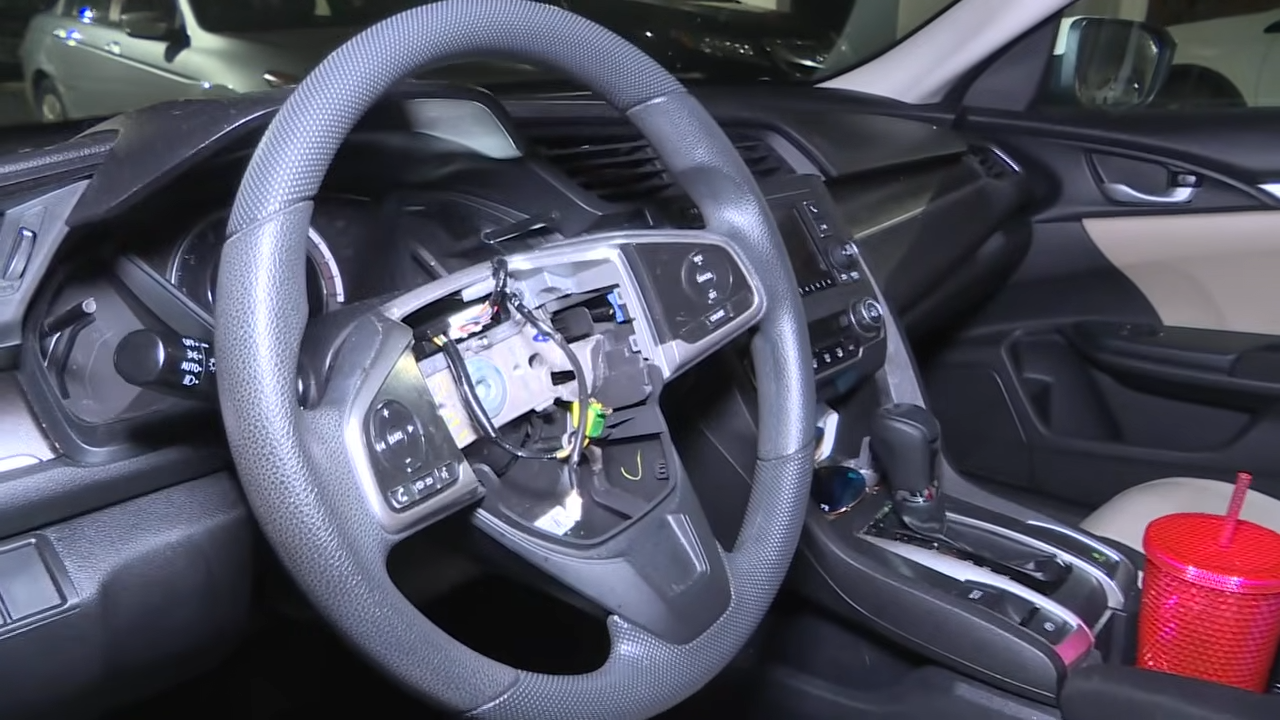
A Silver Spring photographer stepped outside one Thursday morning expecting to start her workday, and instead found something no one wants to see: her Honda sitting on the street with every window smashed, glass scattered across the front seat, and her airbag ripped right out of the steering wheel. For Annette Lee, whose entire livelihood depends on getting from one photo shoot to the next, it was not just an inconvenience. It was a gut punch.
“Something that took you maybe a minute is kind of taking days, hours, months out of me,” Lee told WUSA9, capturing the exhausting ripple effect that a single theft can create. And she is far from alone. Two other cars on the same block of Coulston Drive in Silver Spring appeared to have been hit the same night, including one parked just two spaces away from hers. What looks like an isolated incident on any given morning is actually part of a much bigger, ongoing pattern playing out across the entire DMV region — and really, across the entire country.
Airbag theft is not new, but it does seem to be experiencing a stubborn resurgence in the Washington metro area. Local repair shops are seeing it come through their bays multiple times a month. Neighborhoods that residents consider safe are not being spared. And Honda vehicles, in particular, keep showing up as the preferred target. The reasons for that, it turns out, come down to cold, hard economics — and a surprisingly active black market for a part most drivers never think about until they desperately need it.
Understanding why this keeps happening, who is doing it, and what you can actually do to stop it from happening to you is worth a few minutes of your time — especially if you park a Honda on a public street anywhere in Maryland, Virginia, or D.C.
Why Honda Vehicles Keep Getting Hit
It is not random. Thieves who steal airbags are running a business, however illegal, and like any business they are optimizing for profit. Honda airbags — particularly from older Civic and Accord models — are in high demand on the secondary and black markets, in part because of the massive Takata airbag recall that stretched across the industry for years. When legitimate replacement parts are hard to come by or expensive through official channels, a stolen airbag becomes an attractive shortcut for unscrupulous repair shops or individual buyers looking to save money.
Jonathan Moser, owner of Far East Motors in Silver Spring, has been repairing these vehicles and has seen the trend up close. A genuine Honda airbag can run around $1,000 through proper channels. A thief might unload that same part on the black market for $250 or less, which sounds like a bad deal — until you realize the thief paid nothing for it and the whole operation takes under a minute. The math, unfortunately, works in their favor.
This is also why smash-and-grab airbag theft is such an efficient crime. There is no alarm to bypass, no ignition to hotwire. A thief breaks the window, disconnects the airbag module from the steering wheel, and vanishes. The wiring gets destroyed in the process, which adds significantly to the repair cost for the vehicle owner on top of the airbag itself.
This Is Not Just a Silver Spring Problem
Lee’s case may have grabbed attention locally, but WUSA9 has been tracking this issue across the DMV for years. Back in 2023, more than 20 cars in Arlington were hit in a wave of airbag thefts. Similar sprees followed in Fairfax County and Washington D.C. Most recently, Laurel, Maryland saw more than 20 vehicles targeted in a single month.
Zoom out nationally, and the scale becomes genuinely staggering. The National Insurance Crime Bureau estimates that roughly 50,000 airbags are stolen across the United States every single year. That is not a rounding error. That is a full-blown black market ecosystem, sustained by steady demand, relatively low risk for the thieves, and the consistent vulnerability of parked vehicles on public streets.
What struck Lee most after she posted about her experience online was not the anger — it was how many people immediately responded saying the same thing had happened to them. The replies came from people in cities, people in neighborhoods they had always considered safe, and people across the entire metro region. “It is really disheartening to feel like it is just hitting everyone,” she said.
What You Can Actually Do to Protect Your Car
The good news is that there is a practical, affordable deterrent, and it is not high-tech: a steering wheel lock bar. Yes, the same kind of club-style lock that was popular in the 1990s is making a comeback for a very good reason. Moser recommends it as the single best thing Honda owners can do, and Lee had already ordered one by the time she finished talking to reporters.
Here is a breakdown of steps worth taking:
Get a steering wheel lock. It does not make theft impossible, but it adds enough friction that most opportunistic thieves will simply move on to an easier target. These typically cost between $25 and $60.
Park in well-lit, high-traffic areas when possible. Airbag thieves prefer darkness and low foot traffic. Underground garages with cameras are significantly safer than street parking.
Check your insurance policy. Comprehensive coverage typically covers theft, including stolen airbags and the resulting damage. If you only carry liability, you are paying for the repairs out of pocket.
Know the warning signs. If you hear about thefts in your area on neighborhood apps like Nextdoor or local Facebook groups, take the threat seriously and move your car if possible.
File a police report immediately. Even if it feels futile, reports help law enforcement identify patterns and potentially connect incidents across neighborhoods or jurisdictions.
What This Incident Teaches Us About Community and Crime Prevention
Beyond the practical tips, Lee’s story highlights something worth sitting with for a moment. She is a photographer whose work depends on her vehicle. When her car was hit, she did not just lose property — she lost time, income, peace of mind, and a sense of security in her own neighborhood. These are costs that never show up in the insurance claim.
But the response she got when she went public also revealed something more hopeful. Dozens of people reached out to share their own experiences, which helped confirm that these were connected incidents rather than isolated bad luck. That kind of community information-sharing is genuinely valuable. It helps neighbors warn each other, helps police spot patterns, and helps news organizations connect the dots across multiple jurisdictions.
Crime like this thrives on silence and fragmentation. When people post about it, talk about it, and report it, the picture becomes clearer for everyone. Lee put it simply: “I am sorry for everyone else who has gotten impacted.” That empathy, extended outward even in a frustrating moment, is exactly the kind of thing that makes neighborhoods more resilient against exactly this kind of persistent, low-level crime.
So if this has happened to you, or you hear about it happening nearby — say something. File the report, post in the neighborhood group, call the tip line. The steering wheel lock will protect your car. The community will protect everyone.