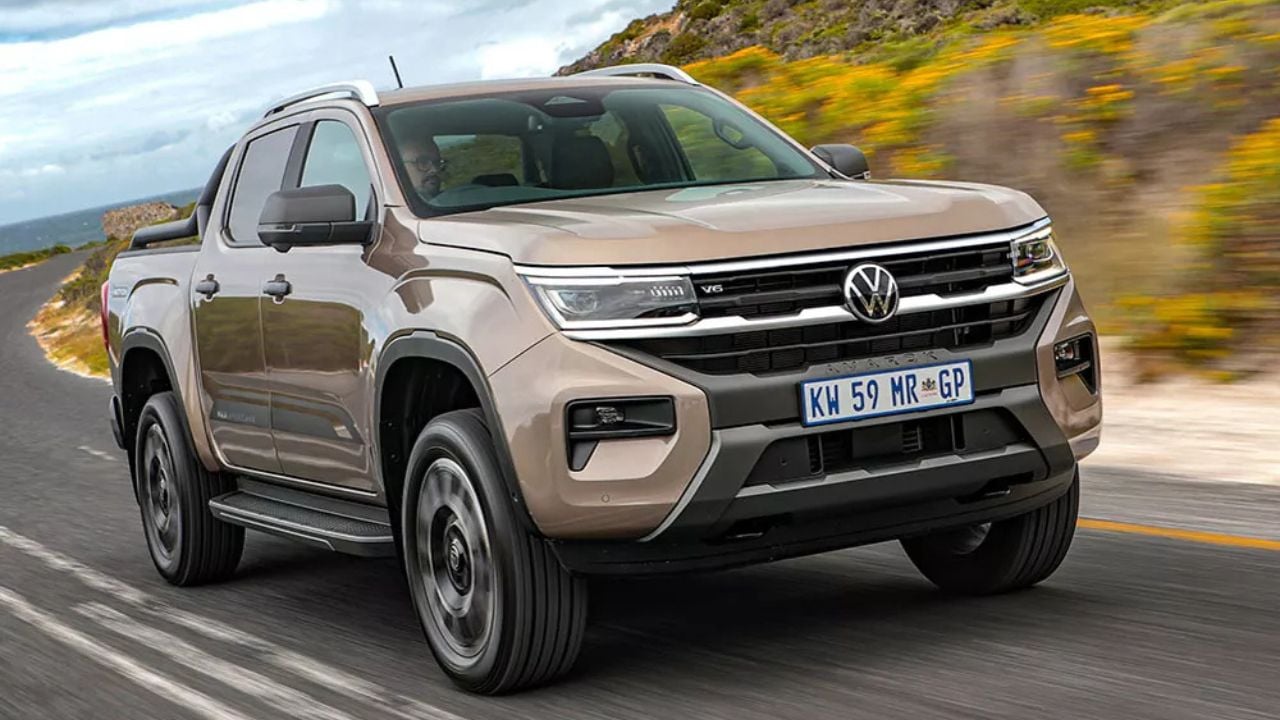
The American truck market has always been a world unto itself, with domestic manufacturers dominating the landscape with their full-size pickups and heavy-duty workhorses. But venture beyond our borders, and you’ll discover a fascinating variety of trucks that never make it to U.S. dealerships, despite offering capabilities and features that would appeal to many American drivers.
Some are compact workhorses perfect for urban environments, while others are rugged off-roaders that make our toughest trucks look tame. These forbidden fruits of the truck world represent different philosophies of what a pickup can be, from efficient diesel-powered haulers to adventure-ready expedition vehicles.
Whether it’s regulatory hurdles, market strategies, or simple economics keeping them away, these trucks have developed cult followings among enthusiasts who can only admire them from afar.
Toyota Hilux
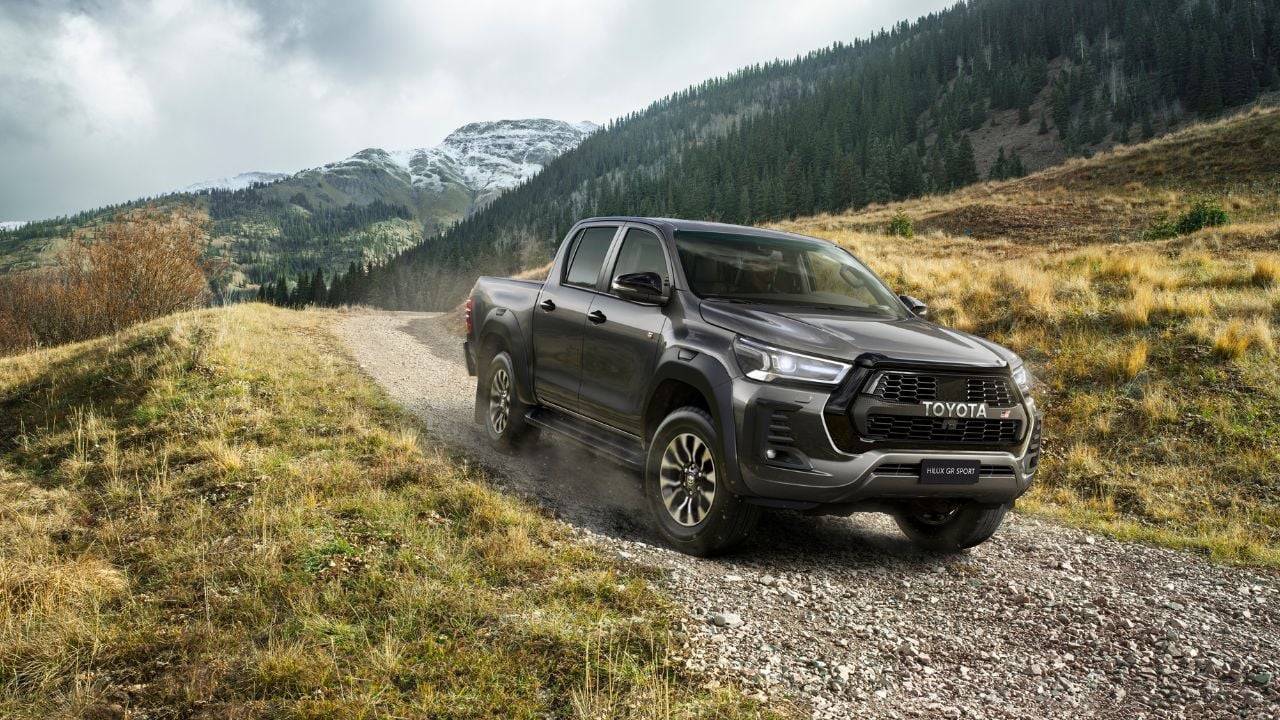
The legendary Toyota Hilux has earned a reputation for indestructibility that’s almost mythical, famously surviving torture tests that would obliterate lesser vehicles.
Available in markets across Asia, Australia, Africa, and South America, this mid-size truck offers diesel engine options that deliver impressive fuel economy alongside proven reliability. The current generation features modern tech and comfort while maintaining the rugged simplicity that made earlier versions global icons.
American drivers make do with the Tacoma, which shares some DNA but lacks the Hilux’s diesel powertrains and configurations favored in markets that prioritize durability and heavy use. The Hilux’s absence from U.S. showrooms is partly due to the “chicken tax,” a 25% tariff on light trucks that makes importing them economically unfeasible.
For those who’ve seen these trucks soldier on through conditions that would stop most vehicles, the Hilux represents the ultimate expression of “built to last.”
Volkswagen Amarok

Volkswagen’s entry into the global pickup market combines European engineering with legitimate truck capability in a package that turns heads wherever it appears.
The second-generation Amarok, developed in partnership with Ford, shares its platform with the Ranger but gets distinctive VW styling and interior treatments that feel more premium than typical work trucks. Diesel V6 engine options deliver substantial torque while returning fuel economy figures significantly better than most full-size trucks.
The Amarok’s cabin feels more like a premium SUV than a utilitarian pickup, with high-quality materials and tech features that rival luxury vehicles. It’s particularly popular in markets like Australia and South Africa, where it’s proven itself as both a capable off-roader and a comfortable daily driver.
The combination of European refinement and serious truck credentials creates something genuinely different from what American buyers can currently purchase.
Ford Ranger Raptor (International Spec)
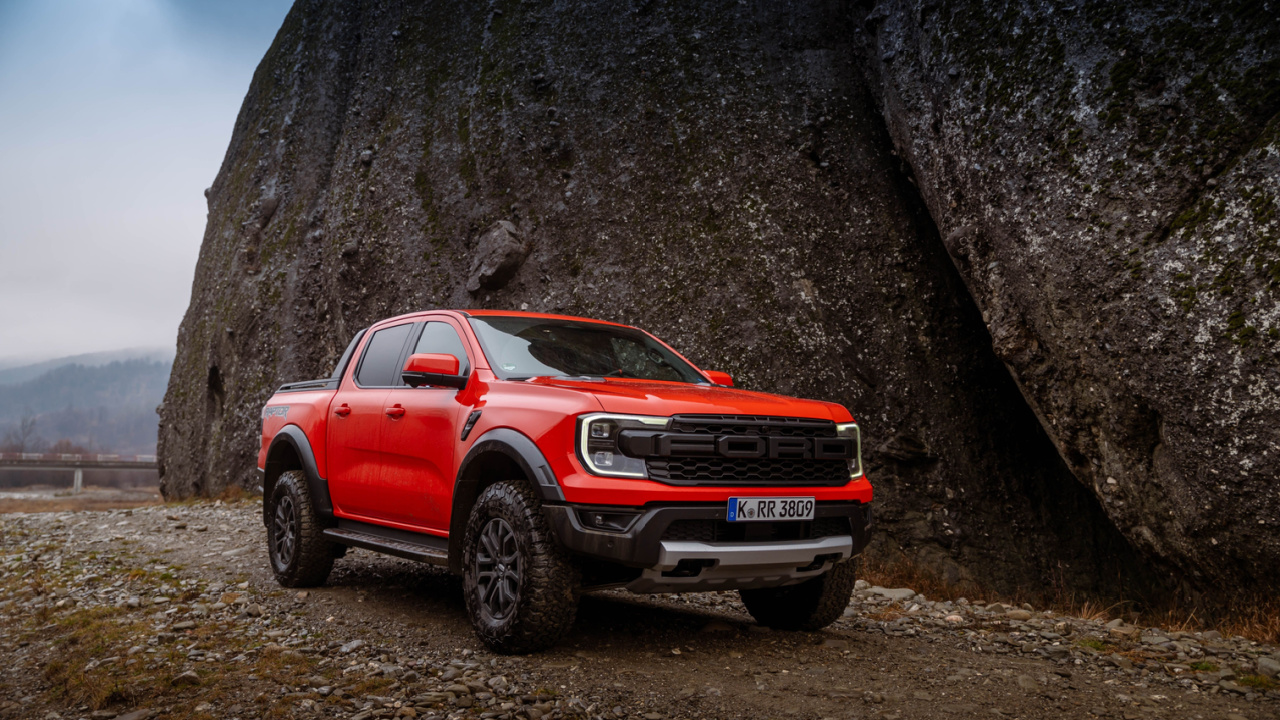
While Americans finally got a Ranger Raptor in 2023, international markets have been enjoying various iterations of this high-performance off-road truck for years, including versions with different engines and specifications.
Earlier international Ranger Raptors featured a twin-turbocharged diesel engine that offered incredible low-end torque and impressive fuel economy compared to gas-powered alternatives. These trucks came with Fox Racing shocks, reinforced frames, and aggressive styling that transformed the mid-size Ranger into a desert-running machine.
Markets like Australia and Europe received the Ranger Raptor years before it reached American soil, and some enthusiasts argue those earlier versions had a purity of purpose that resonated with off-road purists. The diesel variants particularly captured imaginations, offering around 369lb-ft of torque in a package that could still return reasonable mileage.
Though we now have our own version, the international-spec Ranger Raptors represent roads not taken in Ford’s American strategy.
Isuzu D-Max

Isuzu built its reputation on commercial trucks and diesel reliability, and the D-Max carries that torch in markets where efficiency and durability matter more than horsepower wars.
This mid-size pickup offers a range of diesel engines known for longevity and fuel economy, with some variants capable of high-20s to low-30s mpg in real-world driving. The D-Max’s simple, purposeful design prioritizes function over flash, with interiors that are easy to clean and controls that work even with gloved hands.
It’s particularly popular in Thailand, Australia, and throughout Southeast Asia, where its reputation for reliability makes it a favorite among commercial users and adventure seekers alike. The truck’s chassis also underpins the Mazda BT-50, showing how manufacturers share platforms to bring capable vehicles to market.
For American drivers tired of trucks that seem to grow larger and more complex each year, the D-Max represents appealing simplicity paired with proven dependability.
Mercedes-Benz X-Class

Mercedes-Benz’s brief foray into the pickup market produced something genuinely different: a truck with a three-pointed star that attempted to bring luxury to a segment traditionally focused on utility.
Built on the Nissan Navara platform but extensively modified, the X-Class featured premium interiors with materials and craftsmanship that wouldn’t look out of place in an E-Class sedan. Higher trim levels offered a V6 diesel engine with permanent all-wheel drive, combining legitimate off-road capability with on-road refinement.
The truck was marketed primarily in Europe, Australia, and South Africa, targeting buyers who wanted truck versatility without sacrificing the premium experience Mercedes is known for. Unfortunately, sales never met expectations, and Mercedes discontinued the X-Class after just three years of production.
Despite its commercial failure, the X-Class proved that luxury and pickup trucks could coexist, paving the way for the premium truck market we see expanding today with vehicles like the GMC Sierra Denali and Ram Limited.
Nissan Navara

The Nissan Navara serves global markets as a capable mid-size truck that emphasizes practicality and value, offering features and configurations that U.S.-market Frontiers don’t provide.
International versions include diesel engines that provide strong torque and impressive fuel economy, making them popular for both commercial use and recreational activities. The truck’s multi-link rear suspension in certain variants provides a smoother ride than typical leaf-spring setups, improving comfort without sacrificing payload capacity.
Navara buyers in markets like Europe and Asia can choose from various cab configurations and bed lengths to match their specific needs. The truck has proven particularly popular in markets where efficiency regulations favor diesel engines and where compact dimensions make parking and maneuvering easier.
While the Frontier has its fans in America, the Navara’s diesel options and unique features represent alternatives that some truck buyers would gladly welcome.
Toyota Land Cruiser 70 Series Pickup
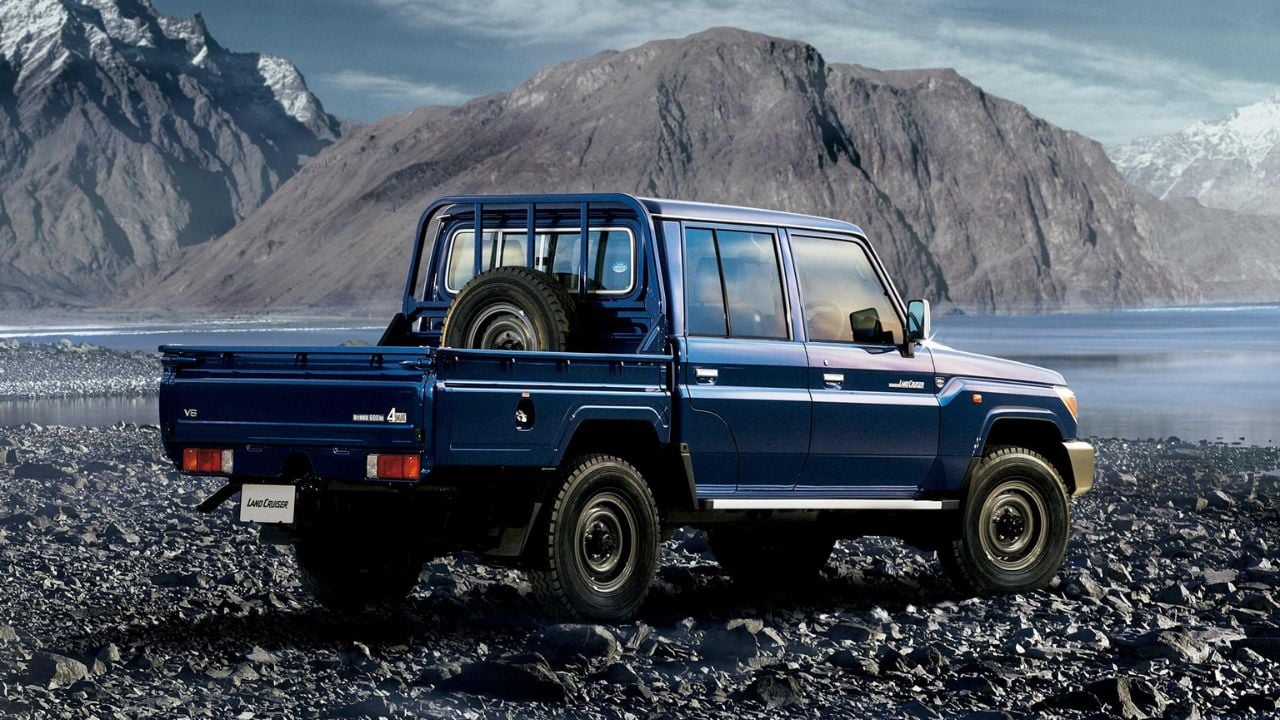
The 70 Series Land Cruiser represents old-school truck design taken to its logical extreme, with body-on-frame construction, solid rear axle, and mechanical simplicity that prioritizes reliability over refinement.
Still in production after debuting in 1984, this workhorse continues serving in some of the world’s harshest environments, from Australian outback stations to African aid missions. The pickup variant combines legendary Land Cruiser durability with genuine truck utility, offering a bed for cargo while maintaining seating for passengers.
Modern 70 Series trucks receive updates like diesel engines with modest power but incredible reliability, safety features to meet current regulations, and just enough creature comforts to make long drives bearable. These trucks sell in Australia, the Middle East, and various developing markets where their reputation for indestructibility matters more than acceleration times or infotainment screens.
For American enthusiasts who admire function over form, the 70 Series pickup represents everything a working truck should be, stripped of unnecessary complexity and built to survive decades of hard use.
Chevrolet S10 (South American)
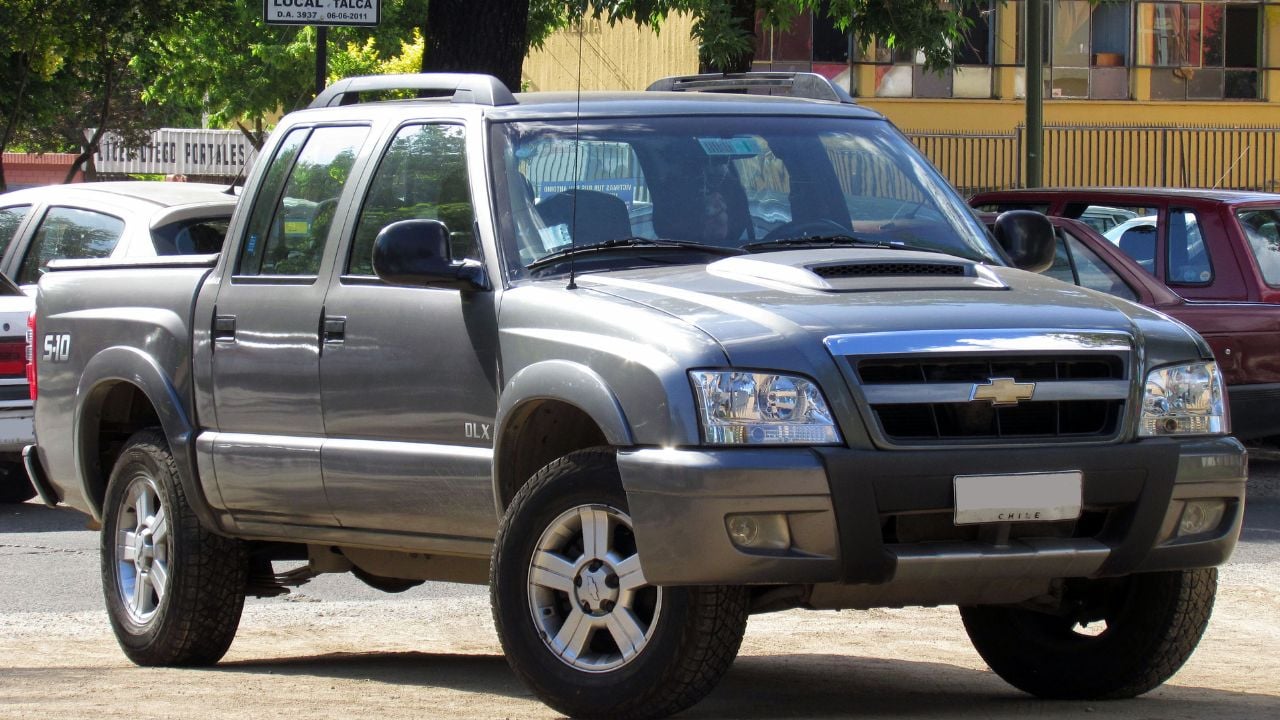
General Motors continues selling the Chevrolet S10 in markets like Brazil and Argentina, where this mid-size truck serves a completely different purpose than its distant American ancestor.
The modern S10 shares engineering roots with the global Colorado but receives unique styling, engine options, and features tailored to South American preferences. Diesel engines dominate the lineup, offering the torque and economy that buyers in these markets demand for both work and daily driving.
The truck’s dimensions strike a balance between capability and maneuverability that suits crowded urban areas and rural work sites equally well. Brazil’s huge agricultural sector relies heavily on trucks like the S10, which combine car-like driving dynamics with genuine hauling and towing ability.
While technically related to trucks Americans can buy, the S10’s specific configurations and diesel powertrains represent alternatives that would appeal to efficiency-minded U.S. buyers if regulations and economics made them viable.
Mahindra Scorpio Pik-Up
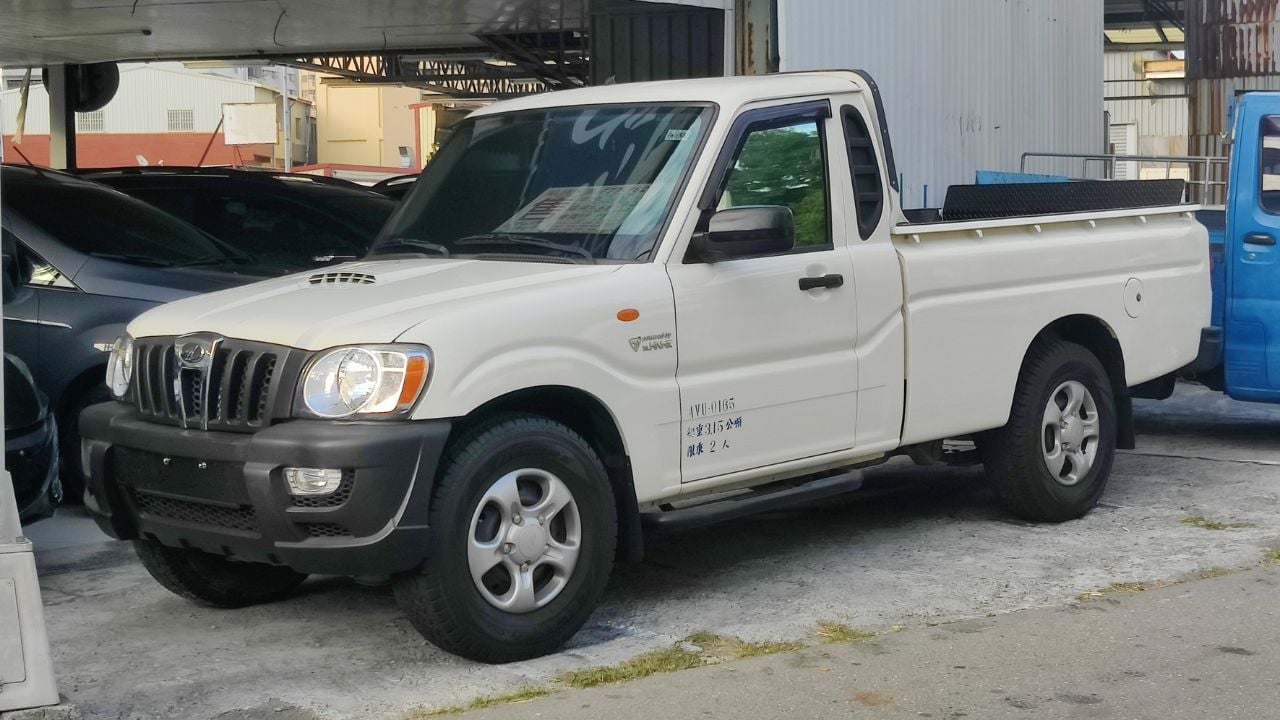
India’s Mahindra has been trying to crack the American market for years, and their Scorpio Pik-Up demonstrates why some enthusiasts wish they’d succeed.
This rugged truck combines traditional body-on-frame construction with modern diesel engines, creating a no-nonsense workhorse that prioritizes capability over refinement. The Scorpio Pik-Up’s pricing in markets where it’s sold makes it incredibly affordable compared to American trucks, though it makes no apologies for its utilitarian nature.
Four-wheel drive comes standard on many variants, and the truck’s simple mechanical layout means repairs can be handled with basic tools and readily available parts. It’s popular in India, South Africa, and other developing markets where trucks need to handle poor roads, heavy loads, and minimal maintenance.
The Scorpio Pik-Up represents a different philosophy entirely, one where trucks exist primarily as tools rather than lifestyle statements, and there’s something refreshing about that approach.
Renault Alaskan
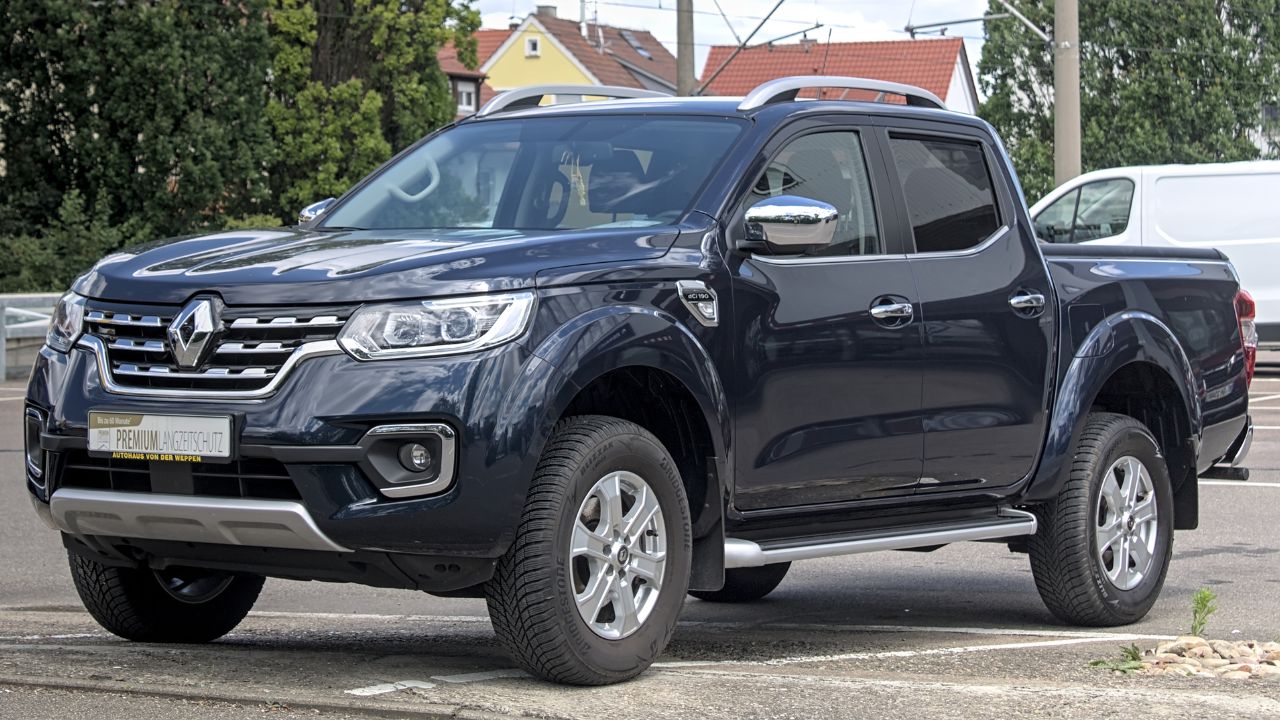
Renault’s entry into the pickup market shares its platform with the Nissan Navara and Mercedes X-Class, but brings distinctive French styling and features to the global mid-size truck segment.
The Alaskan targets European and South American markets with diesel engines, sophisticated four-wheel-drive systems, and interiors that emphasize comfort and practicality. Its design stands out with Renault’s current design language, creating a truck that looks distinctly different from the Japanese and American competition.
The truck offers genuine off-road capability paired with on-road manners that make it suitable for daily commuting, a balance many buyers in urban-rural markets appreciate. Despite its capabilities and unique character, the Alaskan never gained the traction Renault hoped for, with production ending after just a few years.
Still, it represented an interesting alternative in markets where buyers wanted something different from the established players, and its French approach to truck design offered a perspective American buyers never got to experience.
Fiat Toro
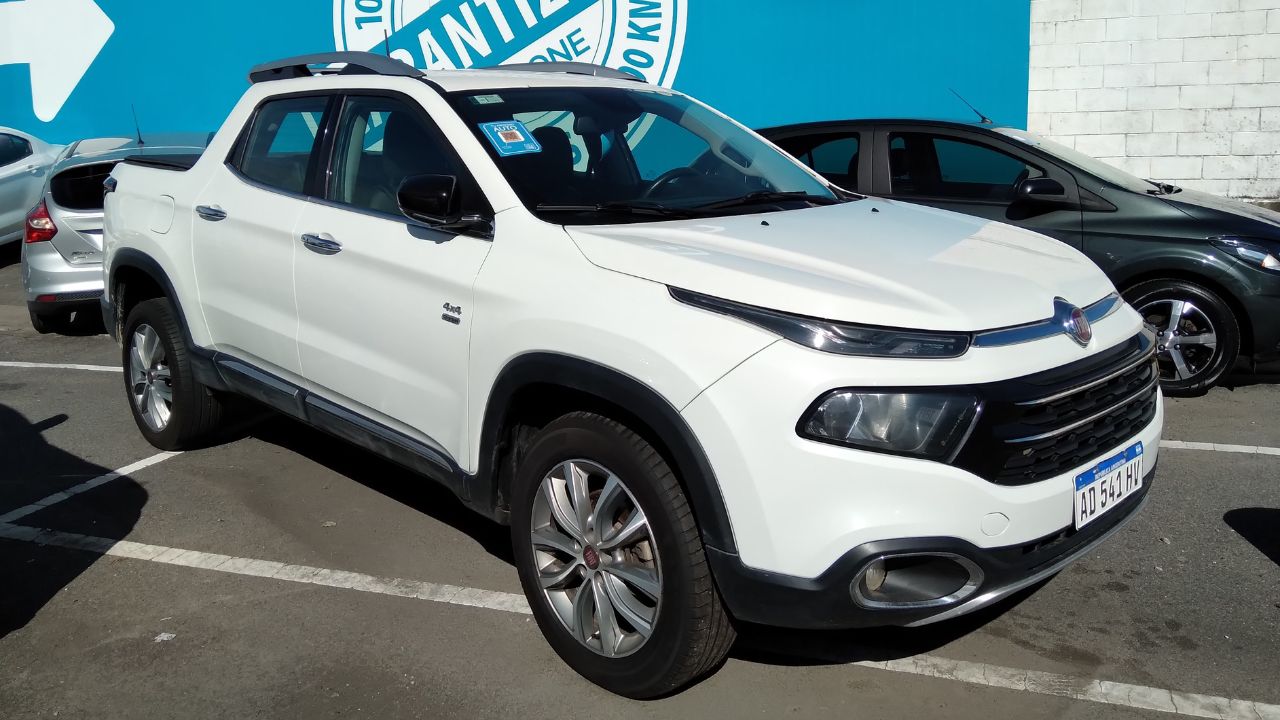
The Fiat Toro breaks the traditional truck mold entirely, offering a unibody construction that prioritizes car-like handling and efficiency over maximum payload and towing capacity.
Built in Brazil primarily for South American markets, the Toro slots between compact crossovers and traditional pickups, creating a category that doesn’t really exist in the United States. Its smaller footprint makes it ideal for crowded cities while still providing an open bed for cargo, and available all-wheel drive ensures capability when roads deteriorate.
Engine options include turbocharged gasoline and diesel variants that emphasize efficiency and everyday usability over maximum power. The Toro’s styling is distinctive and modern, looking more like a sporty crossover that happens to have a bed than a conventional truck.
For American buyers tired of trucks that require a step ladder to access and struggle to fit in parking spaces, the Toro’s approach of right-sizing capability to actual needs would be genuinely appealing.
Great Wall Poer
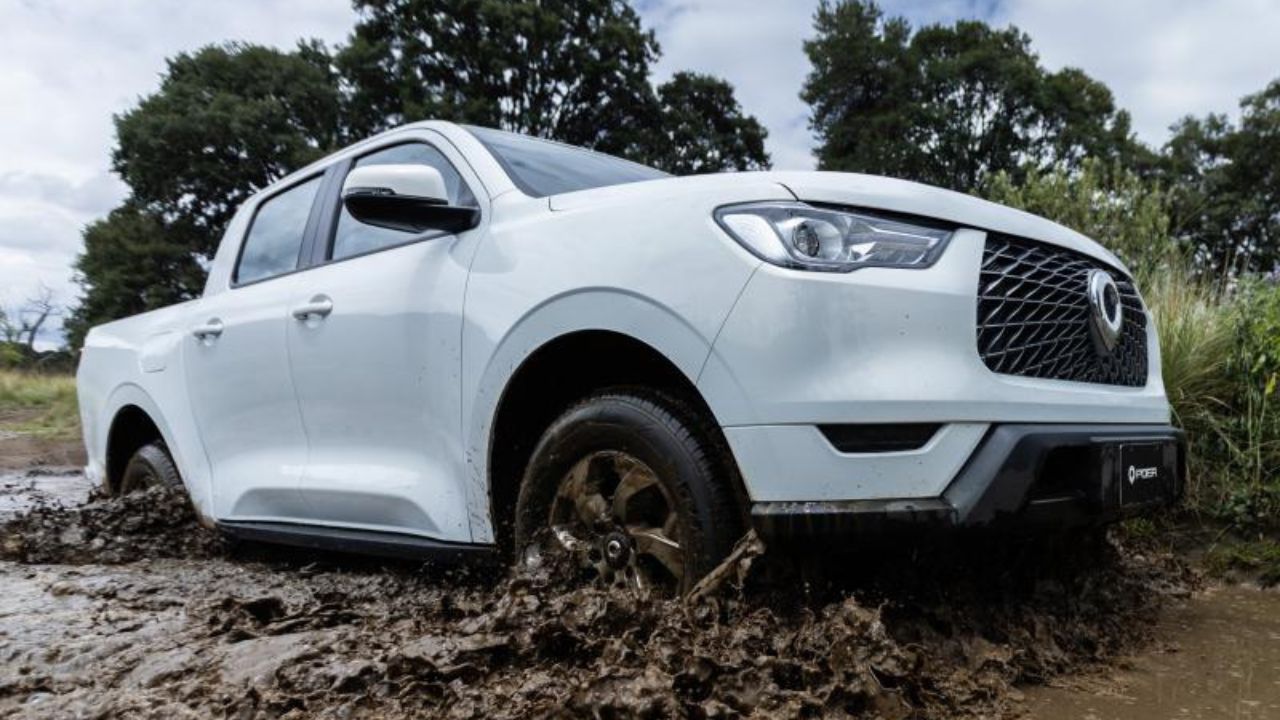
China’s Great Wall Motors has been building trucks for years, and their Poer series represents how far Chinese automotive manufacturing has evolved in terms of capability and refinement.
The Poer offers modern styling, turbocharged gasoline and diesel engines, and features like four-wheel drive and advanced safety systems at prices significantly lower than established competitors. These trucks sell in markets across Asia, the Middle East, and increasingly in South America, where buyers appreciate the value proposition they represent.
Build quality has improved dramatically over earlier Chinese trucks, though the Poer still generally trails established Japanese and American competitors in refinement. The truck’s success in emerging markets demonstrates that buyers are willing to try new brands when the price-to-features ratio makes sense.
While regulatory hurdles and brand perception challenges would make selling the Poer in America difficult, it represents how global competition is pushing all manufacturers to deliver more value, which ultimately benefits truck buyers everywhere.
Conclusion

The trucks that Americans can’t buy reveal just how diverse the global pickup market really is, with manufacturers tailoring vehicles to suit regional preferences, regulations, and economic realities. From diesel-powered efficiency champions to bare-bones workhorses built for extreme durability, these forbidden trucks represent different answers to the question of what a pickup should be.
While regulations like the chicken tax and differing safety standards keep many of these vehicles off American roads, their existence challenges assumptions about what we actually need from our trucks. The growing interest in mid-size and compact pickups suggests American tastes may be shifting toward some of the philosophies these international trucks embody. As manufacturers increasingly think globally while acting locally, perhaps we’ll see some of these ideas and approaches influence the trucks we can buy, even if the specific models themselves remain tantalizingly out of reach.
Until then, these trucks will continue to fuel enthusiast forums and inspire dreams of what could park in our driveways if only circumstances were different.